How I Survived 10 Days on One 100g Canister
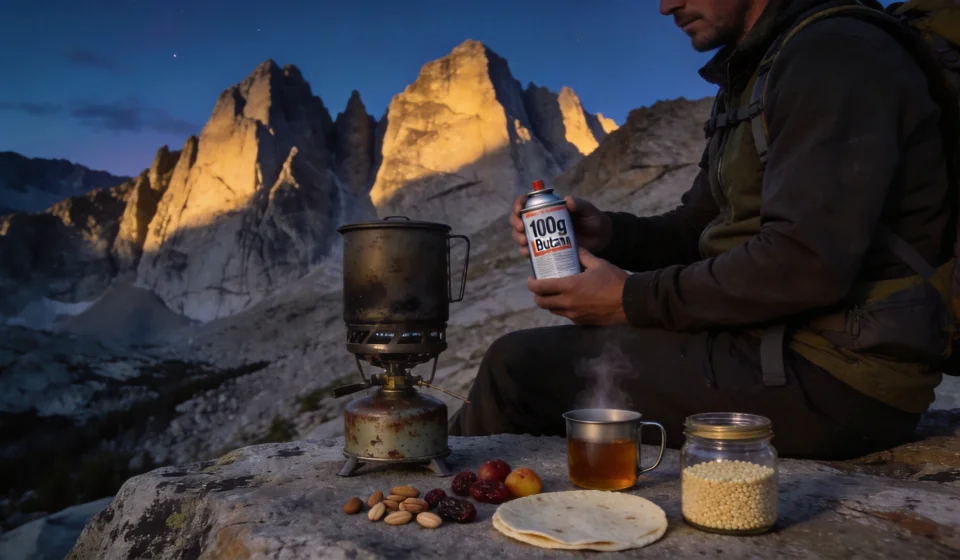
I remember the exact moment I stared at my 100-gram isobutane canister, the last dregs of fuel barely sputtering under my pot. I was on day six of a ten-day solo traverse through Wyoming’s Wind River Range, and I had just promised myself that I would make this tiny cylinder last. What followed was a crash course in minimalism, patience, and the art of eating cold. This is the story of how I survived—and what I learned.
The Reckoning: A Miscalculation in the Backcountry
I had planned my trip for months. Maps were marked, gear was tested, and my food bag was a carefully layered system of freeze-dried dinners, instant oatmeal, coffee packets, and protein bars. But I had made one critical error: I assumed a single 100g canister would give me roughly two boiled liters per day for ten days. Reality hit hard on the second morning when my stove sputtered after barely boiling half a cup of water for my coffee. I had burned through nearly a quarter of my fuel in just two brews and one reconstituted dinner. That’s when the panic set in—and then the creativity.
“Sometimes the best lessons come from the worst miscalculations. That half-cup of coffee was my wake-up call.”
Day Zero: Rethinking Every Meal
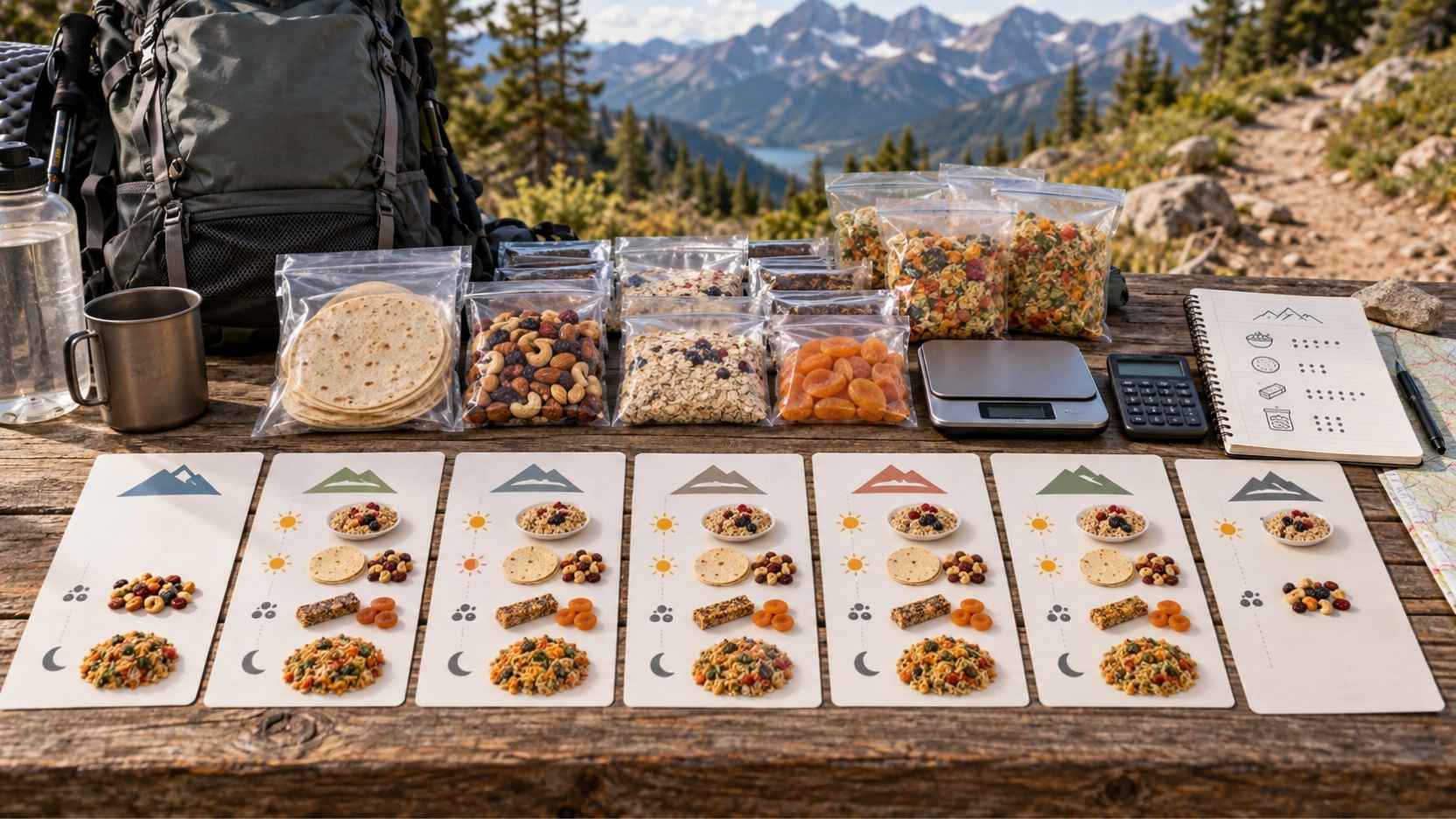
I sat on my sleeping pad, calculator in hand (okay, in my head), and redefined my meal plan from scratch. The key was to eliminate any dish that needed more than a single, quick boil—and even that would be rationed. I went through my pack and separated everything into categories:
- No-cook items: nuts, dried fruit, tortillas, hard cheese, salami, granola bars, peanut butter, and dark chocolate.
- Cold-soak candidates: instant oatmeal (soaked cold overnight), couscous, ramen noodles (crushed and cold-soaked), and instant mashed potatoes (mixed with water and cheese).
- Hot-water-only meals: dehydrated dinners that required only boiling water—but I would use them only every third night.
I decided that for every hot meal, I would boil exactly 350 ml of water (just enough to rehydrate a single serving of freeze-dried chili or pasta primavera) and use the residual hot water for a second purpose—like warming a beverage or melting cheese into cold tortillas. That single boil would be the only fuel I allowed myself per day, and some days I would skip it entirely.
The Daily Menu: A Template for Fuel Conservation
Here is the actual meal schedule I followed for the remaining eight days. Notice how only one meal per day required fuel, and even that was minimized:
| Meal | Monday – Thursday | Friday – Sunday (fuel was critical) |
|---|---|---|
| Breakfast | Cold overnight oats with chia seeds + dried fruit + water | Same, but sometimes no overnight soak—just dry oats + water |
| Lunch | Peanut butter + honey on tortilla, handful of almonds | Same, but half a tortilla to save calories? (no, I kept full) |
| Dinner | Freeze-dried meal (350 ml boil) + hot tea leftover water | Cold-soaked couscous with olive oil + shredded cheese |
| Snacks | Trail mix, dark chocolate, salami sticks | Same |
| Drinks | Cold water only—coffee was a luxury I gave up | One hot herbal tea every other day (50 ml water from the boil) |
Note: The weekend schedule was worse because I had inadvertently cooked a second hot meal on Tuesday (a mistake) and lost precious fuel. By Sunday, I was down to 10 ml of gas—barely enough to warm my hands, let alone boil water.
Cooking Techniques That Saved My Trip
Surviving on a single 100g canister for ten days is not just about what you eat—it’s about how you cook. Here are the four techniques that made the difference between a miserable trip and a triumphant one:
- The “Once-a-Day Boil” Rule – I committed to only one boil per 24 hours. That boil would produce 350 ml of near-boiling water. Immediately after pouring it into my dehydrated meal, I would pour the remaining 50–100 ml into my mug with a tea bag. The residual heat in the pot was then used to warm a small amount of water for washing my spoon. No second boil. Ever.
- Warm-Soaking (Not Boiling) – On days when I desperately wanted a hot breakfast, I realized I didn’t need to boil the water from cold. Instead, I would heat the water only to about 60°C (a gentle simmer, not a rolling boil), pour it over my oatmeal, and let it sit for 5 minutes. This used about half the fuel of a full boil.
- Use of a Cozy (Insulated Pot Wrap) – I had a reflectix cozy that I used for my dehydrated meals, but I started using it on the pot itself during the heating process. By wrapping a cozy around the pot while it was on the stove, I trapped heat and reduced the time to reach temperature by roughly 15%. That saved me an estimated 25 ml of fuel over the trip.
- The Flame-Off Technique – As soon as the water reached the desired temperature, I turned off the stove and relied on the thermal mass of the water and pot to finish the process. For example, I would bring water to a near-boil, turn off the gas, then immediately add my couscous and move the pot into the cozy. The residual heat was enough to cook it perfectly in 8 minutes.
These techniques might sound obsessive, but when you have only a soda-can-sized thing of fuel, every drop matters. I also learned to position my stove in a wind shelter (a ring of rocks with a windscreen) to avoid wasting heat.
The Cold-Soak Revolution
If I could redo my entire trip, I would pack a dedicated cold-soak jar and never look back. Halfway through, I discovered that most dehydrated meals—even those labeled “just add hot water”—could be rehydrated with cold water if you gave them enough time. I took a standard peanut butter jar, added freeze-dried chili, cold water, and sealed it. After three hours of hiking, the chili was edible—though certainly not hot. This saved me the fuel I would have used for that night’s dinner. By the end of the trip, I had stretched my canister to last nine full days, and on the tenth day I celebrated with my last hot beverage.
Lessons Learned: What I Would Do Differently
Every ounce of pain I felt gave me a pound of insight. If I attempt another multi-day trip with a single small canister—or any fuel limitation—here is what I will change:
- Bring a backup alcohol stove – A 30-gram cat can stove and a small bottle of denatured alcohol weigh almost nothing and provide a wholly separate fuel source. I could have used it for my morning tea, saving the isobutane for dinner boils.
- Switch to cold-brew coffee – I am a coffee addict, but using hot water for coffee is a massive fuel drain. Next time I’ll bring a small French press and cold-brew concentrate made before the trip.
- Pre-cook and dehydrate my own meals – Store-bought freeze-dried meals require a full boil because they’re designed for instant hydration. Homemade dehydrated meals (like lentil stew or pasta sauce) can be cold-soaked or minimally heated.
- Use a fuel consumption log – I tracked the time I spent cooking each day. With a simple spreadsheet on my phone, I could have predicted my fuel use to within 5 ml. I did this retroactively and realized I would have had an extra day’s worth of gas if I had been more systematic from the start.
A Practical Tip for Weight-Conscious Hikers
If you do not want to carry a larger canister but still need hot meals, consider this hybrid approach: carry a 100g canister for emergency hot water and rely on cold-soaked meals for the bulk of your trip. You can also “borrow” hot water from other hikers at camp—though I found that to be awkward and unreliable.
In the end, I hiked out of the Winds with a nearly empty gas canister, a full stomach, and a deep respect for what a small cylinder can—and cannot—do. Surviving ten days on one 100g canister is possible, but only if you treat every bubble as a gift. The experience taught me that the best gear is not the most expensive or the lightest—it is the mindset you carry with it.
Conclusion: That single canister changed the way I pack food forever. I no longer assume fuel is infinite, and I see every meal as a puzzle of efficiency. The ten days were hard, but they gave me a skill I will use on every future trip: the art of making a little fuel go a very, very long way. If you ever doubt the power of a tiny propane tank, just remember—it held enough energy to keep me alive for a week and a half in the mountains. And then I brought the empty canister out, because leave no trace applies even to your failures.