Low-Carb Backpacking Food: Building a Trail Menu Around Your Preferences 🥾
Introduction
Planning backpacking meals becomes a little more complicated when you prefer eating fewer carbohydrates.
On a regular hiking trip, many popular trail foods rely heavily on pasta, instant rice, oatmeal, granola bars, and dehydrated meals. These foods are convenient, lightweight, and often calorie-dense. But what if you prefer a lower-carbohydrate eating pattern?
You do not have to abandon your food preferences when planning a backpacking trip. With the right combination of nuts, seeds, shelf-stable proteins, oils, and selected low-carbohydrate vegetables, you can build a practical trail menu that fits your preferences.
However, there is one important consideration: strenuous hiking requires substantial energy, and reducing carbohydrates too aggressively can make it harder for some hikers to meet their energy needs and maintain performance.
The goal is not simply to eliminate carbohydrates. It is to create a balanced, lightweight menu that provides enough calories, protein, fat, fluids, and electrolytes for the demands of the trail.
Here is how to plan it.
1. Understand What Makes a Good Low-Carb Backpacking Food
Backpacking food needs to do more than fit your dietary preferences. It must also be portable, relatively lightweight, easy to prepare, and safe to store.
When choosing low-carb foods, consider five important factors.
| Factor | What to look for |
|---|---|
| Fat | Concentrated energy from oils, nuts, and seeds |
| Protein | Tuna, salmon, meat, cheese, and protein powders |
| Energy density | More calories relative to food weight |
| Water requirements | Foods that need little or no added water |
| Shelf stability | Products that remain safe without refrigeration |
Fat provides approximately 9 calories per gram, while protein and carbohydrates provide approximately 4 calories per gram.
This makes fats particularly useful when reducing food weight is important.
However, eating mostly fat is not automatically a good backpacking strategy. Your body also needs adequate protein, fluids, electrolytes, and sufficient total energy.
2. Choose Shelf-Stable Low-Carb Foods
The best low-carb backpacking ingredients are foods that provide useful nutrition without requiring refrigeration or complicated cooking.
Here are some practical options.
🥜 Nuts and Seeds
- Almonds
- Walnuts
- Macadamia nuts
- Pecans
- Pumpkin seeds
- Sunflower seeds
- Chia seeds
Nuts and seeds provide fats, protein, fiber, and minerals.
They are convenient because they can be eaten directly from their packaging.
Macadamia nuts and pecans are particularly energy-dense, while pumpkin seeds provide additional protein and minerals.
🐟 Shelf-Stable Protein
- Tuna pouches
- Salmon pouches
- Single-serving chicken pouches
- Shelf-stable meat sticks
- Beef jerky with limited added sugar
- Protein powder
These options help provide protein for muscle maintenance and recovery.
Check packaging carefully. Some meat products contain considerable added sugar, and opened pouches generally require prompt consumption.
🧀 Cheese and Dairy Options
- Hard cheese
- Shelf-stable cheese products
- Powdered cheese
- Whey protein powder
Hard cheeses can be practical on shorter trips, but storage conditions matter. Not every cheese product is safe to carry unrefrigerated for several days.
Choose products specifically labeled as shelf-stable when refrigeration is unavailable.
🫒 Healthy Fat Sources
- Olive oil
- Coconut oil
- Peanut butter
- Almond butter
- Individual nut-butter packets
Oils are particularly useful because they provide concentrated calories with very little weight.
For example, one tablespoon of olive oil provides approximately 120 calories.
Use leak-resistant containers or single-serving packets to avoid messy spills inside your backpack.
🥦 Low-Carb Vegetable Options
- Dehydrated zucchini
- Dehydrated mushrooms
- Freeze-dried spinach
- Dried cauliflower
- Unsweetened vegetable powders
These ingredients add variety, flavor, and some micronutrients.
However, dehydrated vegetables require water for rehydration and should not be counted on as major calorie sources.
3. Compare Food Weight, Calories, and Water Needs
One of the biggest mistakes in backpacking meal planning is choosing foods based only on their carbohydrate content.
A food may be low in carbohydrates but still be heavy, bulky, or difficult to prepare.
Consider these approximate values:
| Food | Calories per 100 g | Carbohydrates | Water needed |
|---|---|---|---|
| Macadamia nuts | 718 | Low | None |
| Pecans | 691 | Low | None |
| Almonds | 579 | Moderate | None |
| Pumpkin seeds | 559 | Low | None |
| Olive oil | 884 | None | None |
| Peanut butter | 588 | Moderate | None |
| Tuna in water, drained | 116 | Very low | None |
| Beef jerky | 300–400 | Varies | None |
| Hard cheese | 350–400 | Low | None |
Values are approximate and vary by brand, preparation, and product formulation. Carbohydrate amounts also vary, particularly for processed products.
Notice that nuts and oils offer considerable energy in relatively small portions.
This is useful when carrying several days of food.
However, high-calorie foods should still be balanced with protein sources and other foods that provide nutrients.
4. Build a Practical One-Day Low-Carb Trail Menu
A good backpacking menu should include breakfast, lunch, dinner, and snacks. You should not rely on one large meal at the end of the day to meet your nutritional needs.
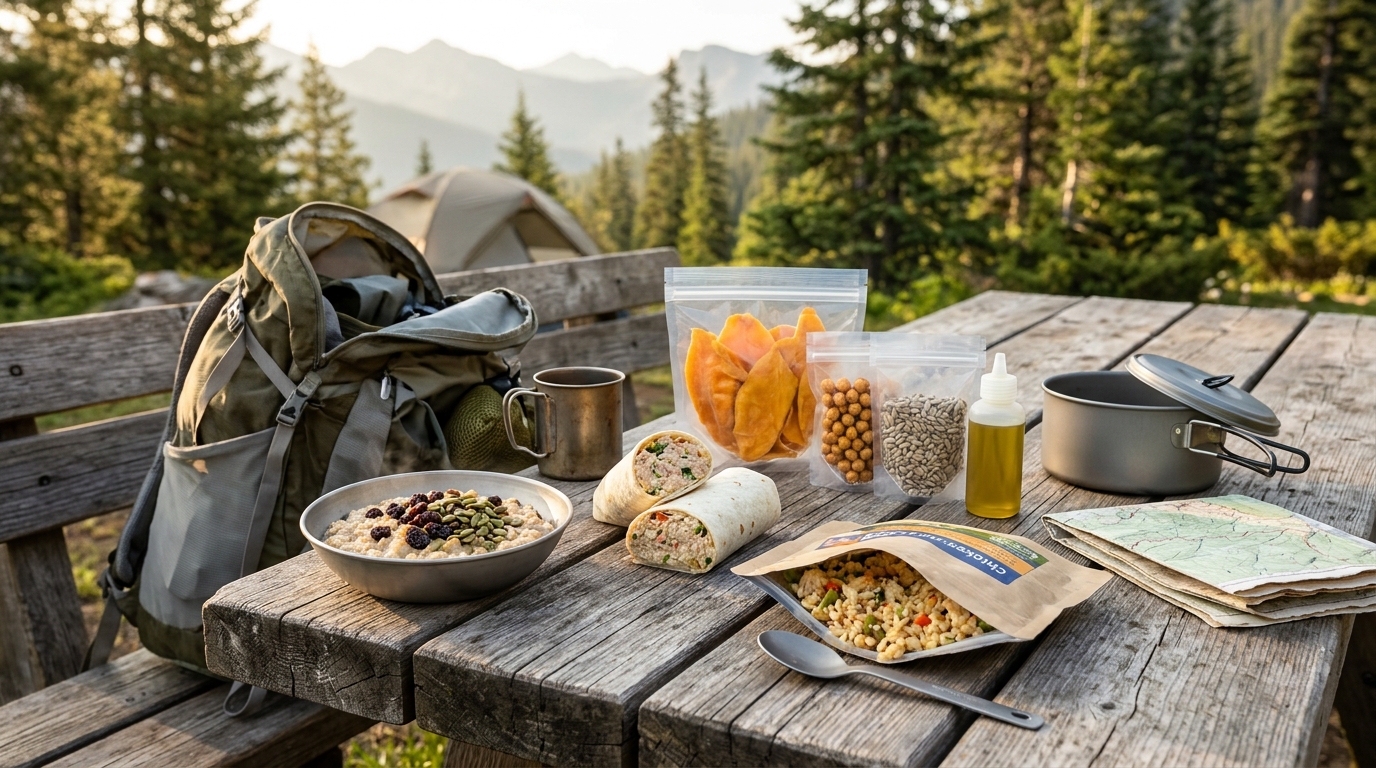
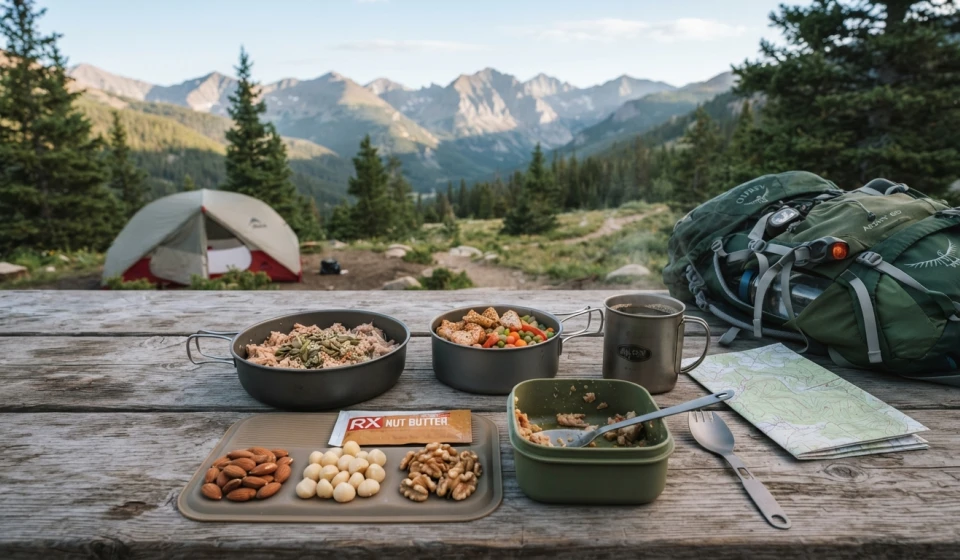
Here is an example of a one-day menu using shelf-stable ingredients.
<text color=”secondary” size=”xs” weight=”medium”>SAMPLE MENU · ONE HIKER · ONE DAY</text>
🌅 Breakfast: Nut and Seed Breakfast Bowl
Ingredients:
- 30 g almonds
- 20 g chia seeds
- 2 tablespoons unsweetened coconut flakes
- 1 serving unsweetened protein powder
- Water as needed
Preparation:
Combine the dry ingredients in a lightweight food container. Add water when ready to eat and allow the chia seeds to absorb moisture.
This breakfast provides protein, fats, and fiber without relying on traditional oatmeal.
☀️ Lunch: Tuna and Olive Oil Trail Meal
Ingredients:
- 1 tuna pouch
- 1 tablespoon olive oil
- 30 g pumpkin seeds
- A small portion of dehydrated vegetables
- Seasoning packet
Preparation:
Rehydrate the vegetables if desired. Mix the tuna with olive oil and seasoning, then add the pumpkin seeds.
This meal requires minimal preparation and provides protein and concentrated energy.
🌄 Dinner: Chicken and Coconut Vegetable Bowl
Ingredients:
- 1 shelf-stable chicken pouch
- 20 g coconut milk powder
- 20 g dehydrated zucchini or mushrooms
- 1 tablespoon olive oil
- Seasonings
Preparation:
Add hot water to the dehydrated vegetables and allow them to soften according to their preparation requirements.
Mix in the coconut milk powder and seasonings. Add the chicken and olive oil.
This creates a warm, savory meal without relying on instant rice or pasta.
🥜 Trail Snacks
Pack a combination of:
- 30 g macadamia nuts
- 1 peanut butter packet
- 1 serving of low-sugar beef jerky
- A small portion of walnuts
Eat snacks throughout the day according to your appetite and activity level.
Important: This is a menu framework, not a complete calorie prescription. Its portions may not provide enough energy for a long or strenuous hiking day. Increase portions or add suitable foods according to your individual energy requirements.
5. Understand the Energy Demands of Strenuous Hiking
This is where low-carb backpacking requires extra planning.
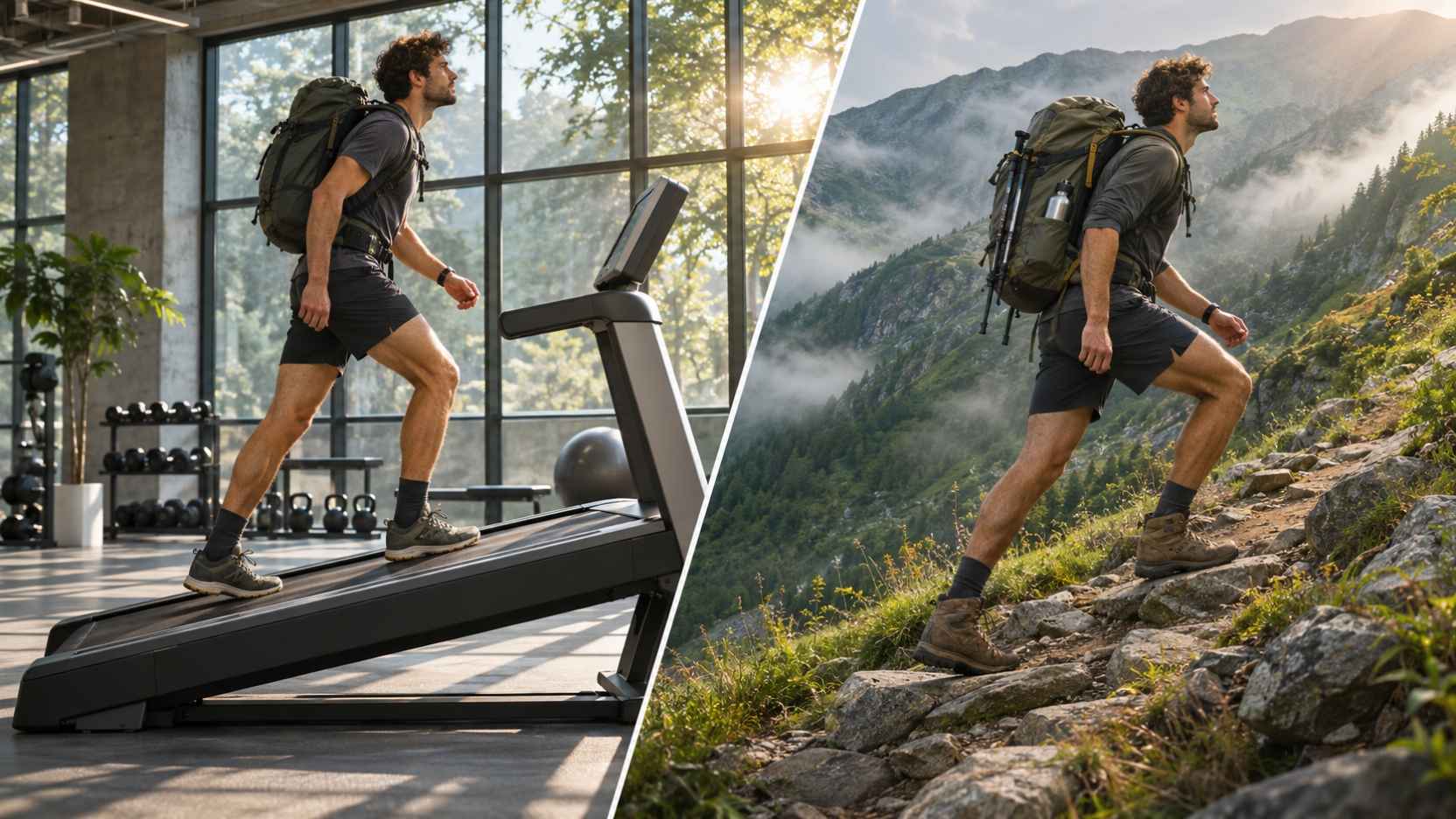
Walking several miles with a loaded backpack requires considerably more energy than ordinary daily activity.
Your actual calorie needs depend on:
- Body size and composition.
- Distance and elevation gain.
- Backpack weight.
- Hiking speed.
- Weather conditions.
- Terrain difficulty.
- Individual metabolism and fitness.
Fat is an important energy source, particularly during lower-intensity activity. However, carbohydrates also play an important role in supporting moderate-to-high-intensity exercise.
During steep climbs, fast hiking, and demanding sections of a trail, your muscles rely more heavily on carbohydrate availability.
Some people adapt to lower-carbohydrate eating patterns, but adaptation does not mean carbohydrates become unnecessary or that performance will always remain unchanged.
Consider these practical guidelines:
Do not cut calories just to cut carbohydrates. A low-carb menu that provides insufficient energy can leave you struggling during a long hiking day.
Maintain adequate protein. Protein supports muscle repair and recovery. Include meaningful portions throughout the day.
Adjust your carbohydrate intake when necessary. You can maintain a generally lower-carbohydrate menu while including additional carbohydrates for particularly demanding sections.
Test your food before your trip. Try your planned meals during training hikes instead of discovering that they upset your stomach or leave you hungry on the trail.
6. Plan Around Water Requirements
Water is an important part of backpacking food planning.
Some low-carb ingredients are convenient because they can be eaten without preparation. Others require substantial water.
For example:
| Food | Preparation requirement |
|---|---|
| Nuts and seeds | Ready to eat |
| Nut butter | Ready to eat |
| Tuna pouch | Ready to eat |
| Olive oil | Ready to eat |
| Protein powder | Requires mixing |
| Chia seeds | Requires soaking |
| Dehydrated vegetables | Requires rehydration |
| Coconut milk powder | Requires mixing |
If your route has limited water sources, meals requiring substantial rehydration may be less practical.
Plan your water supply around drinking, cooking, and food preparation separately.
Never assume that a water source will be available simply because it appears on an old trail map. Check current conditions and carry appropriate water treatment equipment.
7. Do Not Forget Electrolytes and Hydration
Low-carb eating can change how your body handles water and sodium, particularly during the initial adjustment period.
Backpacking adds another challenge because prolonged sweating increases fluid and electrolyte losses.
Consider the following:
- Drink according to your activity, thirst, and environmental conditions.
- Carry sufficient water for the route and expected conditions.
- Include appropriate sodium sources, particularly when sweating heavily.
- Consider electrolyte products when useful, following their directions.
- Avoid excessive water consumption without considering electrolyte balance.
Potassium and magnesium also contribute to normal muscle and nerve function.
Nuts, seeds, and selected dehydrated vegetables can contribute these minerals, although their amounts vary.
Avoid assuming that everyone needs the same electrolyte supplement or sodium intake.
8. Keep Food Weight and Packaging Under Control
Low-carb foods can be calorie-dense, but packaging can add unnecessary weight.
A few simple strategies can make your food supply more efficient.
Use lightweight packaging. Transfer appropriate dry foods into resealable food-grade bags.
Keep oils separate. Small leak-resistant containers are better than carrying a large bottle.
Choose individual protein portions. Tuna and chicken pouches make portioning easier, although their packaging can be heavier than dehydrated alternatives.
Remove unnecessary outer packaging. Keep essential preparation and food-safety instructions where needed.
Measure portions before leaving. This prevents accidentally carrying too much food or running short.
Remember that food volume matters, too. A bulky bag of nuts may be calorie-dense but still occupy considerable backpack space.
9. Avoid Common Low-Carb Backpacking Mistakes
Even a carefully planned menu can fail if practical trail conditions are overlooked.
Watch out for these mistakes:
- Packing too little food: Low-carbohydrate does not mean low-calorie.
- Relying entirely on nuts: Nuts are useful but do not provide a complete range of nutrients.
- Ignoring protein: Include sufficient protein rather than depending only on fat.
- Forgetting food safety: Perishable products need appropriate temperature control.
- Using too many dehydrated foods: Rehydration requires additional water and preparation.
- Trying a new diet on a major trip: Test your eating pattern during shorter training hikes first.
- Ignoring food preferences: A menu you dislike is unlikely to be enjoyable after several hours of hiking.
For trips lasting multiple days, variety matters. Rotate protein sources, seasonings, textures, and snack options to avoid food fatigue.
10. Make Your Low-Carb Menu Flexible
The best backpacking menu is one that supports your actual hiking needs rather than following rigid dietary rules.
You might prefer fewer carbohydrates during breakfast and lunch but include a carbohydrate-containing snack during a demanding climb.
You could also use a flexible approach on longer trips, adjusting food portions based on elevation, mileage, weather, and appetite.
For example:
- Easier hiking day: More emphasis on your preferred nuts, proteins, and fats.
- Long climbing day: Consider additional easily digested carbohydrates if needed.
- Cold-weather day: Include warm meals and sufficient total energy.
- Hot-weather day: Prioritize hydration, appropriate electrolytes, and foods that remain safe in warmer conditions.
A lower-carbohydrate approach should make your trip more enjoyable, not turn every meal into a nutritional restriction exercise.
❤️ Final Thoughts
Building a low-carb backpacking menu is possible without depending on traditional pasta, rice, and oatmeal meals.
Nuts, seeds, olive oil, nut butters, shelf-stable protein, and dehydrated vegetables offer practical alternatives for hikers who prefer fewer carbohydrates.
But remember that backpacking nutrition is about more than carbohydrate limits. Your body needs enough total energy, protein, fluids, and electrolytes to handle the physical demands of the trail.
Start with foods you already enjoy, calculate realistic portions, test your meals before departure, and adjust your menu according to the difficulty of your hike.
The best trail diet is not necessarily the one with the fewest carbohydrates. It is the one that keeps you adequately fueled, comfortable, and ready for the miles ahead. 🥾