Cold Soaking on a Thru-Hike: A Long-Distance Perspective
The Fuel Gamble: Why Thru-Hikers Are Ditching the Stove
Every long-distance hiker knows the frustration. You’re three days from your next resupply, staring at a half-empty fuel canister, and the math refuses to work. Boil water for dinner? Or save the last wisps of gas for morning coffee? This weekly guessing game—combined with the weight of a stove, pot, and fuel—has pushed a quiet revolution on America’s long trails. The answer, for a growing number of thru-hikers, is cold soaking: rehydrating meals without any heat at all. It’s not just a hack; it’s a strategic shift in how you manage resources, nutrition, and mental endurance over months of walking.
Why Cold Soaking Eliminates the Fuel Canister Cat-and-Mouse Game
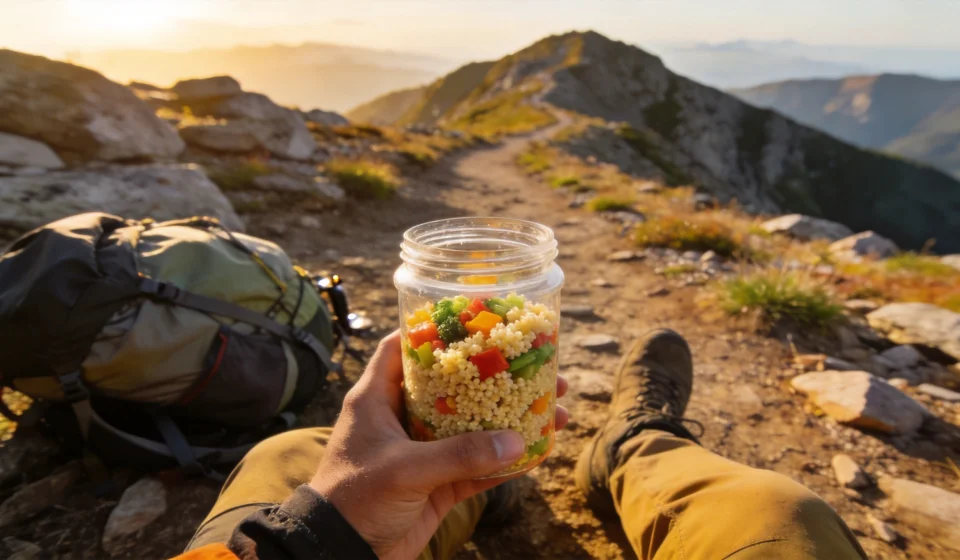
On a traditional setup, your fuel supply is a constant source of anxiety. You buy canisters at trail towns, never quite sure how many meals they’ll actually cook. Altitude, wind, and water temperature all drain your fuel faster than the label promises. One bad canister estimate can leave you eating cold ramen—or worse, running out before the next town. Cold soaking sidesteps this entirely. No canisters, no stove, no pot. Your only “kit” is a lightweight jar or a reusable plastic container (like a Talenti gelato jar or a Vargo Bot). You add cold water, seal it, and wait 20–30 minutes. That’s it.
The practical payoff is immediate:
- Zero fuel weight. Your base weight drops by roughly 8–12 ounces, which over 2,000 miles translates to thousands of saved calories of energy expenditure.
- No resupply scavenging. You never need to hunt for canisters in small-town gas stations or overpriced outfitters. Your resupply boxes become simpler—just food, no hardware.
- Predictable calorie input. Every package of instant mashed potatoes, couscous, or refried beans rehydrates the same way, every time, no gas required.
“I used to carry a stove just for the comfort of hot coffee. But when I realized I was spending $8 on a tiny canister that might last five days—and then having to ration it—I tossed the whole setup in a hiker box. My pack got lighter, my resupply stops got faster, and I never worried about running out of fuel again.” — Jen, AT Class of 2022
This isn’t just a convenience upgrade. It’s a logistical simplification that frees up mental bandwidth for what matters: navigation, pace, and enjoying the trail.
Confronting the Monotony of Cold Meals—and Turning It Into an Advantage
Let’s be honest: cold soaking has a reputation for blandness. A trail veteran once told me, “Everything tastes like lukewarm paste after the third week.” But the real challenge isn’t taste—it’s nutritional variety and psychological satiety. When you can’t sauté onions or simmer a sauce, you risk falling into a rut of instant potatoes and peanut butter. The solution lies in smart food design and a willingness to experiment.
Breaking the Monotony: Three Strategies
- Layer textures and temperatures. Mix crunchy toppings (crushed tortilla chips, nuts, or freeze-dried veggies) into your soaked base. The contrast between soft rehydrated food and crisp bits tricks your brain into thinking you’re eating a “real” meal.
- Use bold, shelf-stable flavor packets. Taco seasoning, miso soup packets, curry powder, and even instant gravy mixes transform bland grains into something you actually look forward to. Pro tip: Pre-portion single-serve spice blends into small bags before your trip.
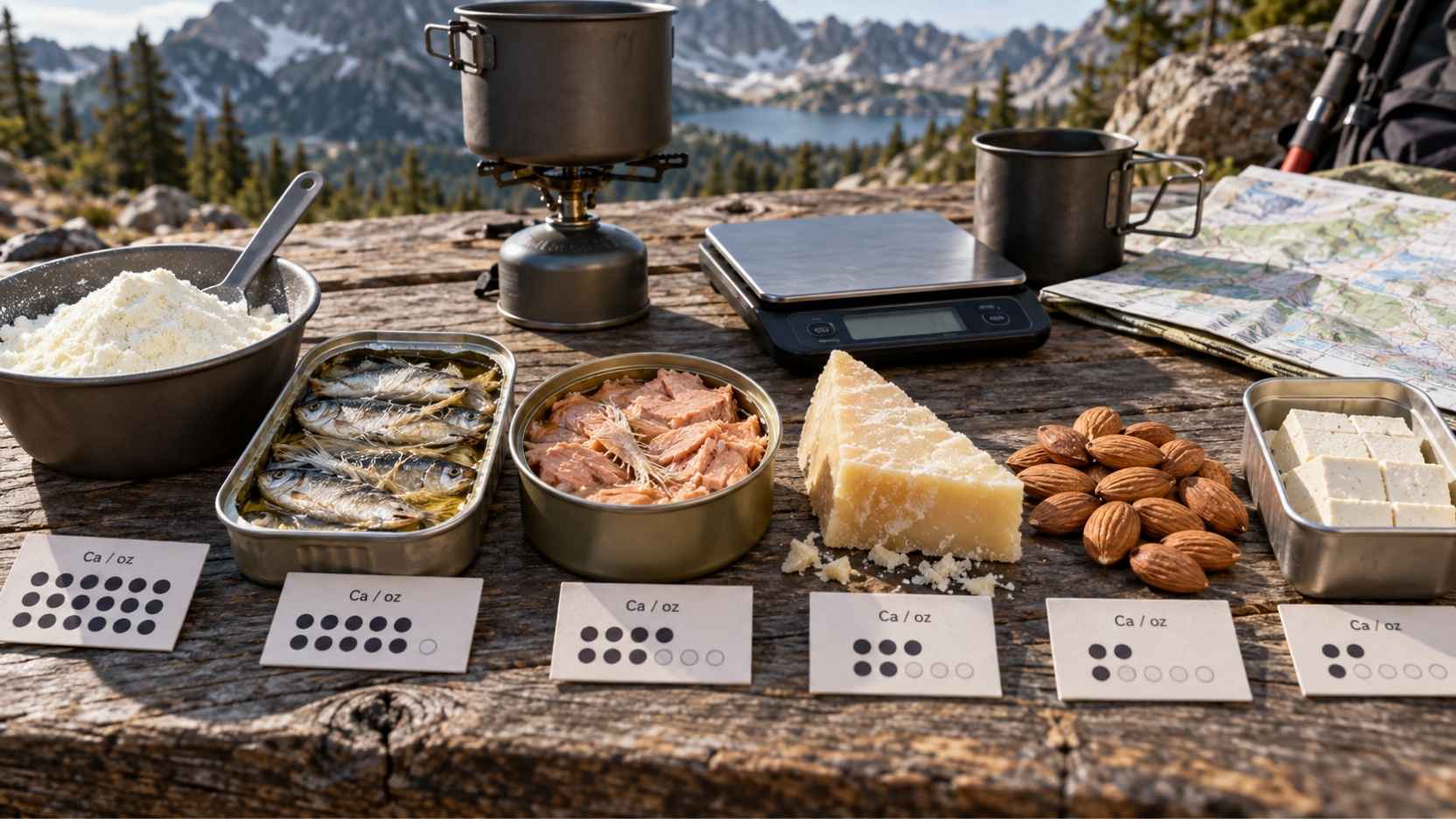
- Incorporate fats and protein efficiently. Cold water doesn’t dissolve hard cheeses or oil well, so rely on powdered peanut butter, olive oil packets, and shelf-stable meats like tuna or chicken pouches. These add heft and slow-digesting energy.
The monotony is real, but so is the payoff. By embracing a limited palette, you train yourself to eat for fuel, not just pleasure. That shift—from seeking comfort in hot food to seeing every meal as a calculated input—is part of the thru-hiker’s mental evolution. And the weight savings mean you can carry more calories per ounce, reducing the total number of resupply stops needed.
Nutrition on the Long Trail: Cold Soaking’s Hidden Advantage
Skeptics argue that cold soaking limits nutrient absorption—that hot water breaks down complex carbohydrates and releases more energy. In reality, the difference is marginal for most hikers. What matters more is total caloric density and micronutrient availability. A cold-soaked meal of instant rice, beans, and powdered coconut milk delivers roughly the same macros as its hot counterpart. The real nutritional risk on a thru-hike is undereating, not undercooking.
Cold soaking pushes you to prioritize calorie-dense, quick-rehydrating foods that are naturally shelf-stable and lightweight. Consider this comparison of two typical dinner options on the Pacific Crest Trail:
| Meal Type | Weight (dry) | Calories | Rehydration Time | Fuel Needed |
|---|---|---|---|---|
| Hot ramen + dehydrated veggies | 5 oz | 450 | 5 min | ~1 oz gas |
| Cold-soaked couscous + tuna + olive oil | 6 oz | 620 | 20 min | 0 |
The cold-soaked option provides 38% more calories in roughly the same weight, with zero fuel overhead. Over a week, that difference adds up to an extra dinner’s worth of energy without any extra pack weight. And because you’re not waiting for water to boil, you can soak your meal while you walk, then eat it at a camp without delay—a small but meaningful time saver when daylight is short.
Going Stoveless: Real Thru-Hiker Stories and Lessons Learned
I’ve walked over 4,000 miles on three different long trails, and I made the switch to cold soaking on the Colorado Trail. My first week was miserable. I missed the ritual of my morning coffee and the familiar warmth of a hot dinner after a long day. But by week two, something clicked. I stopped associating food with comfort and started seeing it as a tool. I started to pay attention to my body’s actual hunger signals instead of eating out of habit. My morning routine shrank from 20 minutes to 5: fill the jar, add water, drink while walking.
Other hikers report similar transformations. On the Arizona Trail, a hiker known as “Dirtbag” carried only a jar for 800 miles. He told me, “I used to carry a stove just because everyone said you needed one. But when I finally ditched it, I realized how much of my daily energy was going into the gear itself—buying fuel, cooking, cleaning. Cold soaking let me focus on the walking.” Another hiker, “Poppy,” cold-soaked her entire Pacific Crest Trail hike in 2023. She credits the practice with saving her from a blister-prone foot condition: “I didn’t have to carry heavy fuel canisters that shifted my pack balance. My feet thanked me.”
Of course, going stoveless isn’t for everyone. If you hike in subfreezing temperatures, hot drinks can be a survival necessity. But for the vast majority of three-season long-distance hiking, cold soaking is a viable—even superior—option. The key is to test it on a short trip first. Try a weekend backpack with only cold food. Notice how your body responds, how your pack feels lighter, and how much simpler your meal breaks become.
Practical Steps to Transition to Cold Soaking
- Choose your container. A wide-mouth 32 oz Nalgene (heavy but durable) or a Talenti jar (ultralight, free). The lid must seal tightly to prevent leaks in your pack.
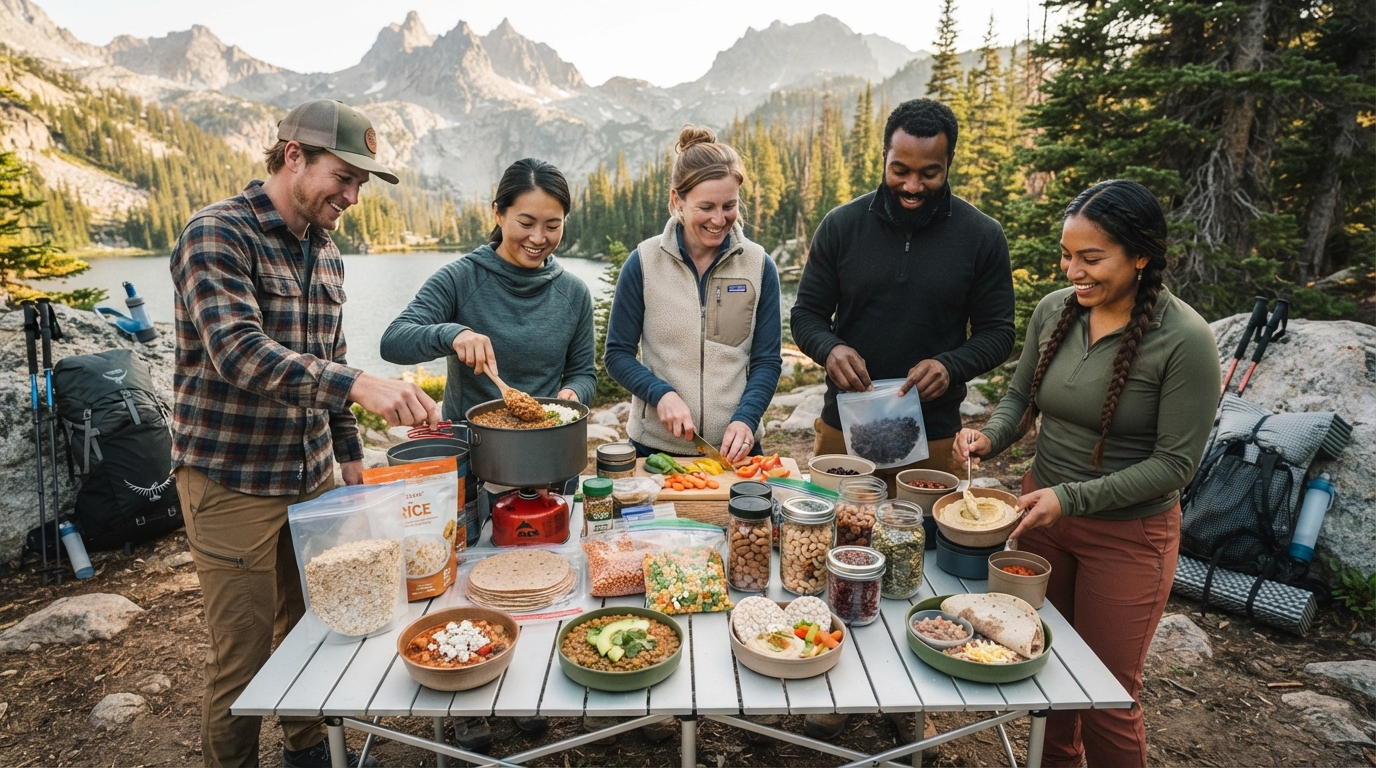
- Build a dry-food starter kit: Instant couscous, minute rice, instant mashed potatoes, dehydrated bean flakes, couscous, and instant oatmeal. Each rehydrates in cold water within 20–30 minutes if you stir once halfway.
- Add flavor and fat: Pack single-serve olive oil packets, powdered peanut butter, and small bags of spice blends. Avoid cheese or chocolate that melts or spoils.
- Pre-soak during the day. If you want a hot-ish meal without fuel, leave your jar in direct sunlight or against your body. Solar warming works, though it never gets truly hot. But after a week, you won’t care—you’ll just be happy to eat.
- Hydrate smart. Cold soaking uses water that you can drink (if clean), so plan your water carries around meal times. On dry sections, you might prefer hot cooking to conserve water, but in most trail conditions, cold water is abundant.
One final note: Don’t be dogmatic. Many thru-hikers keep a tiny stove and one fuel canister for occasional hot treats (coffee, hot chocolate) while cold-soaking main meals. That hybrid approach gives you the logistical benefits of reduced fuel dependence without total sacrifice. The goal isn’t purity—it’s making the trail easier and lighter.
Conclusion: The Simpler Path Forward
Cold soaking isn’t a deprivation tactic; it’s a smart resource management tool for anyone walking more than a week without constant resupply. It eliminates fuel guesswork, slashes weight, and forces you to rethink your relationship with food—often for the better. Whether you go fully stoveless or just reduce your fuel usage, the perspective gained from long-distance hiking suggests that heat is a luxury, not a necessity. And sometimes, the lightest gear you can carry is a willingness to adapt.