The Best High-Calorie Cold-Soak Meals for Thru-Hikes
When you’re grinding out 25-mile days on the Pacific Crest Trail or the Appalachian Trail, every ounce in your pack matters. Stoves, fuel canisters, and cook pots add weight that could be better spent on extra food or a lighter shelter. Enter cold-soaking: a no-cook method that transforms dehydrated meals into trail-ready fuel using nothing more than cold water and patience. But not all cold-soak meals are created equal. For thru-hikes, you need high-calorie density (135+ cal/oz), balanced nutrition, and ingredients you can actually find in a small-town grocery store. This guide dives deep into the best high-calorie cold-soak meals, the science behind staying fueled on long trips, and how to resupply without losing your mind.
Why Cold-Soaking Wins on the Trail
Cold-soaking is more than a gimmick—it’s a strategic choice. By ditching the stove, you save roughly 8–12 ounces in pot, burner, and fuel weight. Over a 2,650-mile PCT hike, that translates to less strain on your knees and more energy for climbing. Plus, no cooking means no waiting for water to boil, no cleaning soot from your pot, and no spilled fuel. The trade-off? You need meals that rehydrate well in cool water and pack a caloric punch. Many backpackers shy away from cold-soaking because they think it means bland, mushy food. But with the right combos, you can enjoy creamy mashed potatoes, savory ramen bombs, even hearty bean wraps—all without a flame.
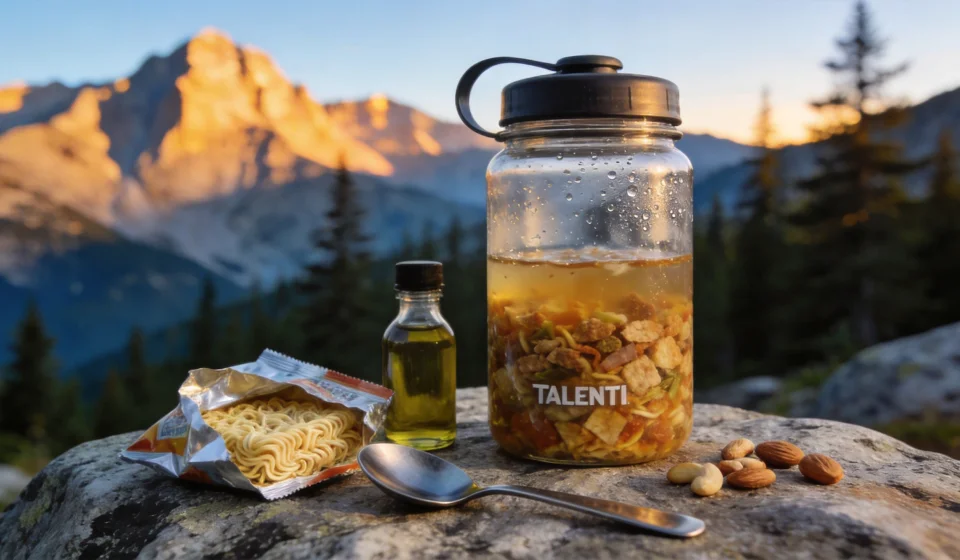
“I cold-soaked the entire PCT in 2022 and never felt underfed. The trick is to load up on fats and use the right packaging—a simple Talenti jar works better than any fancy cold-soaker.” – Sarah “Lightning” K., PCT thru-hiker
The Calorie Density Imperative: Why 135+ cal/oz
On a thru-hike, you burn 4,000 to 6,000 calories daily. Carrying enough food to meet that demand is a logistics puzzle. If your meals average only 100 cal/oz, you’d need 3.5 pounds of food per day—massive and heavy. At 135 cal/oz, that drops to under 2.5 pounds. The secret is fat. Fat provides 9 calories per gram, more than double the 4 cal/gram from carbs or protein. So the best cold-soak meals lean heavily on oils, nut butters, full-fat dairy powders, and fatty meats. But beware: too much fat without enough fiber can cause GI distress. Balance is key.
Nutritional considerations for extended trips go beyond calories. You need electrolytes (sodium, potassium, magnesium) to prevent cramps and hyponatremia. Micronutrients like vitamin C (to avoid scurvy—yes, it happens on long hikes) and iron (to stave off anemia) are often overlooked. Many cold-soak meals are salt-heavy but low in other nutrients. That’s why targeted resupply and supplementation (like a daily multivitamin or electrolyte mix) become essential.
Top High-Calorie Cold-Soak Meals (135+ cal/oz)
Here are the heavy hitters—proven on the AT, PCT, and CDT. Each meal meets the cal/oz threshold and can be prepared with just cold water. The key is to add a high-fat ingredient like olive oil, coconut oil, or peanut butter powder.
| Meal Name | Cal/oz | Main Ingredients | Pros | Cons |
|---|---|---|---|---|
| Knorr Rice Sides + Tuna + Olive Oil | 145 | Knorr rice pouch, tuna packet, 2 tbsp olive oil | Super easy, high protein, widely available | Can be salty; need to repackage to save weight |
| Idahoan Mashed Potatoes + Bacon Bits + Butter Powder | 150 | Idahoan instant potatoes, bacon bits, butter powder | Comfort food, quick soak (10 min), high fat | Low protein; add powdered milk or soy protein for balance |
| Ramen Bomb with Peanut Butter and Chili | 155 | Ramen (discard seasoning), PB powder, chili flakes, oil | Extremely high cal, customizable, cheap | High sodium; need to add veggies (dried) for micronutrients |
| Skurka’s Beans + Rice + Fritos + Sour Cream Powder | 165 | Instant refried beans, instant rice, Fritos, sour cream powder | Complete protein, great texture, high crunch | Fritos crush easily; requires multiple ingredients |
| Couscous + Dried Veggies + Sunflower Seeds + Oil | 140 | Quick-cook couscous, dried mixed veg, sunflower seeds, oil | Lightweight, rehydrates in 5 min, good fiber | Bland without strong seasoning; add Taco or Italian seasoning |
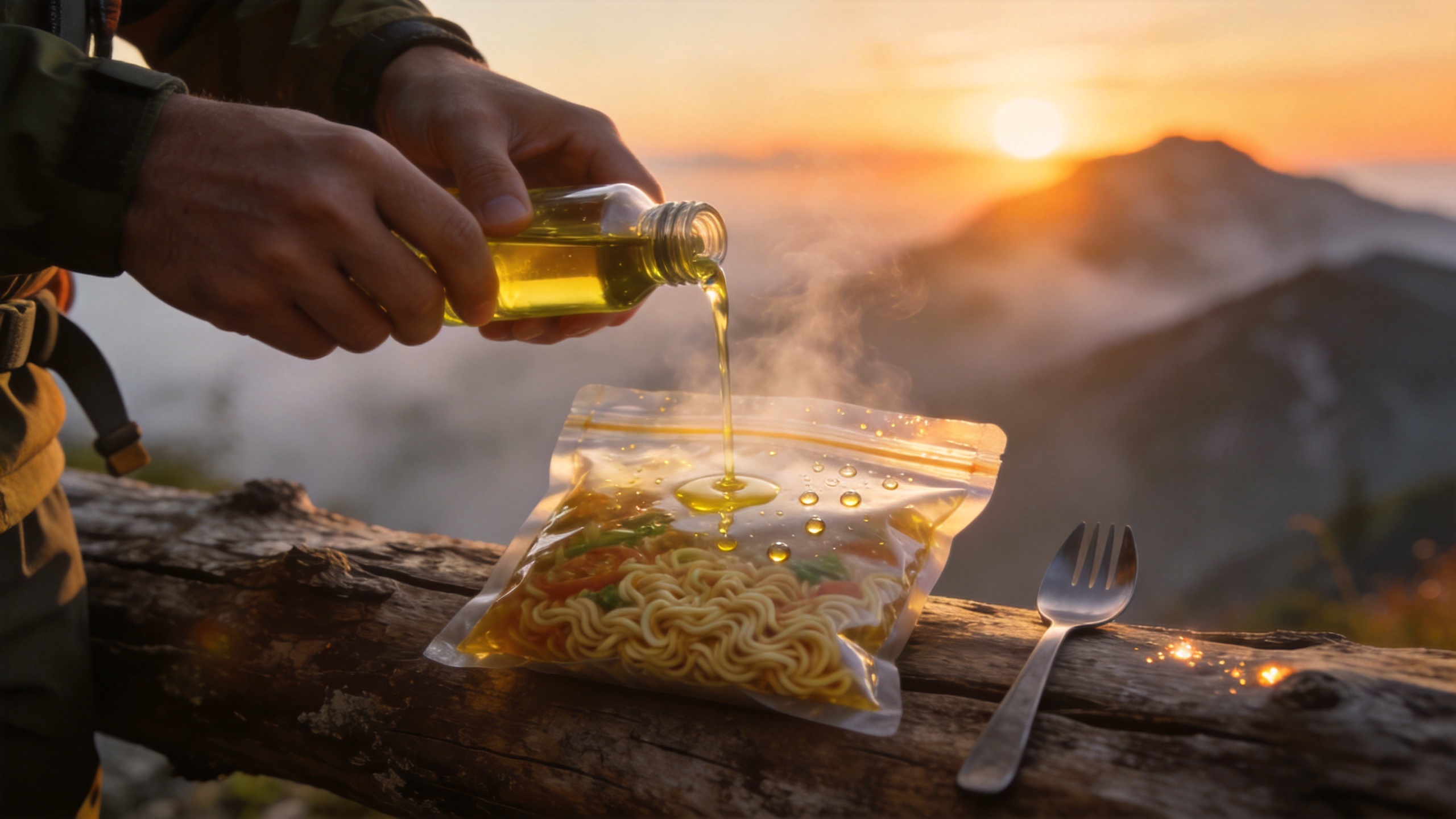
Each of these meals can be easily modified. For example, the Ramen Bomb can be upgraded with freeze-dried chicken or a packet of shelf-stable cheese sauce. The key is to always carry a small bottle of extra-virgin olive oil—it’s the easiest way to boost calories without changing the taste profile significantly.
Nutritional Pitfalls and How to Avoid Them
Even with high calorie density, it’s possible to feel run-down on a cold-soak diet. Three common issues:
- Too little protein (under 60g/day) leads to muscle wasting. Add powdered milk, soy protein isolate, or shelf-stable meat packets (tuna, chicken, salmon) to at least one meal per day.
- Electrolyte imbalance from high-sodium meals and insufficient potassium. Use electrolyte tablets (like Nuun or Skratch) in your water, and include dried apricots, potatoes, or coconut powder.
- Vitamin C deficiency after weeks with no fresh produce. Pack a small container of powdered vitamin C or use freeze-dried fruit (mango, berries) to sprinkle on breakfast.
Another overlooked factor is digestibility. Cold-soaking doesn’t break down starches as thoroughly as heat, so some people experience bloating. Soaking for longer (30–60 minutes) helps, and adding a pinch of baking soda to bean-based meals can soften them. Listen to your body and swap out meals if needed.
Resupply Strategies: Where to Buy and How to Mail
One of the biggest challenges of cold-soaking is finding the right ingredients in small trail towns. Here’s a practical guide based on PCT and AT resupply points:
- Major grocery chains (Safeway, Albertsons, Walmart) – You can find Knorr sides, Idahoan potatoes, instant beans, ramen, oil, and tuna. Look for the “ethnic foods” aisle for couscous and dried lentils.
- Dollar stores (Dollar General, Family Dollar) – Great for cheap ramen, peanut butter, and instant rice. But quality varies—avoid no-name instant potatoes that are mostly starch.
- Health food stores / co-ops (e.g., in Stehekin, WA or Damascus, VA) – Better for bulk nuts, seeds, powdered milk, and olive oil in small containers. They often carry electrolyte mixes.
- Mail drops from home – Best for custom mixes (like your own Skurka beans blend) and hard-to-find items like freeze-dried veggies or collagen powder. Use flat-rate USPS boxes.
Pro tip: On the AT, many hostels and outfitters sell “hiker food boxes” that include cold-soak staples. On the PCT, resupply in towns like Big Bear or Bishop offers ample options. Always call ahead—some small stores have limited inventory at the end of the season.
DIY Cold-Soak Meal Mixes: The Ultimate Resupply Hack
Why rely on pre-packaged meals when you can create your own? Mix 2–3 base ingredients (rice, beans, pasta) with a fat source (powdered butter, coconut cream powder) and a flavor packet (taco seasoning, curry powder). Carry them in Ziploc freezer bags. On trail, add water, seal tight, and wait 20–30 minutes. Example: High-Energy Curry Couscous: 1 cup quick couscous + 2 tbsp coconut cream powder + 1 tbsp curry powder + ¼ cup dried cranberries + 2 tbsp olive oil (added after soak). That’s ~600 calories at 160 cal/oz. Make a week’s worth in 10 minutes.
Another resupply-friendly option is to use instant hummus mix (just add water and oil). Spread it on tortillas with hot sauce for a cold wrap with 140 cal/oz. Instant hummus is available in many grocery stores in the bulk or foreign foods section.
Pro Tips for Perfect Cold-Soak Results
- Use wide-mouth jars – Talenti gelato jars or reusable peanut butter jars are ideal. They seal tight, are easy to clean, and don’t break like silicone.
- Pre-grind hard ingredients – Before your hike, crush ramen, pulse nuts in a blender, or grind chia seeds. Smaller pieces rehydrate faster in cold water.
- Add oil last – Stir in olive or avocado oil after the meal has soaked. This prevents the oil from coating the dry ingredients and slowing water absorption.
- Carry a spoon made of titanium – It’s lightweight and won’t break. Avoid wooden spoons; they absorb odors and can crack.
- Don’t forget dessert – Powdered coconut milk + instant pudding mix + a handful of dried fruit makes a 160 cal/oz pudding. Just cold-soak for 15 minutes.
One game-changing trick: carry a small sachet of MSG or nutritional yeast. They add umami and make bland cold-soak meals taste surprisingly savory. Many thru-hikers swear by them.
Conclusion
Cold-soaking isn’t a compromise—it’s a deliberate choice that can lighten your pack, simplify your days, and still deliver the 135+ cal/oz needed to crush big miles. The meals above, combined with smart resupply strategies and a focus on micronutrients, will keep your body running strong from Mexico to Canada or Springer to Katahdin. Experiment with combinations before your hike, build a few go-to recipes, and embrace the simplicity. Your knees—and your stove-less pack—will thank you.