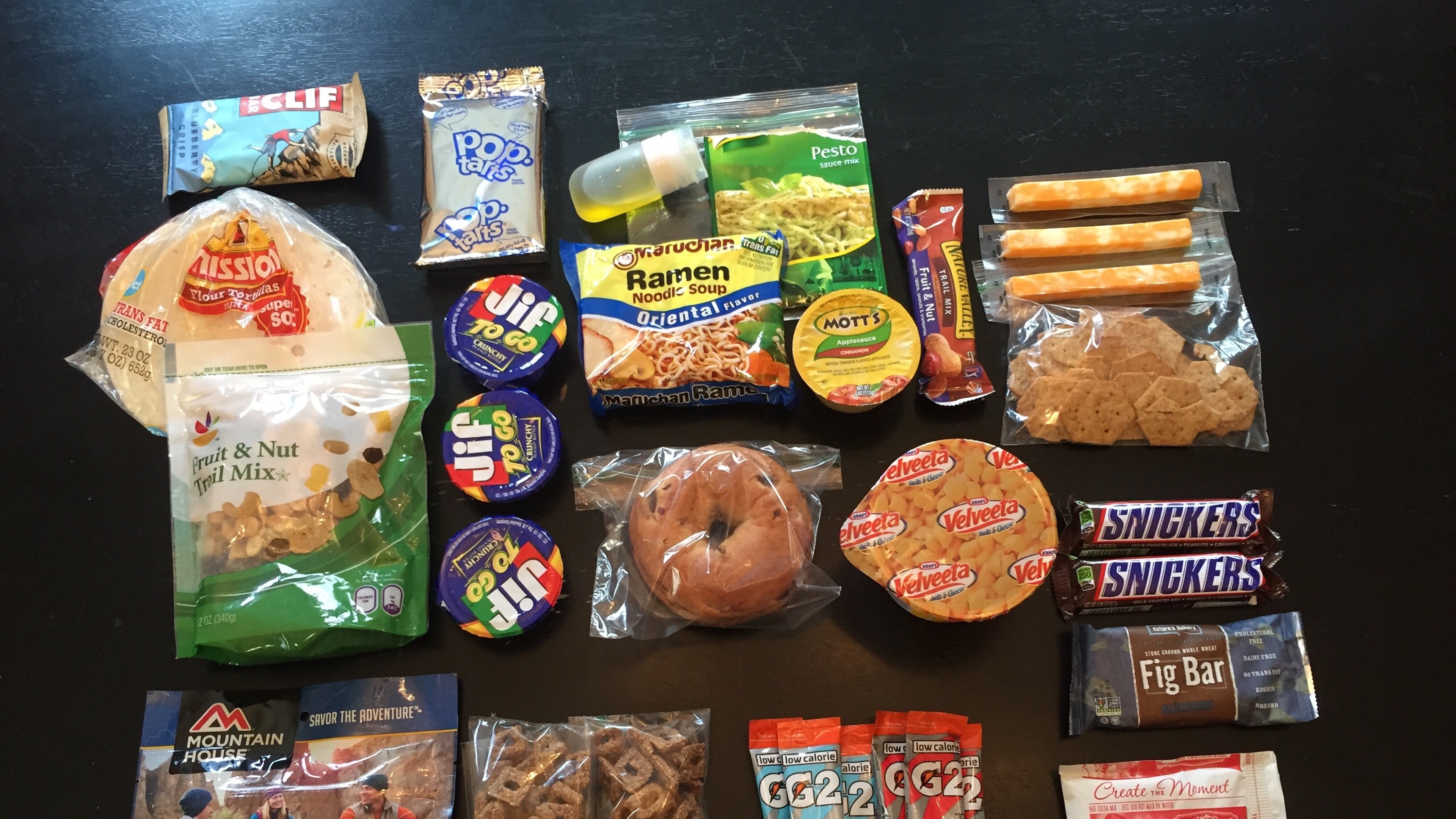
Hard vs. Soft Cheese: How Long Is It Safe to Leave Cheese Unrefrigerated?
Cheese is a favorite travel and snack food because it is versatile, filling, and available in hundreds of varieties. But if you are planning a picnic, road trip, camping adventure, or backpacking trip, you may wonder whether cheese can survive outside the refrigerator.
The short answer is: it depends on the cheese.
Hard and aged cheeses generally have characteristics that make them less vulnerable to bacterial growth than soft, fresh cheeses. However, refrigeration requirements still matter, and temperature and time can significantly affect food safety.
Understanding the differences can help you decide which cheese belongs in a cooler, which varieties may be practical for short trips, and when an unrefrigerated cheese should no longer be considered worth the risk.
Hard Cheese vs. Soft Cheese
The most useful starting point is understanding what makes these categories different.
Hard cheeses generally have lower moisture content and are often aged for longer periods. Examples include aged cheddar, Parmesan, Pecorino, and Manchego.
Soft cheeses generally contain more moisture and may have shorter aging periods or no aging at all. Examples include Brie, Camembert, cream cheese, ricotta, cottage cheese, and fresh mozzarella.
Moisture is important because microorganisms generally need available water and nutrients to multiply.
That is one reason dry, aged cheese can be more resistant to spoilage than fresh, high-moisture cheese.
How Long Is “Too Long”?
There is no universal expiration clock for every type of cheese.
For many refrigerated perishable foods, food-safety guidance recommends limiting time in the temperature danger zone. The commonly referenced range is 40°F to 140°F (4°C to 60°C).
A widely used guideline is the two-hour rule for perishable foods at room temperature. If the surrounding temperature exceeds 90°F, the recommended limit is generally reduced to one hour.
These guidelines are designed to reduce the opportunity for harmful bacteria to multiply.
However, cheese varieties differ considerably. A piece of aged Parmesan should not be treated exactly like an opened container of cream cheese.
Why Hard Cheese Can Be More Forgiving
Hard cheese undergoes several processes that can make it less hospitable to microbial growth.
Aging reduces moisture. Salt can also inhibit the growth of some microorganisms, while fermentation and acidity contribute to the cheese’s overall characteristics.
Parmesan, for example, is substantially different from fresh mozzarella in both texture and moisture.
This helps explain why hard cheeses have historically been used as travel foods.
But modern food safety still requires common sense. A hard cheese left in a hot car for hours is not automatically safe just because it is firm.
The environment matters.
Soft Cheese Has a Smaller Margin for Error
Soft cheeses generally have higher moisture content, making temperature control more important.
Cream cheese is a good example.
A sealed package of cream cheese should normally remain refrigerated according to its storage instructions. Once opened, it can also be exposed to contamination from utensils and handling.
Ricotta, cottage cheese, fresh mozzarella, and many soft goat cheeses similarly require careful refrigeration.
These cheeses are generally not ideal for long hikes where there is no reliable way to keep food cold.
What Happens When Cheese Warms Up?
When cheese warms, several things happen.
First, texture and flavor can change. Many cheeses are intentionally served at cool room temperature because their aromas and flavors become more noticeable.
Second, microorganisms may have better conditions for growth as the temperature rises.
This is where food safety and culinary practice need to be separated.
A restaurant may take a cheese out of refrigeration shortly before serving it. That does not mean the same cheese can safely remain on a table all afternoon.
Serving temperature and storage temperature are not the same thing.
Cheese on a Picnic
Picnics create a common situation where cheese may sit outside refrigeration.
If you are bringing soft cheese, cream cheese, fresh mozzarella, or another refrigerated variety, use a cooler with sufficient ice or cold packs.
Keep the container closed as much as possible.
Avoid leaving the cheese in direct sunlight. On hot days, a cooler sitting in the sun can warm rapidly.
For a short outdoor meal, planning portions can also help. Instead of putting the entire supply of cheese on the table, keep most of it chilled and bring out only what you expect people to eat soon.
Cheese on a Road Trip
Road trips present another challenge: the temperature inside a vehicle can become extremely high.
A refrigerated cheese should not simply be placed in a shopping bag and left inside a parked car.
An insulated cooler with an adequate cold source is a much better option.
If you stop for several hours, take the cooler with you rather than leaving it inside a hot vehicle.
This is particularly important for soft and fresh cheeses.
Cheese for Backpacking
Backpacking creates a unique food-storage problem because weight, space, and refrigeration all matter.
Hard cheeses can be more practical for some short backpacking trips than soft cheeses, particularly when the cheese is properly packaged and environmental conditions are moderate.
However, backpackers should still pay attention to temperature and duration.
During a hot summer trip, even a firm cheese may become very warm inside a backpack.
An insulated pouch can help reduce temperature changes, but it should not be treated as a refrigerator unless it actually contains an effective cold source.
For multi-day trips without refrigeration, shelf-stable foods are often simpler.
Can You Cut Away Mold?
This is a complicated question because the answer can depend on the type of cheese.
Hard cheeses are relatively dense, so some food-safety guidance permits cutting away mold from certain hard cheeses with an appropriate margin rather than automatically discarding the entire product.
Soft cheeses are different.
Because mold and microorganisms can penetrate more easily through moist, soft foods, simply removing visible mold may not make the remaining product safe.
For soft cheeses with unexpected mold growth, following established food-safety guidance is important rather than treating them like a hard block of aged cheese.
Packaging Matters
Packaging can influence how cheese handles travel.
An unopened package may be protected from environmental contamination. Once opened, the cheese can be exposed to air, moisture, hands, utensils, and other foods.
Wax paper, parchment, plastic wrap, containers, and vacuum packaging can each serve different purposes for cheese quality.
However, packaging does not override temperature requirements.
If the label says “Keep Refrigerated,” assume that refrigeration is necessary unless the manufacturer provides different instructions.
What About Cheese That Smells Fine?
Smell is useful for judging quality, but it is not a reliable food-safety test.
Some spoiled cheeses smell obviously unpleasant. Others may look and smell normal while still containing harmful microorganisms.
This is why decisions should be based on storage history as well as sensory characteristics.
Ask:
- What type of cheese is it?
- Was it supposed to be refrigerated?
- How long has it been unrefrigerated?
- How warm was the environment?
- Was the package opened?
- Was the cheese exposed to contamination?
These questions provide much more useful information than smell alone.
A Simple Cheese-Storage Strategy
For everyday use, a simple system works well.
Hard and aged cheese:
Keep refrigerated according to the product instructions, but recognize that these cheeses generally have greater resistance to spoilage than fresh varieties.
Semi-hard cheese:
Treat it as a refrigerated food and use an insulated container for travel when necessary.
Soft-ripened cheese:
Keep it chilled and limit time at room temperature.
Fresh cheese:
Use reliable refrigeration and avoid carrying it on trips where cold storage is unavailable.
Cream-based cheese products:
Treat them as highly perishable unless the product is specifically labeled shelf-stable.
Final Takeaway
The question “How long does cheese last without refrigeration?” does not have one number that applies to every variety.
The major distinction is between hard, aged cheeses and soft, high-moisture cheeses.
Hard cheeses such as aged Parmesan and cheddar generally have properties that make them more resistant to microbial growth. Soft and fresh cheeses such as cream cheese, ricotta, cottage cheese, and fresh mozzarella require more careful temperature control.
For any cheese that requires refrigeration, the safest approach is to minimize the time it spends in warm conditions. Use a cooler for picnics and road trips, plan carefully for hiking, and follow the storage instructions on the package.
When in doubt, consider the entire storage history rather than relying only on appearance or smell.
A little planning can make cheese a convenient travel food without turning your snack into an unnecessary food-safety gamble.