Fresh Food on a 3-Day Backpacking Trip: What Can Stay Safe and What Cannot
Backpacking food does not have to mean eating only freeze-dried meals and energy bars. Fresh food can make a short trip feel more enjoyable, especially when you are hiking for only two or three days. Fresh fruit, vegetables, cheese, tortillas, sandwiches, and other familiar foods can add variety to a trail menu.
The challenge is food safety.
Unlike a refrigerator at home, a backpack does not provide consistent temperature control. A fresh meal that is safe when packed on the first morning can become a very different food after spending hours in warm conditions.
So, can you bring fresh food backpacking for three days? Sometimes, but the answer depends heavily on the type of food, outdoor temperature, packaging, and whether you have reliable cold storage.
Understanding what happens over those three days can help you build a safer and more practical food plan.
Why Three Days Can Be Challenging
A three-day backpacking trip sounds short compared with a week-long expedition, but it can still be long enough for perishable foods to become problematic.
At home, refrigerated food remains in a controlled environment around 40°F (4°C) or below. Inside a backpack, temperatures can fluctuate throughout the day.
A food item might begin the trip cold, warm gradually during the morning hike, become hotter in the afternoon, cool overnight, and then warm again the next day.
That repeated temperature cycle is important.
Food safety is not determined simply by whether something was refrigerated before you left home. You also need to consider how it was transported and stored afterward.
Day 1: Fresh Food Can Be Practical
The first day is generally the easiest time to use fresh foods.
If you pack a refrigerated food immediately before departure and maintain appropriate cold temperatures, some perishable foods may be reasonable choices for the first day’s meals.
For example, a chilled sandwich or cheese can be practical for a short hike if it is transported in an insulated container with an adequate cold source.
Fresh fruit and many whole vegetables are even easier because they do not necessarily have the same refrigeration requirements as highly perishable foods.
Good first-day options can include:
- Apples
- Oranges
- Carrots
- Whole peppers
- Whole cucumbers
- Firm cheese with appropriate storage
- Fresh bread or tortillas
- A chilled sandwich carried with adequate temperature control
The key is to distinguish between fresh and highly perishable.
An apple is fresh, but it is not comparable to cooked chicken. A whole carrot is fresh, but it does not present the same storage challenge as cream cheese.
Day 1 Afternoon: Heat Becomes Important
As the hiking day progresses, the environment becomes more important.
A backpack exposed to direct sunlight can become significantly warmer than the surrounding air. Food stored near the outside of the pack may also experience more temperature fluctuation.
If you are carrying a perishable food, keep it insulated and protected from direct sunlight.
Do not repeatedly open a cooler or insulated food bag unless necessary. Every opening can allow warm air to enter.
For a hot-weather trip, a food that might be practical in cool spring conditions may be a poor choice.
Day 2: The Risk Changes
By the second day, the situation becomes more complicated.
A perishable food that was packed cold on Day 1 cannot simply be assumed safe on Day 2 because it was originally refrigerated.
If you do not have a reliable way to maintain refrigeration, highly perishable foods should generally not be planned as multi-day backpacking staples.
This is where shelf-stable foods become especially useful.
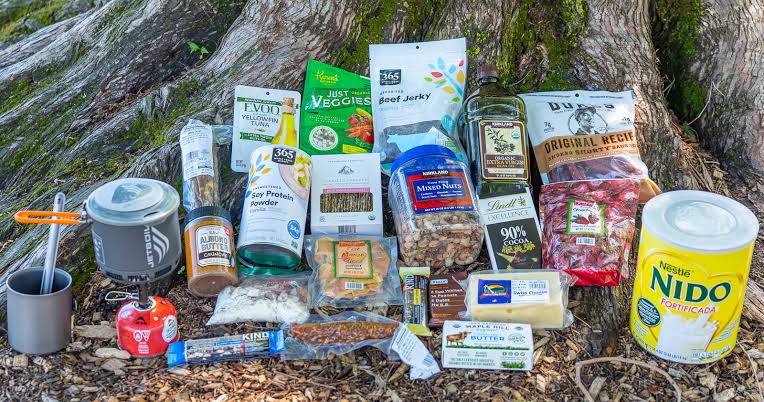
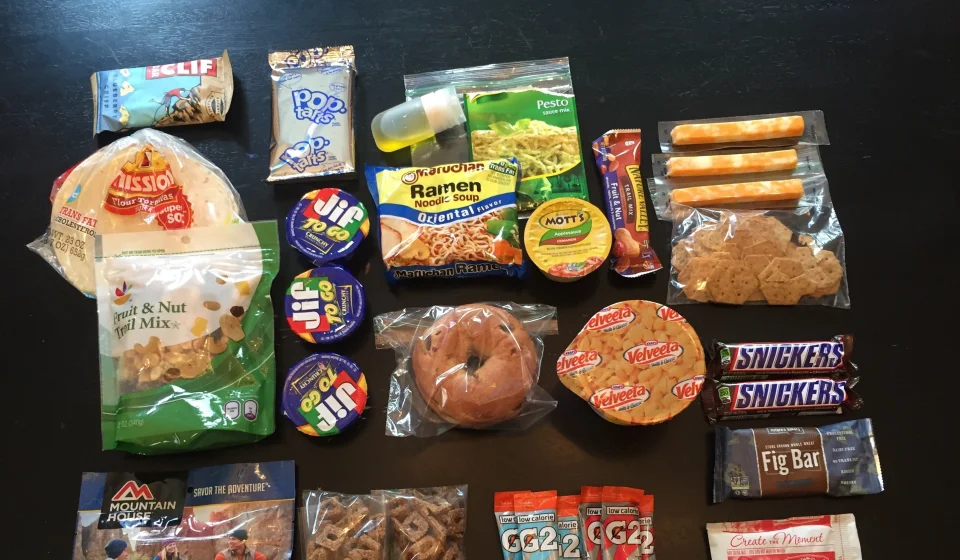
Freeze-dried meals, dehydrated foods, nuts, dried fruit, crackers, tortillas, instant grains, and commercially packaged shelf-stable products can provide calories without requiring a refrigerator.
Fresh produce can still work well, depending on the item.
Whole apples, oranges, carrots, and other relatively durable produce can often travel better than delicate or highly perishable foods.
Day 2: Think About Moisture
Moisture is an important factor in food storage.
Many microorganisms require available moisture to grow. Dry foods are therefore generally easier to carry than wet, perishable foods.
This is one reason backpackers often rely on dehydrated and freeze-dried meals.
Once you add water to a dry product, however, the situation changes.
A sealed freeze-dried meal can be shelf-stable. A rehydrated meal is a moist prepared food and should not simply be left sitting around camp for hours.
Prepare only what you plan to eat whenever possible.
Day 2 Evening: Leftovers Become a Problem
Imagine preparing a large pasta meal on the second night and leaving half of it in the cooking pot until morning.
At home, you might refrigerate the leftovers.
On the trail, you may not have that option.
If you cannot reliably chill the leftovers, it is better to plan portions carefully rather than assuming the food will be safe the next day.
This is one of the most common differences between home cooking and backpacking cooking.
The safest trail meal is often the one you finish when you prepare it.
Day 3: Choose Stability Over Freshness
By the third day, food selection becomes increasingly important.
If you started with several refrigerated foods and carried them without reliable cold storage, the risk may have increased substantially.
Instead, Day 3 meals should ideally come from foods specifically chosen for longer storage without refrigeration.
Examples include:
- Oatmeal
- Instant rice
- Freeze-dried meals
- Dehydrated vegetables
- Trail mix
- Nut butter
- Dried fruit
- Crackers
- Shelf-stable tortillas
- Energy bars
These foods are designed or naturally suited to conditions where refrigeration is unavailable.
What Fresh Foods Work Best?
Not every fresh food needs to be eliminated from backpacking.
The best candidates are generally foods that are relatively durable and do not require refrigeration.
Whole fruit is one of the easiest choices.
Apples are particularly useful because they are durable and compact. Oranges can also travel well. Firm vegetables such as carrots can work for short trips.
Whole foods are often easier to manage than cut produce because cutting increases exposed surface area and can introduce contamination.
However, even durable fresh foods should be protected from crushing, excessive heat, and contamination.
Foods That Need More Caution
Highly perishable foods require much more planning.
These include:
- Raw meat
- Cooked meat
- Poultry
- Seafood
- Eggs
- Fresh dairy products
- Soft cheeses
- Cream-based foods
- Many prepared leftovers
These foods should be kept at appropriate temperatures.
For a three-day trip without reliable refrigeration, carrying large amounts of these products is generally impractical.
Does an Insulated Bag Solve the Problem?
An insulated bag can slow temperature changes, but insulation alone does not provide indefinite refrigeration.
If you place a cold food into an insulated container with no cold source, the food will eventually warm.
A properly packed cooler with ice or frozen cold packs can maintain safer temperatures for a limited period, depending on conditions.
For backpackers, weight becomes an additional consideration.
Carrying enough ice for three days may be impractical, which is why many hikers choose shelf-stable foods instead.
Hot Weather Changes Everything
A three-day trip in cool mountain weather is different from a three-day trip in desert heat.
High temperatures can dramatically increase the difficulty of keeping perishable foods cold.
A backpack left in direct sun can become especially warm.
If your trip is expected to experience high daytime temperatures, build your food plan around foods that do not depend on refrigeration.
A Practical 3-Day Strategy
A useful approach is to divide food into three groups.
Day 1:
Use selected fresh foods and properly chilled perishables early in the trip.
Day 2:
Shift toward durable produce and shelf-stable foods.
Day 3:
Rely primarily on foods designed for unrefrigerated storage.
This approach allows you to enjoy some fresh ingredients without depending on refrigeration for the entire trip.
Final Thoughts
Fresh food can absolutely have a place on a three-day backpacking trip, but “fresh” does not automatically mean “safe without refrigeration.”
The key factors are food type, moisture, temperature, time, packaging, and preparation.
Use refrigerated perishables early only when you can maintain appropriate cold temperatures. Choose durable whole produce for longer-lasting fresh options. For the second and third days, rely increasingly on shelf-stable and dehydrated foods.
The goal is not to eliminate fresh food from backpacking. It is to understand which foods can realistically handle the conditions inside a backpack.
With careful planning, a three-day menu can include fresh ingredients while still keeping food safety at the center of the adventure.