How Long Do Freeze-Dried Meals Really Last? Testing the Truth Behind 25-Year Shelf Life Claims
Freeze-dried meals are often marketed as one of the longest-lasting foods available for emergency preparedness, camping, and long-term food storage. Some packages advertise shelf lives of 20, 25, or even 30 years. Those numbers sound impressive, but what do they actually mean?
Can a freeze-dried meal really remain safe and enjoyable for 25 years? The answer depends on much more than the freeze-drying process itself. Packaging, moisture, oxygen, temperature, light, ingredients, and storage conditions can all affect how long a meal remains usable.
Understanding these factors can help you interpret long shelf-life claims realistically and store freeze-dried food properly.
What Makes Freeze-Dried Meals Last So Long?
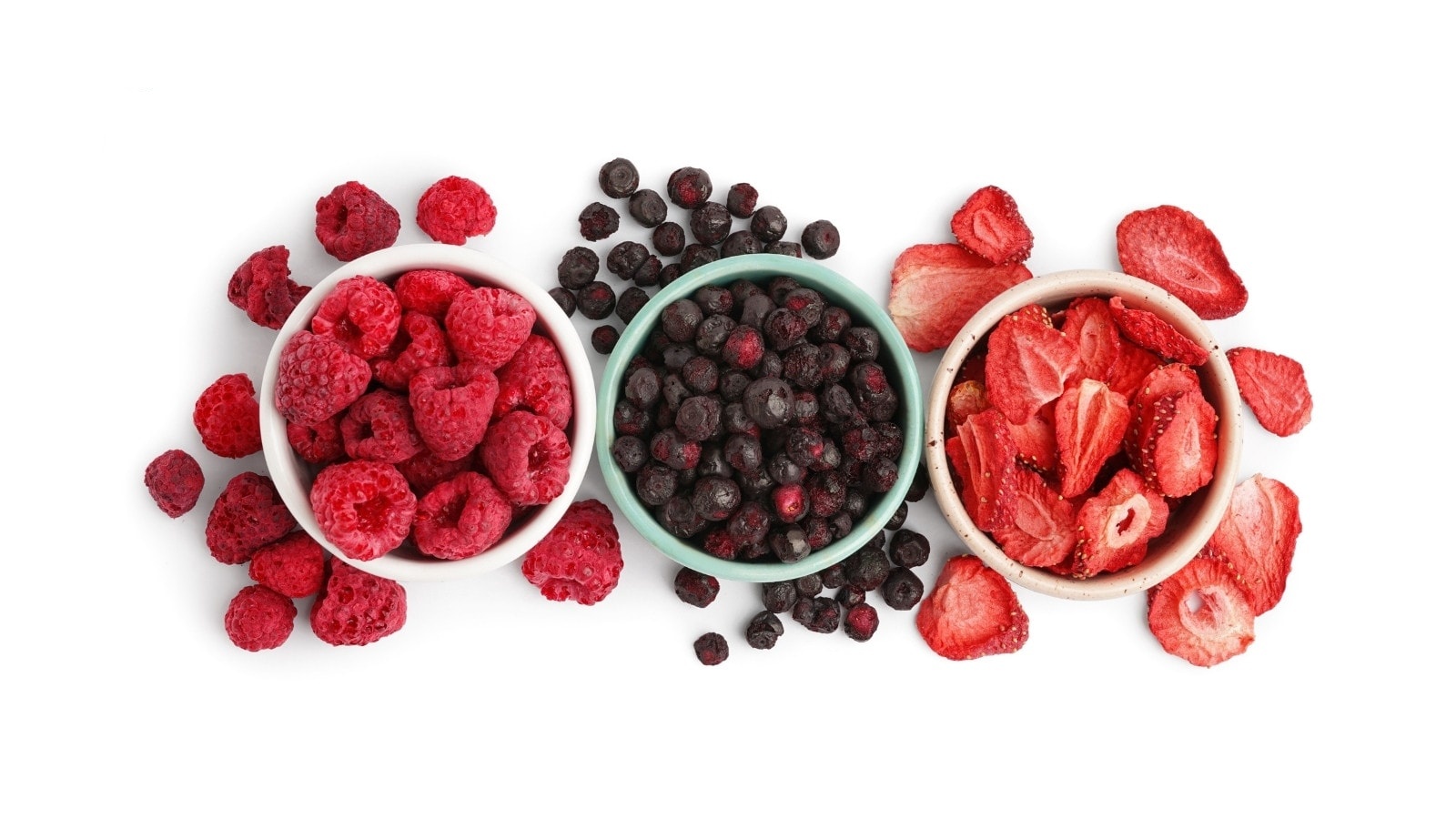
Freeze-drying works by removing water from food while preserving much of its original structure. The process generally involves freezing the food and then reducing pressure so that the ice can transition directly into vapor. This process is known as sublimation.
Water is one of the major factors that allows microorganisms and many chemical reactions to occur. When most of the moisture is removed, the environment becomes much less favorable for microbial growth.
However, freeze-drying does not make food completely immune to deterioration.
Even when very little moisture remains, fats can oxidize, flavors can change, vitamins can gradually degrade, and packaging can eventually lose its protective properties. This is why the storage environment matters just as much as the original processing method.
Is a 25-Year Shelf Life Real?
A 25-year shelf-life claim can be legitimate, but it should not be interpreted as a guarantee that the meal will taste exactly the same after 25 years.
Shelf-life statements are usually based on expected stability under specified storage conditions. A manufacturer may design packaging and processing methods to protect food for decades when it is kept in a cool, dry environment.
The important distinction is between remaining safe, remaining nutritious, and remaining at peak quality.
These are not necessarily the same thing.
A meal might remain usable for many years while experiencing changes in texture, color, aroma, or flavor. Some nutrients may also decline over time. Therefore, a package marked “25 years” should not automatically be interpreted as “perfectly preserved for 25 years.”
Temperature Is One of the Biggest Factors
If you want freeze-dried food to last for decades, temperature deserves serious attention.
High temperatures can accelerate chemical reactions inside food. This is particularly important for foods containing fats. A storage location that becomes extremely hot during summer can create very different conditions from a consistently cool pantry.
For long-term storage, a cool, dry, temperature-stable location is generally preferable.
This is one reason a basement, climate-controlled storage room, or interior pantry may be more suitable than a garage or attic. Garages can experience large temperature swings, while attics can become extremely hot.
A package sitting in a hot environment for years may not perform the same way as one stored under the conditions assumed by the manufacturer.
Oxygen Can Affect Long-Term Quality
Oxygen is another major enemy of long-term food storage.
Many long-term freeze-dried meals use packaging designed to reduce exposure to oxygen. Oxygen absorbers may also be included in certain packages.
Reducing oxygen can slow oxidation, which is especially relevant for foods containing fats. Oxidation can eventually produce stale or rancid flavors.
This means the container is not simply a convenient way to carry the food. It is part of the preservation system.
If packaging becomes punctured, improperly sealed, or damaged, the expected shelf life can change substantially.
Moisture Is Equally Important
Freeze-dried food is extremely sensitive to moisture because the preservation process depends on removing water.
Once moisture gets into the package, the food can gradually lose its intended texture and stability. Depending on the circumstances, increased moisture can also create conditions favorable to microbial growth.
This is why opening a large container and repeatedly exposing its contents to humid air is different from keeping the package factory sealed.
For long-term storage, unopened packaging provides the greatest protection.
After opening, the food should generally be treated according to the manufacturer’s instructions rather than assuming that the original multi-decade shelf-life still applies.
Not Every Freeze-Dried Meal Has the Same Lifespan
One of the biggest misconceptions is that every freeze-dried product automatically lasts 25 years.
Ingredients matter.
A freeze-dried meal made primarily from low-fat fruits or vegetables may behave differently during storage from a meal containing significant amounts of meat, dairy, oils, or other ingredients that are more sensitive to oxidation.
The formulation, processing method, moisture level, packaging, and storage conditions all influence stability.
Therefore, it is more useful to think about shelf life on a product-by-product basis rather than assuming one number applies to every freeze-dried meal.
What Happens After 10, 20, or 25 Years?
There is no universal timeline for every meal, but long-term storage can involve gradual changes.
During the early years, properly packaged freeze-dried food may retain much of its intended quality.
Over longer periods, gradual changes can become more noticeable. Flavor may become less vibrant. Texture can change. Certain colors may fade. Some nutrients can decline.
Fat-containing ingredients may be particularly vulnerable to oxidation.
At the 25-year mark, the most important question is therefore not simply, “Is this exactly as good as the day I bought it?”
Instead, consider the product’s storage history, package condition, manufacturer’s guidance, and signs of deterioration.
How to Check an Old Freeze-Dried Meal
Before using very old stored food, inspect the package carefully.
Look for swelling, punctures, broken seals, unusual odors after opening, moisture, discoloration, or other signs that the package has been compromised.
A damaged package should not be treated as equivalent to an intact package that has been stored correctly.
Also check the manufacturer’s instructions and the original product information when available.
Avoid tasting food simply to determine whether it is safe if there are obvious signs of spoilage or package failure.
The Importance of Packaging
A high-quality freeze-dried meal can still have a disappointing storage life if its packaging is inadequate.
Long-term storage containers are generally designed to protect food from several environmental threats at once, including oxygen, moisture, and light.
For consumers, this creates an important rule: don’t automatically transfer decades-long food storage into ordinary containers.
If you remove food from its original protective packaging, you may change the environment that supported the original shelf-life estimate.
So, Can You Store Freeze-Dried Meals for 25 Years?
Yes, properly manufactured and packaged freeze-dried foods can be designed for very long storage, and 25-year claims can be realistic under appropriate conditions.
But “25 years” should be viewed as a storage-life specification rather than a promise of perfect quality forever.
The best results come from maintaining the conditions that the manufacturer expects: stable temperatures, low humidity, limited light, intact packaging, and minimal oxygen exposure.
Final Takeaway
Freeze-dried meals can be remarkably durable, but their longevity is not determined by freeze-drying alone.
A 25-year claim depends on the complete preservation system: the ingredients, processing method, packaging, oxygen control, moisture protection, and storage environment.
If you are building an emergency food supply, focus less on the biggest number printed on a package and more on how that number was achieved.
Store meals in a cool, dry, stable environment, protect the packaging, rotate food when practical, and follow the manufacturer’s storage instructions.
A freeze-dried meal can potentially remain useful for decades, but long-term food storage works best when the consumer treats preservation as a system rather than a single number on a label.