Trail Mix, Jerky, and Energy Bars: A Realistic Shelf Life Chart for Hikers
When you’re planning a backpacking trip, shelf life is easy to overlook. A bag of trail mix can sit in the pantry for months, jerky seems almost indestructible, and energy bars often come with dates that make them appear usable for a very long time. But these foods do not all age in the same way.
For hikers and backpackers, understanding the realistic shelf life of common trail foods can help prevent wasted food and unpleasant surprises on the trail.
The most important thing to remember is that a printed date is not automatically the same thing as a food-safety deadline. For many shelf-stable foods, dates are primarily related to quality rather than safety. USDA notes that federal regulations generally do not require dating for most shelf-stable foods, and when dates are used, they can communicate quality information.
So how long can your favorite hiking snacks actually last?
A Quick Trail Food Shelf Life Chart
Here is a practical starting point for unopened, commercially packaged products stored according to their labels:
| Trail Food | Typical Pantry Window | Main Quality Concern |
|---|---|---|
| Commercial beef jerky | About 12 months | Moisture, oxidation, flavor |
| Homemade jerky | About 1–2 months | Moisture and microbial safety |
| Trail mix | Often several months | Nuts going rancid |
| Nut-heavy trail mix | Several months | Fat oxidation |
| Dried fruit | Several months or longer | Moisture, texture, discoloration |
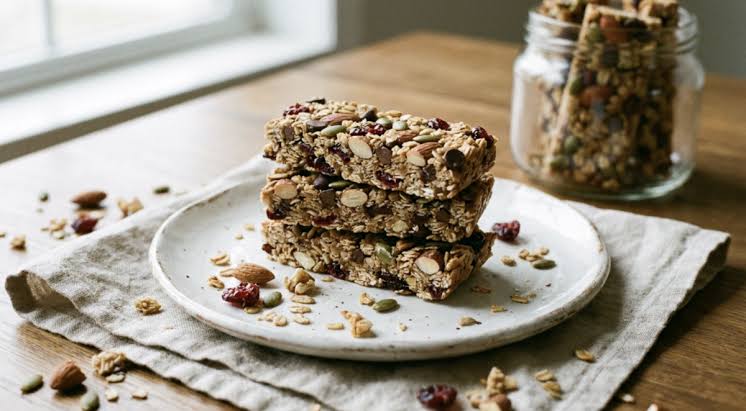
| Energy bars | Often several months | Texture, fats, flavor |
| Nut-based energy bars | Often several months | Rancidity |
| Oat/grain bars | Often several months | Staleness and moisture |
| Chocolate-containing bars | Variable | Heat and texture |
| Freeze-dried snacks | Often much longer when sealed | Moisture and packaging |
These are general quality-oriented ranges rather than guarantees. Always follow the specific manufacturer’s storage instructions and date information.
Why Trail Mix Does Not Last Forever
Trail mix looks like a simple dry food, but it can contain several ingredients with very different storage characteristics.
A typical mix may include nuts, seeds, dried fruit, chocolate, coconut, cereal, or other ingredients. Each component has its own sensitivity to heat, moisture, oxygen, and time.
Nuts are especially important because they contain significant amounts of fat. Over time, oxygen exposure can cause those fats to oxidize. The result may be a stale, paint-like, bitter, or rancid flavor.
This means a trail mix can remain dry while its quality declines.
USDA specifications for certain packaged trail mixes illustrate how storage temperature affects expected shelf life. One USDA trail-mix specification requires at least six months of remaining shelf life when stored in a cool, dry location at no more than 60°F, and notes that shelf life may be extended under refrigeration.
For backpackers, that does not mean every grocery-store trail mix has a six-month expiration date. Instead, it demonstrates why temperature and formulation matter.
Trail Mix: What Ages First?
If you make your own trail mix, pay attention to the ingredients.
A mixture containing mostly dried fruit and grains may behave differently from one packed with walnuts, almonds, pecans, sunflower seeds, peanut butter chips, and chocolate.
The higher the fat content, the more important oxidation becomes.
Humidity also matters. Dried foods can absorb moisture after opening. That can turn crunchy ingredients soft and may create conditions that encourage mold growth.
For long-term storage, airtight packaging is useful. For backpacking, resealable bags or containers can protect the mix from humidity while making it easier to portion.
Commercial Jerky Has a Different Story
Jerky is one of the classic backpacking foods because removing moisture makes meat much lighter and more shelf stable.
USDA FSIS lists commercially packaged jerky at approximately 12 months for shelf storage, while home-dried jerky is listed at approximately 1 to 2 months.
That difference is important.
Commercial jerky is produced under controlled conditions and monitored in federally inspected facilities. Homemade jerky can vary considerably depending on the meat, preparation, drying process, moisture level, sanitation, and packaging.
Therefore, you should not automatically treat homemade jerky as equivalent to a commercially sealed package.
Homemade Jerky Needs Extra Caution
Making jerky at home can be an excellent way to prepare lightweight backpacking food, but food safety starts before the meat enters the dehydrator.
USDA recommends heating meat to 160°F and poultry to 165°F before dehydrating, followed by drying at a controlled dehydrator temperature of approximately 130–140°F.
This matters because simply drying meat does not necessarily eliminate every pathogen that may be present.
Once the jerky is finished, moisture control becomes critical. Poorly dried meat or meat exposed to humidity may not have the same storage characteristics as properly dried commercial jerky.
For that reason, homemade jerky generally deserves a much shorter storage window.
Energy Bars Are More Complicated Than They Look
Energy bars are another popular backpacking food, but their shelf life varies widely.
A simple oat-based bar may have a different storage profile from a protein bar containing nuts, seeds, nut butter, dairy ingredients, or high-fat coatings.
The label is therefore more useful than a generic “energy bars last X months” rule.
When choosing bars for a long trip, look at the ingredient list and packaging. High-fat ingredients may be more vulnerable to oxidation, while moisture-sensitive ingredients can affect texture.
A bar can also become unpleasant without showing obvious spoilage.
It may become hard, chewy, stale, crumbly, or oily even though the package remains intact.
Heat Is the Enemy of Backpacking Snacks
One of the easiest ways to shorten the quality life of trail food is heat.
A backpack sitting in direct sunlight can become surprisingly warm. A food bag left inside a hot vehicle can experience temperatures far beyond those in a normal pantry.
Heat accelerates many chemical reactions, including oxidation.
This is particularly relevant for nuts, seeds, chocolate, and high-fat energy bars.
For food stored at home before a trip, choose a cool, dry location rather than an attic, garage, or other area with large temperature swings.
USDA recommends storing shelf-stable foods in appropriate dry conditions and notes that quality can decline over time even when a product remains shelf stable.
What About Opened Packages?
Shelf life changes once you open the package.
A factory-sealed bag has been protected from environmental exposure. Once opened, oxygen and humidity enter.
For backpacking, this is why individually wrapped bars and small snack packages can be convenient.
Instead of opening one large bag of trail mix and repeatedly exposing it to humid air, you can divide your snacks into individual portions before leaving.
This also makes food management easier.
How to Tell When Trail Food Has Lost Quality
Signs of deterioration can vary.
Trail mix may smell stale or rancid. Nuts can develop bitter flavors. Dried fruit may become unusually hard or sticky.
Jerky can develop an unusual odor, visible mold, or changes inconsistent with the product’s normal appearance.
Energy bars can become excessively hard, oily, stale, or develop unusual odors.
However, appearance and smell are not perfect safety tests. Harmful microorganisms are not always detectable through the senses.
When a food has obvious signs of spoilage or the package is damaged, the safest choice is to discard it.
A Better Strategy for Backpackers
Instead of buying snacks immediately before every trip, maintain a small rotation system.
Put newer products behind older ones.
Use older snacks for shorter day hikes and reserve newer products for longer trips.
Keep a simple list of purchase dates and expiration or best-by dates.
For homemade foods, record when they were prepared.
This system prevents forgotten snacks from sitting in a closet for years.
Final Thoughts
Trail mix, jerky, and energy bars may all look like lightweight shelf-stable backpacking foods, but their storage behavior is very different.
Commercial jerky has a USDA reference point of about 12 months, while home-dried jerky has a much shorter 1–2 month reference period. Trail mix can remain useful for months, but nuts and seeds can lose quality through oxidation, especially when exposed to heat. Energy bars vary considerably according to their ingredients and packaging.
The best shelf-life chart is therefore not simply a list of dates.
It is a combination of food type + ingredients + packaging + temperature + humidity + whether the package has been opened.
For backpackers, that approach is much more useful than assuming every dry snack is practically immortal.