How Long Do Backpacking Snacks Last? The Shelf Life Guide for Trail Mix, Jerky, and Energy Bars
Packing food for a backpacking trip often means choosing foods that are lightweight, calorie-dense, and easy to eat. Trail mix, jerky, and energy bars are among the most popular options because they require little preparation and generally do not need refrigeration.
But there is another question worth asking before putting them in your pack:
How long will they actually last?
A snack can be shelf stable without remaining at peak quality forever. Fat can become rancid, moisture can change texture, packaging can fail, and heat can accelerate deterioration.
Understanding these differences is especially useful if you buy backpacking food in bulk or keep an emergency supply of hiking snacks at home.
The Real Shelf Life Chart
The following chart provides a practical overview rather than a universal guarantee:
| Food | Approximate Storage Reference | What Usually Limits Quality |
|---|---|---|
| Commercially packaged jerky | 12 months | Oxidation and moisture |
| Homemade jerky | 1–2 months | Moisture and food-safety concerns |
| Basic trail mix | Several months | Nuts, seeds, moisture |
| Nut-heavy trail mix | Several months | Rancidity |
| Dried fruit mix | Several months | Moisture and texture |
| Grain-based energy bars | Several months | Staleness |
| Nut/protein bars | Varies by product | Fat oxidation |
| Chocolate-coated bars | Varies | Heat and melting |
| Freeze-dried snacks | Potentially much longer sealed | Moisture and packaging |
The exact shelf life depends on the product, formulation, packaging, and manufacturer’s instructions.
USDA specifically identifies commercial jerky as shelf stable and gives a 12-month storage reference, while home-dried jerky has a shorter 1–2 month reference.
Shelf Stable Does Not Mean Indestructible
This is perhaps the most important concept for backpackers.
A shelf-stable product is designed to remain safe without refrigeration under appropriate conditions. But that does not mean its quality remains unchanged indefinitely.
USDA explains that shelf-stable foods can lose freshness and quality over time, including changes in texture and color.
Imagine a bag of trail mix that has been sitting in a warm cupboard for a year.
The nuts may still look normal.
The dried fruit may still be recognizable.
The chocolate may still be present.
But the oils in the nuts may have oxidized, creating an unpleasant flavor.
The food did not necessarily transform overnight. Quality gradually declined.
Trail Mix: The Fat Problem
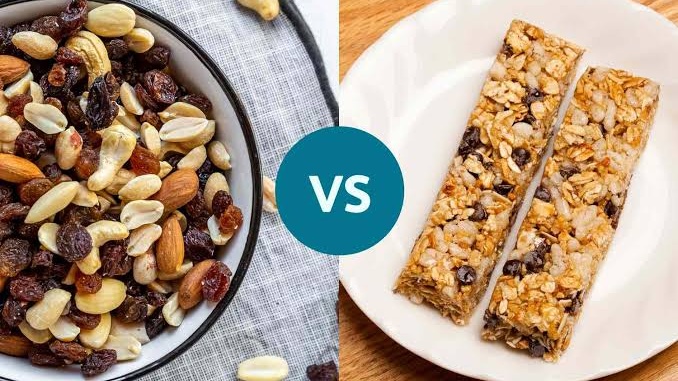
Trail mix often contains nuts and seeds, which are excellent backpacking foods because they provide calories, fat, protein, and minerals in a compact package.
The downside is that those fats can oxidize.
Oxygen exposure, heat, and time can contribute to rancidity. This is why a fresh bag of almonds can taste very different from old almonds that have been sitting open for months.
The same principle applies to trail mix.
A mixture containing mostly low-fat ingredients may behave differently from one containing large amounts of walnuts, pecans, sunflower seeds, peanuts, or coconut.
If you make your own trail mix, consider preparing smaller batches rather than making one enormous container that will remain open for months.
Why Moisture Matters
Moisture is another major factor.
Dried fruit is designed to contain much less water than fresh fruit, but it can still interact with humidity.
If a package is repeatedly opened in a humid environment, dried ingredients can absorb moisture.
The result can be softer fruit, less-crisp cereal, clumped ingredients, or a generally stale texture.
USDA notes that dry foods can develop problems when exposed to dampness and recommends checking packaging for holes or other openings that could allow moisture or insects inside.
For backpacking, resealable packaging can help reduce this exposure.
Jerky: Commercial vs. Homemade
Jerky deserves its own category.
Commercially produced jerky is specifically processed to be shelf stable. USDA states that commercially produced jerky is monitored in federally inspected plants and can be stored at room temperature.
USDA’s storage reference is approximately 12 months for commercially packaged jerky.
Homemade jerky is different.
USDA recommends a shorter shelf life for home-dried jerky, approximately 1 to 2 months.
This difference exists because home preparation can vary significantly.
Drying temperature, thickness, moisture content, preparation methods, sanitation, packaging, and storage all influence the finished product.
Making Homemade Jerky for a Trip
If you’re preparing your own jerky for backpacking, food safety needs to be considered before shelf life.
USDA recommends heating meat to 160°F and poultry to 165°F before dehydrating. After that step, the meat can be dried using a dehydrator maintained around 130–140°F.
The purpose of the heating step is to reduce the risk from pathogens that may survive the drying process.
After preparation, allow the jerky to cool and package it appropriately.
Do not assume that vacuum sealing alone makes unsafe or inadequately dried meat safe. Packaging helps protect properly dried food, but it cannot replace safe preparation.
Energy Bars: Read the Label
Energy bars are probably the hardest food in this group to assign one universal shelf-life number.
There are dozens of formulations.
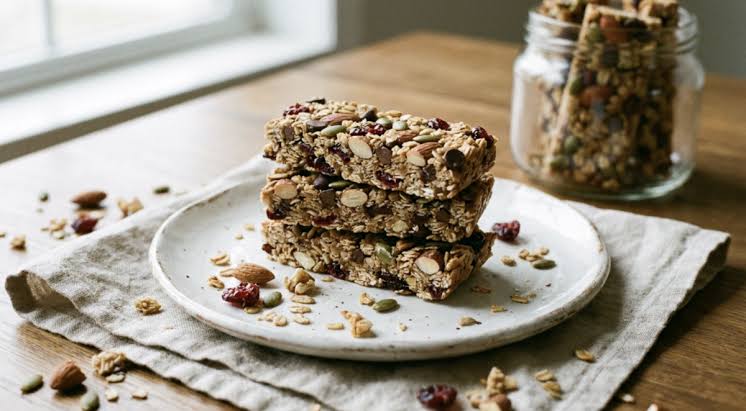
Some contain oats and dried fruit.
Others contain nuts, seeds, nut butter, chocolate, protein powders, dairy ingredients, or coatings.
The ingredients can dramatically change how the product ages.
For example, a high-fat nut-based bar may develop rancid flavors before a relatively low-fat grain bar experiences the same change.
That is why the manufacturer’s date and storage instructions should take priority over a generic online shelf-life chart.
The Backpack Changes Everything
Food stored in a pantry experiences relatively stable conditions.
Food carried inside a backpack experiences movement, compression, sunlight, temperature changes, and sometimes humidity.
A chocolate-covered energy bar that is perfectly pleasant at home may become messy and difficult to eat on a hot summer hike.
Similarly, a snack package can develop small tears when packed next to sharp gear.
For longer trips, organize food so that fragile packages are protected.
Put crushable bars near the center of the pack.
Keep snacks in waterproof or resealable bags.
Avoid leaving food exposed to direct sunlight.
Can You Eat Snacks After the Date?
This is where food dating becomes confusing.
A “best by” or similar date does not necessarily mean the food becomes unsafe the next day.
USDA notes that product dating for most shelf-stable foods is generally related to quality rather than being federally mandated as a safety cutoff.
However, that does not mean every expired product should automatically be eaten.
You still need to consider storage conditions, packaging, food type, and signs of deterioration.
For high-risk or questionable foods, don’t rely on the date alone—or on smell alone—to establish safety.
Signs That Should Make You Stop
Some warning signs are obvious.
Discard trail food if you see mold, unusual discoloration, insect infestation, leaking packages, damaged seals, or other clear evidence of deterioration.
Rancid odors or flavors are another reason to stop eating a product.
Jerky with unexpected moisture, mold, or abnormal texture deserves particular caution.
And remember that harmful pathogens do not necessarily produce an obvious smell or appearance.
Food safety is not simply a sensory test.
How to Extend the Quality of Your Trail Snacks
Good storage practices can make a significant difference.
Keep unopened food in a cool, dry location.
Avoid high temperatures.
Protect food from humidity.
Use airtight or resealable packaging after opening.
For trail mix, consider smaller portions.
For homemade jerky, follow safe preparation practices and use it within the shorter storage period recommended for home-dried products.
For energy bars, follow the manufacturer’s instructions and avoid prolonged exposure to heat.
For longer-term storage, rotate older products into your everyday hiking snacks rather than letting them sit indefinitely.
A Simple Backpacking Rotation System
A useful system is “first in, first out.”
When you buy new snacks, put them behind the older ones.
Before a trip, check the oldest products first.
If a bar is approaching its quality date, use it on a day hike rather than saving it for a three-day expedition.
This approach reduces waste and makes it less likely that questionable food will become part of a remote trip.
Final Takeaway
There is no single shelf-life number that applies to all backpacking snacks.
Commercial jerky has a USDA reference of about 12 months, while homemade jerky is listed at about 1–2 months. Trail mix can last for months, but its nuts and seeds may gradually become rancid, particularly when exposed to oxygen and heat. Energy bars vary widely because their formulations are so different.
For backpackers, the best shelf-life chart is therefore a starting point—not a guarantee.
Pay attention to ingredients, packaging, temperature, humidity, storage time, and whether the food has been opened.
A lightweight snack is only useful on the trail if it is still in suitable condition when you need it. A few minutes spent checking your food before a trip can prevent wasted supplies and, more importantly, help you make safer choices far from home.