Does Heat Ruin Backpacking Food? What Happens in a Hot Car or During Summer Shipping
Backpacking food is designed to be lightweight, convenient, and easy to carry. Many popular trail foods—including jerky, trail mix, dried fruit, crackers, instant meals, and energy bars—can be stored without refrigeration. That makes them ideal for hiking trips.
But there is one environmental factor that backpackers often underestimate: heat.
A package of trail food that sits in a cool pantry for six months may behave very differently after spending several days inside a hot vehicle or traveling through a summer shipping network.
Does heat automatically make backpacking food unsafe? Not necessarily. For shelf-stable foods, heat is often more of a quality problem than an immediate food-safety problem. However, some foods are much more sensitive to temperature than others, and perishable foods are an entirely different category.
Understanding the difference can help you decide what can safely stay in your car, what should be brought indoors, and what deserves extra attention after summer shipping.
Why Heat Matters to Backpacking Food
Heat accelerates many chemical reactions.
This is especially important for foods containing fats. Nuts, seeds, peanut butter, chocolate, protein bars, and some dehydrated meals contain oils that can gradually oxidize.
Oxidation can produce stale or rancid flavors.
Heat can also affect texture. Chocolate may melt, energy bars may become soft or oily, and some dried foods can change consistency.
USDA recommends storing shelf-stable dry goods in appropriate conditions and keeping them away from extreme heat or cold.
The important point is that heat does not affect every food equally.
A Hot Car Is Not the Same as a Pantry
A parked vehicle can become dramatically hotter than the surrounding outdoor temperature.
That creates a problem for backpackers who keep their food in the car while traveling to a trailhead.
Imagine leaving a bag of trail mix in your vehicle on a sunny summer afternoon. Even if the outdoor temperature is only moderately hot, the interior of the car can become much warmer.
Repeated exposure can accelerate quality deterioration.
For dry, shelf-stable foods, the primary concern may be flavor, texture, and nutritional quality rather than immediate microbial growth.
But if the food is actually perishable, the situation is completely different.
Shelf-Stable Food vs. Perishable Food
This distinction is critical.
Shelf-stable foods are specifically designed to remain safe without refrigeration when properly processed and packaged.
Perishable foods—including fresh meat, poultry, fish, dairy products, and many cooked foods—need temperature control.
USDA states that perishable foods should be refrigerated at 40°F or below or frozen at 0°F or below.
Therefore, you should never assume that putting a perishable food in a backpack automatically makes it suitable for a warm day.
For longer backpacking trips, USDA recommends shelf-stable choices such as jerky, dehydrated foods, dried fruits, nuts, dried noodles, and other foods that do not require refrigeration.
Which Backpacking Foods Are Most Sensitive to Heat?
Not every trail food has the same temperature tolerance.
Trail Mix
Trail mix is relatively convenient but can be surprisingly sensitive to heat.
Nuts and seeds contain fats that can oxidize over time. High temperatures can accelerate the process.
A warm package may not immediately become dangerous, but its flavor can deteriorate faster.
Chocolate creates another problem. It can soften or melt, turning a neat trail snack into a sticky mixture.
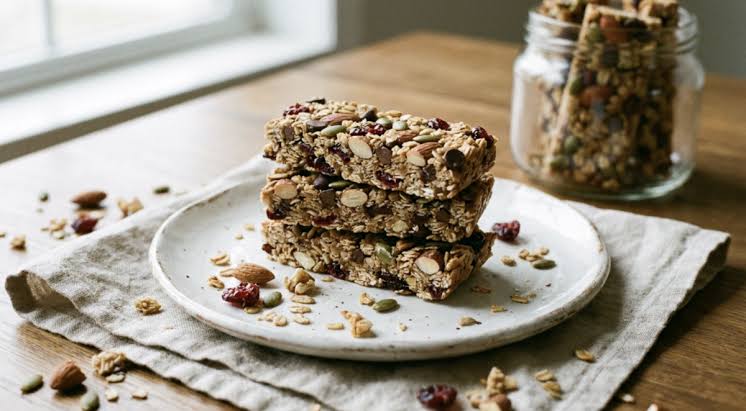
Energy Bars
Energy bars vary considerably.
A low-fat oat bar may respond differently to heat than a nut-based or chocolate-coated protein bar.
High temperatures can soften bars, separate oils, melt coatings, or change texture.
Always check the manufacturer’s storage instructions.
Jerky
Commercially produced jerky is specifically designed to be shelf stable. USDA notes that commercially produced jerky can be stored at room temperature and gives a much longer reference shelf life than homemade jerky.
However, that does not mean unlimited exposure to extreme heat is harmless.
Heat can affect flavor and quality, while damaged packaging can introduce moisture or compromise the product.
Freeze-Dried Meals
Freeze-dried meals are generally designed for long-term storage, but their packaging is part of the preservation system.
Extreme heat can accelerate quality deterioration even when the food remains dry.
For long-term storage, a cool, dry location is preferable to a hot garage or vehicle.
What About Summer Shipping?
Summer shipping is a common concern for people buying backpacking food online.
A package may travel through warehouses, delivery trucks, loading docks, and outdoor delivery areas before reaching your home.
Does that mean a freeze-dried meal or bag of trail mix is ruined?
Not automatically.
A short period of heat exposure does not necessarily destroy shelf-stable food.
The bigger question is what food was shipped, how hot it became, for how long, and whether the packaging remained intact.
Shelf-stable foods are generally much more tolerant of shipping temperature fluctuations than refrigerated foods.
However, repeated or prolonged high-temperature exposure can reduce quality.
Packaging Is Your First Line of Defense
Packaging plays a major role in protecting backpacking food.
A sealed pouch helps keep out oxygen and moisture.
A damaged pouch does not provide the same protection.
Before putting recently shipped food into your long-term storage area, inspect the packaging.
Look for:
- Punctures
- Broken seals
- Tears
- Leaks
- Swelling
- Moisture
- Unusual odors after opening
For dry goods, USDA specifically recommends checking packaging for holes that could allow moisture or insects to enter.
Does Vacuum Sealing Prevent Heat Damage?
Vacuum sealing can reduce oxygen exposure, which can help preserve dry foods such as jerky and nuts.
But vacuum packaging is not a magic shield against temperature.
USDA explains that vacuum packaging does not eliminate microbial growth in perishable meat and poultry. Those foods still require refrigeration or freezing.
For genuinely dry, shelf-stable foods, vacuum packaging can help preserve quality, but heat can still accelerate chemical deterioration.
Think of vacuum sealing as one part of preservation—not permission to store food anywhere.
The Special Case of Homemade Jerky
Homemade jerky deserves extra caution.
USDA recommends heating meat to 160°F and poultry to 165°F before dehydrating. The subsequent drying process should use a dehydrator capable of maintaining approximately 130–140°F.
This preparation step matters because drying at low temperatures does not necessarily eliminate pathogens that may be present.
USDA also recommends a shorter storage period for homemade jerky than commercially produced jerky.
If homemade jerky has been stored improperly or exposed to unusual heat and humidity, don’t assume that vacuum sealing makes it safe.
How Long Can Backpacking Food Stay in a Hot Car?
There is no single number that applies to every backpacking food.
A sealed package of crackers and a package of fresh cheese should never be evaluated using the same rule.
For perishable food, USDA’s general guidance is much stricter: food should not remain in the 40°F–140°F “Danger Zone” for more than two hours, or one hour when the outside temperature is above 90°F.
Shelf-stable food is different.
A commercially packaged dry food may tolerate warm conditions without becoming immediately unsafe, but quality can decline faster.
That is why the safest general practice is to avoid storing even shelf-stable backpacking food in a hot vehicle whenever you have another option.
Better Car-Storage Practices
If you need to transport food by car during summer:
Keep food out of direct sunlight.
Don’t leave it on the dashboard.
Avoid storing it inside a vehicle overnight if temperatures are extreme.
Use an insulated container to reduce temperature swings.
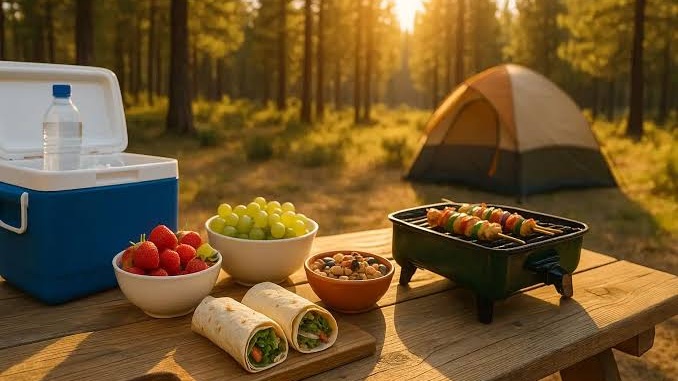
For foods that require refrigeration, use a properly iced cooler.
USDA recommends coolers or frozen foods with a cold source when temperature-sensitive foods are being taken outdoors.
What to Do After a Hot Delivery
When a summer shipment arrives warm, don’t automatically throw everything away.
First identify what you purchased.
If the package contains shelf-stable dry food, inspect the packaging and compare the product condition with the manufacturer’s instructions.
If it contains perishable food that was supposed to remain refrigerated, temperature control becomes much more important.
For questionable perishable foods, do not rely solely on smell or appearance.
Final Takeaway
Heat does not affect every backpacking food in the same way.
For shelf-stable foods such as commercial jerky, dried fruit, nuts, crackers, and many freeze-dried meals, heat may primarily accelerate quality loss. For perishable foods, however, temperature control is essential.
The biggest mistakes are treating every food as if it were shelf stable and assuming that vacuum packaging eliminates the need for temperature control.
For summer trips, store dry backpacking food somewhere cool and shaded whenever possible. Keep temperature-sensitive foods cold. Protect packages from damage, and inspect shipments when they arrive.
Your backpacking food does not need to live in a refrigerator—but it also doesn’t need to spend a week baking in the trunk.