10 Easy Foods to Dehydrate for Backpacking: A Beginner-Friendly Trail Food Guide
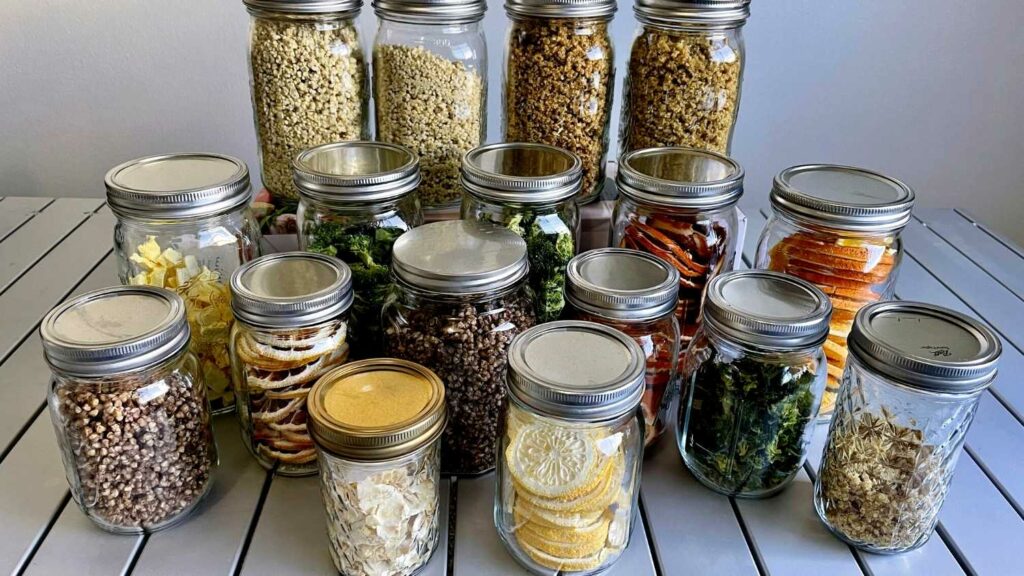
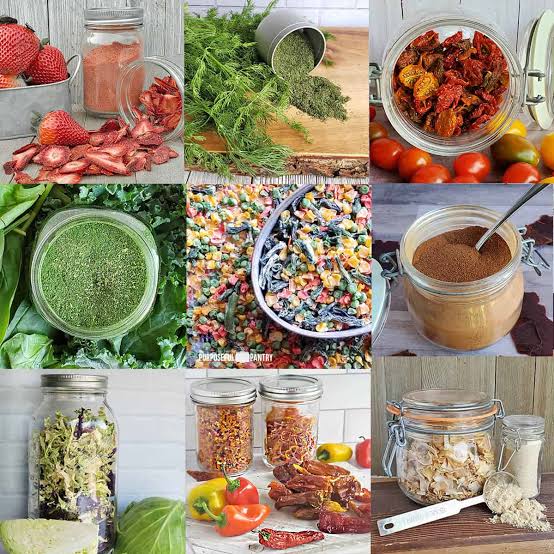
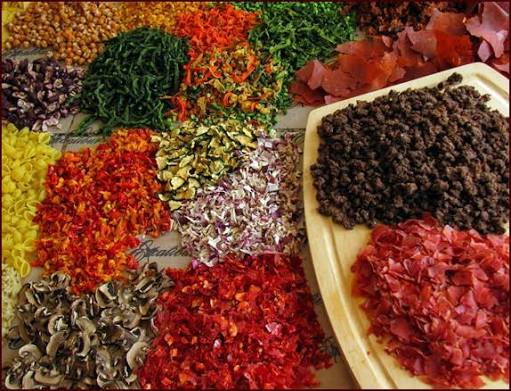
Making your own dehydrated backpacking food doesn’t have to start with complicated recipes. If you’re new to food dehydration, the easiest approach is to begin with simple ingredients that dry reliably, store efficiently, and can be added to meals later.
Dehydrating food removes much of its water content, reducing weight and making ingredients easier to carry on the trail. Once you understand how individual foods behave in a dehydrator, you can combine them into complete backpacking meals.
Here are 10 beginner-friendly foods that are particularly useful for trail cooking.
1. Carrots
Carrots are one of the easiest vegetables to start with.
They contain plenty of water when fresh, so dehydration dramatically reduces their weight. They can be sliced into thin pieces, shredded, or diced before drying.
Thin pieces generally dry faster than thick chunks.
Once dehydrated, carrots can be added to soups, rice dishes, noodles, and stews. Their mild sweetness also works well with savory seasonings.
For backpacking, small diced pieces are particularly convenient because they rehydrate relatively quickly.
2. Bell Peppers
Bell peppers add color and flavor without requiring much space in your backpack.
Slice or dice them into relatively uniform pieces so they dry evenly.
Red, yellow, orange, and green peppers can all work.
Dehydrated peppers are useful in pasta dishes, rice bowls, chili, tacos, and scrambled breakfast meals.
Because they are lightweight after drying, a small bag can contain enough vegetables for several trail meals.
3. Mushrooms
Mushrooms are another excellent beginner ingredient.
Slice them relatively thinly and arrange the pieces in a single layer.
After dehydration, mushrooms become lightweight and can be stored for later use.
They work especially well in soups, ramen-style meals, rice dishes, and pasta.
Mushrooms can also provide a satisfying texture in meals that otherwise rely heavily on carbohydrates.
4. Corn
Corn is easy to incorporate into trail meals because the kernels are already small and relatively uniform.
Cooked corn can be dehydrated and later added to soups, rice dishes, chili, or couscous.
Dehydrated corn is especially useful for adding texture and a little sweetness to otherwise simple backpacking meals.
Spread the kernels evenly on the tray to encourage consistent drying.
5. Peas
Peas are convenient because they are already small and easy to portion.
Frozen peas can be cooked and then dehydrated, while commercially dried peas can also be used as an ingredient.
Once dry, peas work well in rice dishes, pasta, soup, and curry.
Their compact size makes them easy to package in individual meal portions.
6. Cooked Pasta
Pasta can become a useful component of homemade backpacking meals.
Cook it according to the preparation method you plan to use, then drain it thoroughly and spread it across dehydrator trays.
Smaller pasta shapes are often convenient because they are easier to portion and can rehydrate effectively.
Dehydrated pasta can be combined with powdered sauce, vegetables, seasonings, and protein to create a lightweight dinner.
7. Cooked Rice
Rice is another useful base for homemade trail meals.
Cooked rice can be dehydrated and later rehydrated with hot water.
For backpacking, rice can serve as the foundation for curry, chili, vegetable bowls, or simple seasoned meals.
Breaking up clumps before dehydration helps expose more surface area and promotes more even drying.
Once completely dry, the rice can be divided into meal-sized portions.
8. Apples
Not every dehydrated food needs to become part of dinner.
Apples are among the easiest fruits to dehydrate and make a convenient trail snack.
Slice apples thinly and evenly. Depending on the desired texture, you can leave the peel on or remove it.
Dried apples are lightweight, sweet, and easy to eat while hiking.
They can also be added to oatmeal for breakfast.
9. Bananas
Bananas can also be dehydrated into a lightweight snack.
Slice them into consistent pieces and arrange them so the slices do not overlap.
Dried banana can become chewy or crisp depending on slice thickness and drying conditions.
For backpacking, banana pieces work well as a standalone snack or as an addition to oatmeal and trail mix.
Because bananas contain natural sugars, they can provide a quick source of carbohydrate during a long hiking day.
10. Tomatoes
Tomatoes are another useful ingredient for homemade trail food.
They can be sliced or chopped before dehydration.
Once dried, tomatoes have a concentrated flavor that can add depth to pasta, couscous, rice, and soup.
Small pieces are particularly convenient because they can be mixed into other ingredients before the trip.
Building Complete Trail Meals
Once you’ve mastered individual foods, the next step is combining them.
For example, you can create a simple backpacking rice bowl using:
- Dehydrated rice
- Carrots
- Peppers
- Corn
- Seasonings
- Powdered sauce
- A shelf-stable protein source
Another option is a pasta meal containing dehydrated pasta, mushrooms, tomatoes, vegetables, sauce powder, and seasonings.
Preparing ingredients separately gives you greater flexibility.
You can create different combinations without having to dehydrate an entire recipe every time.
Tips for Beginners
The most important rule is to cut food into similarly sized pieces.
Uniform pieces generally dry more evenly.
Avoid overcrowding trays. Food needs adequate airflow around the pieces.
Allow dehydrated food to cool before packaging.
After cooling, inspect the food carefully. It should be appropriately dry for the intended storage method.
Label every package with the ingredient or meal name and the preparation date.
This makes it much easier to rotate your trail-food supply.
Start Small
You don’t need to dehydrate 30 meals during your first attempt.
Start with one or two foods.
Try carrots and apples, for example.
Then experiment with peppers, mushrooms, rice, or pasta.
Once you understand your machine and preferred textures, you can begin creating complete backpacking meals.
The goal is not to become an expert dehydrator overnight.
It’s to build a repeatable process that produces lightweight, convenient food you’ll actually enjoy eating on the trail.
Final Thoughts
Dehydrating your own backpacking food can seem complicated at first, but many everyday ingredients are surprisingly easy to process.
Carrots, peppers, mushrooms, corn, peas, pasta, rice, apples, bananas, and tomatoes provide a useful starting point.
They are versatile enough to become snacks, breakfasts, soups, rice bowls, pasta dishes, and other trail meals.
Once you’ve mastered these basics, you can gradually experiment with more complex ingredients and recipes.
The simplest strategy is to start with individual foods, learn how they dry and rehydrate, and then combine them into meals that match your own backpacking preferences.