How to Build a 3-Day Vegetarian Backpacking Menu With Enough Protein 🥾🌱
Introduction
Planning vegetarian food for a backpacking trip can feel harder than planning a regular trail menu.
Fresh vegetables, dairy, eggs, and other familiar vegetarian protein sources can be difficult to carry for several days. Meanwhile, backpacking food needs to be light, compact, shelf-stable, easy to prepare, and satisfying after hours of walking.
The solution isn’t to bring enormous quantities of beans or vegetables.
Instead, build your menu around dehydrated and shelf-stable vegetarian protein sources, then combine them with calorie-dense carbohydrates and fats.
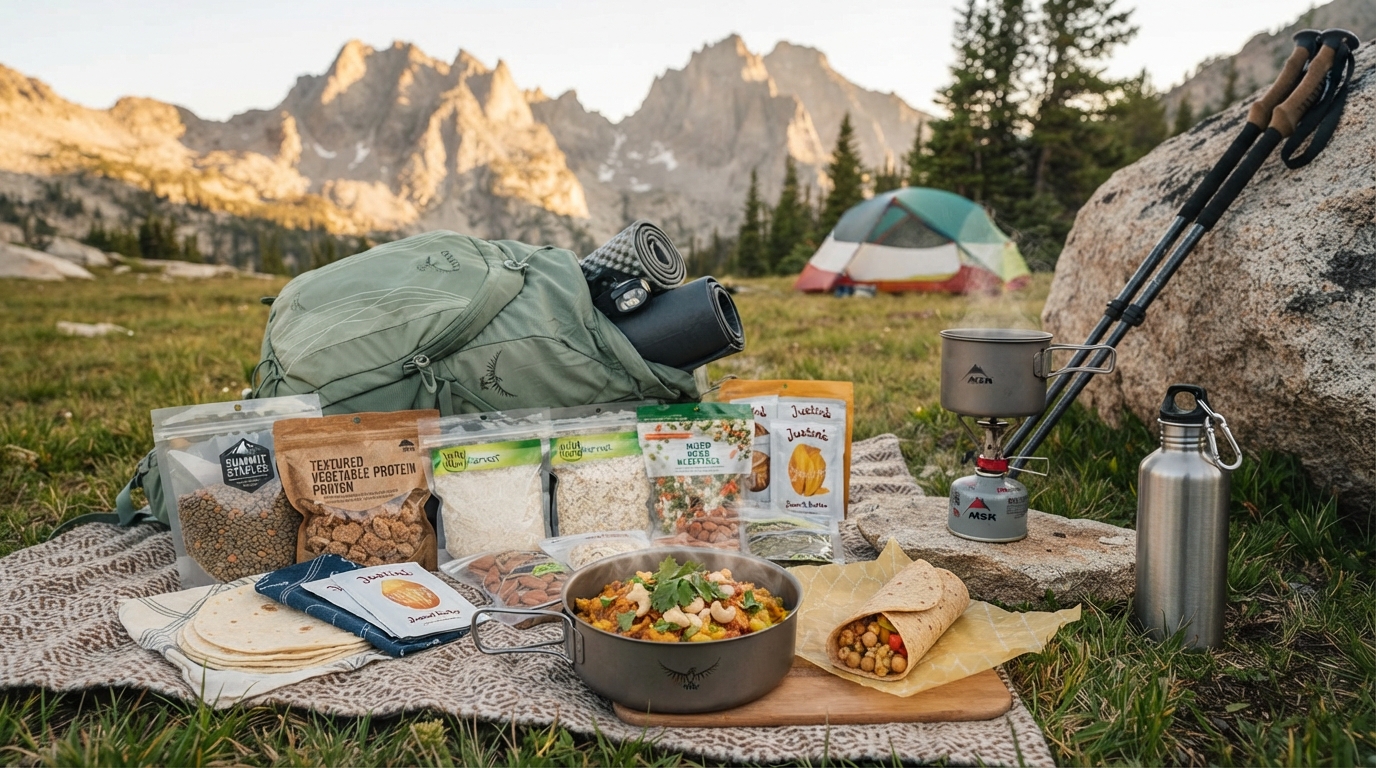
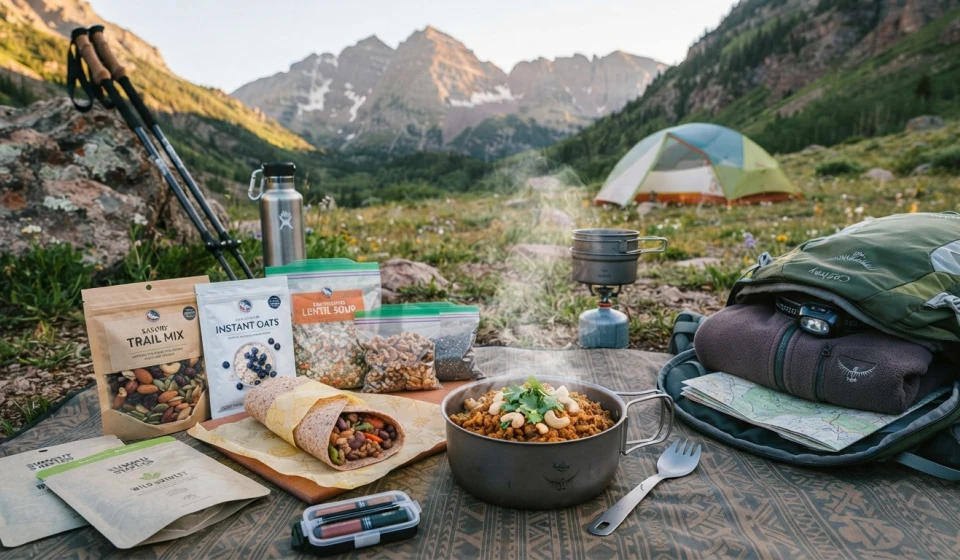
For a three-day trip, you can create a surprisingly varied menu using foods such as:
- Instant oats
- Powdered milk
- Peanut or other nut butter
- Tortillas
- Instant rice
- Couscous
- Lentils
- Dehydrated beans
- Soy curls or textured vegetable protein
- Nuts and seeds
- Protein-rich snack bars
- Freeze-dried vegetarian meals
The exact amount of food you need depends on your body, activity level, weather, terrain, and trip style. But the planning framework below can help you build a menu that is practical rather than overly complicated. 🎒
🥜 Start With Protein Sources That Pack Well
For backpacking, the best vegetarian protein foods are not necessarily the same foods you’d choose at home.
Look for options that are:
Light + shelf-stable + reasonably compact + easy to prepare.
Useful choices include:
Textured vegetable protein
TVP is lightweight and can be rehydrated with hot water.
It works well in:
- Rice bowls
- Couscous
- Pasta
- Soup
- Chili-style meals
Dehydrated or instant lentils
Lentils provide both protein and fiber.
Choose products that are specifically designed for quick preparation when possible.
Dehydrated beans
Refried bean flakes or dehydrated bean products can be particularly convenient because they rehydrate quickly.
They’re excellent in:
- Tortillas
- Rice bowls
- Burritos
- Couscous dishes
Nut and seed products
Peanut butter, almond butter, sunflower-seed butter, nuts, and seeds provide protein while also contributing calories and fat.
They’re particularly useful for snacks and breakfasts.
Powdered milk
For vegetarians who consume dairy, powdered milk can add protein to oatmeal, coffee, hot chocolate, or other meals.
Protein-rich packaged foods
Some commercial protein bars, roasted legumes, and shelf-stable vegetarian meals can also help fill nutritional gaps.
Check the nutrition label rather than assuming a product is high in protein.
🎯 Don’t Make Protein the Only Goal
A common backpacking mistake is focusing so heavily on protein that you forget about overall energy needs.
Walking with a loaded backpack can require substantial energy.
Your meals should also provide:
- Carbohydrates for readily available energy
- Fat for concentrated calories
- Protein for nutritional adequacy
- Fiber in an amount you tolerate comfortably
- Sodium and other electrolytes, particularly when appropriate for your conditions and activity
A useful meal-building formula is:
Carbohydrate base + vegetarian protein + fat + flavor
For example:
Instant rice + TVP + olive oil + curry seasoning
or:
Tortilla + dehydrated beans + cheese powder + salsa seasoning
This creates a more complete backpacking meal than relying on one ingredient.
🍳 Day 1 Breakfast: Peanut Butter Protein Oats
Start the trip with something familiar and easy.
Pack:
- Instant oats
- Powdered milk
- Peanut butter powder or individual nut-butter packet
- Chia or ground flaxseed
- Raisins or dried banana
- Cinnamon
- Optional protein powder
Add hot water and stir.
The powdered milk, peanut butter, and seeds increase protein while the oats and dried fruit provide carbohydrates.
Why it works
It’s:
- Lightweight
- Fast
- Warm
- Easy to portion
- Customizable
If you don’t tolerate a large amount of fiber early in the morning, use a smaller amount of seeds and dried fruit.
🥾 Day 1 Trail Snacks
Don’t rely only on three large meals.
Backpacking often works better with food distributed throughout the day.
Try a combination of:
- Trail mix
- Nuts
- Peanut butter packets
- Protein bars
- Roasted chickpeas
- Dried fruit
- Whole-grain crackers
- Tortillas
For a vegetarian diet, nuts and seeds can be particularly useful because they provide calories and some protein without requiring refrigeration.
🌯 Day 1 Lunch: Bean and Peanut Butter Tortillas
A simple lunch can be surprisingly effective.
Pack:
- Flour or whole-grain tortillas
- Dehydrated refried beans
- Peanut or seed butter
- Salsa seasoning
- Optional cheese powder
- Optional dehydrated vegetables
Rehydrate the beans with a small amount of water.
Spread them over the tortilla and add your seasonings.
You can keep the meal simple or turn it into a trail burrito.
Why tortillas?
They are relatively compact, don’t require cooking, and can be eaten without utensils.
Choose the type that fits your dietary needs and packs well for your trip.
🍚 Day 1 Dinner: TVP Curry Rice Bowl
For the first evening, make something warm and substantial.
Ingredients:
- Instant rice
- TVP
- Dehydrated vegetables
- Curry powder
- Bouillon or broth seasoning
- Coconut milk powder
- Olive oil packet
Rehydrate the TVP and vegetables according to the product directions.
Prepare the rice separately if required.
Combine everything and add the coconut milk powder and curry seasoning.
Finish with a small amount of olive oil for extra calories.
🌶️ Trail tip: Test the recipe at home before your trip. A meal that tastes great in your kitchen may need different seasoning or water ratios outdoors.
🌅 Day 2 Breakfast: Cinnamon Apple Protein Oats
For variety, change the flavor rather than changing your entire breakfast system.
Use:
- Instant oats
- Powdered milk
- Chopped dried apples
- Walnuts
- Cinnamon
- Peanut butter powder
- Optional protein powder
Add hot water and let it sit until the oats are soft.
This keeps breakfast simple while avoiding the feeling that you’re eating exactly the same meal every morning.
🥜 Day 2 Snacks
Pack a mixture rather than one giant snack.
For example:
Morning: Protein bar + dried fruit
Afternoon: Nuts + crackers + peanut butter
This can make your food feel more interesting and help you eat regularly during a long hiking day.
🌯 Day 2 Lunch: Couscous Chickpea Bowl
Couscous is useful for backpacking because it can cook quickly with hot water.
Pack:
- Couscous
- Dehydrated chickpeas
- Dehydrated vegetables
- Olive oil
- Lemon-pepper seasoning
- Dried herbs
- Optional feta powder or shelf-stable cheese
Cover the couscous with the appropriate amount of hot water and let it sit.
Add the chickpeas and vegetables according to their preparation requirements.
Finish with olive oil and seasonings.
The result is light, warm, and more interesting than plain instant noodles.
🍲 Day 2 Dinner: Lentil Tomato Pasta
For another hearty meal, combine:
- Quick-cooking pasta
- Dehydrated or instant lentils
- Tomato powder or a shelf-stable sauce packet
- Italian seasoning
- Parmesan or nutritional yeast
- Olive oil
The lentils add protein and fiber, while the pasta supplies carbohydrates.
The olive oil increases the calorie density without adding much bulk.
Make it easier
Pre-portion all ingredients into one labeled bag at home.
Write the required water amount and cooking instructions directly on the bag.
That way, you’re not trying to remember the recipe after a long day on the trail.
🌄 Day 3 Breakfast: Nutty Banana Oatmeal
Use:
- Instant oats
- Powdered milk
- Peanut butter
- Dried banana
- Chia or flax
- Cinnamon
For variety, you can add a little cocoa powder.
If you’re tired of sweet breakfasts, switch to savory oats with dehydrated vegetables, nutritional yeast, seasoning, and TVP.
🥪 Day 3 Lunch: Bean and Cheese Wrap
If dairy is part of your vegetarian diet, a shelf-stable cheese product or appropriately packed hard cheese can work depending on trip conditions.
Combine:
- Tortilla
- Dehydrated refried beans
- Cheese
- Salsa seasoning
- Dehydrated peppers
- Optional avocado powder
This is especially convenient because you don’t need a cooking pot for the finished wrap.
🍛 Day 3 Dinner: Peanut Noodle TVP Bowl
Finish the trip with something flavorful.
Ingredients:
- Instant noodles or quick-cooking noodles
- TVP
- Peanut butter powder
- Soy sauce packet or seasoning
- Dehydrated vegetables
- Chili flakes
- Olive oil
Rehydrate the TVP and vegetables.
Prepare the noodles according to their instructions.
Mix the peanut butter powder with a little warm water and seasoning to create a sauce.
Combine everything and add chili if desired.
It’s rich, savory, and satisfying after a long hiking day.
📋 Sample 3-Day Menu
| Day | Breakfast | Lunch | Dinner |
|---|---|---|---|
| Day 1 | Peanut butter protein oats | Bean tortillas | TVP curry rice |
| Day 2 | Cinnamon apple protein oats | Chickpea couscous | Lentil tomato pasta |
| Day 3 | Nutty banana oatmeal | Bean & cheese wrap | Peanut noodle TVP bowl |
Snacks across all three days
Rotate:
- Nuts
- Trail mix
- Protein bars
- Peanut butter packets
- Roasted chickpeas
- Dried fruit
- Crackers
- Tortillas
This creates variety without requiring completely different ingredients for every meal.
⚖️ Calculate Your Food Before You Pack
Don’t simply throw food into your backpack and hope it will be enough.
Make a basic spreadsheet or packing list with:
Food → serving size → calories → protein → weight
For example:
| Food | Serving | Calories | Protein |
|---|---|---|---|
| Instant oats | 1 serving | Check label | Check label |
| Peanut butter | 1 packet | Check label | Check label |
| TVP | 1 serving | Check label | Check label |
| Instant rice | 1 serving | Check label | Check label |
| Dehydrated beans | 1 serving | Check label | Check label |
Use the actual nutrition labels for your products.
This matters because different brands and preparation methods can vary substantially.
💪 How Much Protein Do You Need?
There isn’t one universal backpacking protein target that applies to every person.
Protein needs depend on factors such as:
- Body size
- Age
- Total energy intake
- Activity level
- Training status
- Overall diet
For that reason, don’t blindly copy someone else’s protein target.
Instead, estimate your normal nutritional needs and build your menu around them.
If you’re unsure about your individual needs, particularly if you have a medical or dietary condition, consider discussing them with a qualified healthcare professional or registered dietitian.
💧 Don’t Forget Hydration
Increasing your intake of beans, lentils, whole grains, nuts, and seeds can also increase dietary fiber.
For people who aren’t accustomed to high-fiber meals, suddenly eating large amounts may cause digestive discomfort.
Increase fiber gradually and maintain adequate fluid intake.
On the trail, hydration planning should also account for your route, weather, water availability, and local recommendations.
🧂 Pack Flavor, Not Just Calories
One of the biggest morale boosters on a multi-day trip is food that actually tastes good.
Small seasoning packets can transform basic ingredients.
Consider packing:
- Curry powder
- Chili flakes
- Garlic powder
- Onion powder
- Taco seasoning
- Nutritional yeast
- Cinnamon
- Soy sauce packets
- Lemon pepper
- Hot sauce packets
A tiny seasoning packet can make instant rice taste completely different from the previous night’s dinner.
🎒 Pre-Pack Every Meal at Home
A three-day menu becomes much easier when every meal is assembled before leaving.
Use one bag per meal.
Label each package:
DAY 1 — BREAKFAST
DAY 1 — LUNCH
DAY 1 — DINNER
and so on.
Write:
- Water amount
- Cooking time
- Any special instructions
on the outside.
This reduces decision-making when you’re tired.
🧪 Test the Menu Before Your Trip
Don’t make your first attempt at a new backpacking meal on the trail.
Cook it at home.
Check:
- Does the food rehydrate properly?
- Is the portion large enough?
- Do you like the flavor?
- Does the texture work?
- Does it require too much water?
- Does it take too long?
- Does it cause digestive discomfort?
A test meal can reveal problems while you’re still standing in your kitchen instead of several miles into the wilderness.
Final Thoughts 🌱🥾
A vegetarian backpacking menu doesn’t have to depend on heavy fresh foods or repetitive meals.
The most useful strategy is to combine lightweight vegetarian protein sources with calorie-dense carbohydrates, fats, and flavorful seasonings.
Use TVP, dehydrated beans, lentils, chickpeas, nuts, seeds, powdered milk, and other shelf-stable foods alongside instant rice, couscous, pasta, tortillas, and oats.
Then organize everything before your trip.
Calculate the nutrition using the actual products you’re carrying, test your meals at home, and adjust portions based on your own energy needs and hiking conditions.
With a little preparation, three days on the trail can include warm curry, pasta, burritos, oatmeal, noodle bowls, and plenty of protein without turning your backpack into a grocery store. 🎒🌱✨