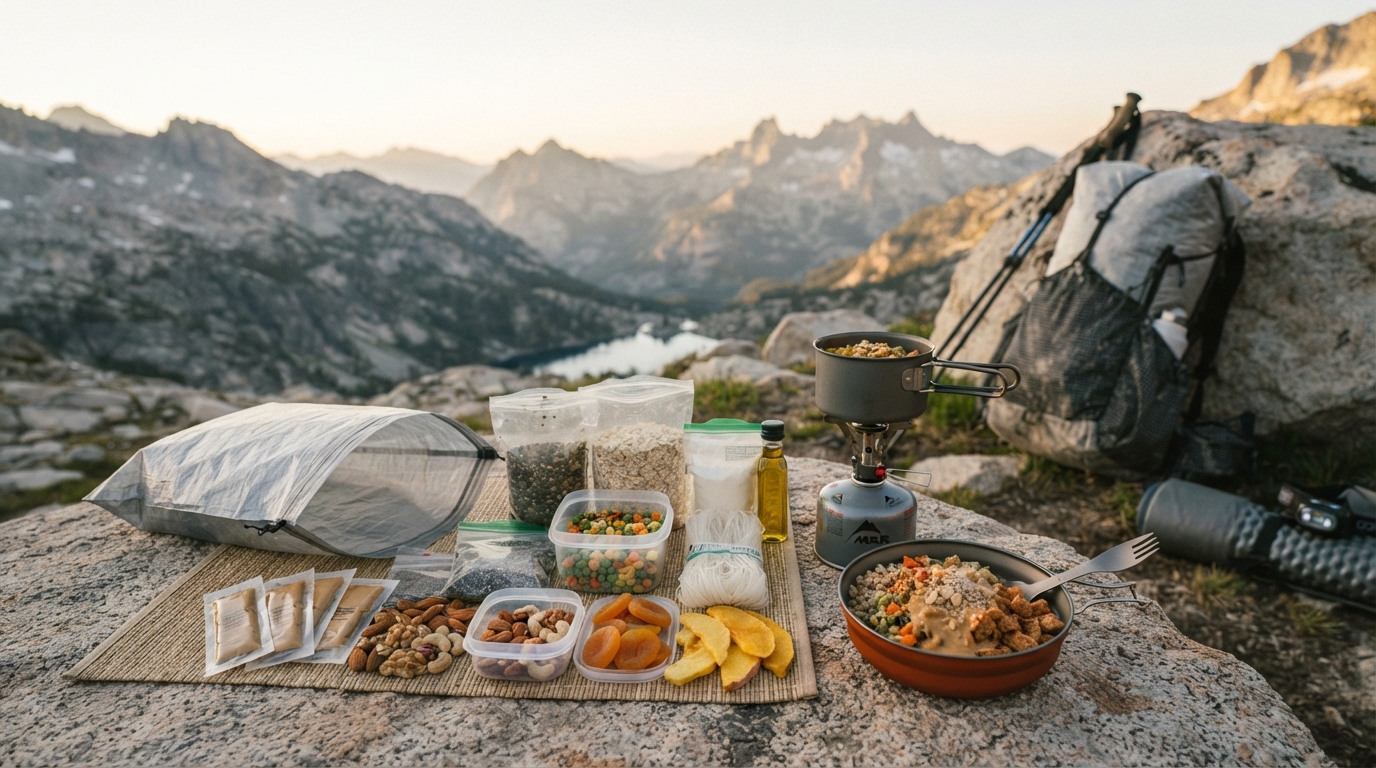
How to Adapt a Standard Backpacking Meal Plan for Dietary Restrictions 🏕️🥾
Introduction
Planning backpacking meals is already a balancing act.
You need enough food for the trip without carrying unnecessary weight. Meals need to be easy to prepare, shelf-stable, satisfying, and realistic to cook when you’re tired after a long day on the trail.
Add a dietary restriction, allergy, intolerance, or personal food preference, and meal planning can become even more complicated.
But you usually don’t need to create an entirely new backpacking menu from scratch.
A better approach is to start with your standard meal plan and identify which ingredients need to change.
Think of it as a food swap system:
Keep the meal structure → identify the problem ingredient → replace it → recalculate nutrition and weight → test it at home.
This approach makes dietary-restricted backpacking much more manageable. 🌿
1. Start With the Standard Meal Plan
Before changing anything, write down your existing menu.
For example:
| Meal | Standard Menu |
|---|---|
| Breakfast | Oatmeal with milk powder and nuts |
| Lunch | Tortilla wraps with cheese |
| Snack | Trail mix |
| Dinner | Pasta with sauce and Parmesan |
| Dessert | Hot chocolate |
Now look at the ingredients rather than immediately replacing entire meals.
This matters because one restricted ingredient doesn’t necessarily make the entire meal unusable.
For example, if dairy is the problem, you might only need to replace:
- Milk powder
- Cheese
- Parmesan
- Dairy-based chocolate
The rest of the menu may remain unchanged.
2. Identify the Exact Restriction 🚨
“Dietary restriction” can mean very different things.
It might involve:
- Food allergy
- Food intolerance
- Celiac disease or medically required gluten avoidance
- Vegetarian eating
- Vegan eating
- Religious dietary requirements
- Low-sodium preferences
- Avoidance of specific ingredients
- Personal food preferences
The first step is understanding exactly what must be avoided.
This is especially important for allergies.
If a food allergy is involved, don’t treat the substitution as merely a taste preference. Cross-contact and ingredient labeling can matter, and packaged foods should be checked carefully.
For a medically necessary diet, use the advice of the appropriate healthcare professional or dietitian when needed.
3. Keep the Meal’s “Job” the Same
When replacing an ingredient, ask:
What was this ingredient doing in the meal?
An ingredient might provide:
- Calories
- Protein
- Fat
- Carbohydrates
- Flavor
- Texture
- Salt
- Creaminess
- Binding
- Convenience
This makes substitutions much easier.
For example, replacing cheese with a random ingredient doesn’t necessarily solve the problem.
Instead, ask:
What did the cheese contribute?
It may have provided fat, protein, calories, salt, and flavor.
The replacement should ideally cover some of those same functions.
4. Dairy-Free: Replace the Function, Not Just the Dairy 🥛
A standard backpacking menu might use:
- Milk powder
- Cheese
- Parmesan
- Cream-based soup
- Dairy-containing chocolate
Depending on your dietary needs, alternatives may include:
- Soy milk powder
- Other plant-based milk powders
- Nutritional yeast
- Dairy-free cheese products
- Olive oil
- Coconut milk powder
- Dairy-free instant soup mixes
For oatmeal, powdered plant milk can replace powdered dairy milk.
For pasta, olive oil and nutritional yeast can provide richness and savory flavor without relying on cheese.
Always check the label of packaged products, especially if the restriction involves an allergy rather than a preference.
5. Gluten-Free: Don’t Just Replace the Pasta 🌾
Gluten-free backpacking requires more than finding gluten-free pasta.
Common ingredients that may require checking include:
- Pasta
- Tortillas
- Crackers
- Granola
- Instant soups
- Seasoning packets
- Soy sauce
- Bouillon
- Protein bars
- Packaged sauces
Possible alternatives include:
- Gluten-free pasta
- Corn tortillas
- Rice
- Quinoa
- Certified gluten-free oats
- Rice noodles
- Potatoes
- Gluten-free crackers
For people with celiac disease, ingredient selection and cross-contact prevention are particularly important.
Don’t assume that a food is safe simply because it doesn’t obviously contain wheat.
Check the product label and applicable allergen or gluten information.
6. Vegan: Replace Animal-Based Protein and Fat 🌱
A standard backpacking menu may contain:
- Cheese
- Milk powder
- Meat
- Jerky
- Tuna
- Chicken
- Whey-based protein products
Possible vegan replacements include:
- TVP
- Soy curls
- Dehydrated lentils
- Dehydrated beans
- Soy nuts
- Peanut butter
- Nut butter
- Seeds
- Plant-based protein powder
- Nutritional yeast
For example:
Chicken + rice dinner
could become:
TVP + rice + dehydrated vegetables + seasoning + olive oil
The goal is to preserve the basic meal structure while changing the protein source.
7. Vegetarian: Check More Than Meat
Vegetarian backpacking is often relatively easy to adapt, but hidden animal-derived ingredients can still matter depending on the person’s specific dietary boundaries.
Look carefully at:
- Soup mixes
- Bouillon
- Seasoning packets
- Instant noodles
- Cheese-based products
- Protein bars
- Sauces
A vegetarian dinner could use:
Couscous + lentils + dehydrated vegetables + olive oil
instead of a meat-based couscous meal.
This keeps the meal lightweight while providing carbohydrates, protein, and fat.
8. Low-Sodium: The Seasoning Packet Is Often the Problem 🧂
If you’re deliberately reducing sodium, packaged backpacking foods deserve careful label checking.
Potentially high-sodium ingredients include:
- Instant noodles
- Soup mixes
- Bouillon
- Seasoning packets
- Jerky
- Processed meat alternatives
- Packaged sauces
- Cheese
- Prepared dehydrated meals
Instead of relying heavily on a commercial seasoning packet, build your own flavor mixture.
Try combinations such as:
- Garlic powder
- Onion powder
- Smoked paprika
- Black pepper
- Chili powder
- Dried herbs
- Lemon powder
The exact ingredients depend on your dietary requirements and the products available to you.
For a low-sodium meal, compare nutrition labels rather than assuming that a food marketed as “healthy” or “natural” is automatically low in sodium.
9. Nut-Free: Look Beyond Peanut Butter 🥜
Nut butter is popular in backpacking because it provides substantial calories in a compact package.
But it isn’t appropriate for everyone.
Depending on the restriction, alternatives might include:
- Sunflower seed butter
- Pumpkin seeds
- Sunflower seeds
- Tahini, if sesame is safe for the individual
- Roasted chickpeas
- Seed-based trail mixes
Be careful with packaged foods if the restriction involves an allergy.
A product can contain an allergen directly or carry a cross-contact warning.
Read the label every time, particularly when switching brands.
10. Soy-Free: Read the Ingredients List Carefully
Soy appears in many foods that backpackers may use for protein or convenience.
It can occur in:
- TVP
- Soy protein
- Tofu-based products
- Some protein bars
- Some meat alternatives
- Some sauces
- Some packaged snacks
If soy must be avoided, look for alternatives such as:
- Lentils
- Beans
- Pea protein products
- Seeds
- Nuts, if safe
- Certain grain-based foods
Again, the appropriate substitute depends on the person’s complete dietary requirements.
11. Make a Simple Swap Table
One of the easiest ways to modify a standard menu is to create a substitution table.
| Standard Ingredient | Possible Alternative |
|---|---|
| Milk powder | Plant-based milk powder |
| Cheese | Nutritional yeast or suitable dairy-free alternative |
| Wheat pasta | Gluten-free pasta or rice noodles |
| Meat | TVP, lentils, beans, or other suitable plant protein |
| Peanut butter | Sunflower seed butter, if appropriate |
| Bouillon | Lower-sodium or restriction-compatible seasoning |
| Whey protein | Plant-based protein powder |
| Wheat tortilla | Corn or gluten-free tortilla |
These are starting points, not universal replacements.
Always check the actual nutrition label and ingredients of the product you choose.
12. Don’t Forget Calories ⚡
This is one of the biggest mistakes when modifying a backpacking meal.
You may successfully remove the restricted ingredient but accidentally remove a significant amount of energy.
For example:
Cheese removed → calories decrease
or:
Nut butter removed → calories decrease
or:
Meat removed → protein and calories change
The replacement needs to fit the nutritional role of the original food.
After making each substitution, recalculate:
- Total calories
- Protein
- Carbohydrates
- Fat
- Weight
The replacement doesn’t need to have identical nutrition, but you should know how the meal changed.
13. Check the Weight Too 🎒
A dietary substitute can be nutritionally appropriate but impractical for backpacking.
Fresh or water-heavy alternatives can add substantial pack weight.
When comparing options, look at:
Calories per ounce
and, when relevant:
Protein per ounce
For example, a shelf-stable powder may be more convenient for backpacking than a ready-to-drink product because you’re not carrying unnecessary water.
This is particularly important on longer trips.
14. Don’t Forget Cooking Time
A substitution can also change how the meal cooks.
For example:
- Regular pasta may cook differently from gluten-free pasta.
- Dehydrated beans may require more water or preparation.
- Different noodles may have different cooking times.
- Some plant-based proteins rehydrate quickly.
- Certain powdered ingredients need extra mixing.
A meal that looked perfect on paper can become frustrating when you’re hungry and standing at camp.
Write the required water amount and preparation time directly on each meal bag.
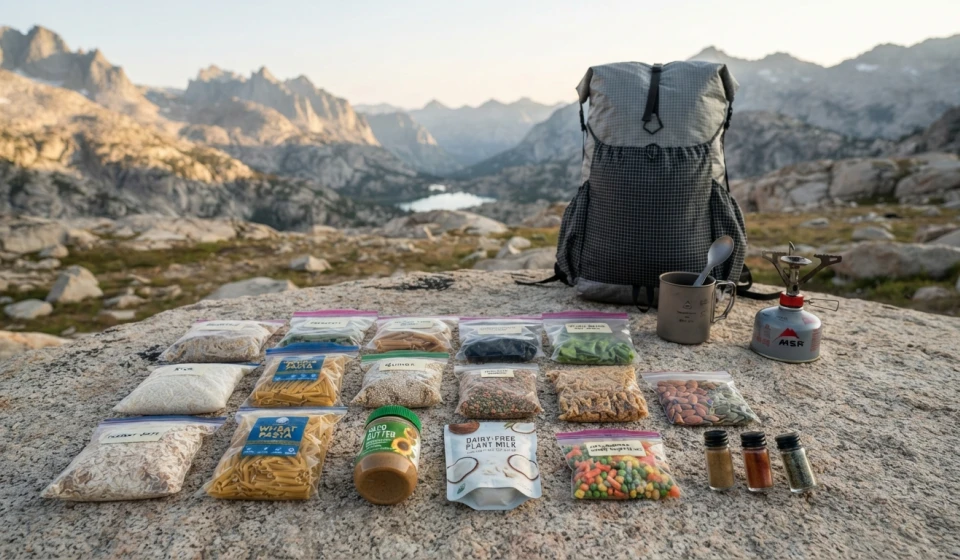
15. Build Meals From Components
A modular backpacking menu makes dietary restrictions easier.
Think in components:
Base
- Rice
- Couscous
- Pasta
- Oats
- Potatoes
- Tortillas
Protein
- Lentils
- Beans
- TVP
- Seeds
- Protein powder
Fat
- Olive oil
- Nut butter
- Seed butter
- Nuts
- Seeds
Flavor
- Spices
- Herbs
- Curry powder
- Nutritional yeast
- Suitable sauce powder
Now you can change one component without redesigning everything.
For example:
Rice + protein + vegetables + sauce
can produce several different dinners.
16. Use the Same Meal More Than Once
You don’t necessarily need seven completely different dinners.
A simple trip menu could use a few reliable meal templates.
Dinner 1
Rice + lentils + curry seasoning
Dinner 2
Rice + TVP + vegetables + chili seasoning
Dinner 3
Rice + beans + taco seasoning
The base remains familiar while the flavor changes.
This can reduce shopping, packaging, and preparation complexity.
17. Make a “Safe Food” List Before Shopping 📝
For a serious allergy or medically required restriction, create a list of foods you already know fit the person’s requirements.
Divide it into:
Safe staples
Safe protein sources
Safe snacks
Safe seasonings
Foods requiring label checks
This prevents you from making last-minute substitutions based on assumptions.
For packaged products, keep the package or photograph the ingredient and allergen information before repackaging the food.
18. Be Careful When Repackaging Food
Repackaging can save space and reduce unnecessary packaging.
But don’t throw away information you may need.
Keep a record of:
- Product name
- Ingredients
- Allergen information
- Preparation instructions
- Nutrition information
- Expiration or best-by information where relevant
For allergy-sensitive trips, this information can be especially useful.
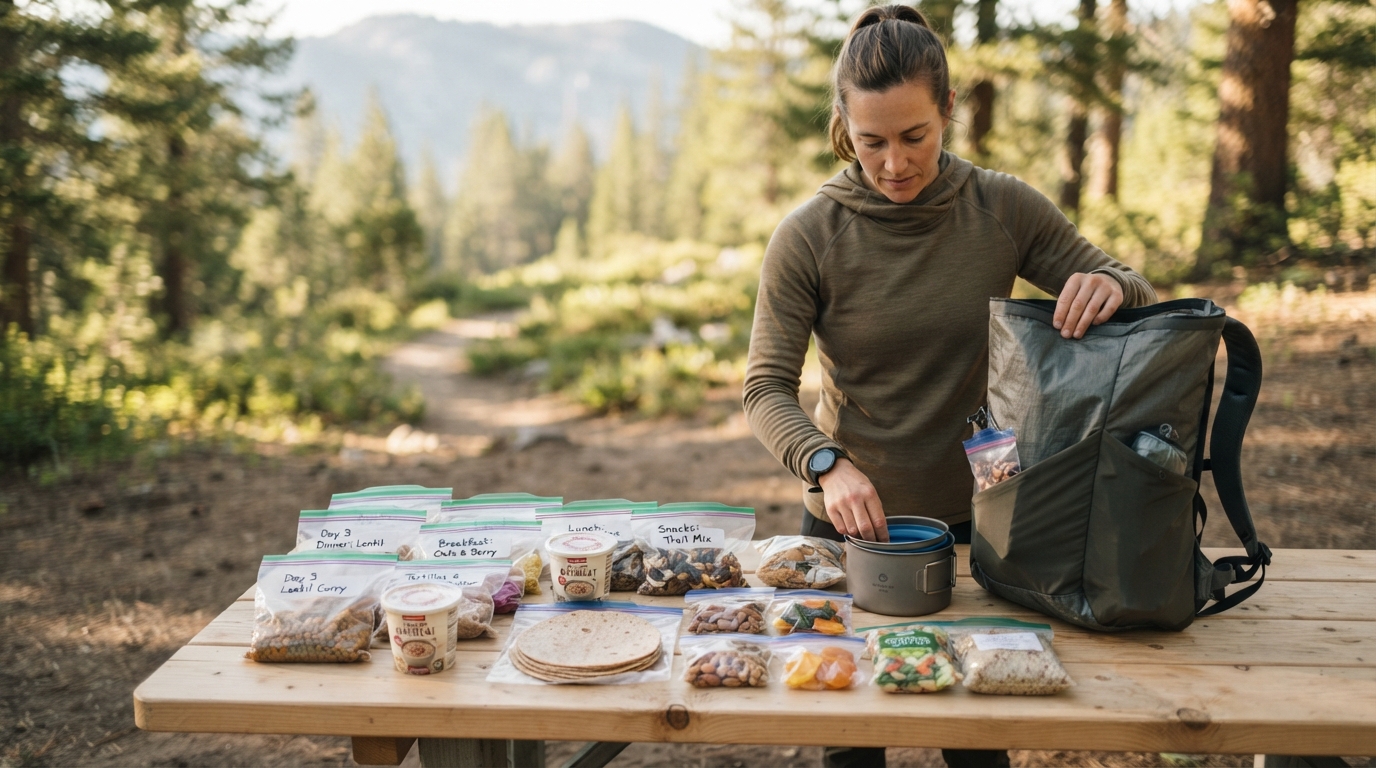
Label each food bag clearly.
Instead of:
“Dinner”
write:
“Day 3 Dinner — Lentil Curry — Add 1¼ cups water — 10 min”
It reduces decision-making when you’re tired.
19. Test the Entire Menu Before the Trip 🏕️
This is one of the most important steps.
Don’t discover on day three that your substitute causes problems with:
- Taste
- Texture
- Digestion
- Portion size
- Rehydration
- Cooking time
- Hunger
- Energy
Prepare at least one full version of each new meal at home.
If the meal is intended for a longer trip, try it during a training hike or active day.
Backpacking food should be tested in realistic conditions whenever possible.
20. Have a Backup Snack
Dietary restrictions make food mistakes more difficult to solve on the trail.
Carry at least one reliable snack that fits the dietary requirement and that you know you can eat.
Examples might include:
- Suitable energy bars
- Seed butter packets
- Dried fruit
- Trail mix
- Crackers
- Nuts, when appropriate
- Roasted legumes
The exact choice depends on the restriction.
The important part is having something dependable if a planned meal doesn’t work.
A Simple Adaptation Formula 🔄
Instead of rebuilding your entire backpacking menu, use this process:
1. Start with your normal meal.
2. Identify restricted ingredients.
3. Ask what each ingredient contributes.
4. Choose a suitable replacement.
5. Recalculate calories and weight.
6. Check cooking and water requirements.
7. Verify the ingredient and allergen information.
8. Test the meal at home.
9. Package and label it clearly.
10. Pack a safe backup snack.
This turns dietary-restricted meal planning into a manageable system rather than a completely new project.
Example: Adapting One Standard Day
Imagine a standard menu:
Breakfast: Oatmeal + milk powder + nuts
Lunch: Tortilla + cheese + trail mix
Snack: Granola bar
Dinner: Pasta + meat sauce + Parmesan
A vegan, dairy-free adaptation could become:
Breakfast: Oatmeal + plant milk powder + nut or seed butter
Lunch: Suitable tortilla + hummus or another appropriate spread + trail mix
Snack: Vegan-compatible bar
Dinner: Pasta + lentil or TVP sauce + nutritional yeast
Notice what happened.
The entire menu didn’t need to be reinvented.
The structure stayed the same.
Only the ingredients performing certain functions changed.
That is the real advantage of modular meal planning.
Final Thoughts 🌲
Dietary restrictions don’t have to make backpacking meal planning unnecessarily complicated.
The easiest approach is usually to start with a meal plan you already understand and modify it systematically.
Identify the restricted ingredients. Determine what they contribute. Find appropriate alternatives. Then check calories, protein, weight, cooking time, ingredients, and food safety before packing.
For allergies and medically necessary diets, be especially careful with labels and cross-contact rather than relying on assumptions about whether a product is “probably safe.”
Most importantly, test your substitutions before the trip.
A good backpacking meal isn’t just one that technically fits a dietary requirement. It should also be practical to carry, easy to prepare, satisfying enough to eat after a long day, and reliable enough that you don’t have to rethink your menu at camp. 🎒🌱
With a modular approach, your standard backpacking menu can become a flexible system that works for different dietary needs without adding unnecessary complexity or pack weight.