High-Protein Vegan Trail Meals: How to Plan Your Daily Protein Intake
Introduction 🌱
Eating enough protein on a backpacking trip can be challenging, especially when you follow a vegan diet. Fresh tofu, beans, and other everyday protein sources may be nutritious, but they are not always convenient to carry for several days without refrigeration.
The good news is that a vegan trail menu can provide plenty of protein using lightweight, shelf-stable foods such as textured vegetable protein, lentils, soy curls, peanut butter, nuts, seeds, and protein powder.
The key is to plan your meals around protein, calories, weight, and convenience rather than relying on one ingredient to meet your entire daily needs.
This guide compares practical vegan protein sources, explains how to estimate your daily intake, and provides a sample one-day backpacking menu with approximate protein amounts.
1. How Much Protein Do You Need on the Trail?
Protein helps maintain and repair muscles, including the muscles working hard during long hikes. However, your needs depend on your body size, activity level, overall calorie intake, and recovery demands.
For healthy adults, the general recommended dietary allowance is approximately 0.8 grams of protein per kilogram of body weight per day. People doing prolonged endurance activity or demanding physical training may benefit from higher intakes, although individual needs vary.
For example:
| Body weight | Basic daily reference |
|---|---|
| 50 kg (110 lb) | 40 g |
| 60 kg (132 lb) | 48 g |
| 70 kg (154 lb) | 56 g |
| 80 kg (176 lb) | 64 g |
These figures are general reference amounts, not a personalized backpacking prescription. A demanding multi-day hike may require more attention to total nutrition, especially if you are eating fewer calories than you burn.
Important: Protein alone cannot compensate for inadequate food intake. Your body also needs enough carbohydrates and fats to fuel long hiking days.
2. Best Vegan Protein Sources for Backpacking
The most useful trail proteins are shelf-stable, reasonably lightweight, easy to prepare, and compatible with your cooking setup.
| Food | Approximate protein | Why it works on the trail |
|---|---|---|
| Textured vegetable protein (TVP), ¼ cup dry | 12–13 g | Lightweight, inexpensive, rehydrates quickly |
| Soy curls, ½ cup dry | 10–11 g | Versatile in soups, curries, and rice meals |
| Red lentils, ¼ cup dry | 6 g | Cook into filling meals; require more fuel |
| Peanut butter, 2 tbsp | 7–8 g | Calorie-dense and easy to add to meals |
| Hemp hearts, 3 tbsp | 9–10 g | Easy to sprinkle over oatmeal or noodles |
| Pumpkin seeds, ¼ cup | 8–9 g | Portable snack with protein and fat |
| Roasted edamame, ¼ cup | 13–14 g | Convenient, crunchy, and protein-rich |
| Vegan protein powder, 1 scoop | 20–25 g | Concentrated protein with little preparation |
| Almonds, ¼ cup | 6 g | Convenient snack, but relatively bulky for the protein provided |
Protein amounts are approximate. Brands, serving sizes, and preparation methods can change the actual values. Check product labels when planning your meals.
Which sources are most practical?
- Best lightweight meal addition: TVP and soy curls.
- Best no-cook options: Roasted edamame, nuts, seeds, and protein powder.
- Best calorie boost: Peanut butter and other nut or seed butters.
- Best for variety: Lentils, soy products, and seed toppings.
You do not need to carry every option. Choose a few that you enjoy and can prepare reliably.
3. Sample One-Day High-Protein Vegan Backpacking Menu
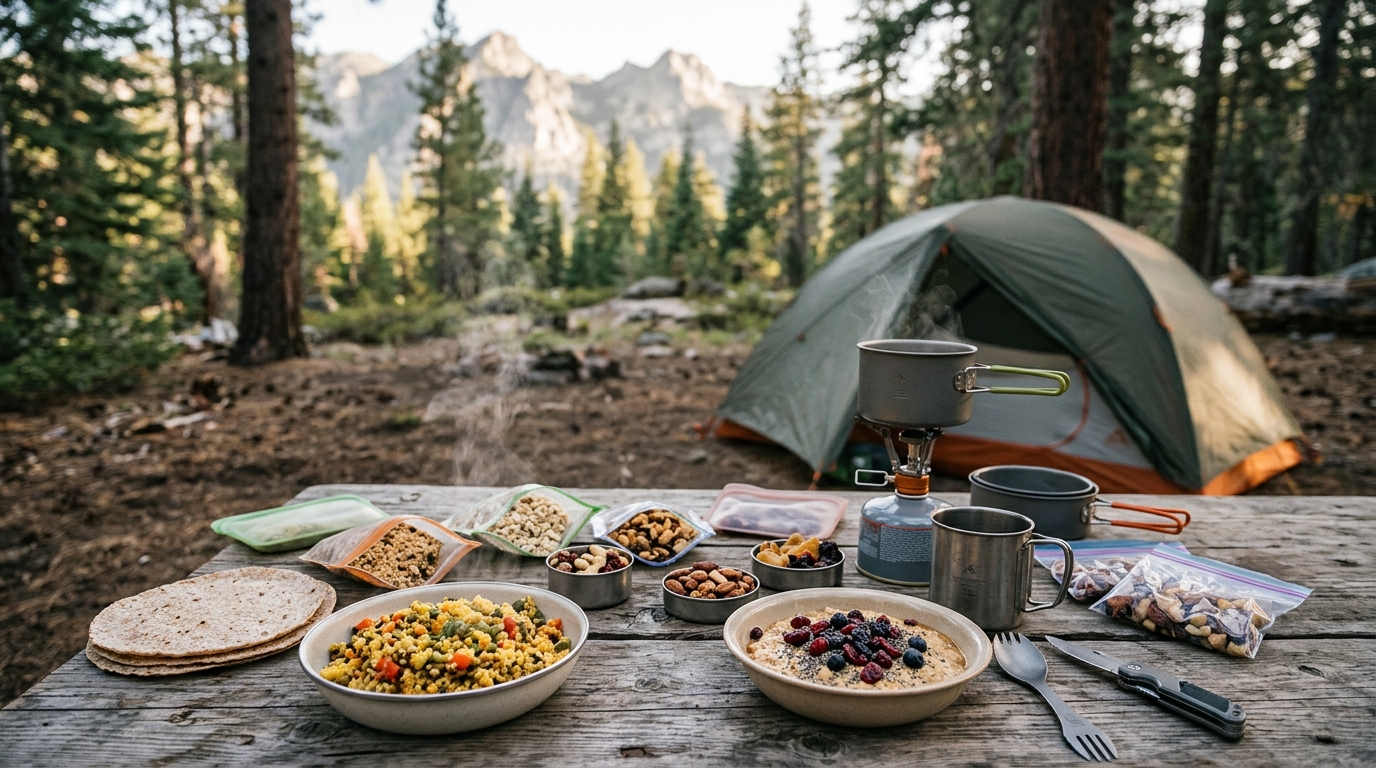
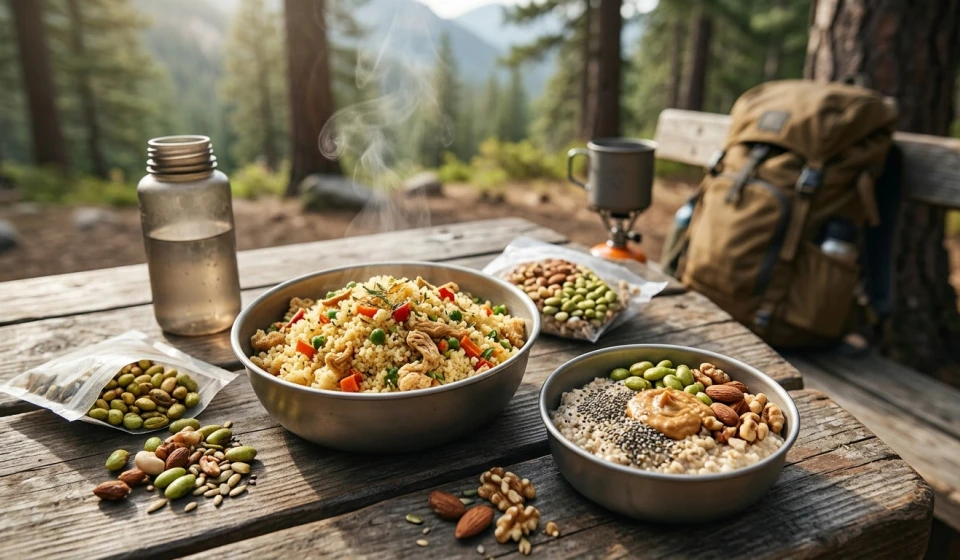
Here is a practical menu using common shelf-stable ingredients. It combines protein across breakfast, lunch, dinner, and snacks instead of concentrating everything in one meal.
Estimated protein amounts; actual values depend on brands and serving sizes.
| Meal | Trail food | Approx. protein |
|---|---|---|
| Breakfast | Oatmeal with 2 tbsp peanut butter, 2 tbsp hemp hearts, and dried fruit | 17–19 g |
| Morning snack | ¼ cup roasted edamame | 13–14 g |
| Lunch | Tortilla with 2 tbsp peanut butter and a small serving of roasted seeds | 11–13 g |
| Afternoon snack | One scoop vegan protein powder mixed with water | 20–25 g |
| Dinner | Couscous with ½ cup dry soy curls, seasoning, and dried vegetables | 22–25 g |
| Daily total | 83–96 g |
This is a sample, not a mandatory target. Some hikers may need less protein, while larger or highly active hikers may need more.
Easy meal adjustments
- Need more calories? Add olive oil, peanut butter, nuts, or extra portions of carbohydrates.
- Need more protein? Increase TVP, soy curls, roasted edamame, or protein powder.
- Want less cooking? Replace lentils with instant couscous and pre-cooked or dehydrated protein ingredients.
- Prefer less soy? Use a combination of lentils, hemp hearts, pumpkin seeds, peanut butter, and a suitable vegan protein powder.
Remember that increasing protein portions also increases food weight. Balance your menu against your total calorie needs and pack weight.
4. Protein Is Only One Part of Trail Nutrition
A common mistake is planning meals around protein while overlooking the energy required for hiking.
Backpacking can involve several hours of walking with a loaded pack, climbing, and navigating uneven terrain. Your calorie needs can rise substantially depending on distance, elevation, body size, weather, and hiking pace.
A balanced vegan trail menu should include:
- Carbohydrates: Oats, rice, couscous, tortillas, pasta, and dried fruit provide hiking fuel.
- Protein: TVP, soy curls, lentils, nuts, seeds, and vegan protein powder support muscle maintenance and repair.
- Fats: Olive oil, nut butter, seeds, and nuts add concentrated energy.
- Fiber: Beans, lentils, oats, and dried fruit contribute fiber, but very large portions may cause digestive discomfort during strenuous activity.
- Micronutrients: Choose varied foods and consider how your overall diet supplies iron, calcium, vitamin B12, and other nutrients.
For a long hiking day, eating enough total food may be more important than chasing a high protein number.
5. Adjust Portions to Your Appetite and Food Preferences
There is no single perfect vegan backpacking menu. Your portions should reflect your appetite, body size, hiking conditions, and food tolerance.
If you have a smaller appetite: Choose compact, energy-dense foods such as nut butter, olive oil, and protein powder. Smaller meals and frequent snacks may be easier than large servings.
If you prefer whole-food ingredients: Build meals around lentils, oats, nuts, seeds, and soy foods. Keep in mind that some whole foods require more water, fuel, or cooking time.
If you dislike soy: Use more lentils, chickpeas, hemp hearts, pumpkin seeds, and vegan protein powder made from peas or other suitable plant proteins.
If you have a sensitive stomach: Test high-fiber foods and protein powders before your trip. A new food that works at home may cause discomfort during a demanding hike.
If you hike in cold weather: You may prefer warm, substantial meals and hot drinks. Pack enough fuel and water for the cooking method you plan to use.
6. Practical Packing Tips for Vegan Trail Protein
A good meal plan should be easy to prepare when you are tired, hungry, and ready to set up camp.
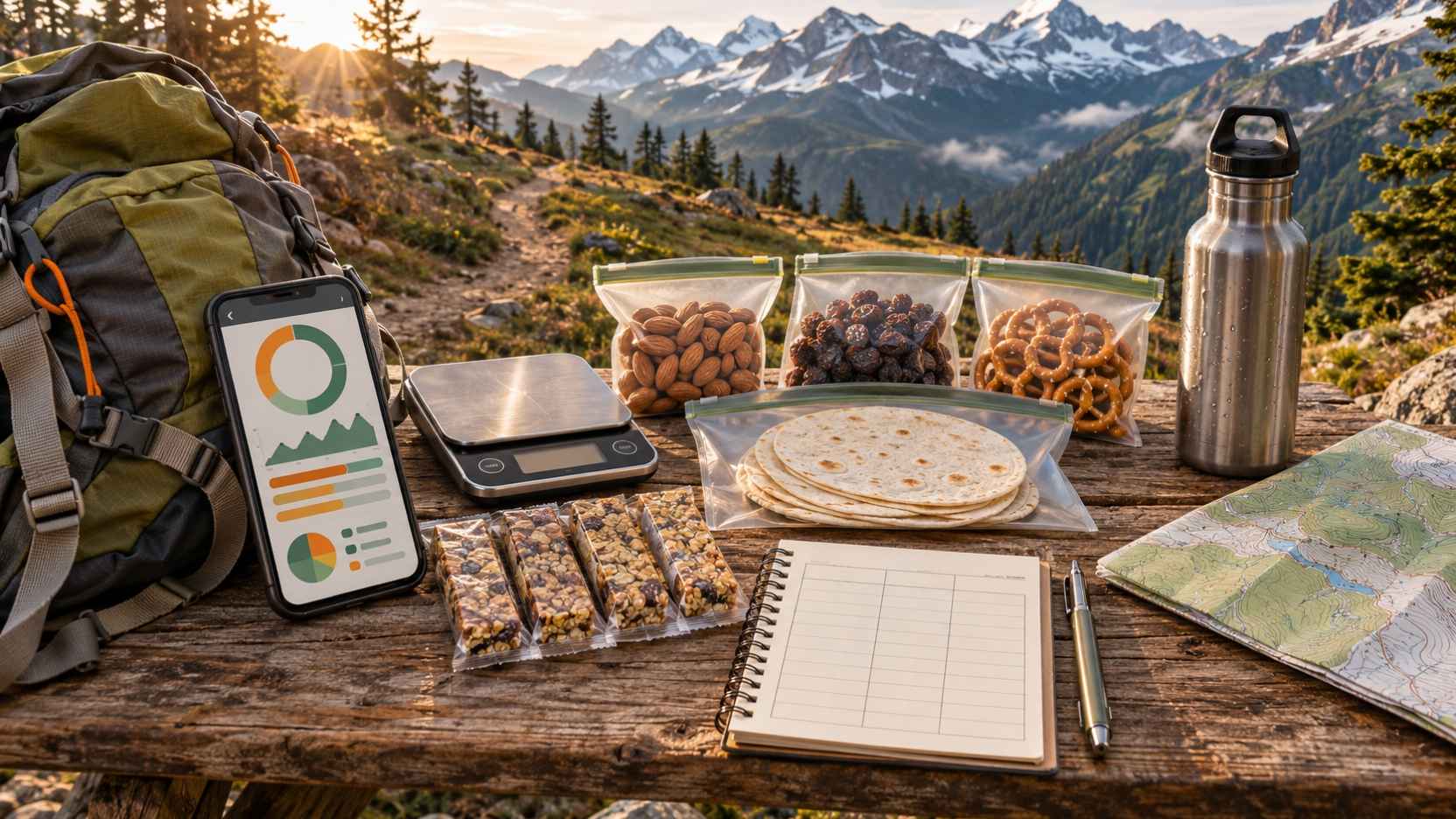
- Pre-portion ingredients: Measure TVP, soy curls, seeds, and seasonings into individual meal bags.
- Choose quick-cooking foods: Couscous and quick oats need less cooking time than many whole dried legumes.
- Protect powdered foods: Use sealed, durable containers or bags to prevent spills.
- Check allergens: Peanut, soy, tree nut, and seed products can create serious allergy risks for some hikers.
- Test meals before departure: Try the recipes at home to check taste, texture, portion size, and digestion.
- Plan water and fuel: Dehydrated ingredients need water, and some meals require more cooking fuel than others.
For longer trips, also consider food storage rules, wildlife precautions, and the possibility of resupply limitations.
Final Thoughts 🥾
High-protein vegan backpacking meals do not need to be complicated. With a few reliable ingredients, you can build satisfying meals that provide protein while remaining practical to carry and prepare.
Start with your approximate protein needs, spread protein across meals and snacks, and adjust portions according to your energy demands. Use TVP, soy curls, lentils, roasted edamame, nuts, seeds, and vegan protein powder to create variety without depending on fresh refrigerated foods.
Most importantly, do not let protein planning distract you from eating enough overall. A successful trail menu supports the entire hike: energy, recovery, comfort, and enjoyment.