Dairy-Free Backpacking Meals That Are Easy to Pack and Prepare
Introduction 🏕️
Backpacking is easier when your meals are simple, lightweight, nutritious, and easy to prepare. But if you avoid dairy because of lactose intolerance, a milk allergy, personal preference, or dietary restrictions, planning trail food requires a little extra attention.
Many popular backpacking meals contain milk powder, whey, cheese, butter, or other dairy ingredients. Even some instant soups, mashed potato mixes, seasoning packets, and protein bars may contain hidden milk derivatives.
The good news is that you do not need expensive specialty products to build a satisfying dairy-free backpacking menu.
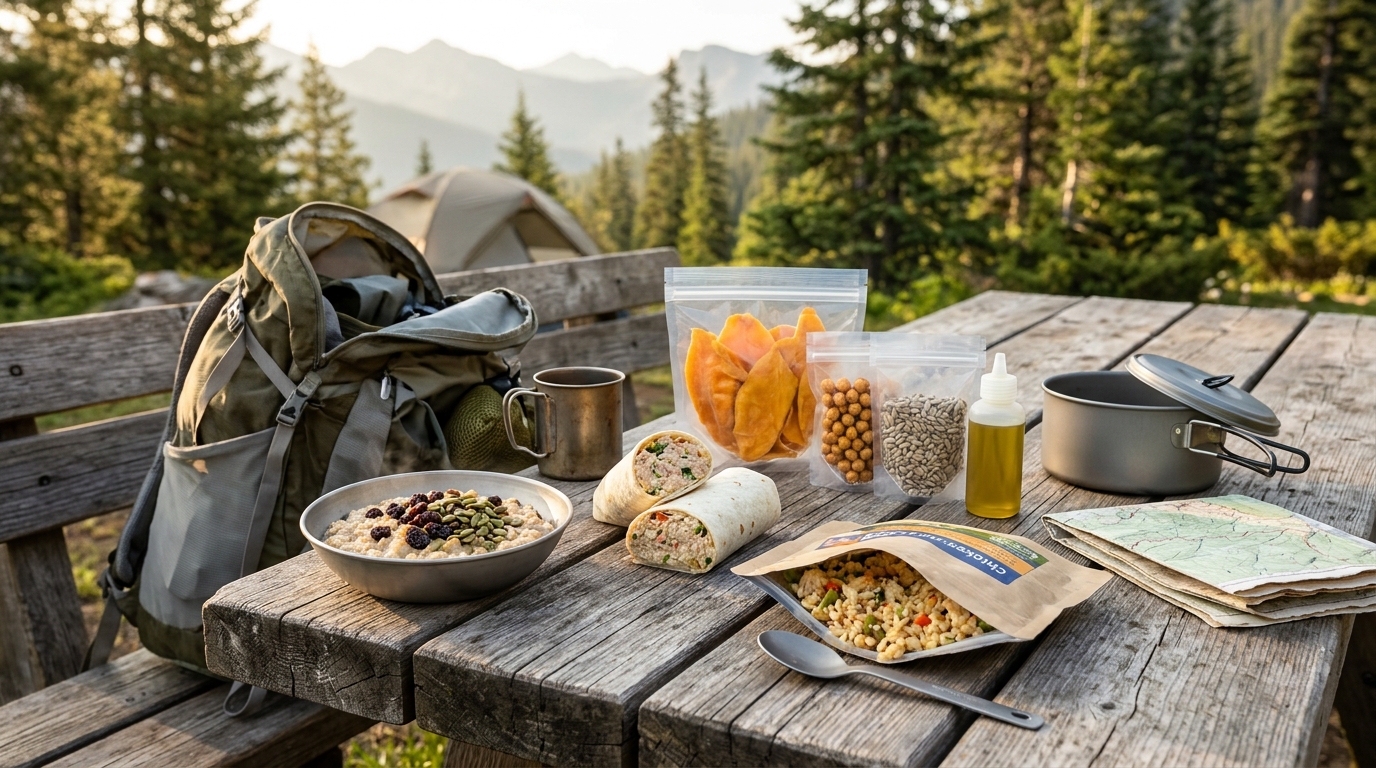
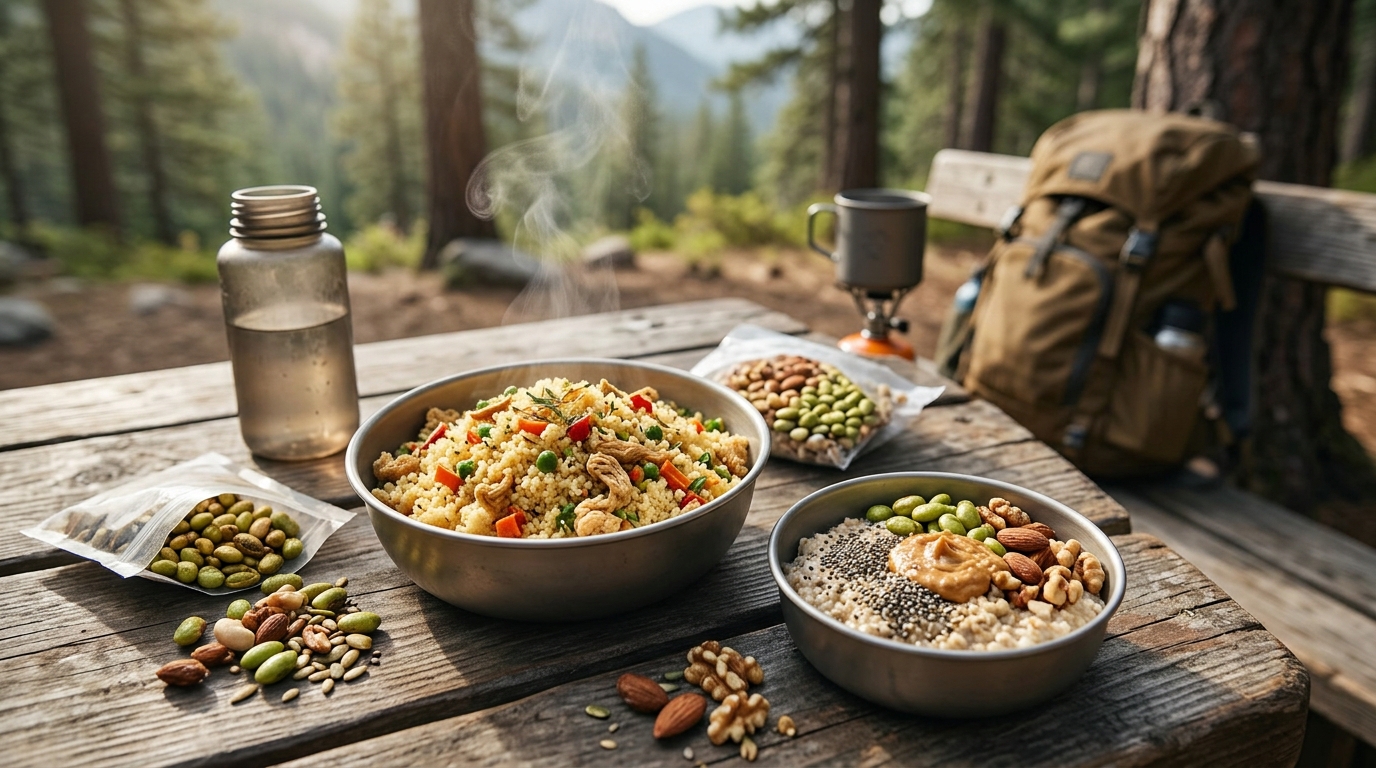
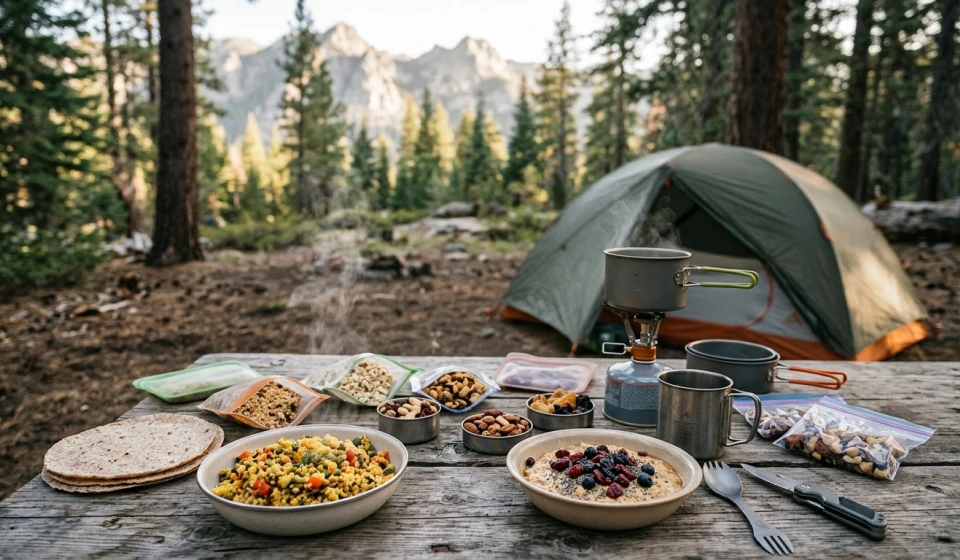
With shelf-stable ingredients such as oatmeal, instant rice, couscous, beans, lentils, nuts, seeds, dried fruit, and plant-based milk powder, you can prepare practical trail meals without refrigeration.
This guide includes a complete five-day dairy-free backpacking menu, ingredient substitutions, packing tips, label-reading advice, and estimated daily nutrition. The goal is to help you eat well on the trail without carrying unnecessary weight or complicated ingredients.
🌿 What Makes a Good Dairy-Free Backpacking Meal?
A good backpacking meal should meet several practical requirements.
1. Completely dairy-free ingredients
Check for milk, whey, casein, butter, cheese, milk powder, and other dairy-derived ingredients. If you have a milk allergy, also consider cross-contact warnings.
2. Lightweight and compact
Choose dehydrated, dried, or shelf-stable foods whenever practical. They reduce the amount of weight you carry compared with many fresh alternatives.
3. Enough calories
Backpacking increases energy requirements, particularly during long or strenuous hiking days. Your food plan should provide enough energy for your route, pack weight, weather, and individual needs.
4. Easy preparation
Meals that require only boiling water or a short cooking time help conserve fuel and simplify camp routines.
5. A balance of nutrients
Include carbohydrates for energy, protein for muscle maintenance and recovery, and fats for concentrated calories. Fiber-rich foods also contribute to digestive health, although sudden increases in fiber may cause discomfort during strenuous hiking.
🛒 Essential Shelf-Stable Dairy-Free Backpacking Foods
You can build an entire backpacking menu using ordinary grocery-store ingredients.
| Food category | Practical options | How to use |
|---|---|---|
| Grains | Oats, couscous, instant rice | Breakfasts and dinners |
| Protein | Lentils, beans, soy chunks, TVP | Main meals |
| Healthy fats | Peanut butter, olive oil, nuts | Add calories |
| Fruit | Raisins, dried apples, dates | Snacks and breakfast |
| Vegetables | Dehydrated vegetables, sun-dried tomatoes | Soups and dinners |
| Seeds | Chia, flax, pumpkin seeds | Oatmeal and snacks |
| Dairy-free milk | Soy milk powder, coconut milk powder | Breakfasts and drinks |
| Flavorings | Curry powder, garlic, nutritional yeast | Improve meal variety |
Important: Not every plant-based or powdered product is automatically dairy-free. Check the manufacturer’s ingredient list and allergen information.
🥾 Five-Day Dairy-Free Backpacking Meal Plan
This sample menu is designed for one adult on a moderate backpacking trip. It uses common grocery-store ingredients, requires minimal cooking, and avoids intentional dairy ingredients.
The portions are starting estimates, not universal calorie requirements. Adjust them according to your body size, hiking distance, elevation gain, weather, and appetite.
Day 1: Easy Start
BREAKFAST · LUNCH · DINNER · TRAIL SNACKS
- Breakfast: Peanut butter banana oatmeal with chia seeds. Combine instant oats, powdered soy milk, dried banana, peanut butter, and chia seeds.
- Lunch: Tortillas with peanut butter and dried cranberries. Add a handful of roasted peanuts.
- Dinner: Couscous with red lentils, dehydrated carrots, olive oil, and curry seasoning.
- Snacks: Trail mix, dark chocolate verified dairy-free, and dried apricots.
Estimated daily nutrition: 2,600–2,800 calories · 90–105 g protein · 35–42 g fiber · 1.3–1.5 lb food
Day 2: High-Energy Trail Day
- Breakfast: Overnight-style oats with raisins, walnuts, soy milk powder, and cinnamon.
- Lunch: Tortilla wraps with hummus powder, olive oil, and dehydrated vegetables.
- Dinner: Instant rice with TVP (textured vegetable protein), tomato powder, garlic, and Italian seasoning.
- Snacks: Peanut butter packets, dates, pumpkin seeds, and an energy bar with verified dairy-free ingredients.
Estimated daily nutrition: 2,700–2,900 calories · 90–110 g protein · 32–40 g fiber · 1.3–1.5 lb food
Day 3: Simple and Filling
- Breakfast: Oatmeal with peanut butter, dried blueberries, flaxseeds, and cinnamon.
- Lunch: Couscous salad with chickpeas, sun-dried tomatoes, olive oil, and lemon seasoning.
- Dinner: Dairy-free instant mashed potatoes with seasoned lentils, dehydrated peas, and nutritional yeast.
- Snacks: Mixed nuts, dried mango, and a dairy-free protein bar.
Estimated daily nutrition: 2,600–2,800 calories · 85–105 g protein · 35–43 g fiber · 1.3–1.5 lb food
Day 4: Variety Without Extra Complexity
- Breakfast: Apple cinnamon oatmeal with chia seeds, walnuts, and powdered soy milk.
- Lunch: Peanut butter tortilla with dried banana and roasted peanuts.
- Dinner: Curried rice with dehydrated vegetables, TVP, coconut milk powder, and curry seasoning.
- Snacks: Dates, sunflower seeds, dairy-free crackers, and dark chocolate.
Estimated daily nutrition: 2,600–2,900 calories · 85–105 g protein · 32–40 g fiber · 1.3–1.5 lb food
Day 5: Easy Final-Day Meals
- Breakfast: Peanut butter oatmeal with raisins, flaxseeds, and cinnamon.
- Lunch: Tortilla wraps with hummus powder, olive oil, and dehydrated vegetables.
- Dinner: Instant rice with red lentils, tomato powder, garlic, and seasoning.
- Snacks: Trail mix, dried fruit, and a dairy-free energy bar.
Estimated daily nutrition: 2,500–2,800 calories · 85–105 g protein · 32–40 g fiber · 1.2–1.5 lb food
Nutrition and food-weight figures are approximate planning estimates. They depend on brands, portion sizes, recipes, and packaging. The weights represent food only, not cooking equipment, water, or fuel.
📊 Daily Nutrition Summary
Here is a quick comparison of the five-day menu.
| Day | Calories | Protein | Fiber |
|---|---|---|---|
| Day 1 | 2,600–2,800 | 90–105 g | 35–42 g |
| Day 2 | 2,700–2,900 | 90–110 g | 32–40 g |
| Day 3 | 2,600–2,800 | 85–105 g | 35–43 g |
| Day 4 | 2,600–2,900 | 85–105 g | 32–40 g |
| Day 5 | 2,500–2,800 | 85–105 g | 32–40 g |
These are illustrative targets for the sample portions, not laboratory-verified values or individualized dietary recommendations.
A practical planning tip: If your daily energy needs are higher, increase calorie-dense foods such as olive oil, peanut butter, nuts, and seeds. These provide substantial energy without adding as much weight as bulky foods.
🔄 Easy Ingredient Substitutions
You do not need to purchase every ingredient listed in the menu. Many backpacking foods can be substituted with affordable alternatives.
| If you cannot use… | Try instead… |
|---|---|
| Milk powder | Soy milk or coconut milk powder |
| Butter | Olive oil or coconut oil |
| Cheese | Nutritional yeast or dairy-free cheese powder |
| Creamy soup mixes | Coconut milk powder with vegetable broth |
| Whey protein | Soy or pea protein powder |
| Cheese-flavored pasta | Plain pasta with nutritional yeast and seasonings |
| Yogurt | Shelf-stable dairy-free yogurt powder, if available |
| Milk-based energy bars | Nut-and-fruit bars with verified ingredients |
Budget tip: You do not need to buy specialty vegan backpacking meals. Ordinary supermarket staples are often more economical and easier to portion yourself.
🥜 Best Shelf-Stable Foods to Pack
Choosing ingredients that do not require refrigeration makes meal planning much easier.
Here are some reliable options:
Carbohydrates
- Instant oatmeal
- Couscous
- Instant rice
- Tortillas
- Instant mashed potatoes
- Dehydrated pasta
Protein
- Textured vegetable protein
- Dried lentils
- Dehydrated or commercially dried beans
- Roasted soybeans
- Peanut butter
- Pumpkin seeds
Healthy fats
- Olive oil in leakproof containers
- Peanut butter packets
- Walnuts
- Almonds
- Sunflower seeds
Flavor and variety
- Garlic powder
- Curry powder
- Nutritional yeast
- Tomato powder
- Dehydrated onions
- Chili flakes
- Dried herbs
Choose commercially shelf-stable products and follow their storage instructions. Homemade dehydrated foods require particular attention to safe preparation, complete drying, and storage. Do not assume that a homemade food is shelf-stable simply because it feels dry.
🏷️ How to Read Food Labels for Hidden Dairy
This is especially important if you are avoiding dairy because of a milk allergy.
Some products that appear dairy-free may contain milk-derived ingredients.
Check the ingredient list for:
- Milk and milk solids
- Whey
- Casein and caseinates
- Milk powder
- Butter and butterfat
- Cream
- Cheese powder
- Lactalbumin
- Lactoglobulin
Also check for milk allergen declarations and precautionary statements such as “may contain milk” or “made on shared equipment.”
A few important distinctions:
Lactose-free does not mean dairy-free. Lactose-free milk still contains milk proteins and is unsuitable for someone with a milk allergy.
Vegan does not automatically guarantee allergy safety. A product marketed as vegan may still have cross-contact risks depending on its manufacturing process.
Natural flavors are not a guarantee. If an ingredient or allergen declaration is unclear, contact the manufacturer.
If you have a milk allergy, follow your clinician’s advice about cross-contact, food labeling, and emergency medication. Do not rely on ingredient substitutions alone to establish safety.
🔥 How to Make Backpacking Meals Easier to Prepare
The best trail meal is one you can prepare when you are tired, hungry, and ready to rest.
Try these practical techniques:
1. Pre-portion meals at home.
Place each breakfast and dinner in a separate labeled bag. Include the cooking instructions and required water amount.
2. Use quick-cooking ingredients.
Couscous, instant rice, instant oats, and dehydrated ingredients can reduce cooking time.
3. Try insulated rehydration.
Place suitable ingredients in a heat-safe container, add boiling water, cover, and allow them to rehydrate. Follow the ingredient’s required cooking or soaking instructions.
4. Pack seasonings separately.
Small packets of curry powder, garlic, salt, and nutritional yeast help prevent flavor fatigue without carrying full-size containers.
5. Keep oil separate.
Olive oil adds calories and improves flavor, but leaks can ruin your food bag. Use a reliable leakproof container.
🎒 Packing and Food Storage Tips
A good meal plan considers more than ingredients. You also need to think about weight, volume, packaging, and wildlife.
- Remove unnecessary commercial packaging before leaving.
- Label meals by day and eating occasion.
- Keep snacks accessible for breaks.
- Use leakproof containers for oils and liquid ingredients.
- Carry enough food for unexpected delays.
- Follow local food-storage regulations and wildlife precautions.
Remember that lightweight food is not automatically compact food. A large bag of popcorn, for example, may weigh very little but occupy considerable pack volume.
For bear country, follow the specific area’s food-storage requirements. Use approved bear-resistant containers or designated storage systems when required. Keep scented toiletries and other attractants stored according to local regulations as well.
Final Thoughts 💚
Eating dairy-free on a backpacking trip does not have to mean sacrificing variety, convenience, or nutrition.
With a little preparation, everyday grocery-store ingredients can become satisfying trail breakfasts, lunches, dinners, and snacks. Oats, lentils, couscous, instant rice, peanut butter, nuts, seeds, and dehydrated vegetables provide a practical foundation for building a multi-day menu.
The biggest advantages are flexibility and control. You can choose ingredients that fit your budget, adjust portions to your hiking needs, and avoid dairy without depending entirely on expensive specialty backpacking meals.
Remember to check food labels carefully, plan enough calories, and test unfamiliar meals at home before taking them into the backcountry.
A successful backpacking meal plan is not about carrying fancy food. It is about bringing meals that are lightweight, satisfying, easy to prepare, and suitable for your dietary needs. 🏕️