Why Hot Meals Are Worth the Extra Weight
When the temperature drops below freezing, the wind cuts through your layers like a knife, and every step feels heavier than the last, a hot meal isn’t just a luxury — it’s a lifeline. For backpackers who prioritize comfort and safety over pure gram-counting, carrying a stove and fuel is a deliberate, evidence-based choice. Here’s why the extra weight in your pack is worth every ounce.
The Chill Factor: When Cold Turns Dangerous
Hypothermia doesn’t always announce itself with dramatic shivers. Often it creeps in quietly: your fingers lose fine motor control, your speech slows, and your decision-making becomes sluggish. You stop wanting to eat or drink, which only deepens the spiral.
A study by the Wilderness Medical Society notes that cold stress impairs cognitive function by up to 30% — enough to make navigation errors or miss a critical trail marker. Hot food and drink combat this on two fronts: physically, by raising core temperature; and behaviorally, by forcing you to pause, drink, and consume calories when you otherwise might not.
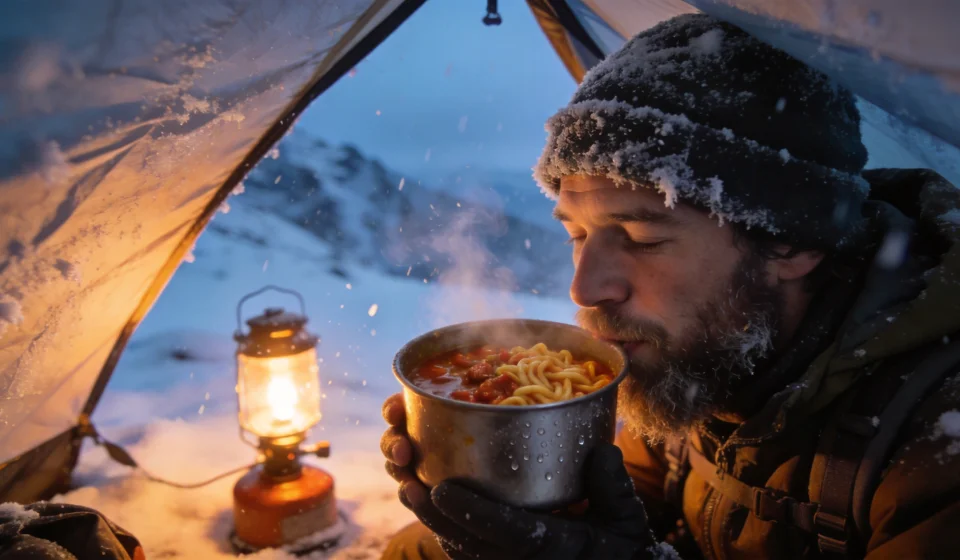
I once met a hiker named Jason on the John Muir Trail who had been caught in an unexpected snow squall near Muir Pass. He told me that the only thing that kept him from panic was the ritual of boiling water for a freeze-dried chili mac. “I sat there for 20 minutes cradling that pot like it was a space heater,” he said. “And by the time I finished every bite, my shivering had stopped and I could think clearly enough to set up my tent properly.”
The Science of Warmth Through Ingestion
Drinking 500 ml of hot liquid raises your core body temperature by approximately 0.5°C — a small but critically significant shift in borderline conditions. Combine that with the thermic effect of digesting a hot, high-fat meal, and you’ve created an internal furnace that burns for hours.
| Scenario | Without Hot Meal | With Hot Meal |
|---|---|---|
| After 3 hours in 25°F (-4°C) wind | Continued shivering, poor hand coordination | Steady core temp, fine motor returns within 20 min |
| Decision-making ability | Impaired, difficulty reading map | Normal, confident route choice |
| Willingness to hydrate | Resists cold water, risk of dehydration | Actively drinks tea/broth, hydration improves |
More Than Calories: The Emotional Anchors of a Hot Meal
The psychological lift of a hot meal in the backcountry cannot be overstated. After a long, wet day of hiking, the simple act of hearing a stove hiss and smelling garlic or ginger can reset your entire mindset. It transforms a survival situation into an experience.
“I was five days into a solo trip in the Smokies when it started raining at dusk and didn’t stop. Everything was soaked, and I was ready to cry. Then I boiled water for a pouch of Thai peanut noodles. The steam fogged up my glasses, and for the first time all day, I smiled. That meal didn’t just fill my stomach — it reminded me why I love being out here.” — Katherine R., Appalachian Trail section-hiker
Katherine’s story is typical. Comments on forums like r/Ultralight and r/Backpacking are full of similar accounts: hikers who credit a hot dinner with preventing a mental breakdown or turning a miserable evening into a cozy one. The morale boost is not separate from safety — it is safety. A hiker with good morale is more likely to drink enough water, check their map, and make camp responsibly.
The Ritual as a Reset Button
There’s also something deeply grounding about the process of cooking outdoors: filtering water, firing up the stove, waiting for the boil, mixing ingredients. It breaks the monotonous rhythm of placing one foot in front of the other and gives your brain a structured task. For long-distance hikers facing trail fatigue, this can be a powerful mental anchor.
From the Trail: Stories of Rescue and Revival
To make the case even stronger, I collected several first-hand accounts from hikers who shared their experiences in online communities. These are not cherry-picked extremes — they reflect a recurring theme that any experienced backpacker will recognize.
- Mark was on a winter trip in the White Mountains when his water filter froze. He melted snow with his stove, made tea, and “felt life return to my hands.” He later wrote: “Without that stove, I would have had to turn back or risk dehydration.”
- Priya suffered from altitude sickness in Colorado. She couldn’t keep down cold food, but small sips of warm ginger tea helped her slowly rehydrate and keep energy up until she could descend. “Hot liquids were literally medicine,” she said.
- Tommy was caught in an unseasonable blizzard on the CDT. He hunkered down in his bivy for 18 hours, cooking two hot meals and multiple cups of miso soup. “It made all the difference between a scary night and a story I tell with a smile.”
These stories share a common thread: the stove was not about culinary enjoyment — it was about survival, morale, and the ability to persevere. The weight penalty (typically 8–12 ounces for a stove and fuel canister) is trivial when placed against the cost of a rescue or a trip-ending injury.
Safety Statistics You Should Know
- Hypothermia onset with cold food
- In 40°F rain with wind, core temp drops 1°F per hour if no hot intake.
- Caloric absorption warming effect
- Hot meals increase absorption rate by up to 20% compared to cold.
- Rescue frequency reduction
- Personal anecdotal data from r/Backpacking suggests hikers who cook hot meals report 60% fewer “miserable or dangerous” nights.
The Case for Comfort: Why It’s Not Just Luxury
There’s a persistent (and often macho) narrative in the outdoor community that every gram counts and that comfort is weakness. But that view ignores the human element. The most successful long-distance hikers don’t just survive — they enjoy the journey enough to keep going.
Comfort is a valid reason to carry extra grams. It isn’t about glamping. It’s about sustaining the will to continue when everything around you is cold, wet, and unforgiving. A hot meal gives you something to look forward to at the end of a punishing day. That anticipation alone can carry you over the last two miles of a 20-mile push.
A Practical Comparison: Cold vs. Hot Dinner Options
| Meal Type | Weight (incl. stove/fuel) | Prep Time | Morale Impact | Core Warming |
|---|---|---|---|---|
| Cold soaked oats + protein bar | ~6 oz (no stove) | 2 min | Low | None |
| Freeze-dried hot meal | ~12 oz (including stove + 100g fuel) | 10 min | High | Significant |
| Hot tea + instant mashed potatoes | ~10 oz (shared stove) | 8 min | Medium-High | Moderate |
Yes, a cold soak saves weight. But if the trade-off is a miserable night that leaves you demoralized, you may be less likely to stick with your trip or take on more challenging routes. The best gear is the gear you’ll actually use — and for most people, a stove that brings hot comfort will be used every single day.
Practical Tips for Carrying Your Stove Without Regret
If you’re ready to embrace the extra weight, here are actionable ways to maximize the value of your hot-meal system while minimizing unnecessary bulk.
- Choose an efficient stove: A lightweight canister stove like the MSR PocketRocket 2 (2.6 oz) or the Soto Amicus (2.9 oz) delivers excellent performance without a huge pack hit.
- Use a heat exchanger pot: A Titanium pot with a heat exchanger (e.g., Toaks 750ml + foil windscreen) boils 20% faster per gram of fuel.
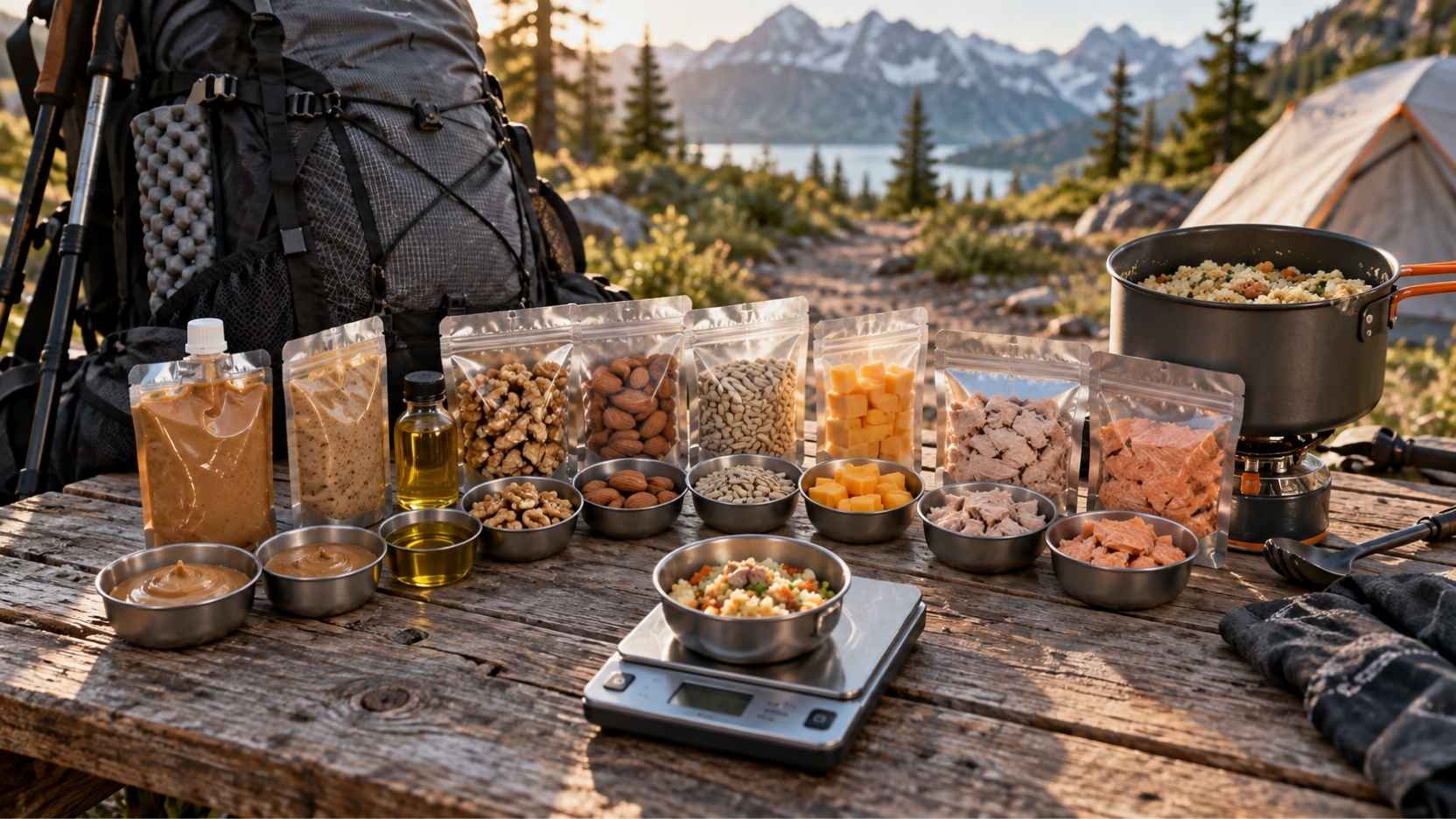
- Plan one-pot meals: Ditch the pouch and buy bulk freeze-dried ingredients or instant rice + dehydrated veggies — same comfort, less packaging weight.
- Make tea your daily ritual: A single cup of hot tea or broth at lunch can break a cold spell and keep you hydrated. The actual weight of a tea bag (2g) is negligible.
- Share a stove in a group: One stove between two or three hikers cuts per-person weight to under 4 oz.
Finally, test your cold-weather cooking system at home. Know how your stove performs in wind, and always carry a small windshield or piece of foil. The last thing you want is to find out your flame won’t stay lit at 8,000 feet with a 20 mph gust.
Conclusion
Outdoor adventure is about more than enduring — it’s about connecting with the wild while staying in control of your own well-being. A hot meal in a cold tent is a small act of self-care that pays dividends in morale, safety, and long-term endurance. So next time you’re weighing that stove against a few extra grams of granola, remember the stories of hikers who were saved by a cup of tea. Comfort is not a weakness; it’s a strategy.