Stoveless Backpacking: Pros, Cons, and Realities
In the ultralight backpacking community, the stoveless movement has gained a cult following—and for good reason. Leaving the stove at home slashes weight, simplifies planning, and saves cash. But is it right for you? Before you ditch your Jetboil, let’s walk through the undeniable upsides, the honest downsides (yes, including cold coffee), and a practical decision framework based on your trip type and climate.
The Undeniable Pros of Going Stoveless
The appeal of stoveless backpacking isn’t just a trend—it’s rooted in real, measurable advantages that can transform your experience on the trail.
- Simplicity: No stove, no fuel canisters, no pot, no lighter. Your cook kit becomes a single spork and a water bottle. Packing is faster, and you never have to wonder if your stove will light at altitude.
- Cost: A quality stove setup can run $50–$150. Fuel canisters add recurring costs. Stoveless saves you all of that, freeing up budget for better gear or more trips.
- No Fuel Logistics: Forget hunting down canisters in remote towns, worrying about airport restrictions (canisters are banned in checked luggage), or running out of fuel mid-trip. You’re self-sufficient from the start.
These three benefits alone explain why so many thru-hikers on the Pacific Crest Trail or the Appalachian Trail eventually go stoveless for long stretches. The weight savings (typically 8–12 ounces) might not sound huge, but over hundreds of miles, it adds up to real energy savings.
Addressing the Cons: Leaks, Cold Coffee, and Social Stigma
For every stoveless advocate, there’s a skeptic—and some of their concerns are valid. Let’s tackle the big three head-on.
Leaks: The Cold-Soak Conundrum
When you can’t boil water, you turn to cold soaking—rehydrating foods in a sealed container for hours. Leaks are a real risk. A leaky peanut butter jar in your pack can ruin your food, your sleeping bag, and your mood.
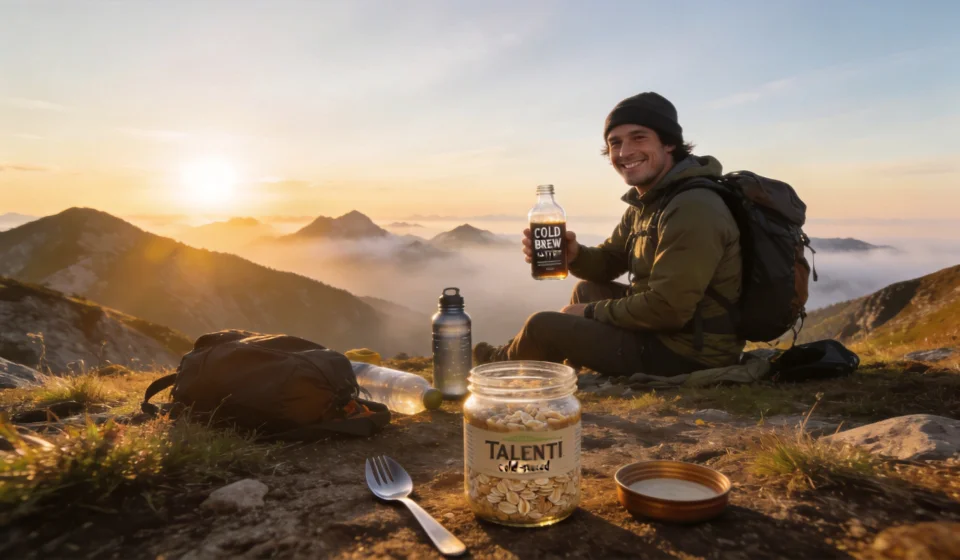
Practical fix: Use a dedicated wide-mouth plastic jar (like a Talenti gelato container) with a screw-top lid. Test it at home by turning it upside down with water. For extra security, store it in a dry bag inside your pack. Cold-soak enthusiasts also recommend pre-cutting the top of the jar to create a tighter seal.
No Hot Coffee: The Morning Ritual
For many backpackers, a hot cup of coffee is non-negotiable. It’s a morale booster, a wake-up call, and a social ritual. Going stoveless means instant cold brew or—gasp—nothing hot at all.
Workarounds: You can carry instant coffee and mix it with cold water (it dissolves fine, just not as quickly). Some stoveless hikers embrace “cowboy coffee” by steeping grounds in a cold water bottle overnight. Or, accept that you’ll have a colder start and compensate by eating a quick, high-calorie breakfast bar instead.
“I was a hardcore hot-coffee guy until I did a week in the desert. Ambient temperature was 95°F by 7 AM. I actually wanted cold coffee. Once I tried it, I never went back.” — Reddit user u/desert_wanderer
Social Stigma: The Dinner Circle
In camp, the stove is often the centerpiece of social interaction. While others are boiling water for ramen or tea, you’re silently chewing on a cold-soaked tortilla wrap. It can feel isolating or even judged.
Reframe it: Stoveless doesn’t mean antisocial. You can still sit around the fire (if allowed) and participate. Explain your choice—most hikers respect weight-saving logic. Or bring a small bag of trail mix to share. The stigma fades fast when you’re the person who never has to hunt for flat, sheltered ground to cook on.
A Decision Framework Based on Trip Type and Climate
Not every trip is a good fit for stoveless. Use the table below to quickly assess whether leaving your stove at home makes sense for your next adventure.
| Trip Type | Climate / Season | Stoveless Viability | Recommendation |
|---|---|---|---|
| Long-distance thru-hike (e.g., PCT, AT) | Warm desert / moderate mountains | Highly viable | Go stoveless for 70–80% of the trail, carry a micro-stove for cold spells |
| Weekend trip in the Rockies | Summer (40°F+ nights) | Moderate | Stoveless works if you plan cold-soak meals and bring a hot drink stash for the first morning |
| Winter camping / deep snow | Below freezing | Low | A stove is essential for melting snow for water and for warming wet gear |
| Short solo trip in the rain | Cool, wet (40–50°F) | Possible but miserable | Stoveless is doable; just bring hot liquids in a thermos and eat no-cook meals like cured meats and cheese |
How to Choose Your Meals for a Stoveless Trip
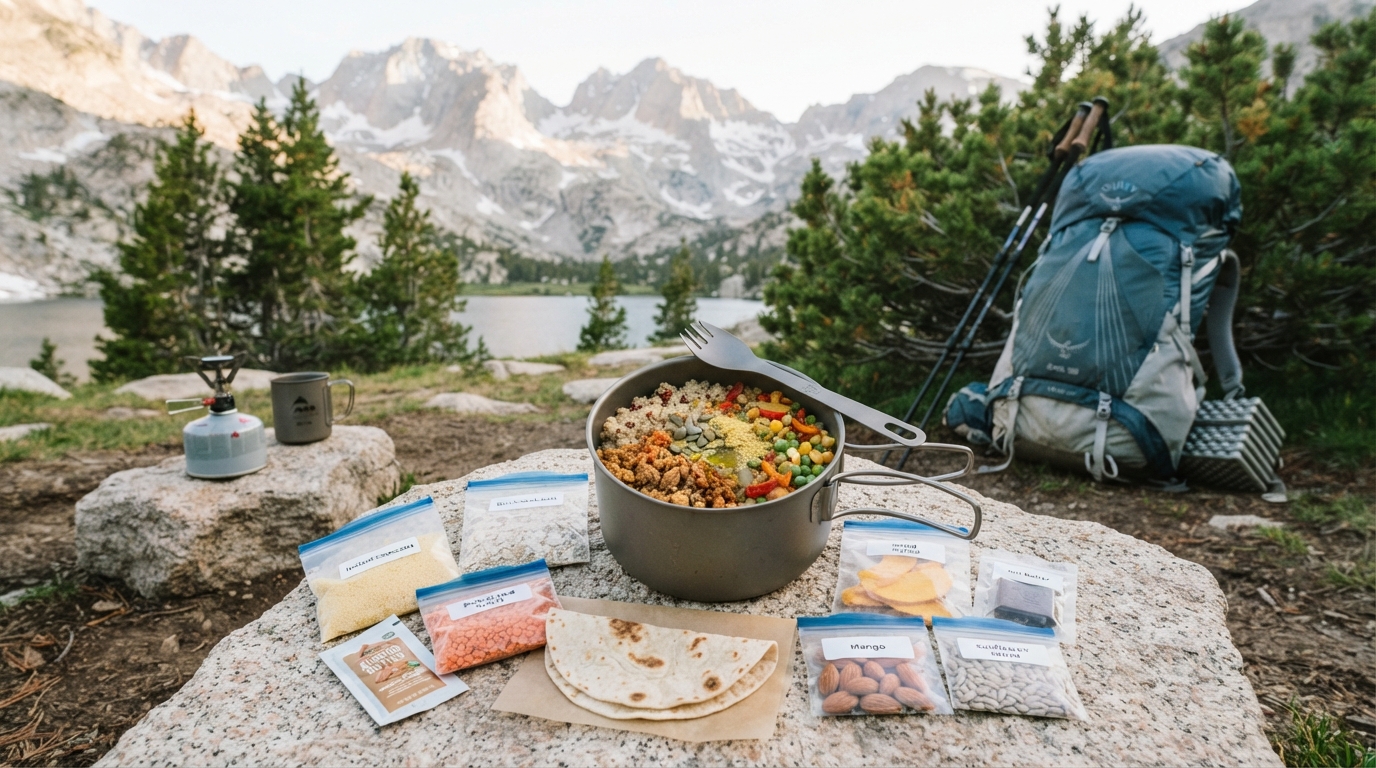
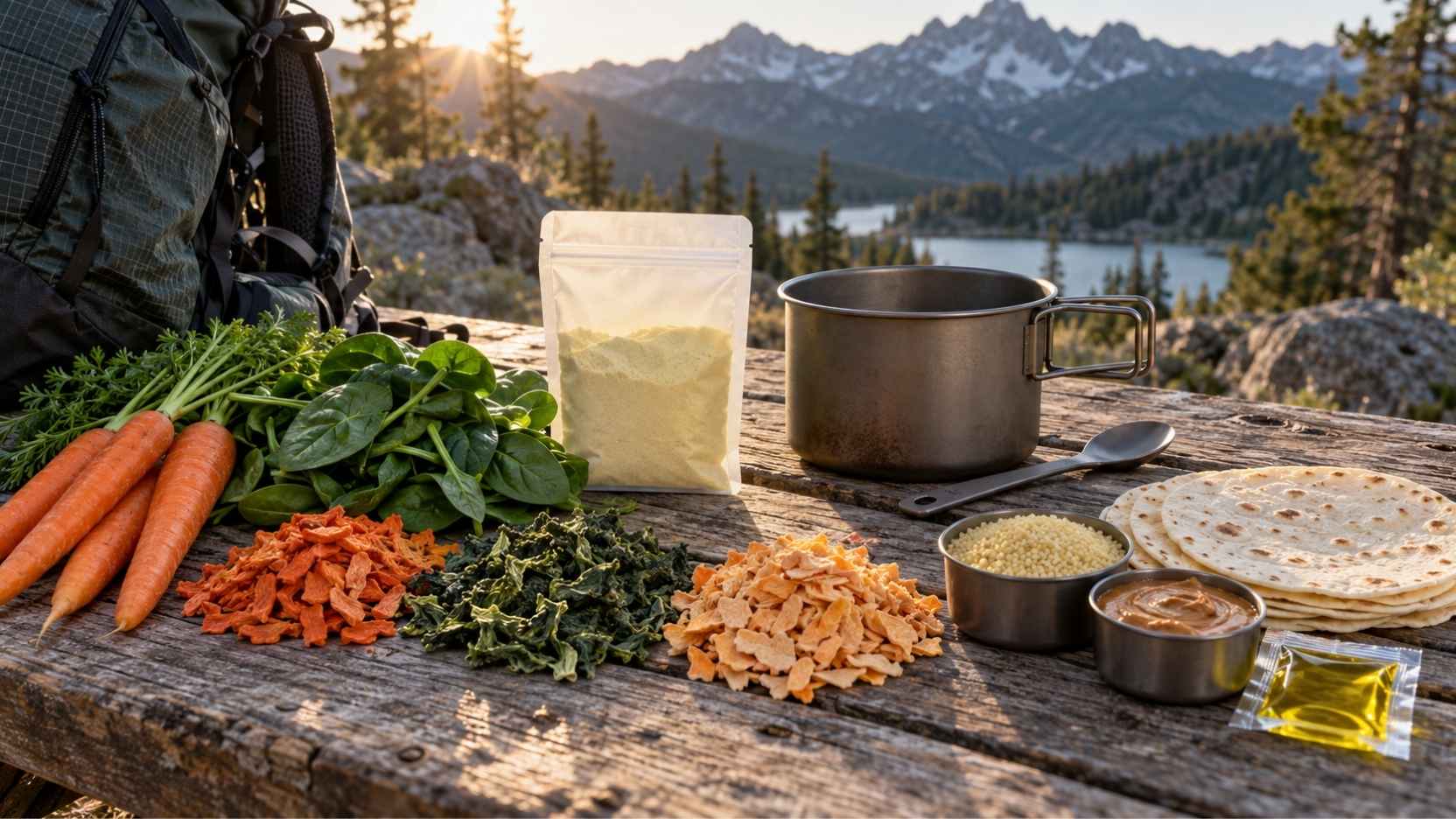
Once you’ve decided to try it, meal planning becomes critical. Here’s a simple list of no-cook staples that actually taste good cold:
- Instant mashed potatoes – mix with cold water in a jar, let sit 20 min, eat.
- Refried bean flakes – same method; add hot sauce for flavor.
- Overnight oats – combine oats, powdered milk, chia seeds, and dried fruit; add water at dinner and eat for breakfast.
- Tortilla wraps – fill with peanut butter & jelly, tuna packets, or hard cheese.
- Cold-soak ramen (pre-crumbled) – break noodles into a jar, add water, wait 45 min, then drain and add seasoning.
When to Avoid Stoveless Altogether
As the table suggests, cold and wet conditions make stoveless backpacking genuinely dangerous. In freezing weather, your body needs hot calories to maintain core temperature. Melting snow for water requires a stove. And if you’re hiking in heavy rain, the lack of a hot meal can lead to hypothermia risk. Common sense rule: if you’d normally use a sleeping bag rated for below 20°F, bring a stove.
I once tried stoveless on a shoulder-season trip in the Smokies. Night temperatures dipped to 28°F. Morning water bottles were ice. I had to rehydrate my oats with cold slush—it took two hours and I ended up eating them semi-frozen. Never again. That taught me that climate and personal grit are both variables in this equation.
Before You Hit the Trail: A 3-Question Self-Assessment
Still unsure? Ask yourself these three questions. If you answer “yes” to at least two, stoveless is a strong candidate for your next trip:
- Am I willing to eat cold food for every meal for multiple days? Be brutally honest about your cravings.
- Do I have reliable water sources? Cold-soaking requires water you can collect and treat. In arid regions, you might need to carry more.
- Am I hiking in conditions above 40°F at night? Cold weather makes stoveless miserable—and potentially unsafe.
Conclusion
Stoveless backpacking isn’t a universal upgrade—it’s a trade-off. You gain simplicity, weight savings, and freedom from fuel logistics, but you lose hot meals, warm drinks, and the social ritual of cooking together. The decision ultimately comes down to your trip’s climate, duration, and your own tolerance for cold food. If you try it for a single weekend, you might discover a new favorite way to hike—or decide to keep your stove forever. Either way, knowing your options makes you a more adaptable backpacker.