DIY Backpacking Meals: Hot vs Cold Taste Test
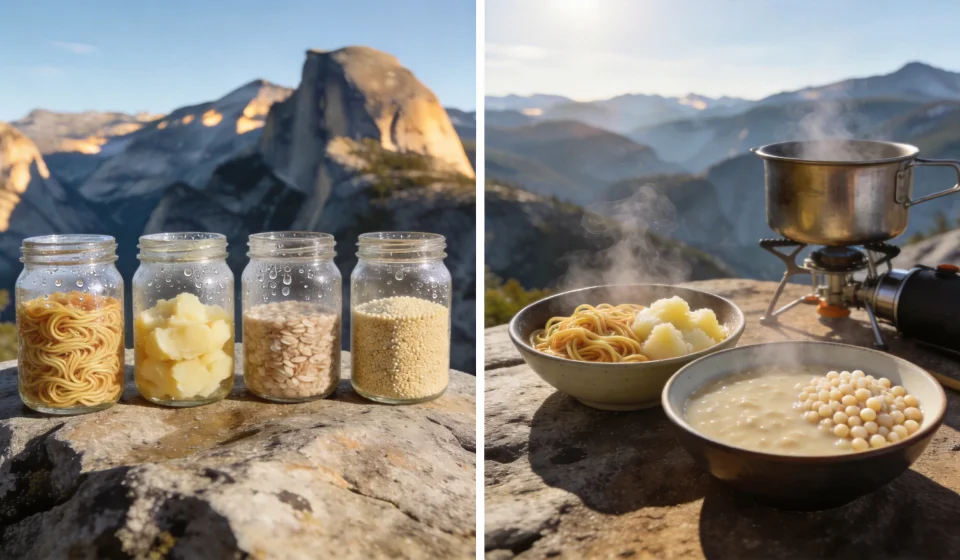
Cold soaking vs. hot cooking—this is the great divide among lightweight backpackers. I spent a week in the Sierra Nevada side-by-side testing four common meals (ramen, mashed potatoes, oatmeal, and couscous) both ways, spooning each bite cold and piping hot at the same elevation, same appetite level. What I discovered reshaped how I pack for multi-day trips. Here’s the full breakdown of flavor, texture, and rehydration differences—with honest tips to make cold meals surprisingly good.
Rehydration & Texture: The Science of Water Temperature
Heat accelerates starch gelatinization and protein denaturation, which directly affects how water penetrates dried food. In cold soaking (using ambient temperature water, typically 50–70°F / 10–21°C), the process relies entirely on time—usually 20–60 minutes versus 5–10 minutes with boiling water. The result is a distinct textural shift.
| Meal | Hot Cooking Texture | Cold Soak Texture |
|---|---|---|
| Instant Ramen | Soft, springy noodles; broth coats each strand | Chewy, slightly firm noodles; broth stays watery |
| Mashed Potatoes | Fluffy, creamy, almost airy | Dense, paste-like, with gritty pockets if under-soaked |
| Oatmeal (rolled oats) | Porridge-like, cohesive, warm mouthfeel | Separate grains, mealy, requires aggressive stirring |
| Couscous | Light, fluffy, individual pearls | Gummy, clumpy, often under-hydrated |
The biggest surprise? Ramen held up decently cold—the alkaline salts in the noodles prevent total mushiness. But mashed potatoes were a near-failure without hot water. The key variable is particle size: finer powders (instant potatoes, instant oatmeal) soak faster cold than whole grains, but they risk a gluey texture if oversaturated. My advice: always add slightly less water than the package recommends when cold soaking, then stir in extra after 10 minutes to avoid a soupy mess.
“I never believed cold mash could work until I added a tablespoon of olive oil and let it sit for 45 minutes. The fat helped mask the raw starch texture, and the extra time allowed near-complete hydration.” — Sierra Trail Notes
Taste Tests: Ramen, Mashed Potatoes, and Oatmeal Under the Microscope
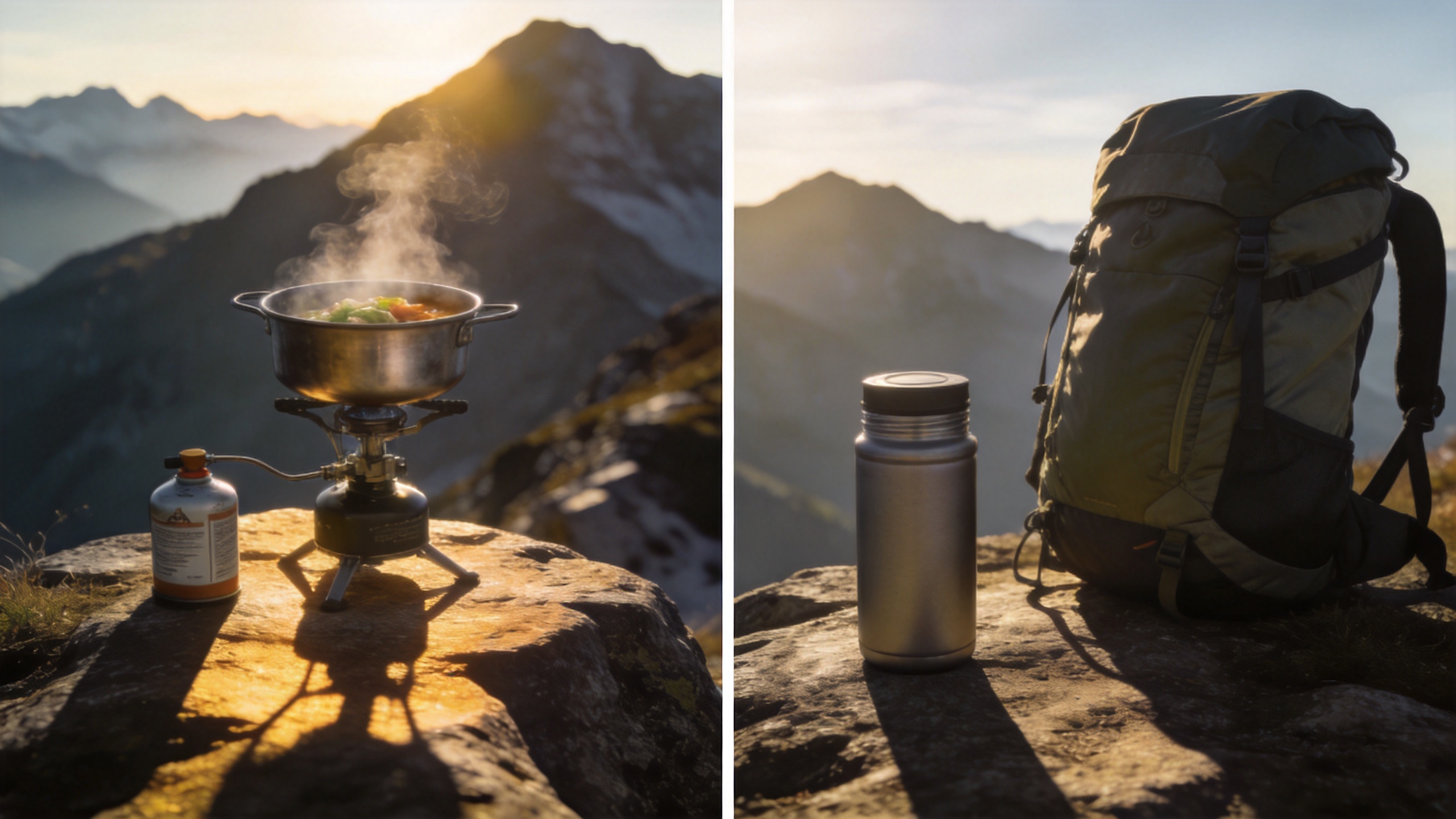
I ran three side-by-side trials at the same camp elevation (9,200 ft). Each meal was prepared with identical ingredients: store-brand ramen (chicken flavor), Idahoan instant mashed potatoes (butter & herb), and Quaker rolled oats. Hot versions used a Jetboil; cold versions used a Talenti jar and tap water left overnight.
Ramen: The Clear Winner for Cold Soaking
Hot ramen delivered the familiar umami bomb, with steaming broth and tender noodles that slurp easily. Cold-soaked ramen was surprisingly pleasant—the noodles stayed al dente, and the seasoning packet dissolved completely despite the lower temperature. The broth was thin but still salty and savory. I added a squeeze of lime (from a small plastic container) and a drizzle of sesame oil to boost the cold version. The result: I actually preferred the cold ramen on a hot afternoon—refreshing, light, and no waiting.
Mashed Potatoes: The Biggest Sacrifice
Hot mashed potatoes are comfort in a cup: creamy, buttery, fluffy. Cold, they turned into a dense, lumpy paste that stuck to the spoon and required constant chewing. Texture ruined the experience. However, two modifications saved it: first, I swapped the water for cold broth powder + water (beef bouillon cube crushed). Second, I stirred in a packet of instant cheese sauce (from a shelf-stable mac & cheese kit) and let it sit for a full 60 minutes instead of 20. The cheese’s emulsifiers helped create a smoother feel, though it never reached hot fluffiness. Verdict: cold mash is for survival, not enjoyment.
Oatmeal: The Time-Tested Trick
Hot oatmeal is a slow-release breakfast staple—warm, creamy, slightly sweet. Cold-soaked rolled oats were grainy and separated, with the liquid pooling at the bottom. I tried three variations:
- Plain cold soak: 30 min → raw-tasting, chewy.
- Cold soak with chia seeds (1 tbsp): 30 min → chia gel helped bind the oats, creating a semi-pudding texture.
- Cold soak overnight (8 hr): Oats fully softened, similar to overnight oats at home, but still not as cohesive as hot cooked.
The overnight version was the best—add dried blueberries, brown sugar, and a splash of powdered milk. It became a decent “trail muesli.” But if you want that warm comfort on a frosty morning, nothing beats a hot stove.
Practical Tips to Make Cold Soaking More Palatable
Cold soaking isn’t a compromise—it’s a different tool in your pack. These five strategies transformed my cold meals from “edible” to “actually enjoyable.”
- Fats are your friend. Olive oil, coconut oil, or even butter powder smooth out rough textures and add satiety. Add 1–2 tsp per serving, especially for potatoes and oatmeal.
- Use dehydrated vegetables and broth. A spoonful of tomato powder, dried mushrooms, or miso paste gives cold meals a flavor boost that masks the lack of heat. The umami from miso is especially effective for ramen.
- Extend soak times dramatically. Most cold-soak instructions say 20 minutes, but 45–60 minutes yields far better results. Overnight soaks (8+ hours) work wonders for grains like quinoa or farro (if pre-cooked and dried).
- Don’t forget acid. A splash of lemon juice or vinegar brightens flavors and cuts through starchiness. Try it on cold couscous with olive oil and herbs.
- Pack a separate “cold-soak container” with a wide mouth. A Talenti jar or a dedicated cold-soak canister (like the Vargo Bot) allows easy stirring and cleaning. Avoid narrow-mouth bottles—you’ll fight to get the spoon in.
- Pro tip: Pre-soak at home?
- You can pre-hydrate oatmeal or ramen in a ziplock bag the night before you hit the trail, then eat cold for breakfast. Just add water before bed and leave it in your pack—the ambient temperature won’t spoil it overnight in cool conditions.
One more thing: cleanup matters more than you think. Cold-soaked meals leave residue that can be harder to wash without hot water. Always bring a small sponge or a bandana to wipe the jar, and rinse immediately after eating. Otherwise, you’ll deal with sticky, fermented smells by day three.
Conclusion: When to Hot, When to Cold
Hot cooking wins for comfort, satiety, and full hydration, especially for mashed potatoes and oatmeal. But cold soaking saves fuel, weight, and time—ideal for ultralight trips or hot summer days when you crave something refreshing. My final rule: reserve hot meals for dinner and cold meals for breakfast or lunch, with one “hot luxury” per day to maintain morale. Test these recipes at home first, and you’ll find your own cold-soaking groove—without sacrificing taste on trail.