The Future of Ultralight: Will Stoves Disappear?
For decades, the backpacking stove has been as essential as a sleeping bag. But a quiet revolution is underway. As ultralight enthusiasts push the limits of base weight, a growing faction argues that the stove itself—weighing 200–400 grams with fuel—is the single easiest luxury to eliminate. This article examines whether emerging technologies and cold‑soaking methods will finally make the stove obsolete, or if the ritual of a hot meal is too deeply ingrained to disappear.
The Rise of Stoveless Hiking
Stoveless hiking isn’t new—long‑distance thru‑hikers on the Pacific Crest Trail have experimented with it for years. What’s changed is the scale and acceptance. A 2023 survey by Backpacking Light found that nearly 18% of respondents reported going stoveless on at least one trip in the previous year, up from 7% in 2018. The primary driver? Weight. A typical canister stove plus two 110‑g fuel canisters adds roughly 400 g (14 oz) to your pack. Eliminating that instantly reduces base weight by 10–15% for many ultralight setups.
“I used to carry a stove because I thought I needed hot coffee to start my day. After three weeks on the Arizona Trail without one, I realized I didn’t miss it at all. The weight savings let me carry an extra liter of water on dry stretches—that’s a life‑saving trade.” — Sarah K., veteran thru‑hiker and stoveless convert
The trend is also fueled by simplicity. No fuel canisters to recycle, no stove to clean, no risk of running out of fuel mid‑trip. For many, the mental load of a stove system—especially in bear country where cooking odors must be carefully managed—outweighs the pleasure of a hot dinner.
Emerging Lightweight Cooking Technologies
While cold soaking gains ground, engineers haven’t given up on heat. Several innovative approaches aim to keep the hot meal alive while slashing weight below traditional stove systems.
Hybrid Solid‑Fuel Tablets
Products like Esbit and FireDish have been around for decades, but new formulations burn cleaner and more efficiently. A single 14‑g tablet can boil 500 ml of water in about 8 minutes. The key improvement is reduced residue; modern tablets leave almost no sticky soot on pots. Total system weight (tablets + titanium pot + folding windscreen) can be under 150 g (5.3 oz) for a multi‑day trip.
Heat‑Activated Self‑Heating Pouches
Inspired by military MREs, FlameStrike and ThermoBlanket systems use a chemical reaction (calcium oxide + water) to heat a pouch of dehydrated food without any flame. The pouch weighs about 30 g, and the heat pack adds another 20 g. Downside: the reaction is single‑use and the packs are not yet recyclable. But several startups are working on bio‑based alternatives that could slash waste.
Integrated Pot‑Stove Combos
The trend toward all‑in‑one systems, like Jetboil Stash (180 g) or MSR PocketRocket Deluxe + Titan Kettle, pushes the lower boundary of weight. Meanwhile, a new category of ultralight alcohol stoves made from titanium mesh (e.g., Fancy Feast stove mods) can weigh as little as 6 g. With a 20‑g windscreen and a few grams of fuel, you have a working stove system under 100 g. Yet alcohol stoves require careful priming and are banned in many fire‑prone regions.
| System | Total Weight (g) | Boil Time (500 ml) | Cost (USD) | Environmental Impact |
|---|---|---|---|---|
| Traditional canister stove (2 canisters) | 410 | 3 min | $70–100 | Moderate (aluminum/steel recycling) |
| Solid‑fuel tablet system | 145 | 8 min | $25–40 | Low (biodegradable tablets, but residue) |
| Self‑heating pouch (3 meals) | 150 | 10 min (no stove) | $45–60 | High (single‑use chemical packs) |
| Alcohol stove (titanium mesh + fuel) | 85 | 7 min | $15–30 | Low (reusable, denatured alcohol) |
| Cold soak (no cooking) | 0 | N/A (soak 20–60 min) | $5–10 (lid, container) | Very low |
Cold Soaking: Fad or Future?
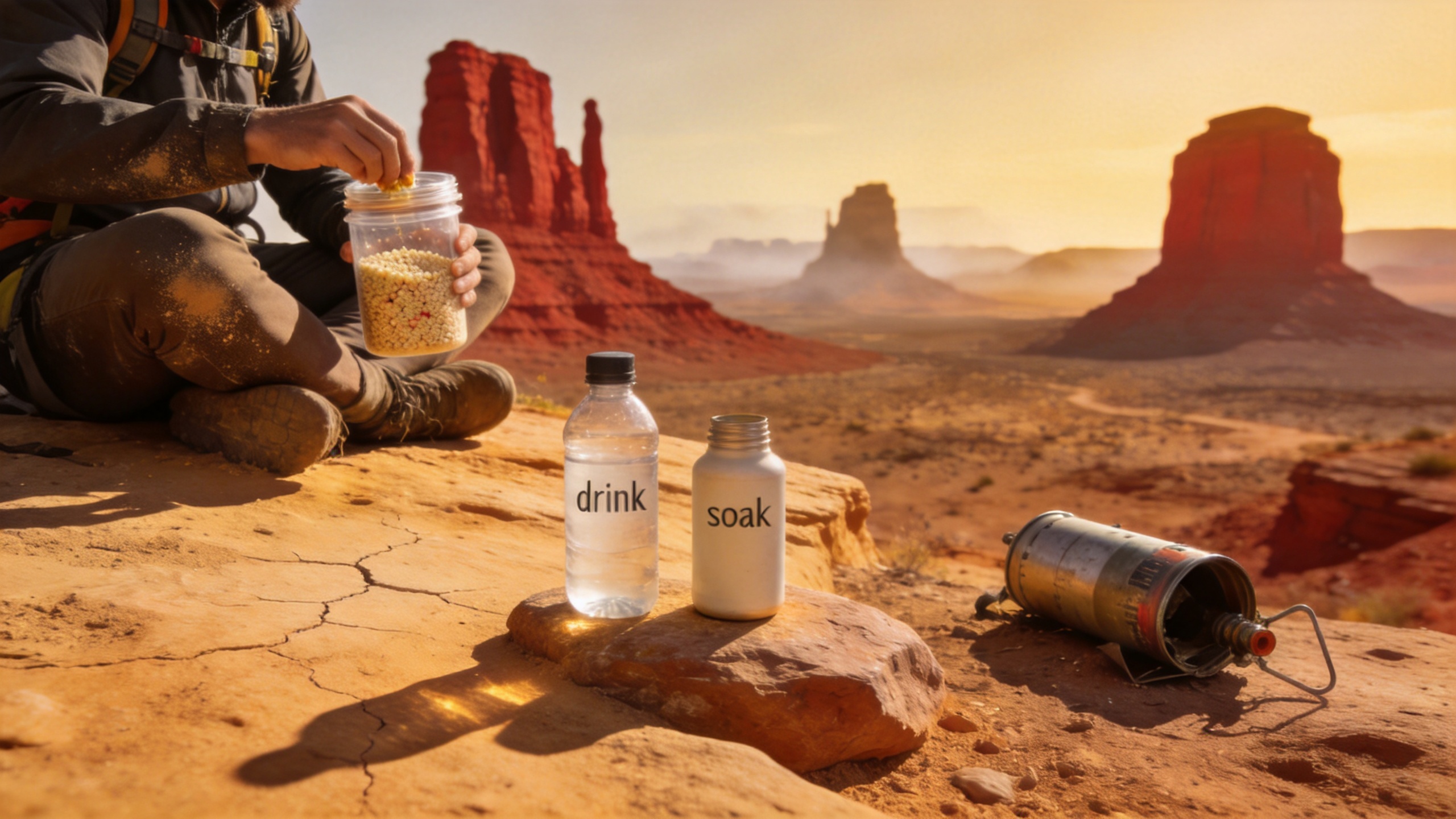
Cold soaking—rehydrating food in cold water over 30–90 minutes—is arguably the most controversial trend in ultralight. Its proponents (often called “cold‑soakers”) tout zero stove weight, no fuel worries, and zero cleanup beyond a plastic jar. Its critics counter that cold food is miserable in bad weather, and that the texture of many dehydrated meals (pasta, rice, beans) remains unpalatable even after a long soak.
The Case for Mainstream Adoption
- Weight advantage is absolute: Removing the stove and fuel saves you 200–400 g from day one. For ultra‑distance hikers aiming for 30+ km/day, every gram matters.
- Weather‑independent reliability: No wind, rain, or altitude can prevent you from eating—you just need water.
- Bear safety: Without cooking odors, you eliminate one of the strongest attractants. Many bear‑canister users find cold soaking reduces food‑related camp visits.
- Cost savings: A simple 900‑ml peanut butter jar costs $0; a top‑end stove system can run $200.
The Case Against Cold Soaking
- Low calorie density: Cold meals are often less satisfying, leading some hikers to undereat. A hot meal can provide psychological comfort that encourages proper nutrition.
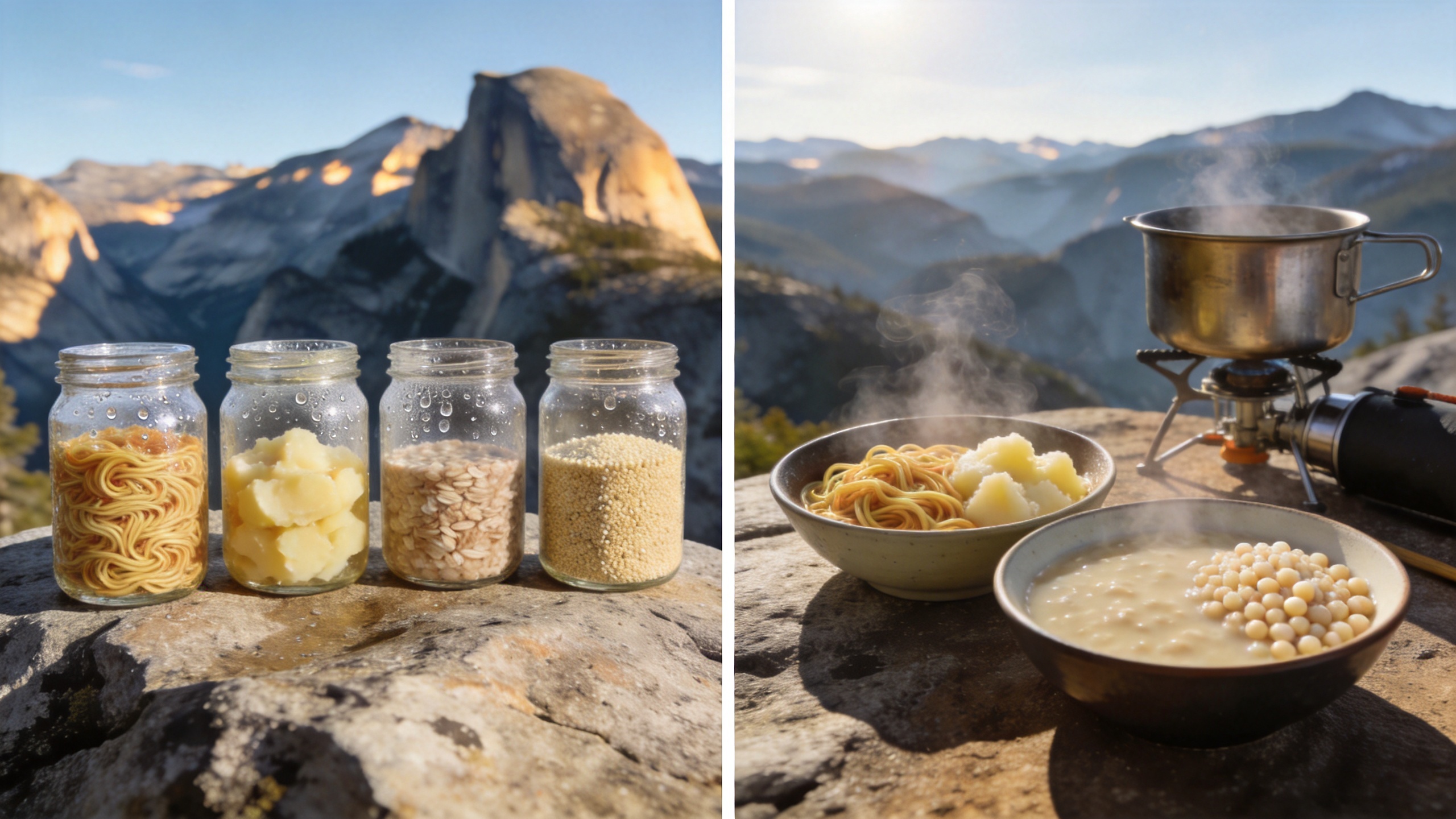
- Limited food options: Many commercial freeze‑dried meals (e.g., Mountain House) are designed for hot water. Cold soaking works best with specific recipes: couscous, ramen, instant mashed potatoes, and specially packaged no‑cook meals from brands like Packit Gourmet.
- Time and planning: You must plan your meal 30–60 minutes ahead. On a cold, rainy afternoon, waiting an hour for a lukewarm dinner tests patience.
- Microplastic concerns: Constant rehydration in plastic jars may leach chemicals; titanium or silicone alternatives add weight back.
“I’ve completed two thrus—one with a stove, one without. The stoveless trip was lighter and logistically simpler, but I lost more weight because I ate less. Cold tortellini on day 20 just doesn’t hit the same as a hot ramen bomb. I think cold soaking will remain a niche tool for weight‑obsessed hikers, not a mainstream replacement for backcountry cooking.” — Mike T., triple‑crown hiker
Will Cold Soaking Become Mainstream?
To predict the future, look at the trajectory of three driving forces: food technology, gear design, and cultural acceptance.
Food Technology Breakthroughs
Freeze‑dried companies are responding. Good To-Go and Backpacker’s Pantry now offer “no‑cook” versions of their classics—still dehydrated, but with starches that rehydrate fully in cold water within 20 minutes. The texture of these new formulations is markedly better than a simple ramen soak. If palatable cold meals become the norm, the psychological barrier falls.
Gear That Bridges the Gap
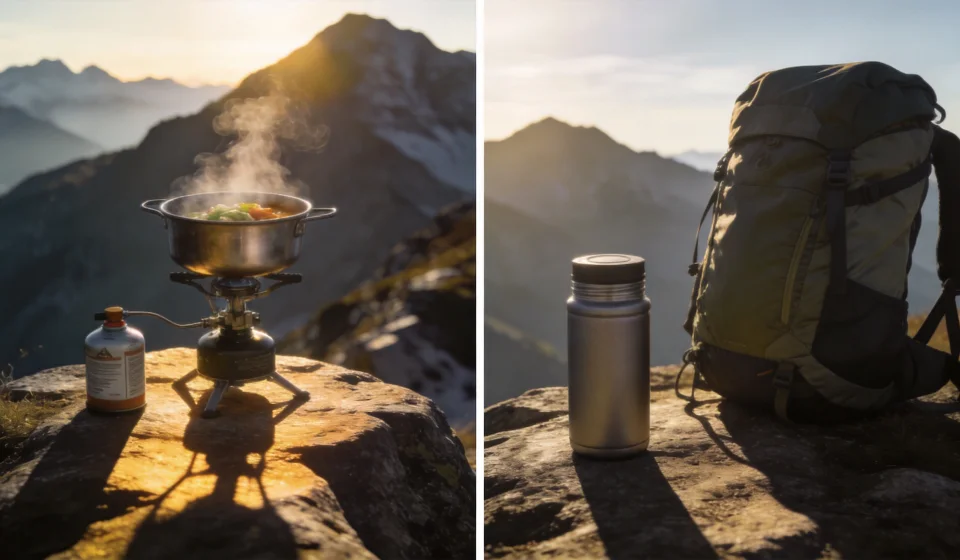
Hybrid systems are emerging: a 30‑g titanium heat‑exchanger cup that works with solid fuel tablets or as a cold soak container. The Ultralight Flask Stove (15 g) pairs with a collapsible silicone pot (40 g). These “configurational” systems allow hikers to start with cold soaking, then add a heat source only when needed (e.g., for a hot breakfast on a freezing morning). This modularity could turn stove vs. stoveless into a false dichotomy.
Cultural Shift: The “No Stove” Tribe
Social media influencers and YouTube thru‑hiking vlogs are normalizing stoveless hiking. When a popular creator like Darwin onthetrail documents a 2,000‑mile cold soak only trip, new hikers emulate it. The “stove” is becoming a choice, not a given. But convenience still reigns: in a 2024 poll by Ultralight Gear Lab, 64% of respondents said they would never give up hot coffee at camp. Morning rituals are hard to hack.
Practical Recommendations for Readers
Whether you’re a die‑hard stove user or a curious minimalist, here’s how to adapt to the evolving landscape:
- For weight‑obsessed thru‑hikers:
- Test a cold soak on a 3‑day trip. Bring a single solid‑fuel tablet and a small pot as a safety net. Note your calorie intake and morale. If you finish with energy to spare, drop the stove entirely.
- For weekenders:
- Consider a modular system like a 6‑g alcohol stove paired with a cold soak jar. You can have hot water for coffee in the morning (using 5 ml of fuel) and cold soak dinner. Total system weight under 80 g.
- For car campers / families:
- Stoves aren’t disappearing for you—weight is less critical. But look at self‑heating pouches for day hikes or emergency kits; they eliminate the need to carry a stove for a single hot snack.
- For gear manufacturers:
- Invest in biodegradable self‑heating packets and dual‑use cookware. The winning product will be a sub‑50 g container that can cold soak, then heat with a replaceable chemical insert.
Conclusion
Will stoves disappear? Not entirely—the cultural ritual of a hot meal and the physiological benefits of warm calories in cold weather are too powerful. But the traditional canister stove is already a niche within the growing ultralight movement. Cold soaking will likely become mainstream for long‑distance summer trips, while modular systems that offer both options will dominate. The future is not stoveless—it’s stove‑optional.