Stop Replacing Ramen: How to Upgrade Cheap Backpacking Meals With Better Ingredients
Why Backpacking Meals Become So Repetitive
Backpacking meals get repetitive because hikers are solving several problems at once: food must be light, shelf-stable, affordable, easy to cook, and worth the ounces carried. Instant ramen, rice, couscous, and potato flakes meet those logistical needs better than many foods that contain lots of water or require long cooking. 🥾 The problem is not the cheap base itself; it is expecting that base to provide everything a full trail dinner needs.
A more useful strategy is to keep the inexpensive carbohydrate and upgrade it with targeted additions. Instead of buying an entirely different meal, add a protein source, dried vegetables, a calorie booster, and seasonings based on what the base lacks. That turns the same pantry staple into several dinners while keeping shopping, packing, and cooking simple.
The Four-Part Trail Meal Formula
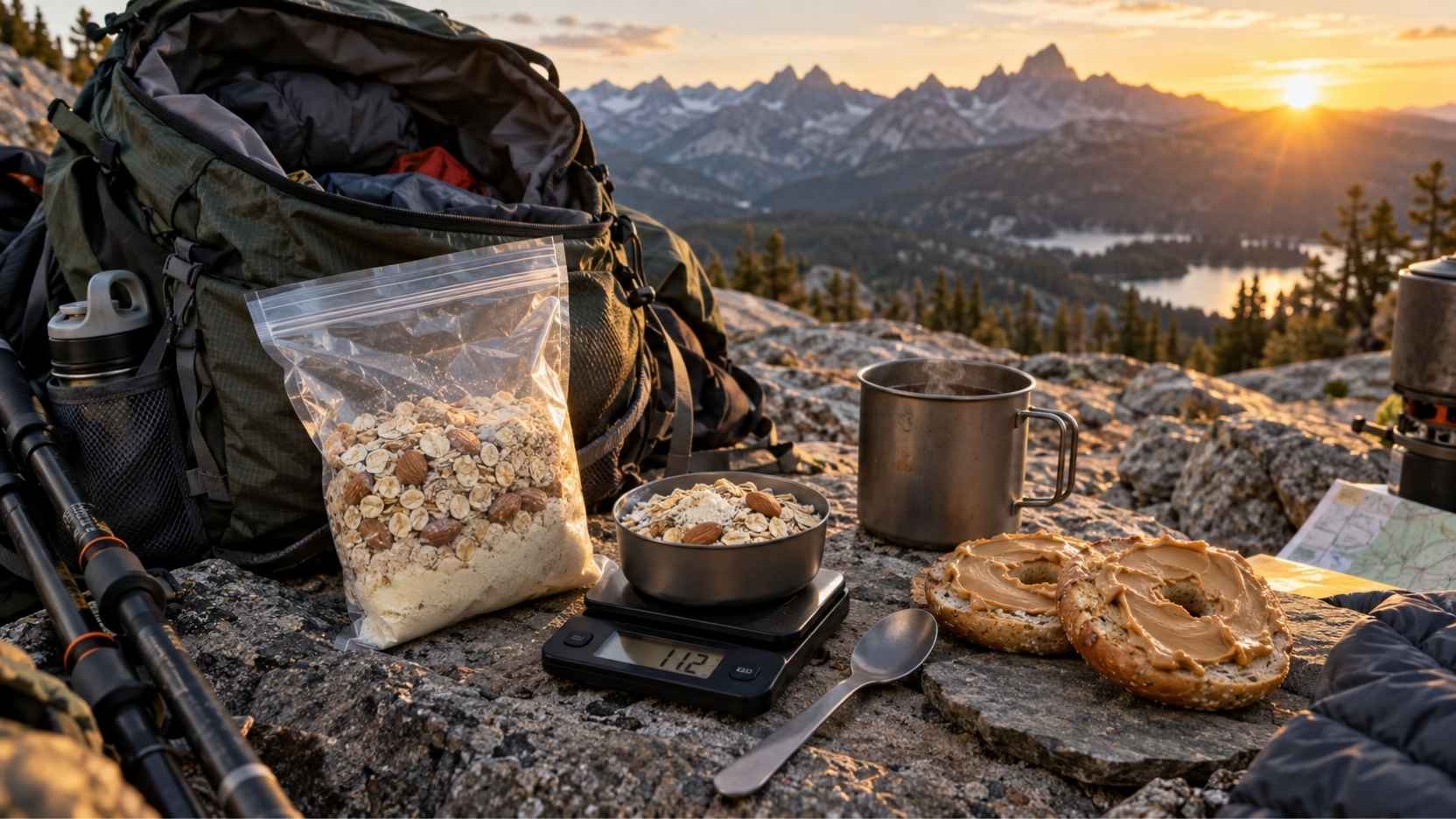
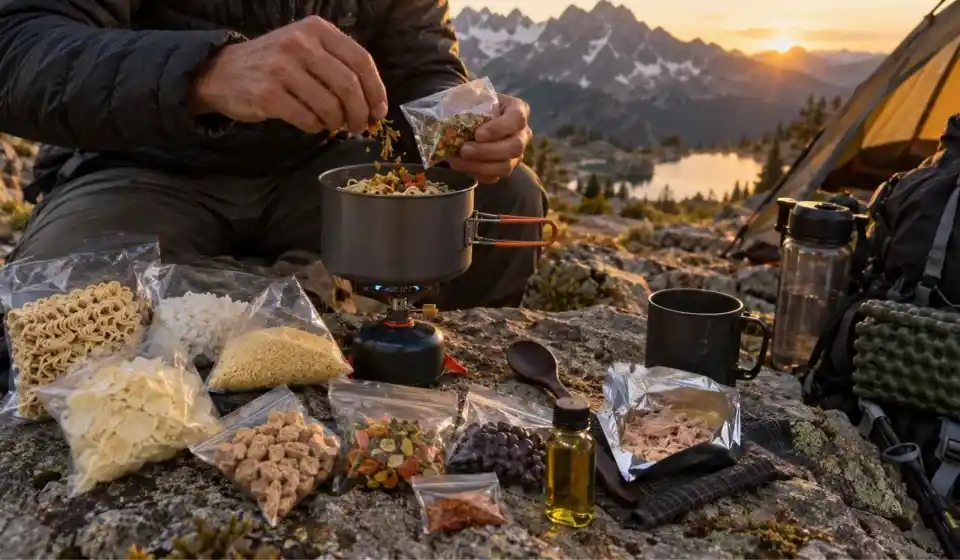
Use a simple formula: base + protein + plant component + calorie booster. The base might be ramen, instant rice, mashed potatoes, or couscous; protein might come from TVP, tuna, dehydrated beans, or cheese; dried vegetables add fiber and texture; oil, nut butter, seeds, or cheese can increase calories. 🧩 Each component has one job, so you can change the meal without rebuilding your entire food system.
One number never tells the whole story. A food can be excellent in calories per ounce but modest in protein or fiber, while a protein-rich pouch can be relatively heavy because it contains water. For individualized nutrition needs, treat this framework as general planning rather than a medical prescription and consult a qualified healthcare professional when personal health advice is needed.
Upgrade #1: Instant Rice
Instant rice works because its mild flavor accepts almost anything. Add TVP, dehydrated vegetables, chili seasoning, and olive oil; use dehydrated beans, tomato powder, cumin, and cheese powder; or combine tuna, dried peas, lemon seasoning, and oil. 🍚 The rice stays cheap while the add-ins determine most of the protein, fat, fiber, and flavor.
Measure those add-ins before leaving home instead of guessing at camp. Oil adds many calories for very little weight, dried vegetables contribute fiber and volume after rehydration, and protein ingredients fill a different gap. None is automatically “better”; they are tools for building the meal you actually need.
Upgrade #2: Ramen
Ramen is already fairly calorie-dense, which is why replacing it automatically can be unnecessary. A current Maruchan chicken ramen label lists 190 calories, 27 grams of carbohydrate, 7 grams of fat, and 4 grams of protein per 43-gram half-block, putting the full package at roughly 380 calories and 8 grams of protein. 🍜 That is a useful base, but it still leaves room for targeted additions.
Add 23 grams of dry TVP and you gain about 80 calories, 12 grams of protein, and 4 grams of fiber; add 15 grams of one representative dehydrated vegetable mix and you gain about 50 calories plus roughly 2.7 grams of fiber. A 14-gram portion of olive oil adds about 119 calories, so ramen plus TVP, vegetables, and oil reaches roughly 629 calories at about 137 grams of carried food. That works out to about 130 calories per ounce while increasing protein and fiber rather than simply adding another noodle block.
Upgrade #3: Instant Mashed Potatoes
Instant mashed potatoes make a useful soft, fast-rehydrating base for savory meals. Try potato flakes with TVP, gravy powder, and dried mushrooms; combine them with tuna, dried peas, and cheese powder; or add dehydrated beans, smoked paprika, garlic, and olive oil. 🥔 The same potatoes can become several dinners without needing a new cooking technique.
If the plain meal feels incomplete, doubling the potatoes mostly gives you more of the same. Identify the gap first: add protein if protein is low, dried vegetables if the meal lacks plant ingredients, or a dense fat source if total calories are too low. That “fill the gap” approach is more useful than deciding that mashed potatoes themselves are good or bad trail food.
Upgrade #4: Couscous
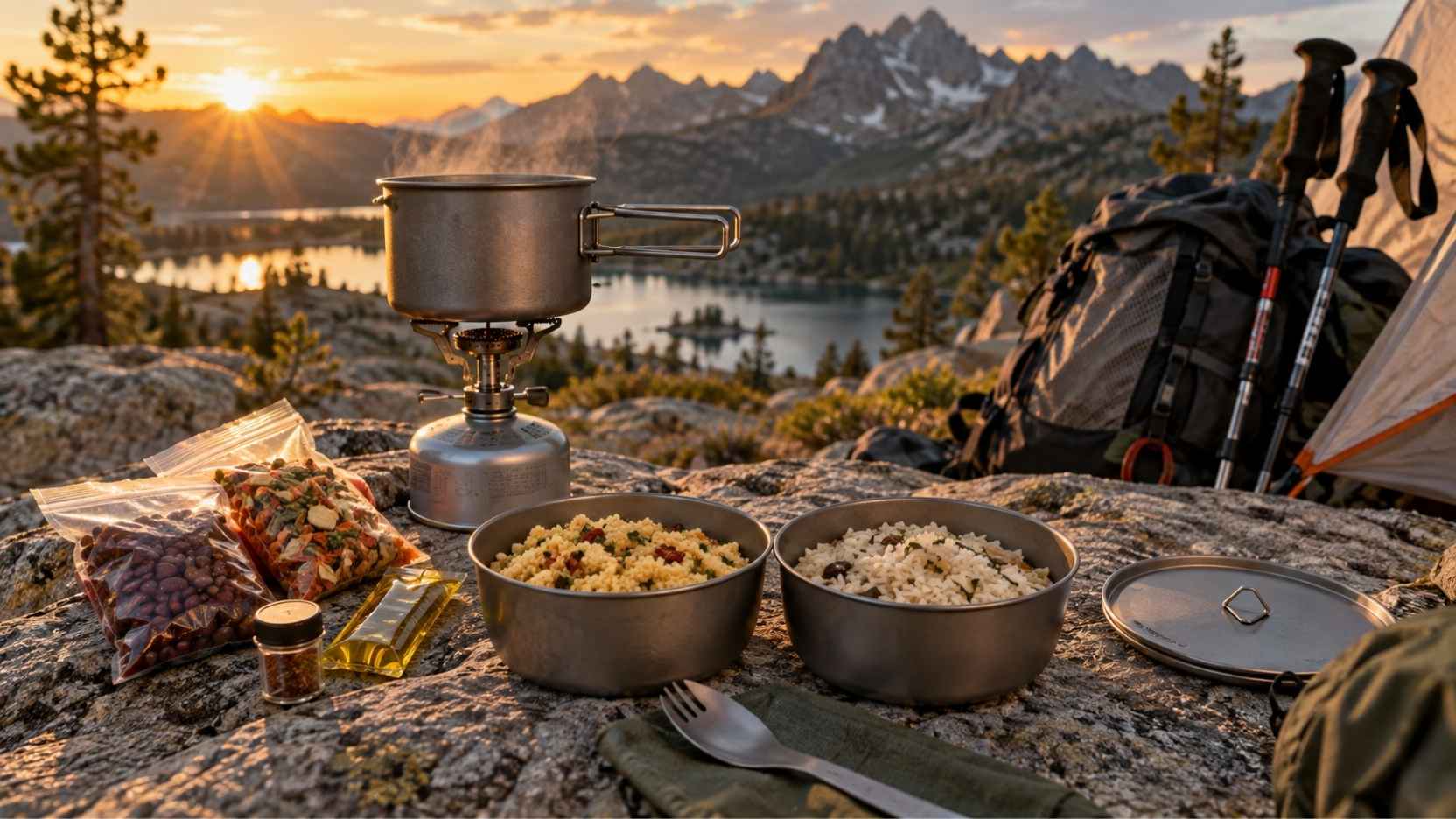
Couscous is another strong base because it cooks quickly and carries seasoning well. Near East’s plain couscous directions use about five minutes of preparation, making it convenient for meals built around boiling water and resting rather than extended simmering. 🌿 Pair it with dehydrated beans, dried vegetables, olive oil, and Mediterranean spices, or use TVP, tomato powder, garlic, and chili for another flavor profile.
The advantage is not that couscous is nutritionally magical; it is that one dry base can support many combinations. That keeps the food system modular and makes flavor variety easier when eating the same ramen seasoning becomes tiring. Convenience and variety can be legitimate backpacking criteria alongside nutrition numbers.
What Each Upgrade Costs In Pack Weight
Calories per ounce is calculated from the food you actually carry: total calories ÷ carried ounces. An 85-gram ramen package at roughly 380 calories is about 127 calories per ounce, dry TVP is about 99 calories per ounce, and a 14-gram portion of olive oil at 119 calories is roughly 241 calories per ounce. ⚖️ Those numbers explain why oil is such an efficient calorie booster.
A 74-gram water-packed tuna pouch provides 70 calories and 17 grams of protein, or only about 27 calories per ounce because the pouch includes substantial water. A representative dehydrated vegetable mix provides about 331 calories and nearly 18 grams of fiber per 100 grams dry, making small portions useful for adding plant material and fiber without carrying fresh vegetables. Different ingredients solve different problems, so a smart food bag does not ask every ingredient to maximize calories per ounce.
| Example component | Carried weight | Calories | Protein | Fiber | Approx. calories/oz |
|---|---|---|---|---|---|
| Ramen, full package | 85 g / 3.0 oz | 380 | 8 g | 2 g | 127 |
| Dry TVP | 23 g / 0.81 oz | 80 | 12 g | 4 g | 99 |
| Dehydrated vegetable mix | 15 g / 0.53 oz | ~50 | ~1.8 g | ~2.7 g | ~94 |
| Olive oil | 14 g / 0.49 oz | 119 | 0 g | 0 g | 241 |
| Tuna pouch in water | 74 g / 2.6 oz | 70 | 17 g | 0 g | 27 |
When Convenience Is Actually Valuable
Processing is not automatically a benefit or a problem; on trail, it is often a logistics decision. Instant rice, potato flakes, ramen, couscous, TVP, and dehydrated vegetables are useful partly because preparation is shortened or water has been removed. 🔥 Faster meals can also reduce stove time when weather, daylight, or fatigue makes a long cooking routine unattractive.
Convenience still requires label awareness because sodium, serving sizes, fat, and seasoning vary by product. Current Maruchan chicken ramen, for example, lists 760 milligrams of sodium per half-block serving, so a full seasoning packet plus other salty additions can raise the total quickly. The answer is not automatically to discard ramen; it is to understand what the base contributes before adding more.
Build Better Meals, Not A More Expensive Food Bag
A strong backpacking menu does not need to begin with premium freeze-dried dinners. Start with one cheap base you enjoy, then ask four questions: where is the protein, where is the plant component, where are extra calories needed, and what changes the flavor from yesterday? 🎒 Those questions create a repeatable system that works with ramen, rice, potatoes, couscous, and other trail staples.
Use a Trail Food Macro Cheat Sheet to compare ingredients, a Calories Per Ounce Database to judge carried weight, and Menu Templates to build complete days rather than isolated dinners. The larger lesson is simple: you usually do not need to replace inexpensive backpacking food to improve it. Understand what the base does well, identify what is missing, and add the smallest useful ingredient that closes the gap.