Freeze-Dried Meals vs Grocery Store Trail Food: What Are You Actually Paying For?
The $12 Backpacking Dinner Question
Walk through the backpacking-food aisle and the price difference can feel enormous: a commercial freeze-dried entrée may cost $10 to $15 or more, while instant potatoes, ramen, or pasta sides from a grocery store can cost only a few dollars. 🥾 That naturally creates the question behind countless trail-food discussions: are backpacking meals worth the premium, or are hikers mostly paying for fancy packaging? The answer becomes much clearer when the comparison moves away from brand loyalty and toward measurable variables.
A freeze-dried pouch and a grocery-store meal are not necessarily selling the same thing, even when both eventually become dinner after hot water is added. One may prioritize low carried weight, long storage life, simple preparation, integrated packaging, and predictable portions, while the other may prioritize low purchase cost and flexibility. Instead of declaring either system superior, compare what each dollar actually buys.
Why Hikers Willingly Pay More For Freeze-Dried Food
Commercial freeze-dried meals solve several small backpacking problems at once, and that bundled convenience is an important part of their price. Food has already been cooked and portioned, much of its water has been removed, preparation may happen inside the original pouch, and there can be almost no cookware cleanup afterward. ⛺ When someone reaches camp tired, cold, or after a long-mileage day, reducing dinner to boil water, pour, wait, stir, and eat has practical value.
Shelf life can also be part of that premium rather than an invisible marketing feature. Mountain House, for example, currently states a 30-year taste guarantee for its freeze-dried meal pouches when stored according to its guidelines, something a backpacker buying food for repeated trips or emergency storage may value differently from someone shopping only for next weekend. That does not automatically make the expensive meal the right purchase; it simply means price per calorie alone does not capture everything being sold.
Use Five Metrics Instead Of Asking Which Meal Is “Best”
A useful backpacking comparison starts with five numbers or characteristics: cost per 500 calories, calories per ounce, carbohydrate/protein/fat from the current label, preparation requirements, and packaging volume or waste. 💡 Cost per 500 calories normalizes meals of different sizes, while calories per ounce tells you how much food energy you are carrying for the weight. Macronutrients add context because comparing a bare packet of potatoes against an entrée containing meat and fat would otherwise exaggerate the grocery option’s price advantage.
Preparation and packaging deserve equal attention because those costs appear on the trail rather than on the nutrition panel. A cheaper meal that needs longer simmering can consume more stove fuel, while multiple grocery ingredients may require measuring, mixing, repacking, and carrying several pieces of trash. A pouch meal may cost more at checkout but effectively sells labor savings and fewer camp decisions along with the food.
A Current Commercial Freeze-Dried Example
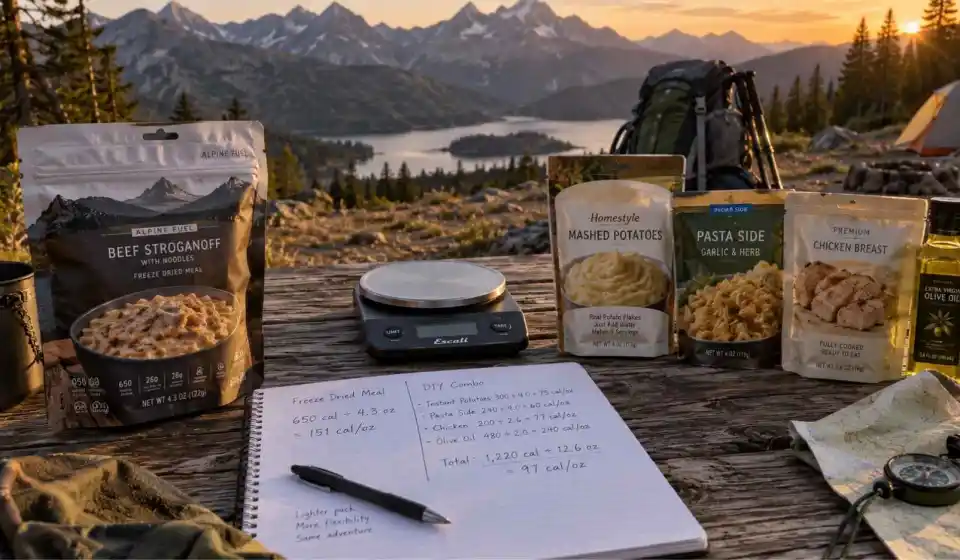
Consider Mountain House Beef Stroganoff with Noodles as a label-based example rather than a product ranking. In September 2026, the manufacturer’s site lists the pouch at $12.49, with 560 calories, 22 grams of fat, 62 grams of carbohydrate, and 24 grams of protein; the dry mix is two 61-gram servings, or about 4.3 ounces total. That works out to roughly 130 calories per carried ounce and approximately $11.15 per 500 calories before considering sales or retailer discounts.
The manufacturer’s instructions also highlight an important part of the price proposition: water goes directly into the pouch, the meal is ready in less than 10 minutes, and the same pouch becomes the eating container. 🍲 That removes a separate bowl from the process and can substantially reduce pot cleanup, especially when dinner contains sauces or meat. In other words, some of the $12.49 pays for calories, but some pays for processing, portioning, preservation, packaging, and camp convenience.
Build A Grocery Meal That Makes The Comparison Fair
Now compare that commercial entrée with a grocery-store system rather than comparing it against plain ramen alone. A current 4-ounce pouch of Idahoan Buttery Homestyle mashed potatoes is listed by the manufacturer at $1.99, and its label provides four 110-calorie servings, producing 440 calories, about 80 grams of carbohydrate, 10 grams of fat, and 8 grams of protein per pouch. Instant potatoes therefore already provide about 110 calories per ounce before anything else is added.
But the potatoes alone are not nutritionally equivalent to the beef entrée, so add protein and fat before comparing prices. For a simple arithmetic example, a 2.6-ounce StarKist Buffalo Style chicken pouch currently provides 90 calories, 11 grams of protein, and 3.5 grams of fat, while one tablespoon of a currently listed grocery-store olive oil provides another 120 calories and 14 grams of fat. The resulting trail dinner contains roughly 650 calories, 19 grams of protein, 83 grams of carbohydrate, and 27.5 grams of fat.
The Grocery Meal Is Cheaper, But Notice What Happens To Weight
Using the current example prices, the potato pouch costs $1.99, the chicken pouch is listed at $1.88, and one tablespoon from a $6.12 bottle containing about 33 servings costs approximately $0.19. The complete grocery combination therefore costs around $4.06 for 650 calories, or roughly $3.12 per 500 calories, versus approximately $11.15 per 500 calories for the commercial stroganoff. 💰 On pure calorie cost, that is a very large difference.
Weight tells a different story because the chicken pouch still contains water, unlike freeze-dried meat. The potatoes, chicken, and tablespoon of oil total roughly 7.1 ounces of carried food, producing around 92 calories per ounce, while the freeze-dried stroganoff provides roughly 130 calories per ounce before hydration. This illustrates an important trail-food principle: the cheapest calorie system and the lightest calorie system do not have to be the same system.
Finished Meal Weight Can Be A Misleading Metric
Backpackers sometimes compare the weight of meals after cooking, but carried weight before rehydration is usually the more useful number when planning a pack. Water added at camp makes both meals heavier in your bowl without necessarily making your backpack heavier during the day’s hike. 🚰 If you must carry dinner water through a dry section, however, preparation water suddenly becomes part of the real weight calculation and should be included in your route-specific food plan.
The same logic applies to packaging. A freeze-dried entrée uses a comparatively large specialized pouch but combines storage, rehydration, and eating into that single package, while the example grocery dinner creates separate potato, chicken, and oil containers unless ingredients are responsibly repackaged. Neither packaging system wins automatically; compare bulk before dinner, trash after dinner, leak risk, and whether additional cookware is required.
The Preservation Process Is Part Of The Price
Freeze-drying removes water after food has been frozen, using low pressure so ice can transition into vapor through sublimation rather than relying primarily on conventional hot-air evaporation. This process can produce very lightweight ingredients that rehydrate quickly, but it requires specialized equipment and processing beyond what hikers see when they pick up the finished pouch. 🧊 The retail price therefore reflects more than the raw cost of noodles, beef, vegetables, or seasonings.
Grocery-store trail foods can reach the shelf through several different systems, including dehydration, precooking, drying, extrusion, or combinations of food-processing techniques. Instant potatoes, ramen, couscous, stuffing, powdered sauces, and pasta sides were generally designed as inexpensive pantry foods rather than purpose-built ultralight backpacking entrées. That difference is exactly why grocery aisles can be such a powerful trail-food resource: backpackers are repurposing inexpensive convenience foods for an environment they were not necessarily marketed for.
Where Commercial Freeze-Dried Meals Make Sense
A commercial pouch can make particular sense on short trips where dinner convenience matters more than minimizing food cost, or when someone wants one predictable hot meal after an especially difficult day. It can also simplify food planning for beginners who do not yet want to calculate recipes, divide ingredients, experiment with rehydration, or manage several components at camp. 🏕️ Paying another several dollars for one dinner may feel reasonable when the entire trip contains only one or two nights.
Long storage life can create another use case, particularly for hikers who keep meals available for spontaneous trips rather than purchasing a fresh grocery menu every time. The compact dried ingredients can also make sense when reducing carried food weight is more important than minimizing dollars per calorie. The key is recognizing that the premium is purchasing a package of conveniences, not simply a mysterious class of superior calories.
Where Grocery Store Trail Food Makes More Sense
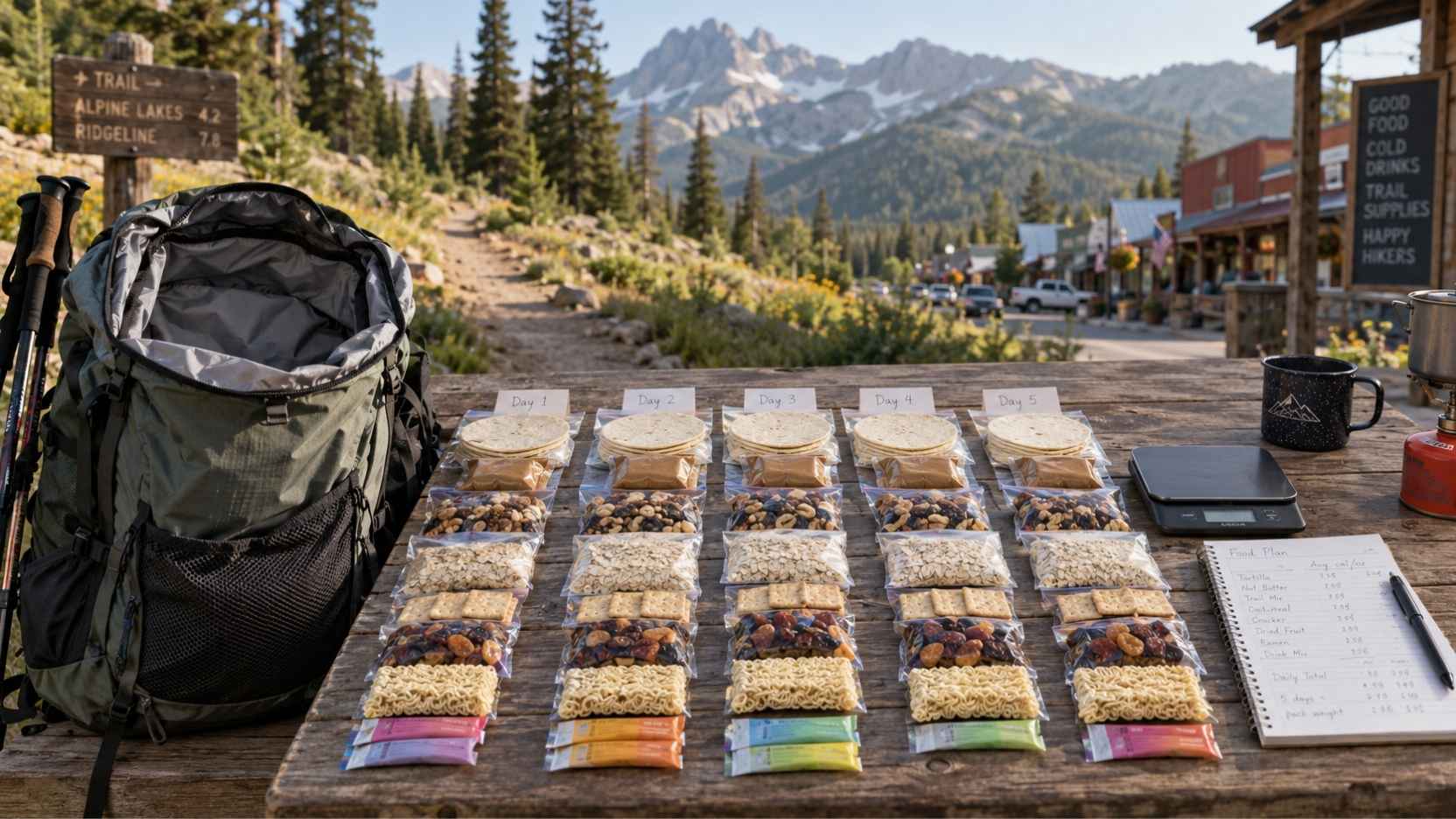
Grocery ingredients become increasingly attractive when budget matters, trips are longer, or the backpacker enjoys building meals from components. Knorr-style pasta or rice sides, ramen, instant mashed potatoes, tortillas, couscous, nut butters, oils, dried fruit, and other shelf-stable ingredients allow portions and flavors to be adjusted without buying a complete specialty entrée every night. 🍜 The savings can multiply quickly across a three-, five-, or seven-day food bag.
The tradeoff is that the backpacker becomes the meal designer. You must check current nutrition labels, determine portions, add protein or fat when desired, test cooking times, consider fuel use, and confirm that the meal actually tastes acceptable after a demanding day outside. That work is not necessarily difficult, but it explains why comparing a $1 side dish directly with a fully assembled freeze-dried entrée is incomplete.
The Hybrid Strategy Often Solves The Argument
There is no requirement to choose one food system for every meal of a trip. A practical hybrid menu might use grocery-store breakfasts, tortillas or snack-style lunches, inexpensive trail snacks, and one commercial freeze-dried dinner for the hardest evening, combining cost control with convenience where it matters most. 🎒 A three-day trip could therefore contain only one premium pouch rather than six or nine specialty meals.
This approach also makes calorie planning easier because expensive specialty food is treated as a strategic component rather than the foundation of the entire food bag. Use the Calories Per Ounce Table when evaluating carried energy density, How Much Food Weight Per Day? when estimating total food load, the Category 2 preservation guides for understanding dehydration versus freeze-drying, and the Three-Day Backpacking Menu for putting the pieces together. The better question is ultimately not “Are freeze-dried meals overpriced?” but “Which backpacking problems am I willing to pay someone else to solve?”
Final Takeaway
The worked example shows why both sides of the trail-food debate can sound correct. Commercial freeze-dried food can deliver excellent carried calorie density and unusually simple preparation, while a carefully assembled grocery meal can provide comparable dinner calories for a fraction of the purchase price, although the resulting system may be heavier or more complicated. Prices and formulations change, so always repeat the calculation using the packages actually available when you shop.
Think of specialty backpacking food as buying more than dinner: you may also be buying water removal, preservation technology, packaging, portion design, reduced cleanup, and planning convenience. Grocery food lets you keep more of that work—and more of the money—in your own hands, but requires you to design the system yourself. 🥾 Once you compare cost per 500 calories, calories per ounce, label macros, preparation, and packaging, the decision becomes much more useful than simply calling one option “cheap” and the other “expensive.”