Can You Use an Ursack or Bear Hang Instead of a Canister? 2026 Backpacking Rules Explained
One of the most common questions among backpackers heading into bear country is simple: Can I use an Ursack or a bear hang instead of carrying a heavy bear canister?
Sometimes yes.
Sometimes no.
And in some parks, the answer depends on the exact trail, campsite, season, or food-storage infrastructure available.
This distinction is particularly important in 2026 because national parks and wilderness areas do not use one universal food-storage standard. Some require specific hard-sided containers, some accept certain soft-sided bear-resistant products, and others allow properly constructed food hangs.
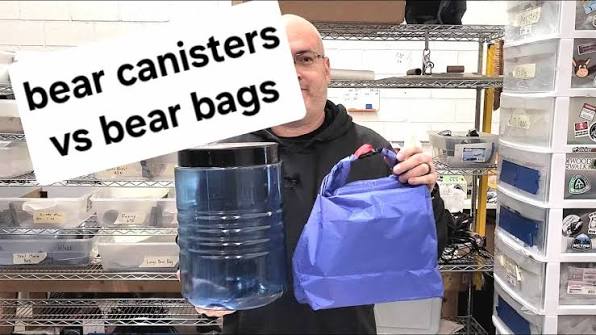
Before buying equipment for your next trip, understand how these three systems differ.
Option One: Hard-Sided Bear Canisters
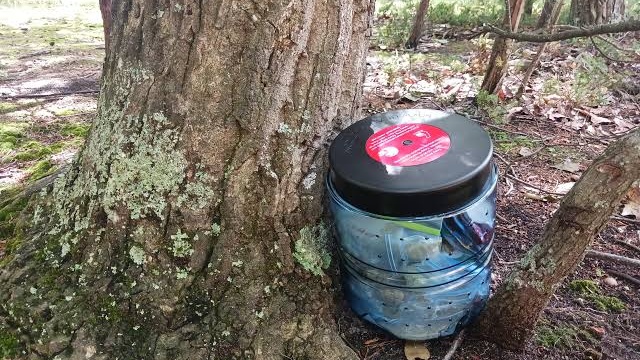
A hard-sided bear canister is usually the most straightforward choice when regulations specifically require a portable bear-resistant container.
The rigid body prevents bears from directly reaching the contents. It also means the container does not depend on a tree or rope system.
Yosemite provides one of the clearest examples. Bear-resistant food canisters are required throughout Yosemite Wilderness, and the park maintains a specific list of allowed containers.
Grand Teton also requires food, garbage, toiletries, and other odorous items to be stored in an IGBC-approved bear canister when they are not in immediate use.
For these kinds of trips, carrying an approved hard-sided container is not simply a matter of personal preference.
Option Two: Ursack
The Ursack occupies an interesting middle ground.
It is lighter and more flexible than many hard-sided canisters, but its legal status varies.
North Cascades National Park currently allows Ursack as a food-storage option. The park’s instructions require users to know the correct closure knot and to secure the container appropriately. It also warns about limitations involving rodents and wolverines.
Denali’s 2026 information likewise lists Ursack Major and AllMitey among products on its applicable bear-resistant container list.
This demonstrates an important principle: Ursack is not inherently illegal, but it is not universally interchangeable with a hard-sided canister.
If a park says “approved hard-sided container,” an Ursack does not automatically qualify.
Option Three: Bear Hang
A traditional bear hang suspends food from a tree using rope or another system.
When permitted, it can eliminate the need to carry a bulky container. But successful hanging requires the right tree, the right height, enough horizontal separation, and an appropriate method for the local wildlife.
Sequoia and Kings Canyon illustrate the complexity. Their current guidance explains that only specific hanging methods are allowed where hanging is appropriate, while also warning that counterbalancing often fails in these parks.
In other locations, hanging food is prohibited altogether.
Yosemite’s wilderness regulations explicitly state that hanging and counterbalancing food are not legal.
Therefore, knowing how to make a bear hang does not mean you can legally use one everywhere.
A Simple Comparison
| System | Main advantage | Main limitation | Legal status |
|---|---|---|---|
| Hard-sided canister | Widely accepted where canisters are required | Heavy and bulky | Depends on approved list |
| Ursack | Lightweight and flexible | Not accepted everywhere | Depends on local rules |
| Bear hang | No rigid container required | Needs suitable trees and correct technique | Depends on local rules |
The final column is the most important one.
Yosemite: Do Not Substitute an Ursack
If Yosemite Wilderness is on your itinerary, plan around the park’s approved container requirements.
The NPS lists specific allowed containers and states that bear-resistant food canisters are required for food storage throughout Yosemite Wilderness. Food includes much more than meals: drinks, trash, toiletries, medications, tobacco, and other scented products are included.
Yosemite’s current rules also prohibit hanging, counterbalancing, or guarding food overnight.
This is a classic example of why buying a lightweight alternative without checking regulations first can result in the wrong equipment.
Olympic: The Approved-Product List Matters
Olympic National Park takes an explicit approved-container approach.
The park’s June 2026 update says containers that are not on its approved Animal Resistant Food Container list are not permitted as approved ARFCs, even if manufacturers or product testers make other claims.
For hikers, this means the product’s marketing description is not enough.
Look up the actual park list before your trip.
North Cascades: More Flexibility
North Cascades provides a different example.
The park currently permits Ursack in its food-storage system and provides instructions for how the container must be closed and secured. It also identifies other approved bear-resistant systems.
However, backpackers still need to pay attention to the exact area and applicable seasonal rules.
A legal option in one North Cascades location should not automatically be assumed to apply to every public land area in Washington.
Sequoia and Kings Canyon: Route Planning Is Essential
Sequoia and Kings Canyon require hikers to pay close attention to location.
The parks have mandatory canister areas, food-storage boxes in some locations, and provisions for hanging food where appropriate. At the same time, the NPS strongly encourages portable animal-resistant containers because food-storage boxes may be unavailable or full.
Some locations specifically require canisters.
This means that a backpacker planning a long route should map out every overnight stop.
If Camp A allows a food box but Camp B requires a canister, the fact that Camp A has a box does not solve the problem for Camp B.
What About Glacier Bay?
Glacier Bay National Park demonstrates another variation.
The park requires food, garbage, and scented items to be properly stored and allows either an approved bear-resistant food canister or a properly constructed hang meeting specified dimensions.
However, Glacier Bay notes that many areas do not have sufficiently large trees for the required hanging method.
In practical terms, the regulation may permit a hang while the physical environment makes a canister much more practical.
That distinction is worth remembering when planning remote trips.
Don’t Forget Scented Items
Whatever system you use, food is only part of the equation.
The NPS identifies many potential attractants, including toiletries, sunscreen, soap, cosmetics, drinks, trash, cooking equipment, and other scented materials.
Grand Teton, for example, specifically includes sunscreen, soap, mosquito repellent, lip balm, deodorant, medications, and feminine products in its bear-canister requirements.
A backpacker who secures only dinner and snacks but leaves toothpaste or trash outside has not completed the food-storage job.
What Should You Do on a Multi-Park Trip?
Multi-park trips require another level of planning.
Suppose your route includes:
Yosemite → Sequoia/Kings Canyon → North Cascades
You should not buy equipment based on the most flexible destination.
Instead, check each park.
Yosemite has strict canister requirements. Sequoia and Kings Canyon have location-specific rules. North Cascades allows Ursack in its current food-storage system.
Your itinerary may therefore determine the equipment you need.
A Practical 2026 Decision Process
Use this sequence before every backpacking trip:
1. Find the official regulation.
Start with the land-management agency rather than a gear retailer.
2. Identify the exact overnight areas.
Rules can change between camps.
3. Check the dates.
Some requirements are seasonal.
4. Determine whether the rule says “canister,” “approved container,” or “bear-resistant storage.”
These phrases may have different practical meanings.
5. Check approved product lists.
Do not assume certification equals legal approval.
6. Verify the status of Ursack.
Some destinations allow it; others require hard-sided containers.
7. Verify bear-hang rules.
If hanging is allowed, learn the exact dimensions and technique.
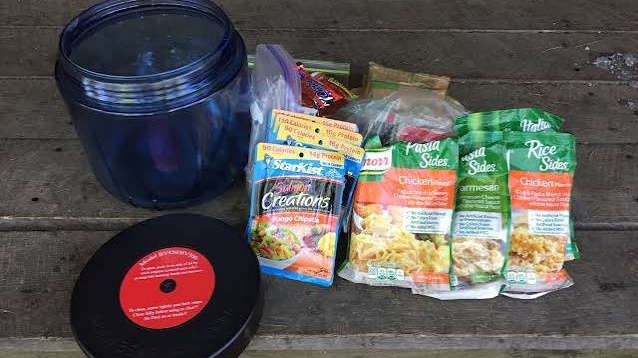
8. Pack every scented item into the required storage system.
Final Thoughts
The debate over bear canister vs. Ursack vs. bear hang is often presented as a gear comparison, but legality should come before weight, price, or convenience.
A hard-sided canister is required in some of the most heavily regulated wilderness areas. Ursack is permitted in some destinations but not universally. Bear hangs remain legal in certain areas but are specifically prohibited in others.
The NPS itself emphasizes that food-storage regulations differ among national parks and that failure to follow them can result in penalties.
For 2026, the smartest approach is not to ask, “Which system is universally best?”
Ask instead:
“Which food-storage system is approved for my exact trail, campsite, and dates?”
Once you answer that question, choosing the right gear becomes much easier—and your food-storage plan will be built around the actual regulations rather than assumptions.