Bear Canister vs. Ursack vs. Bear Hang: What’s Actually Legal in 2026?
If you are planning a backpacking trip in bear country, choosing food storage is not simply a matter of deciding which system is lighter or easier to pack. The bigger question is whether the system you choose is actually legal where you are going.
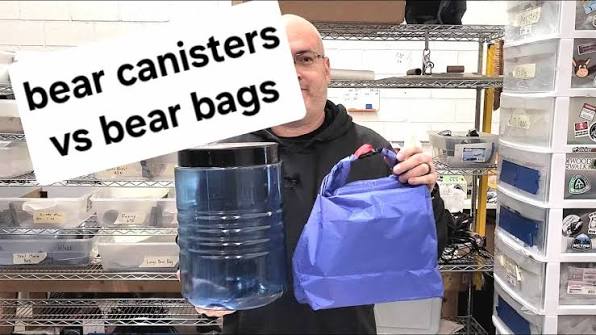
In 2026, backpackers commonly consider three options: a hard-sided bear canister, an Ursack-style soft-sided bear-resistant container, or a traditional bear hang. All three can be used in different backcountry settings, but they are not interchangeable under every park’s regulations.
A bear-resistant product can be legal in one park and prohibited in another. A bear hang can be acceptable in one wilderness area while being specifically prohibited in another.
The key is to check the regulations for the exact park, trail, campsite, and dates of your trip.
What Is a Bear Canister?
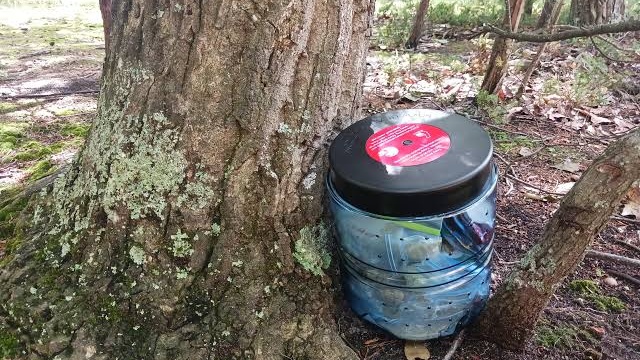
A bear canister is a rigid, hard-sided container designed to prevent bears from accessing food and scented items inside.
Many national parks maintain lists of approved bear-resistant containers. Yosemite, for example, requires allowed bear-resistant food canisters throughout Yosemite Wilderness and maintains a specific list of permitted models. Its current list includes products such as BearVault, Bearikade, Garcia Backpackers’ Cache, Counter Assault Bear Keg, Bare Boxer, and several other approved systems.
The advantage of a hard-sided canister is that it does not depend on a tree, rope system, or campsite infrastructure. When properly closed and stored, it creates a physical barrier between wildlife and food.
However, canisters are generally bulkier than soft-sided alternatives. Packing them efficiently becomes particularly important on longer trips.
What Is an Ursack?
An Ursack is a soft-sided, bear-resistant food-storage container made from high-strength fabric. It is designed to resist animal access while reducing the weight and bulk associated with traditional hard-sided containers.
But there is an important distinction:
Being an approved bear-resistant product does not automatically mean an Ursack is legal everywhere.
North Cascades National Park, for example, currently allows Ursack under its food-storage requirements, provided users follow the required closure and securing method. The park also warns that the general Ursack Major is not rodent-proof and notes that there has been evidence of wolverines destroying Ursacks in the park.
Denali National Park’s 2026 information also lists Ursack Major and AllMitey among bear-resistant food containers appearing on the applicable IGBC product list.
Therefore, an Ursack can be a legal option in some areas, but you should never assume that it replaces a required hard-sided canister.
What About a Traditional Bear Hang?
A bear hang uses rope, a tree, and a carefully positioned food bag to keep food away from bears.
In some backcountry areas, this remains an accepted method. However, the details matter. A poorly executed food hang may not satisfy the local regulations.
For example, Sequoia and Kings Canyon National Parks provide instructions for hanging food where boxes or canisters are not available. The parks explain that only specific counterbalance methods are allowed and also warn that counterbalancing frequently fails because bears have learned to defeat it and suitable trees may be difficult to find.
Other parks have gone further and completely prohibited hanging.
Yosemite is a clear example. Its wilderness regulations state that hanging, counterbalancing, or guarding food, trash, or scented items is not legal.
So a bear hang is not a universal legal solution.
Yosemite: Canister Wins by Regulation
Yosemite is one of the easiest places to understand the difference between “bear-resistant” and “legally approved.”
In Yosemite Wilderness, allowed bear-resistant food canisters are required. The park’s rules cover food, drinks, trash, toiletries, medications, tobacco, and other scented items. Traditional hanging is illegal.
The park maintains an approved-container list. That means you should check the model number rather than simply looking for words such as “bear proof” or “bear resistant” on packaging.
Yosemite also has a limited winter exception under specific conditions. Between December 15 and March 30, skiers and snowshoers in certain higher-elevation areas may use a compliant food hang instead of a canister. The exception is narrow and should not be interpreted as a general winter exemption.
Olympic: Check the Approved List
Olympic National Park requires approved animal-resistant food containers for wilderness use.
The park maintains an official approved-container list and specifically states that a container not appearing on that list is not permitted as an approved Animal Resistant Food Container, regardless of manufacturer claims or outside testing. The list was updated in June 2026.
This is another reason backpackers should research the actual destination before buying equipment.
An Ursack that is legal somewhere else does not automatically become legal at Olympic.
North Cascades: Ursack Can Be Legal
North Cascades provides a useful contrast with Yosemite.
The park currently allows Ursack as part of its food-storage system. Users must know how to make the required closure and secure the container appropriately. The park also identifies other approved bear-resistant containers through the applicable certified product list.
This means backpackers traveling through Washington may have equipment choices that are unavailable under stricter container-only regulations elsewhere.
But the exact campsite still matters.
Sequoia and Kings Canyon: A Mixed System
Sequoia and Kings Canyon are more complicated.
Bear canisters are required in several locations, while other areas may allow food-storage boxes or properly executed hangs. The parks strongly encourage portable animal-resistant containers throughout the wilderness.
Some locations have food-storage lockers, but the NPS warns that visitors should not depend on those boxes being available.
The practical lesson is important: if your itinerary crosses several areas, determine the food-storage requirement for each section rather than relying on one general park-wide assumption.
Bear-Resistant Does Not Mean Bear-Proof
No food-storage system should be treated as magic protection.
The NPS explains that bears can be attracted to many items besides obvious food. Sunscreen, soap, toothpaste, drinks, trash, cosmetics, cooking equipment, and other scented products may need to be secured.
A container also has to be used correctly.
A bear canister must be closed and locked. It should not be placed near a cliff or water source where an animal could knock it downhill. The NPS recommends placing containers away from camp in appropriate locations.
Likewise, an Ursack must be closed and secured according to the local rules.
A bear hang must be constructed according to the applicable regulations rather than simply tossing a food bag over the nearest branch.
Which System Should You Pack?
The answer depends first on legality.
If your destination requires a hard-sided approved canister, use one. Do not substitute an Ursack simply because it is lighter.
If Ursack is explicitly allowed, it may provide a lower-bulk option.
If the area permits bear hangs, a properly constructed hang can be an alternative, but it requires suitable trees, appropriate rope technique, and careful execution.
For mixed itineraries, choose equipment based on the strictest requirement along your route.
Final Checklist
Before leaving for a 2026 backpacking trip, check:
- The exact land-management agency
- Your trail and campsite
- Your travel dates
- Whether a canister is mandatory
- Whether Ursack is approved
- Whether a bear hang is allowed
- The park’s approved product list
- Requirements for toiletries and trash
- Any seasonal exceptions
- Whether food lockers are actually available
The most important rule is simple: do not confuse certification with permission.
A container can be certified, marketed as bear-resistant, and perfectly suitable for one wilderness area while failing to meet the rules of another.
Your best food-storage system is therefore the one that is both effective and legal for the specific place where you are camping.