Is Homemade Dehydrated Backpacking Food Actually Cheaper Than Mountain House?
Backpacking food has a reputation for being expensive. A single commercially prepared freeze-dried meal can cost as much as several home-cooked dinners, which naturally leads hikers to ask a simple question: Why not make backpacking meals at home?
DIY dehydrating can be an economical alternative, but calculating the real savings requires more than comparing a grocery receipt with the price printed on a Mountain House pouch.
The real calculation involves serving sizes, calories, ingredients, packaging, equipment, electricity, and your time.
Once these factors are included, the answer becomes more interesting.
Start With Calories, Not Just Servings
One of the biggest mistakes in backpacking food comparisons is treating every “serving” as equivalent.
A commercial pouch may contain two servings, but that doesn’t necessarily mean it provides two complete dinners for two hungry hikers.
Backpacking is physically demanding. Depending on the trip, terrain, weather, body size, and activity level, a hiker may need substantially more energy than they normally consume at home.
Therefore, compare meals by both cost per serving and cost per calorie.
Suppose a commercial meal costs $12 and provides 800 calories.
The cost is:
$12 ÷ 800 = 1.5 cents per calorie
Now imagine a homemade meal costing $4.50 and providing 900 calories.
Its cost is:
$4.50 ÷ 900 = 0.5 cents per calorie
The homemade meal is less expensive not simply because its ingredient price is lower, but because you can deliberately build it around inexpensive, calorie-dense ingredients.
Why Homemade Meals Can Be So Cheap
Many backpacking staples are inexpensive.
Rice, pasta, oats, couscous, lentils, beans, instant potatoes, peanut butter powder, dried vegetables, and powdered sauces can form the foundation of many meals.
Buying these ingredients in larger packages can reduce the cost further.
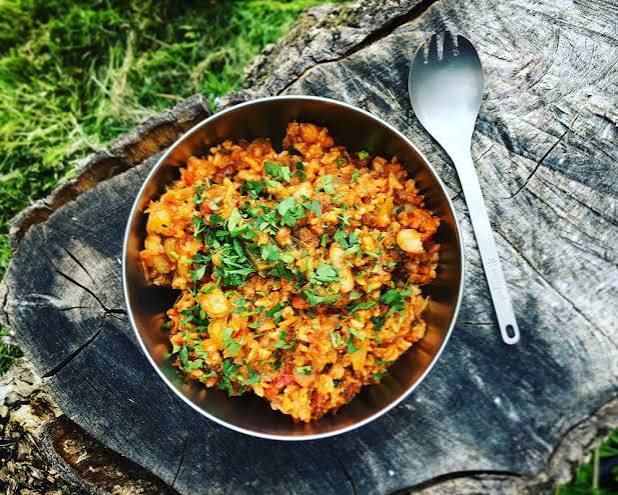
A homemade meal might combine instant rice, dehydrated vegetables, powdered cheese, seasonings, and a protein source. The finished meal can be lightweight, easy to rehydrate, and significantly less expensive than a commercially packaged alternative.
The biggest advantage is that you control the recipe.
If you want a 1,000-calorie dinner, you can build one.
If you want a vegetarian meal, you can create one.
If you need more protein, you can add it.
Commercial products provide less flexibility because you purchase a predetermined formula.
Protein Is Often the Expensive Part
The cost difference becomes smaller when expensive ingredients are added.
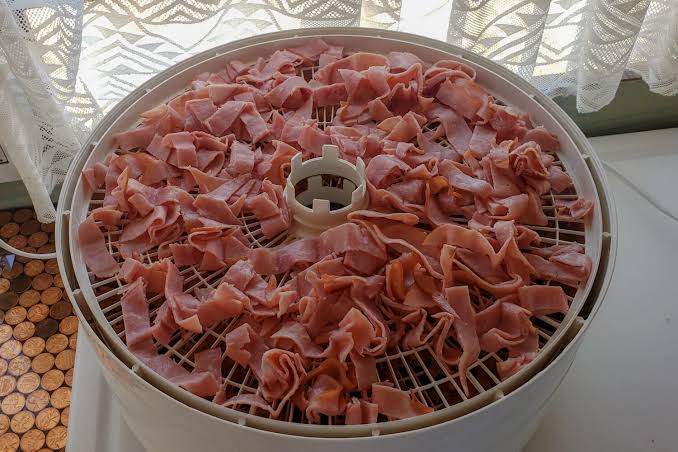
Dehydrating vegetables and carbohydrates at home can be relatively inexpensive. Meat and certain specialty ingredients can raise the price considerably.
Chicken, beef, and other protein sources require careful handling and preparation. Some backpackers therefore purchase commercially freeze-dried meat or other shelf-stable protein ingredients for homemade meals.
A DIY meal containing inexpensive carbohydrates and vegetables might cost only a few dollars.
A DIY meal loaded with premium protein could cost substantially more.
This is why there isn’t one universal “DIY meal price.”
Your recipe determines your cost.
Commercial Meals Include More Than Food
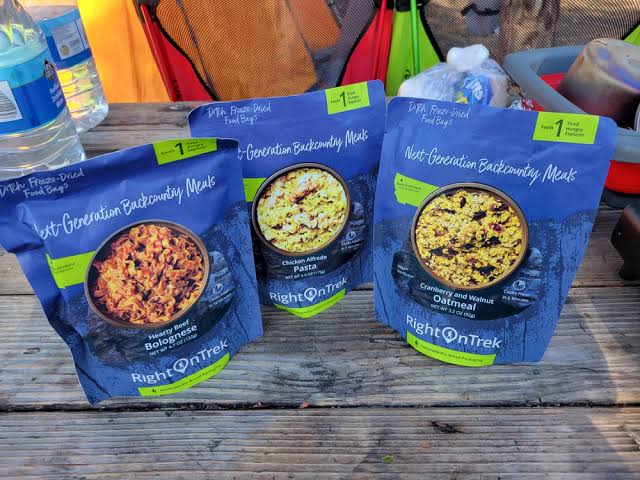
When you purchase a Mountain House meal, you aren’t paying only for rice, pasta, meat, or vegetables.
The final price also reflects industrial food processing, freeze-drying, quality control, packaging, distribution, retail costs, and the convenience of having a ready-to-use meal.
That convenience has value.
You can throw a pouch into your backpack without spending an afternoon preparing food.
At camp, you add hot water, wait, and eat.
For a short weekend trip, that simplicity may be more important than saving several dollars.
DIY Equipment Has an Upfront Cost
The first DIY meal can be surprisingly expensive if you need to purchase all the equipment.
A food dehydrator is the most obvious example.
You may also need trays, liners, storage bags, labels, a kitchen scale, and other accessories.
However, equipment should be treated as a long-term investment rather than charged entirely to one backpacking trip.
If you spend $150 on equipment and eventually make 150 meals, the equipment contributes approximately $1 per meal.
Make 300 meals, and the equipment contribution falls to about $0.50 per meal.
Frequent backpackers can therefore spread the startup cost over many trips.
Your Time Has an Economic Cost
The hidden cost of DIY food is labor.
Imagine you spend three hours preparing and packaging meals for a trip.
If you value your time at $20 per hour, that represents $60 of labor.
If you make 15 meals, your labor adds $4 per meal.
That changes the calculation significantly.
A meal with $3.50 in ingredients could have an economic cost of approximately $7.50 after labor.
That may still be cheaper than a $12 commercial meal, but the difference is no longer dramatic.
Of course, many people don’t consider cooking and dehydrating to be paid labor. If you enjoy the process, the time may have recreational value instead.
Packaging Matters More Than You Think
Packaging is another difference between the two systems.
Commercial meals come in professionally designed pouches intended to protect the food from moisture, oxygen, and physical damage.
DIY meals require you to create your own packaging system.
Freezer bags are inexpensive and lightweight. Heat-sealed bags can provide a more compact package. Vacuum sealing can be useful for some foods, although it isn’t a substitute for proper dehydration and safe food storage practices.
Whatever system you choose, include packaging in your cost calculation.
A $0.25 bag multiplied by 30 meals is $7.50.
Small costs become noticeable when multiplied across a large food stash.
The Long-Term Savings Become More Interesting
The economics of DIY food become more attractive when you backpack frequently.
Consider someone who takes six trips per year and eats 10 homemade meals on each trip.
That’s 60 meals annually.
If DIY food costs $5 per meal and commercial meals average $12, the annual difference would be:
60 × $7 = $420
Over several years, the savings could become substantial.
The calculation becomes even more favorable if you already own a dehydrator and regularly purchase inexpensive ingredients in bulk.
By contrast, someone who takes one overnight trip every two years may not save enough money to justify buying equipment and spending hours preparing food.
DIY Also Reduces Menu Fatigue
Cost isn’t the only reason people choose homemade meals.
Variety matters.
You can make chili, curry rice, pasta, lentil stew, oatmeal, bean dishes, couscous bowls, vegetable soup, and many other combinations.
You can also adjust seasoning.
A backpacker who dislikes overly salty commercial meals can reduce sodium in homemade recipes. Someone who wants more calories can increase oil, nut butter powder, cheese, or other calorie-dense ingredients.
This customization can make DIY food more satisfying.
A Hybrid Strategy May Be Practical
You don’t have to choose one system for every trip.
A hybrid approach can combine the advantages of both.
For example:
Breakfast: DIY oatmeal
Lunch: Grocery-store snacks and tortillas
Dinner: Commercial freeze-dried meal
Emergency meal: Homemade dehydrated meal
This strategy minimizes preparation while keeping the overall food budget under control.
You can also save commercial meals for trips where convenience matters most and use homemade meals for longer expeditions.
How to Calculate Your Own Real Cost
Before deciding whether DIY is cheaper, create a simple spreadsheet.
For every homemade meal, record:
- Ingredient cost
- Actual finished weight
- Calories
- Packaging cost
- Electricity estimate
- Equipment cost per meal
- Preparation time
Then calculate:
Total direct cost = ingredients + packaging + electricity
And optionally:
Full economic cost = direct cost + equipment allocation + labor
Compare that figure with the actual commercial meal price and the calories you receive.
This gives you a much more useful comparison than simply looking at the price of two packages.
Final Verdict: Calculate Your Own Break-Even Point
Homemade dehydrated meals can be substantially cheaper than commercial backpacking meals, particularly when inexpensive ingredients are purchased in bulk and equipment is used repeatedly.
But DIY food isn’t automatically cheaper in every situation.
If you value your time highly, use expensive ingredients, prepare only a handful of meals, or need to purchase equipment from scratch, the savings can shrink.
Commercial meals remain attractive because they eliminate much of the planning and preparation.
For frequent backpackers, however, DIY dehydrating can turn into a meaningful long-term savings strategy.
The most accurate question isn’t simply, “Is Mountain House more expensive?”
Instead, ask:
How much does one of my actual trail meals cost per calorie, and what am I paying for the convenience of not making it myself?
Once you calculate ingredients, calories, packaging, equipment, and time, you’ll have a much clearer picture of whether homemade dehydrated food belongs in your backpack.