I Dehydrated 5 Days of Backpacking Food: The Real Cost, Time, and Weight
Making your own dehydrated backpacking food sounds simple: cook some ingredients, put them in a dehydrator, and pack everything into your backpack.
In reality, preparing a complete five-day menu requires more planning.
You need to decide how many calories you want each day, determine which foods can be dehydrated effectively, calculate the grocery cost, estimate drying time, package the finished meals, and figure out how much weight you actually save.
The good news is that once the process is organized, a five-day food supply can become surprisingly manageable.
This example shows how a hypothetical five-day menu can be planned from the grocery store to the trail.
What a Five-Day Menu Looks Like
A practical backpacking menu needs more than five dinners.
For this example, we’ll plan breakfast, lunch, dinner, and snacks for five days.
A sample daily menu might include:
Breakfast: oatmeal with dried fruit and powdered peanut butter
Lunch: tortillas, dehydrated hummus or beans, cheese, and dried vegetables
Dinner: dehydrated beef and vegetable rice
Snacks: trail mix, dried fruit, energy bars, and nuts
The exact calorie requirement varies from person to person and depends on mileage, elevation gain, weather, body size, and activity level.
Instead of assuming one number works for everyone, the useful approach is to build a menu around your own energy needs.
For this example, imagine a target of approximately 2,800–3,200 calories per day.
Day 1
Breakfast could be oatmeal with dried apples, powdered milk, and peanut butter powder.
Lunch might be tortillas with dehydrated beans, cheese, and dried vegetables.
Dinner could be beef, rice, carrots, corn, and seasonings.
The first day’s food might weigh approximately 1.5–1.8 pounds depending on the exact products and portion sizes.
Day 2
Day two could use a similar breakfast but change the flavor with dried bananas and cinnamon.
Lunch could be couscous with dried vegetables, olive oil, and a shelf-stable protein.
Dinner could be dehydrated pasta with tomato sauce powder, vegetables, and ground beef.
Using different seasonings helps prevent menu fatigue.
Day 3
For the middle of the trip, choose something particularly satisfying.
Breakfast could include oatmeal, raisins, nuts, and powdered peanut butter.
Lunch could be tortillas with cheese, beans, and dried peppers.
Dinner might be dehydrated chili containing ground beef, beans, corn, tomatoes, and chili seasoning.
This type of meal provides substantial carbohydrates and protein without requiring fresh ingredients.
Day 4
By day four, simplicity becomes valuable.
A quick breakfast could be instant oatmeal with dried strawberries.
Lunch could be a snack-style meal consisting of tortillas, nuts, jerky, cheese, and dried fruit.
Dinner could be a curry-style rice meal containing dehydrated vegetables and protein.
Because most ingredients are already prepared, cooking at camp only requires hot water and a short rehydration period.
Day 5
The final day can use ingredients that are particularly easy to prepare.
Breakfast might be oatmeal with banana and cinnamon.
Lunch could be tortillas with peanut butter and dried fruit.
Dinner could be a simple pasta or rice meal using whatever ingredients remain.
Planning the menu this way reduces the risk of ending a trip with random leftover ingredients.
How Long Does Dehydration Take?
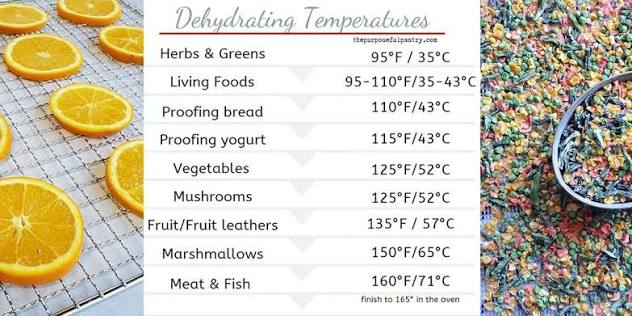
Drying time depends heavily on the food.
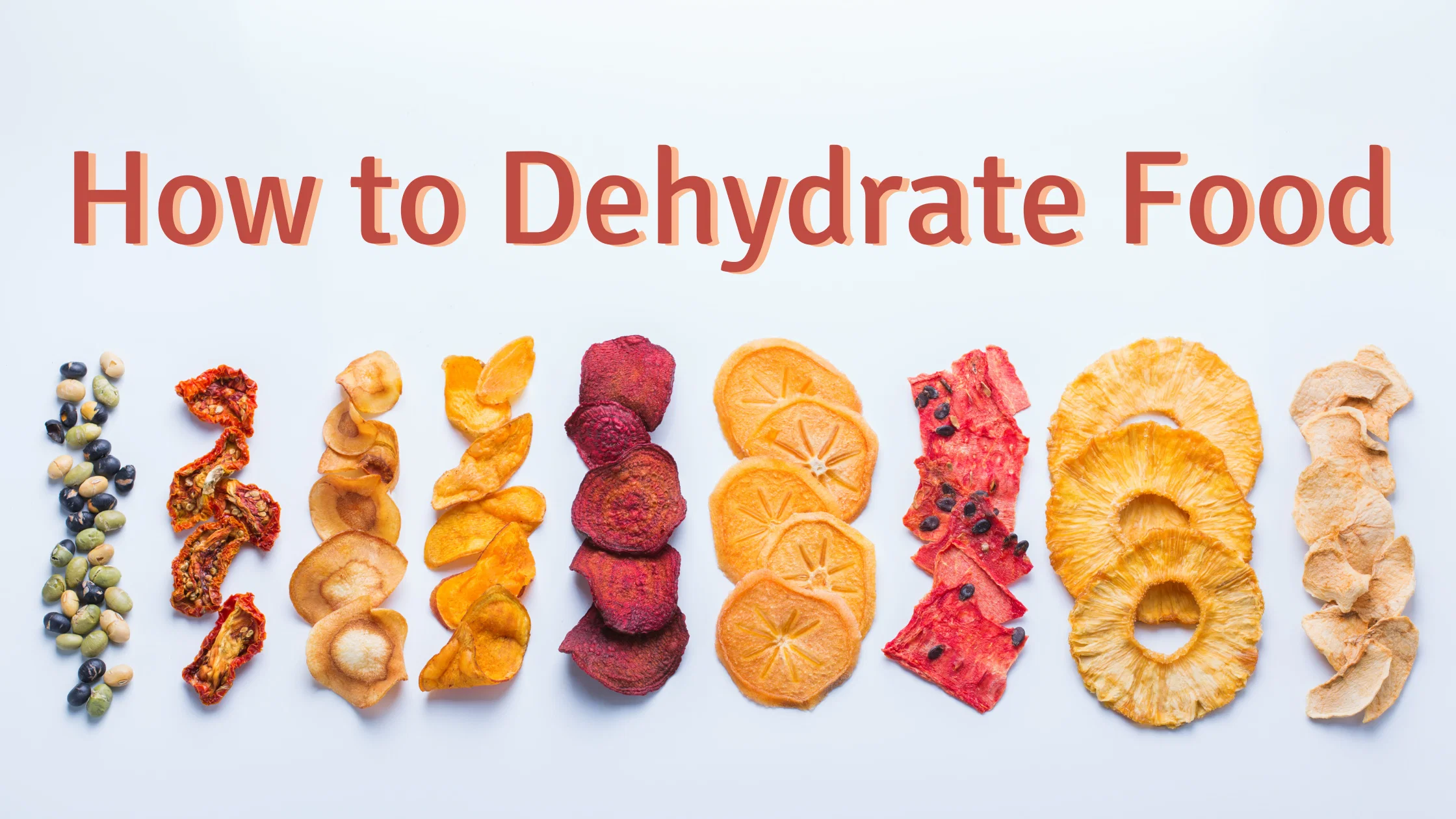
Thinly sliced vegetables may dry relatively quickly.
Cooked rice and pasta can require several hours.
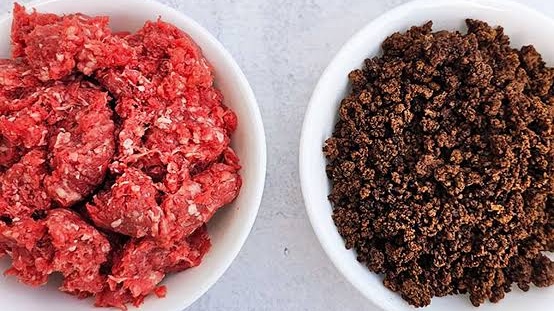
Ground meat requires careful preparation and adequate drying.
Fruit can take several hours depending on thickness and moisture content.
Instead of trying to dehydrate the entire five-day menu at once, group ingredients with similar drying requirements.
For example:
Batch 1: vegetables
Batch 2: fruit
Batch 3: cooked rice and pasta
Batch 4: cooked ground beef
Batch 5: complete meal components
This approach makes the workload easier to manage.
A Realistic Time Investment
Suppose food preparation requires:
- 2 hours for cooking ingredients
- 30 minutes for slicing and tray preparation
- 8–12 hours of dehydrator operation spread across several batches
- 1 hour for cooling, weighing, and packaging
- 30 minutes for labeling and organizing
The dehydrator itself may run for many hours, but that doesn’t mean you are actively working for the entire period.
Your hands-on labor might be only four hours or so.
This distinction matters when calculating the real cost.
Grocery Cost
A five-day homemade menu can be relatively inexpensive.
Suppose the grocery ingredients cost approximately:
- Oats and breakfast ingredients: $10
- Rice and pasta: $8
- Vegetables: $12
- Fruit: $8
- Beans: $6
- Ground beef or other protein: $15
- Snacks and nuts: $20
- Seasonings and sauces: $5
The total would be approximately $84.
That works out to about $16.80 per day.
However, many of these ingredients come in packages larger than the amount used for one trip. The actual cost consumed by the five-day menu could therefore be lower than the amount paid at checkout.
Packaging Costs
Packaging adds another small expense.
Suppose you use approximately 15–20 meal and snack bags.
At an average cost of $0.25–$0.50 per package, packaging could add approximately $5–$10.
Reusable storage systems can reduce this cost for future trips.
Labeling is also important.
Write the meal name, preparation date, and any relevant cooking instructions on each package.
How Much Weight Can You Save?
This is where dehydration becomes particularly useful.
Fresh vegetables contain a large amount of water.
Fresh fruit also contains significant moisture.
Cooked rice and pasta contain substantial water compared with their dry versions.
Removing that water can dramatically reduce weight.
A five-day menu that weighs 10–12 pounds before dehydration may end up around 6–8 pounds depending on the menu.
The exact number varies significantly.
Remember that dehydrated food still contains the nutrients and calories from the original ingredients, minus the removed water.
Don’t Forget Cooking Fuel and Water
Food weight isn’t the only consideration.
Dehydrated meals need water for rehydration.
If you’re hiking in a dry environment where water is scarce, you may need to carry or filter more water.
Cooking fuel also matters.
Meals that require long simmering use more fuel than meals that can simply soak in boiling water.
This is one reason many backpackers design dehydrated meals around quick-cooking ingredients.
Calculate Cost Per Day
Suppose your five-day menu costs:
Food: $65 consumed
Packaging: $7
Electricity: $3
Total direct cost: $75
That works out to approximately:
$15 per day
If you also allocate $1 per meal for dehydrator equipment, the effective cost increases slightly.
However, the equipment is reusable, so its cost becomes less significant over time.
Final Weight Example
Imagine the completed food supply weighs approximately 7 pounds.
That equals:
1.4 pounds of food per day
This figure includes breakfast, lunch, dinner, and snacks.
For a five-day trip, that’s a manageable food load for many backpackers.
You can potentially reduce it further by choosing calorie-dense ingredients such as nuts, oils, nut butter powder, and other compact foods.
Is the Effort Worth It?
For one short trip, homemade dehydration may seem like a lot of work.
For frequent backpackers, the economics become more attractive.
You can buy ingredients in larger quantities, prepare several trips at once, reuse recipes, and become faster at the process.
You also gain complete control over flavors and portion sizes.
Final Thoughts
A five-day dehydrated menu doesn’t have to be complicated.
The key is to separate the project into stages: plan the meals, purchase ingredients, cook safely, dehydrate foods in batches, cool everything properly, weigh the finished portions, and package them by meal.
A realistic five-day menu might require several hours of active preparation and multiple dehydrator cycles, but much of the drying time is passive.
The finished food can be substantially lighter than the original ingredients and may cost considerably less than purchasing five days of commercial backpacking meals.
The most useful number isn’t simply the final food weight or grocery bill.
Track cost per day, calories per day, food weight per day, and preparation time.
Those four numbers will tell you whether your DIY backpacking menu actually works for your trips.