How to Find Gluten-Free Backpacking Foods Without Guessing From the Label 🌾
Introduction
Planning gluten-free food for a backpacking trip is more complicated than simply avoiding bread.
Gluten can appear in unexpected places, including sauces, seasoning mixes, instant meals, snack foods, protein products, and flavored packaged foods. Even when an ingredient itself is naturally gluten-free, the finished product may have been exposed to gluten during manufacturing.
That matters even more on a backpacking trip.
When you’re several hours from home, you don’t want to discover at dinner that the “safe-looking” meal contains an ingredient you needed to avoid.
The solution is simple: don’t guess. Verify.
A reliable gluten-free backpacking system combines ingredient-list checking, gluten-free labeling, manufacturer information when necessary, and careful meal preparation.
🌾 First, Know What “Gluten-Free” Means
Gluten is a group of proteins found naturally in certain grains, particularly:
- Wheat
- Barley
- Rye
Foods made from these grains can contain gluten unless specially processed and labeled as gluten-free.
Some grains and starches are naturally gluten-free, including:
- Rice
- Corn
- Quinoa
- Buckwheat
- Millet
- Sorghum
- Certified gluten-free oats
But there is an important distinction:
Naturally gluten-free does not always mean gluten-free in the finished product.
For example, plain rice may be naturally gluten-free, while a flavored rice mix may contain a sauce, seasoning, or other ingredient that introduces gluten.
🔎 Don’t Stop at the Front of the Package
One of the easiest mistakes is trusting the front of a package.
Words such as:
Rice
Corn
Potato
Vegetable
or
Natural
do not automatically tell you whether the entire product is gluten-free.
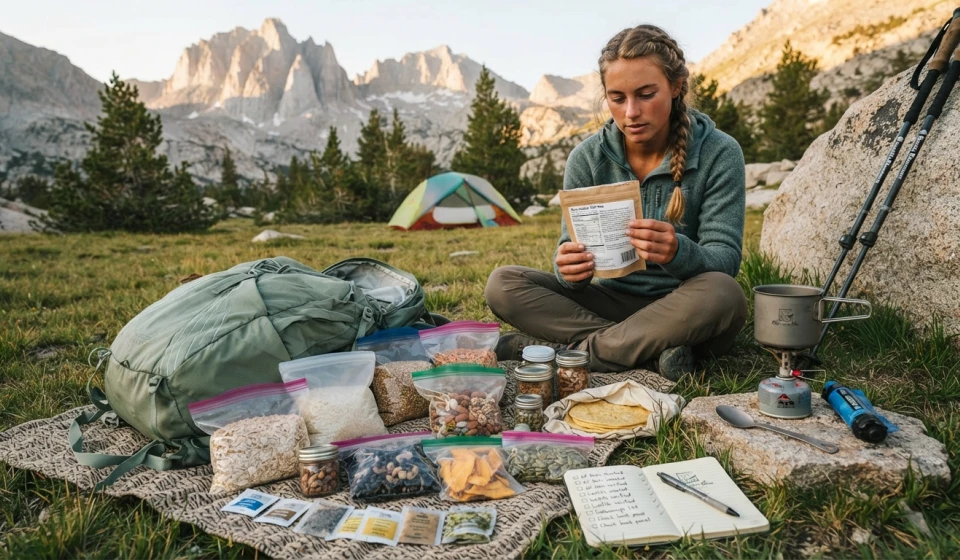
Turn the package around and check:
- The ingredient list
- The allergen statement where applicable
- The gluten-free claim or certification
- Manufacturer information if anything remains unclear
The front of the package is marketing.
The ingredient and allergen information is where your food-safety decision begins.
✅ Look for a Clear Gluten-Free Statement
When available, a product labeled gluten-free gives you a much stronger basis for choosing it than simply assuming the ingredients are safe.
In the United States, the FDA defines “gluten-free” for foods under its jurisdiction and requires that such foods contain less than 20 parts per million of gluten. Some products may also carry certification from independent gluten-free organizations with their own certification standards.
Rules and labeling systems can differ between countries, so check the regulations where the product is manufactured and sold.
For backpacking, a clear gluten-free label can make shopping significantly easier.
🧾 Learn the Ingredients That Need Extra Attention
Some ingredients clearly contain gluten because they come from wheat, barley, or rye.
Others require more investigation.
Be especially careful with:
- Wheat flour
- Wheat starch when not specifically processed as gluten-free
- Barley
- Malt
- Malt extract
- Malt flavoring
- Rye
- Brewer’s yeast in certain products
- Regular soy sauce
- Some seasoning blends
- Some instant soups
- Some sauces
- Some flavored snack foods
Malt is especially worth remembering.
Barley malt and ingredients derived from barley are common reasons that a product you expected to be gluten-free may not be appropriate.
🍜 Soy Sauce Is a Classic Backpacking Trap
Plain rice noodles may look like an easy gluten-free backpacking food.
Then you notice the seasoning packet contains conventional soy sauce.
Regular soy sauce is traditionally made with fermented soybeans and wheat, although gluten-free alternatives are available.
This is why you should inspect the entire meal, not just the main ingredient.
A backpacking dinner isn’t gluten-free simply because its noodles or rice are gluten-free.
The seasoning packet counts too.
🥣 Be Careful With Instant Meals
Instant foods are incredibly convenient for backpacking.
They’re also worth checking carefully.
Examples include:
- Instant noodles
- Instant rice dishes
- Instant mashed potatoes
- Soup mixes
- Pasta meals
- Flavored couscous
- Seasoned lentils
- Dehydrated meals
- Meal replacement powders
A plain ingredient and a flavored version of the same ingredient can have completely different formulations.
For example:
Plain instant potatoes may have a very short ingredient list.
A flavored potato product might contain:
- Seasoning
- Malt-derived ingredients
- Wheat-based ingredients
- Flavor carriers
- Other additives
Never assume that products from the same category have identical gluten status.
🥜 Check Trail Snacks Too
Snacks can create another source of accidental exposure.
Potentially useful gluten-free backpacking snacks include:
- Plain nuts
- Seeds
- Dried fruit
- Some fruit bars
- Plain popcorn
- Gluten-free crackers
- Peanut butter
- Nut butter
- Some protein bars
- Gluten-free granola
But again, the specific product matters.
A flavored nut mix could contain a seasoning blend with an unexpected ingredient.
A protein bar could use oats that aren’t certified gluten-free.
A dried fruit product could contain added ingredients you weren’t expecting.
Check the actual package every time you buy it.
🌾 Oats Deserve Special Attention
Oats are naturally gluten-free, but they are frequently exposed to wheat, barley, or rye during growing, transportation, processing, or manufacturing.
For someone who needs to strictly avoid gluten, look for oats specifically labeled gluten-free.
This is particularly important for backpacking breakfasts because oats are such a popular lightweight food.
Instead of assuming:
“Oats are naturally gluten-free, so any oatmeal is fine.”
Use:
“I’ll choose oats that are specifically identified as gluten-free.”
That small change makes your planning much more reliable.
🥫 Don’t Forget Condiments and Small Packets
Tiny packets are easy to ignore when planning backpacking meals.
But they count.
Check:
- Soy sauce
- Hot sauce
- Gravy mixes
- Seasoning packets
- Bouillon
- Soup bases
- Salad dressing
- Peanut sauce
- Curry sauces
- Drink powders
A meal can start with entirely gluten-free ingredients and become unsuitable because of one small seasoning packet.
When making your own meals, it can be easier to control the ingredients by packing individual seasonings yourself.
🥔 Build Meals From Simple Ingredients
One useful strategy is to create backpacking meals from ingredients with simple, recognizable formulations.
For example:
Breakfast
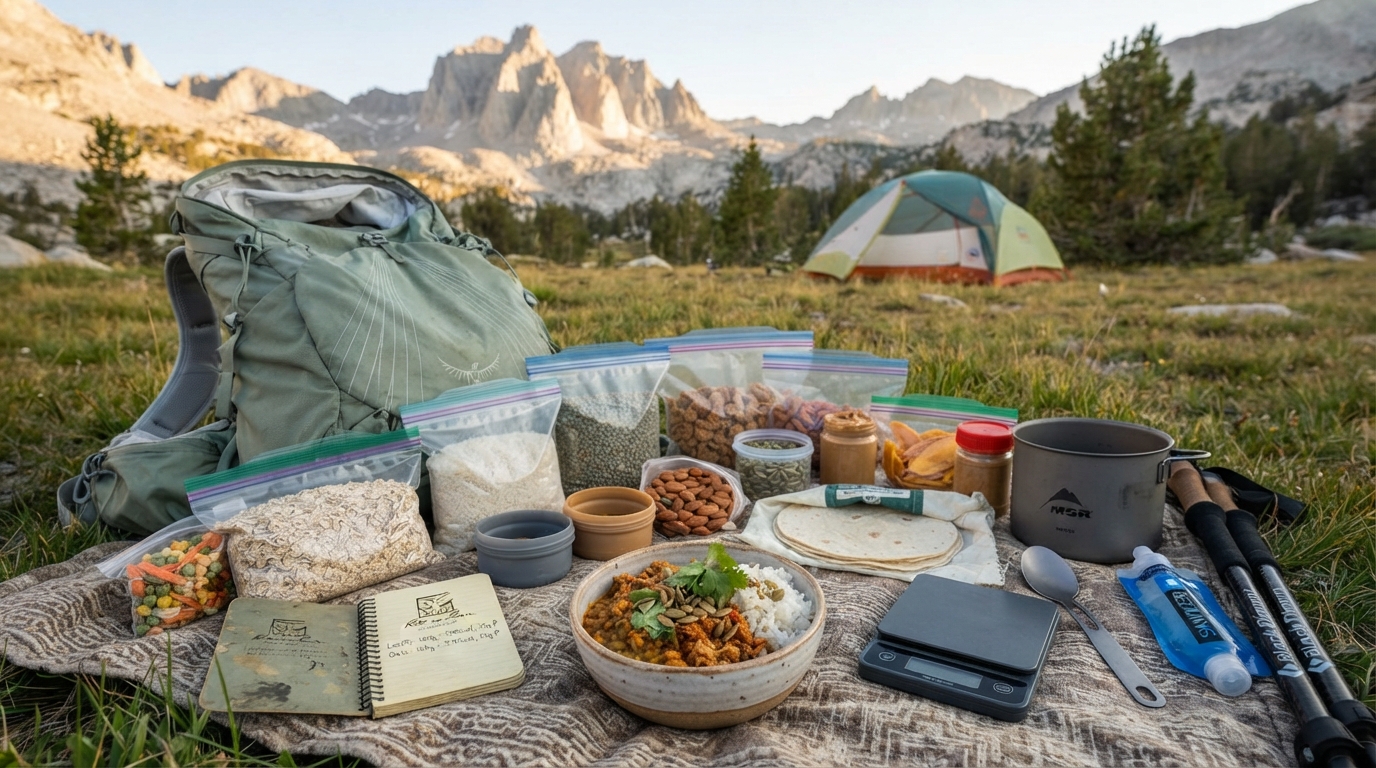
Gluten-free oats + peanut butter + chia seeds + dried fruit
Lunch
Corn tortillas + certified gluten-free refried beans + cheese or shelf-stable alternative + vegetables
Dinner
Rice + dehydrated vegetables + lentils + olive oil + verified gluten-free seasoning
The fewer complicated packaged components you combine, the easier it can be to verify your meal.
That doesn’t mean you need to eat boring food.
You can still create flavorful meals with:
- Curry powder
- Garlic
- Onion
- Chili
- Cumin
- Nutritional yeast
- Dried herbs
- Gluten-free tamari
- Lemon powder
Just verify the products you use.
🎒 Create a “Verified Backpacking Foods” List
Once you’ve found products that work for you, keep a personal list.
For example:
Breakfast
☑ Gluten-free oats
☑ Peanut butter
☑ Chia seeds
☑ Dried blueberries
Lunch
☑ Corn tortillas
☑ Gluten-free bean flakes
☑ Tuna or vegan protein option, depending on your diet
☑ Verified seasoning
Dinner
☑ Instant rice
☑ Dehydrated lentils
☑ Dehydrated vegetables
☑ Gluten-free curry seasoning
This makes future trip planning much faster.
However, don’t assume that a product will remain unchanged forever.
Manufacturers can change formulations.
Before a new trip, especially if strict avoidance is medically necessary, check the current package or manufacturer information again.
⚠️ Understand “May Contain” and Cross-Contact
Ingredients aren’t the only issue.
Cross-contact can happen when gluten-free foods are exposed to gluten-containing foods during processing, manufacturing, preparation, or handling.
This is different from intentionally adding gluten as an ingredient.
If you need to avoid gluten strictly, pay attention to precautionary statements such as:
“May contain wheat.”
“Made in a facility that also processes wheat.”
The meaning and regulatory treatment of precautionary allergen labeling can vary by country.
For someone with celiac disease or another condition requiring strict gluten avoidance, don’t create your own safety rule for an unclear statement.
When in doubt, use the manufacturer’s information or consult an appropriate healthcare professional or dietitian.
🏕️ Prevent Cross-Contact at Camp
You can choose a correctly labeled gluten-free meal and still create problems through your cooking equipment.
Think about your:
- Pot
- Spoon
- Knife
- Cutting board
- Stove area
- Food containers
- Utensils
- Shared spreads
If you’re traveling with other people who eat gluten, avoid sharing utensils or containers that may contain crumbs or residue.
For example, a shared peanut butter jar can become a cross-contact concern if someone repeatedly dips a knife into it after spreading it on wheat bread.
Individual packets can make this much easier.
🧼 Keep Your Camp Kitchen Simple
A gluten-free backpacking kitchen doesn’t need to be complicated.
A simple setup can include:
One dedicated cooking pot
One clean eating utensil
Individual food bags
Separate condiments
A clean preparation surface
The goal is to reduce opportunities for gluten-containing crumbs or residue to reach your food.
This is particularly important when you’re sharing a campsite or cooking equipment with a group.
📱 Use Manufacturer Information When the Label Isn’t Clear
Sometimes the package doesn’t answer your question.
Don’t guess.
Check the manufacturer’s website or contact the company directly if you need clarification about ingredients, gluten-free status, or manufacturing practices.
Save useful information before leaving home because remote trails may have limited internet or phone service.
You can also photograph important labels before repackaging foods.
That gives you a record of the original product information.
🧳 Be Careful When Repackaging Food
Repackaging saves space and reduces trash, but it can remove useful information.
Before transferring food into bags, record:
- Product name
- Ingredients
- Allergen information
- Preparation instructions
- Expiration or best-before information when relevant
- Gluten-free status
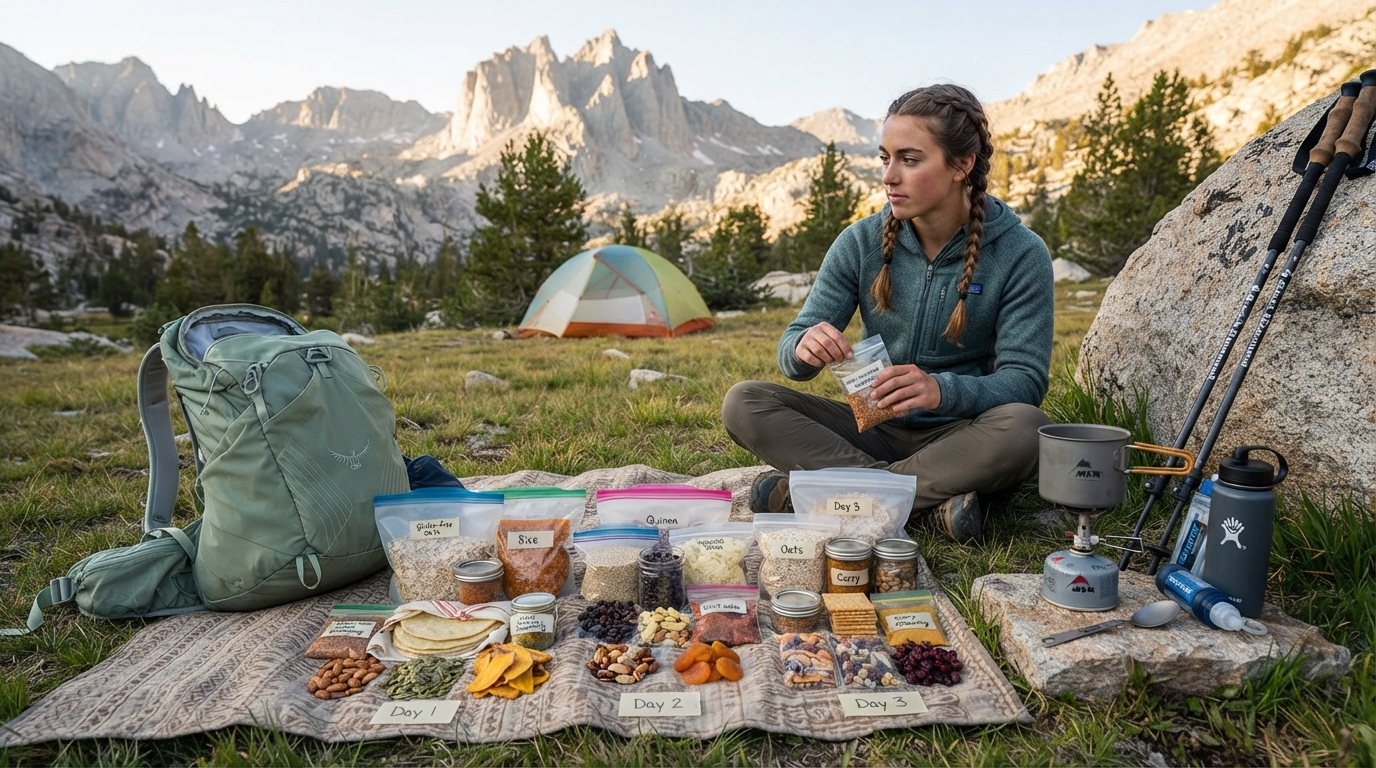
Label each bag clearly.
For example:
DAY 2 DINNER
Rice + Lentils + Vegetables
Add 350 mL water
This makes trail preparation easier without losing important information.
📋 A Simple Gluten-Free Backpacking Checklist
Before packing each food, ask:
1. Is the ingredient naturally gluten-free?
If yes, continue checking.
2. Is the finished product labeled gluten-free?
If available, this provides useful verification.
3. Did I check the complete ingredient list?
Don’t rely on the product name.
4. Did I check relevant allergen information?
Especially for packaged foods.
5. Are there seasoning packets or sauces?
Check them separately.
6. Does the product contain oats?
If strict gluten avoidance is necessary, look for gluten-free oats.
7. Is there an unclear precautionary statement?
Investigate rather than guessing.
8. Could my cooking equipment cause cross-contact?
Plan your camp kitchen accordingly.
🥾 Example of a Simple Gluten-Free Trail Day
Breakfast 🌅
Gluten-free oats
Peanut butter
Chia seeds
Dried fruit
Cinnamon
Morning Snack 🥜
Nuts
Dried fruit
Lunch 🌯
Corn tortillas
Gluten-free refried bean flakes
Seasoning
Cheese or another suitable protein
Afternoon Snack 🍎
Gluten-free snack bar
Seeds
Dinner 🍛
Instant rice
Dehydrated lentils
Dehydrated vegetables
Verified gluten-free curry seasoning
Olive oil
The important point isn’t this exact menu.
It’s the verification process behind every ingredient.
🌾 The Biggest Rule: Don’t Guess
If a product isn’t clearly identified and you cannot verify its ingredients or gluten-free status, don’t build your trip around it.
This is particularly important for people with celiac disease, wheat allergy, or another medical reason for strict avoidance.
A backpacking trip is not the right time to experiment with questionable foods.
Choose products you have already verified and, ideally, already eaten successfully.
🌿 Final Thoughts
Finding gluten-free backpacking food becomes much easier once you stop treating the front of a package as the final answer.
Check the ingredient list, gluten-free labeling, allergen information, and manufacturer information when necessary. Pay special attention to oats, sauces, seasoning mixes, instant meals, snack foods, and small condiment packets.
Then think beyond the package.
Your cooking equipment and food preparation habits also matter because cross-contact can occur even when the ingredients themselves are gluten-free.
With a little preparation, you can build a backpacking menu that is lightweight, flavorful, practical, and much easier to trust. 🥾🌾
The best strategy is simple:
Verify at home. Pack clearly. Cook carefully. Don’t guess on the trail.