Does Coffee Dehydrate You While Hiking? The Caffeine Hydration Myth Explained
Coffee has a strange reputation on the trail: hikers drink it for warmth, routine, and alertness, yet many have also heard that caffeine “dehydrates” the body. ☕ The concern sounds reasonable because caffeine can increase urine production under some conditions, especially at rest and at higher doses. But hiking hydration depends on much more than one ingredient, including total fluid intake, sweat loss, temperature, pace, duration, and individual response.
The clearest way to understand the issue is to separate four things that hikers often mix together: water, sodium, caffeine, and calories. Coffee provides fluid and caffeine, but caffeine is not an electrolyte, and adding sugar or milk changes calories without turning coffee into a complete hydration solution. 🥾 Once those categories are separated, the old “coffee equals dehydration” rule becomes much easier to evaluate.
Why Hikers Keep Hearing That Coffee Dehydrates Them
Caffeine really can have a mild diuretic effect, which means the myth did not appear from nowhere. Under some resting conditions, caffeine can increase urine production, with larger doses more likely to produce a noticeable response than smaller amounts. The mistake is turning that observation into a universal claim that every caffeinated drink causes a net loss of body water.
Diuresis Vs Dehydration: Two Different Concepts
“Diuresis” means increased urine production, while dehydration or hypohydration refers to a meaningful reduction in body water. The two can occur together, but they are not synonyms, and confusing them is the main reason the coffee myth sounds more convincing than it is. 💧 A bathroom stop after morning coffee therefore does not prove that the drink has left someone less hydrated overall, because the fluid in the coffee also counts toward what entered the body.
What Changes Once Exercise And Sweating Begin
Research reviews generally find that caffeine’s small diuretic effect at rest becomes less important during exercise, and moderate caffeine intake has not been shown to cause meaningful dehydration simply because someone is exercising. Hiking creates a different physiological situation from sitting indoors after several cups of coffee because movement, heat production, circulation, and sweating are now part of the equation. 🥾 That is why findings from resting caffeine experiments should not automatically be applied mile-for-mile to a trail day.
Sweat loss can become the much larger variable, particularly on hot, humid, exposed, steep, or fast-paced hikes. Two hikers can drink the same coffee and still finish a route with different fluid needs because sweat rate varies with environment, effort, clothing, body size, acclimatization, and individual physiology. 🌡️ In practical trail planning, those factors can matter far more than whether breakfast contained caffeine.
Does Coffee Still Count Toward Fluid Intake?
Yes, the water in coffee still contributes to fluid intake. Controlled research in habitual coffee drinkers has found that moderate coffee consumption can produce hydration outcomes similar to water under certain conditions, which means the liquid portion should not be treated as if caffeine makes it disappear. ☕ This does not mean hikers should replace all water with coffee; it means coffee belongs on the “fluid coming in” side of the ledger.
Serving size and caffeine concentration still matter because brewed coffee, espresso, instant coffee, canned coffee, and café drinks can differ substantially. A small concentrated drink can deliver plenty of caffeine with relatively little fluid, while a larger weaker coffee may provide much more water for a similar stimulant effect. Thinking in two columns—fluid volume and caffeine amount—is more useful than labeling every caffeinated drink simply “hydrating” or “dehydrating.”
Coffee Vs Caffeine Pills: Fluid Contribution Is Different
A cup of coffee and a caffeine tablet can deliver caffeine while contributing very different amounts of water. 💊 Coffee comes with a meaningful volume of fluid, whereas a tablet contributes essentially no fluid unless it is swallowed with water. The same logic applies to caffeinated gels, chews, powders, and energy drinks, so hikers should consider both caffeine amount and the fluid that accompanies it.
Why Temperature, Sweat Rate, Pace And Duration Matter More
A cool two-hour forest walk and an eight-hour exposed summer hike should not share the same hydration assumptions simply because the hiker drinks identical coffee before both. 🥵 Heat, humidity, elevation, pace, clothing, pack weight, route duration, and water access can all change how much fluid a hiker loses or needs to carry. The longer and hotter the outing becomes, the more important the whole hydration system becomes compared with caffeine’s modest potential effect on urine output.
Where Electrolytes Fit—And Where Caffeine Does Not
Caffeine is not an electrolyte and should not be treated as a substitute for sodium or other minerals lost in sweat. Sodium is the major electrolyte lost in sweat, but losses vary widely among people and conditions, which is why a universal “every hiker needs exactly this much” rule is misleading. 🧂 Ordinary coffee may contain small amounts of minerals, but that does not turn a cup into an electrolyte-replacement drink.
Fluid, sodium, calories, and caffeine should therefore be tracked according to their separate jobs. Fluid supplies water, sodium helps address sodium losses, food provides energy, and caffeine acts primarily as a stimulant. Keeping those functions separate prevents hikers from expecting one beverage to solve hydration, electrolyte replacement, alertness, and fueling all at once.
An Eight-Hour Trail Day: Separate The Variables
Imagine an eight-hour hike beginning with breakfast and coffee, continuing through a warm afternoon, and including several food and water stops. The morning coffee contributes fluid and caffeine, breakfast contributes calories and perhaps sodium, later bottles contribute fluid, and trail foods add different combinations of energy and salt. 🏔️ Counting each category separately gives a much clearer picture than calling the entire day “hydrated” simply because several beverages were consumed.
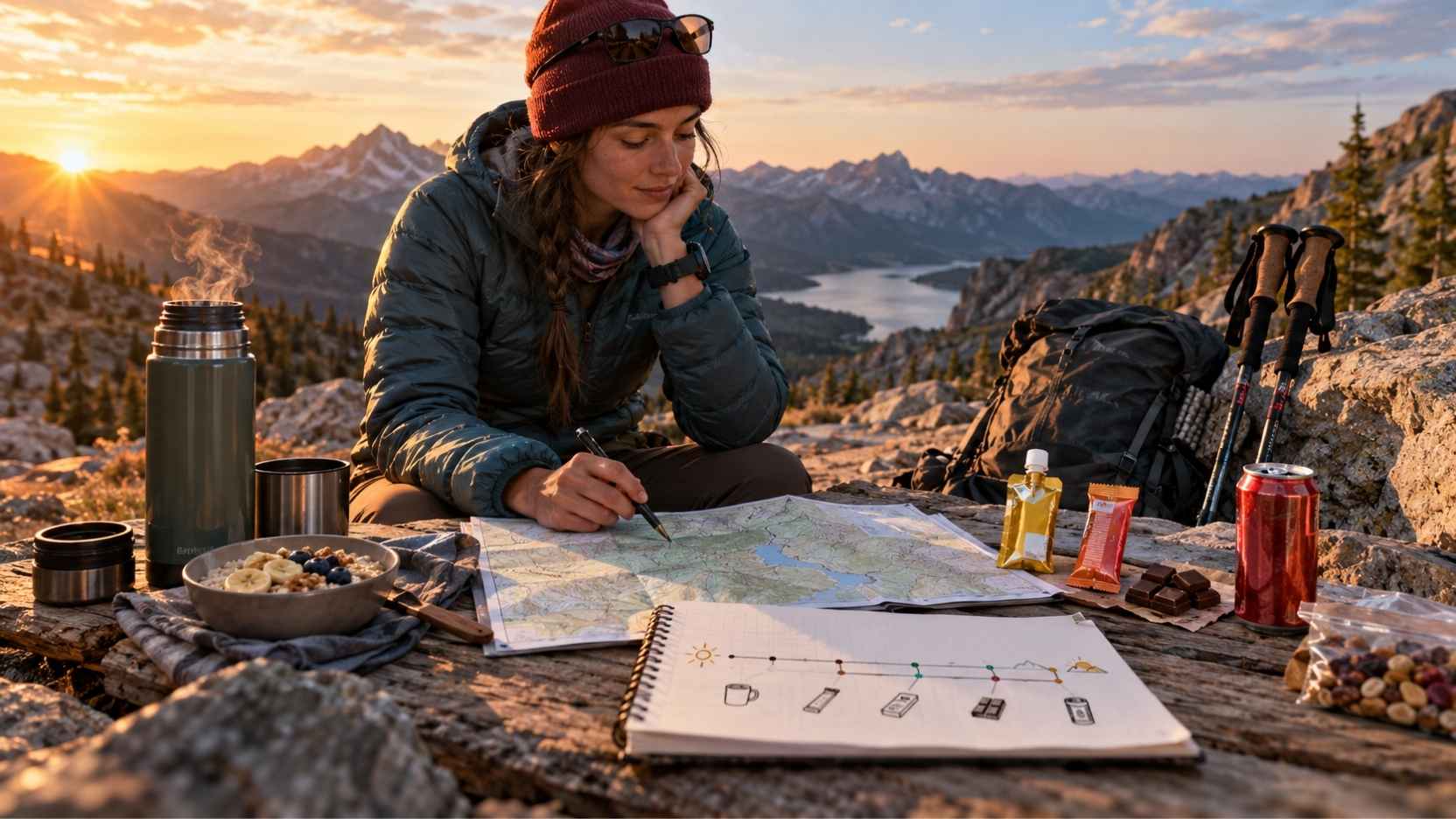
A practical planning sheet can have four lines: beverages, sodium-containing foods or drinks, caffeine sources, and food calories. The goal is not to prescribe universal targets but to reveal obvious gaps, such as consuming multiple caffeinated products without noticing the total or drinking plenty of plain water while barely eating during a long sweaty day. This framework turns an internet argument about coffee into a usable trail-planning method.
What Hikers Should Test During Ordinary Training Hikes
Individual responses to caffeine vary with habitual intake, stomach tolerance, sensitivity, sleep, and personal preference. 🧪 Instead of introducing a much larger coffee, new caffeine tablet, or unfamiliar drink mix on an important long outing, hikers can test normal choices on ordinary training hikes and observe bathroom frequency, stomach comfort, thirst, appetite, and how the caffeine fits with drinking and eating. Testing familiar routines under different weather conditions is more useful than assuming one cool-day experience predicts every future hike.
These observations are useful for logistics, not for diagnosing dehydration or creating a personalized medical prescription. Anyone with a medical condition, pregnancy, medication that affects fluid or electrolyte balance, or another reason to need individualized caffeine or hydration guidance should consult a qualified healthcare professional. The goal of trail testing is simply to understand how a normal routine behaves in the conditions in which it will actually be used.
The Better Rule: Coffee Is One Part Of The Hydration Picture
For most healthy hikers, available evidence does not support treating ordinary coffee consumption as an automatic dehydration event. ☕ Caffeine can modestly increase urine output in some resting situations, particularly at higher doses, but exercise, total fluid intake, sweat loss, weather, and individual response strongly influence the actual hydration outcome. Coffee itself also supplies water, so saying that every caffeinated cup “subtracts” water from the body is too simplistic.
The better question is broader: what are the day’s conditions, how much fluid is available, how much sweating is likely, where is sodium coming from, how much food is being eaten, and how much caffeine is coming from all sources? Once those variables are separated, coffee becomes easier to fit into a sensible hiking routine without portraying it as either a hydration villain or a magic trail drink. 🥾 Coffee can contribute to fluid intake, but it should remain one part of an overall hydration and fueling strategy.