The 10-by-10 Hiking Lunch Plan: How to Fit a Real Break Into a 20-Mile Day
A 20-mile hiking day sounds simple on paper: start early, keep walking, eat when hungry, and reach camp before dark. In practice, the difference between a smooth long day and a late finish often comes down to moving time and planned breaks, especially lunch. 🥾 That is why hiking lunch break planning matters alongside choosing what food goes in your pack.
The “10-by-10” idea offers a useful model: cover ten miles by 10 a.m., then take a more relaxed break before finishing the second half. It is not a universal rule, and no hiker should force an unsafe pace merely to hit a round-number checkpoint. Instead, use it to see how an early start, realistic speed, food stops, daylight, terrain, and fatigue interact across a long trail day.
What Does the 10-by-10 Hiking Strategy Mean?
At its simplest, “10 by 10” means reaching mile ten by 10 a.m., but the required pace depends on your start time and stops. A 6 a.m. start gives four hours to cover ten miles, requiring an overall average of 2.5 miles per hour if snack stops, water refills, photos, and navigation pauses are included. ⏱️ Starting at 5 a.m. gives five hours, lowering that overall average to 2 miles per hour.
That distinction matters because hiking moving time and elapsed time are not identical. Someone walking at 3 mph while moving may average much less over the morning after climbs, breaks, water treatment, or gear adjustments. The useful lesson is not “walk 2.5 mph,” but “choose a checkpoint time and build enough margin around the pace you can realistically sustain.”
How Much Time Does a 20-Mile Hike Actually Require?
Using distance divided by moving speed, 20 miles takes 10 hours at 2 mph, 8 hours at 2.5 mph, and about 6 hours 40 minutes at 3 mph. Those numbers describe walking time only because real hikes also include eating, bathroom stops, water collection, navigation, photos, and unexpected delays. 🌲 A useful 20-mile hiking schedule therefore starts with moving time and adds stops instead of treating the basic calculation as a finish-time prediction.
Terrain can make simple pace estimates misleading because twenty smooth, relatively flat miles are very different from twenty miles with steep climbs, mud, loose rock, stream crossings, snow, or heat. Fatigue can also slow the afternoon even when the first ten miles feel comfortable. A practical plan should therefore contain a time buffer rather than filling every available minute between the trailhead and the intended stopping point.
A 15-, 30-, or 60-Minute Lunch: What Changes?
Lunch is easy to underestimate because hikers often calculate walking hours without adding the time they will actually remain stopped. A 30-minute lunch adds 30 minutes if everything else stays unchanged, while a full hour can noticeably shift the finish when daylight is limited. 🍴 This simple chart isolates the lunch break before any other stops are counted.
| Moving pace | Moving time for 20 miles | +15-minute lunch | +30-minute lunch | +60-minute lunch |
|---|---|---|---|---|
| 2 mph | 10 hr | 10 hr 15 min | 10 hr 30 min | 11 hr |
| 2.5 mph | 8 hr | 8 hr 15 min | 8 hr 30 min | 9 hr |
| 3 mph | 6 hr 40 min | 6 hr 55 min | 7 hr 10 min | 7 hr 40 min |
These are illustrative calculations, not guaranteed finishing times, because they exclude every break other than lunch and assume the stated moving pace can be maintained. Four additional 10-minute snack or water stops would add another 40 minutes before terrain or unexpected delays are considered. A realistic hiking break schedule therefore treats lunch as one part of the total time budget.
Building a Morning and Afternoon Food Schedule
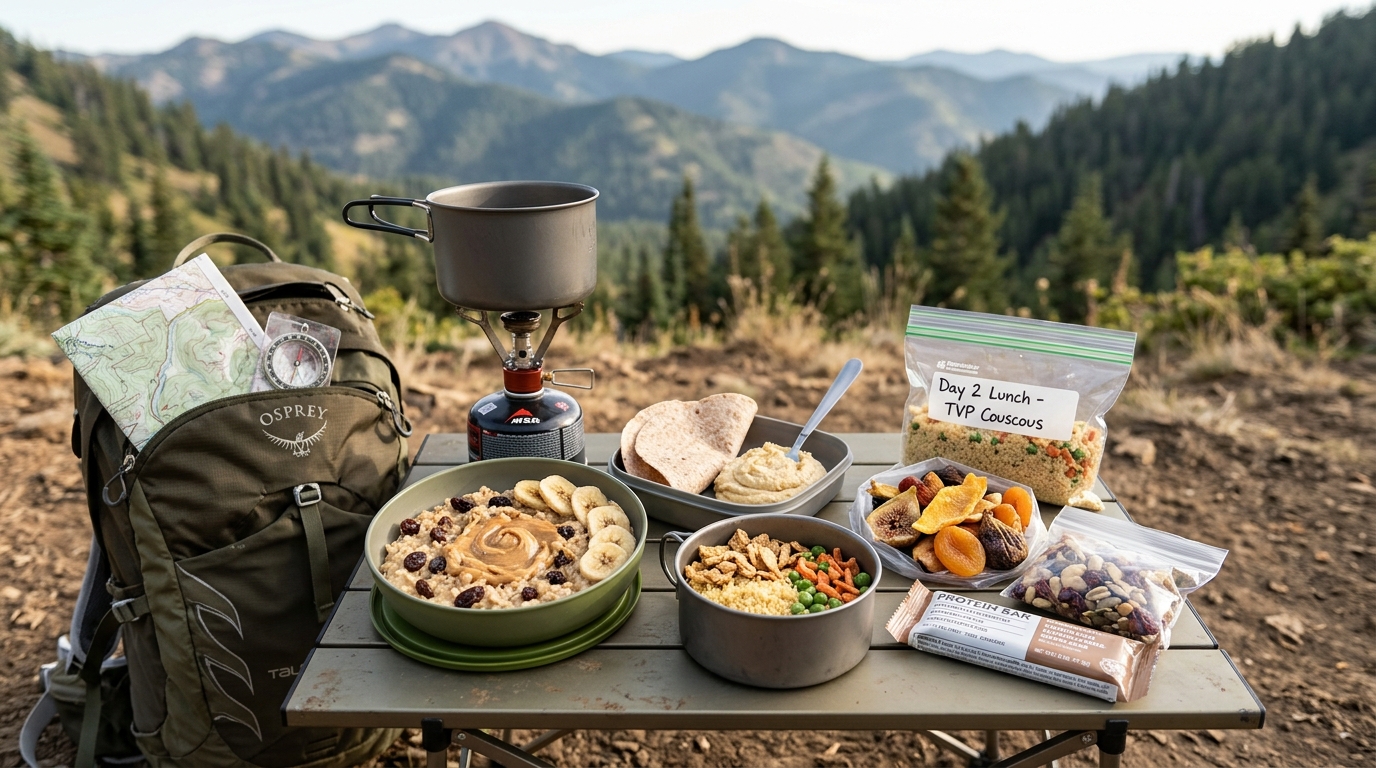
Front-loading mileage can make a longer lunch easier to accommodate because much of the day’s distance is finished before the extended stop. One example is a 6 a.m. start, breakfast beforehand, a small morning snack, arrival around mile ten near 10 a.m., and a planned 30-minute lunch before beginning the second half. 🥪 If the final ten miles require four hours of moving at 2.5 mph, the earliest mathematical finish is about 2:30 p.m., before adding afternoon stops or delays.
Food timing does not need to follow a rigid clock because hikers differ in appetite, pace, weather exposure, and what feels comfortable while moving. A practical approach places eating opportunities around the route: breakfast before departure, portable snacks during inconvenient stopping sections, a larger meal at a suitable rest location, and extra food for the final miles. 🍎 Hiking lunch timing should serve the day’s logistics rather than forcing the route around an arbitrary mealtime.
When a Longer Lunch Is Worth Planning For
A longer lunch can fit well when the route offers shade, a reliable water source, shelter, or a scenic spot where resting does not create problems later. It may also suit a day when most climbing occurs in the morning or the intended stopping point leaves a generous daylight margin. ☀️ In those situations, lunch becomes part of the trip design rather than simply lost hiking time.
A shorter break may be wiser when afternoon storms are possible, daylight is limited, difficult terrain lies ahead, water is uncertain, or you are already behind schedule. The key question is not whether 15 or 60 minutes is universally better, but whether the planned break leaves enough time and energy for what remains. If the day only works when every mile goes perfectly, the schedule probably needs more margin.
How to Build Your Own 20-Mile Hiking Schedule
A simple worksheet needs five numbers: total distance, realistic moving pace, lunch duration, estimated time for other breaks, and the time available before your intended finish. Divide distance by moving pace, add lunch and other expected stops, then include a buffer for terrain, navigation, water collection, weather, or fatigue. 📝 This separates the hours you expect to walk from the hours you expect the entire hiking day to consume.
You can improve the calculation by dividing the route into morning and afternoon segments instead of treating twenty miles as one uninterrupted block. Record the mileage you want to reach by lunch, expected arrival time, break length, remaining distance, and latest comfortable finish. This turns hiking lunch break planning into a decision tool that shows whether you need an earlier start, shorter lunch, slower mileage goal, or different stopping point.
The Real Value of the 10-by-10 Plan
The strongest part of the 10-by-10 idea is not the number ten but having an early checkpoint where you can judge whether the rest of the plan still works. If you reach mile ten later than expected, you can shorten lunch, reassess the destination, or protect your daylight margin instead of discovering the problem near sunset. 🧭 If you arrive early and feel comfortable, you have more flexibility for food, scenery, water collection, or rest.
For experienced hikers, that flexibility can turn a 20-mile day from a nonstop push into a long day that still includes a genuine meal break. For newer hikers, the same framework works at shorter distances because it teaches the difference between moving pace, break time, and total elapsed time without pretending one speed fits everyone. The best hiking break schedule is the one that matches terrain, fitness, daylight, weather, food needs, and the intended stopping point while leaving room for the trail to be less predictable than the spreadsheet.