A 3-Day Vegetarian Backpacking Menu With a Daily Protein and Calorie Breakdown 🥾🌿
Introduction
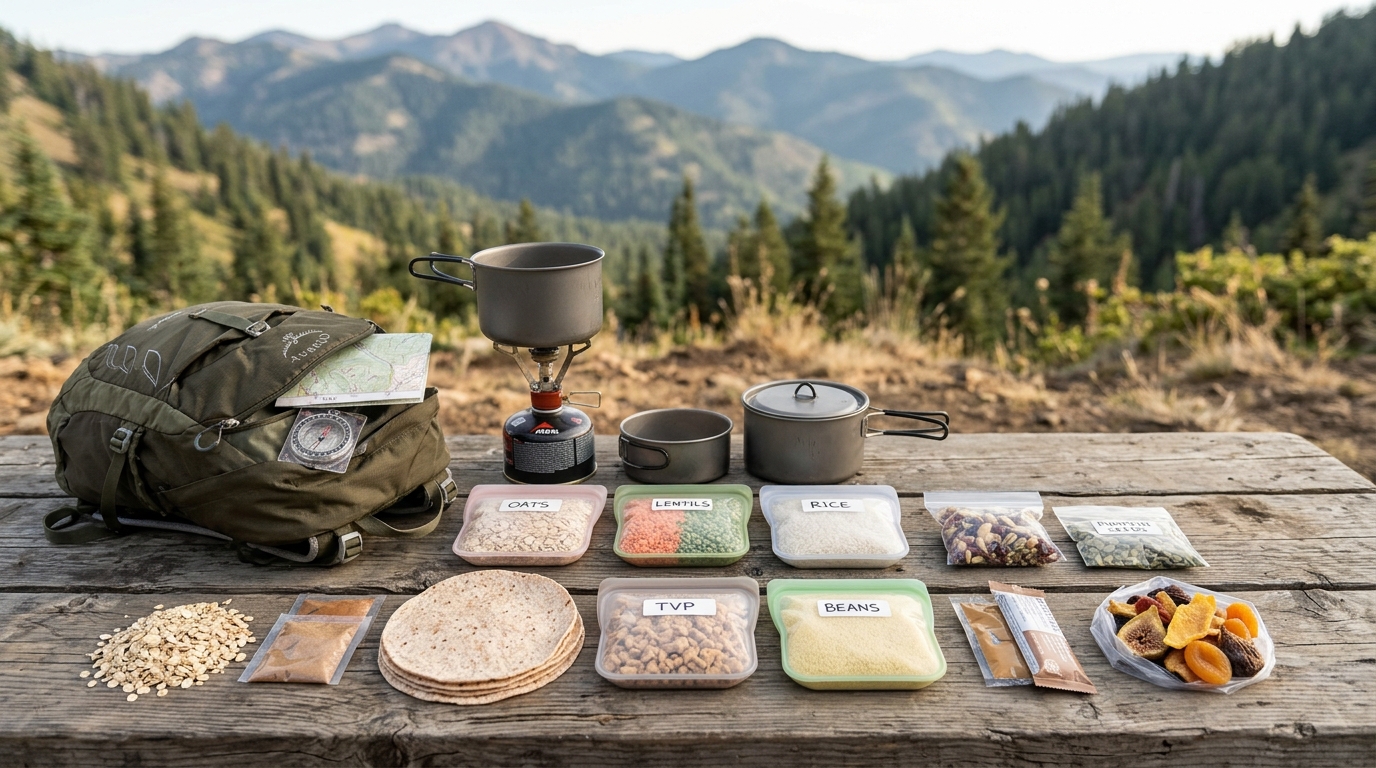
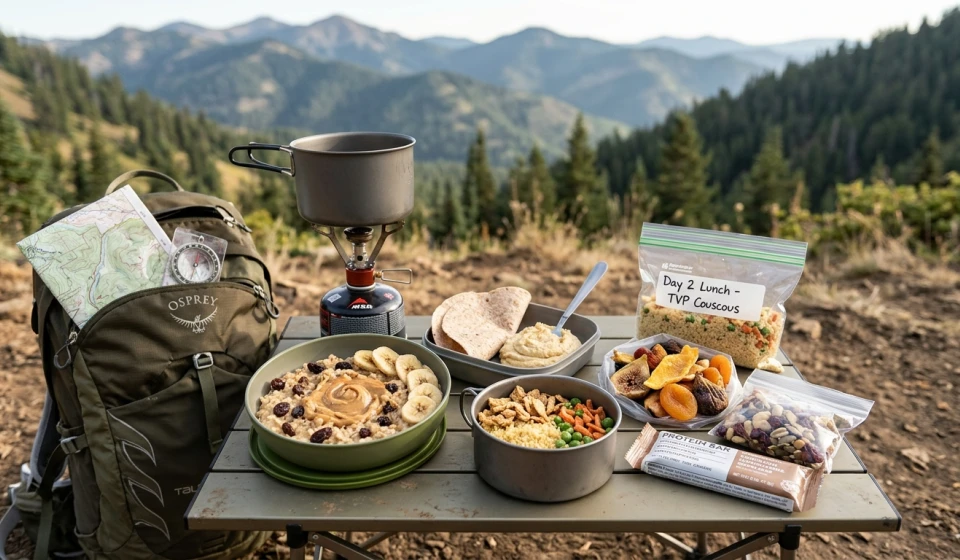
Planning vegetarian meals for a backpacking trip does not have to mean carrying heavy cans, fresh produce that spoils quickly, or expensive specialty camping foods. With the right combination of oats, tortillas, couscous, instant rice, beans, textured vegetable protein, nuts, and dried fruit, you can build a practical trail menu that provides energy, protein, and variety.
The challenge is balancing three things: enough calories to fuel hiking, enough protein to support your body, and a manageable food weight for your backpack.
This three-day vegetarian backpacking menu uses shelf-stable ingredients that are commonly available at grocery stores. It includes breakfast, lunch, dinner, and snacks, with estimated calories, protein, and packed food weight for each meal.
The plan is designed as a flexible starting point for an active hiking day, not a one-size-fits-all nutrition prescription. Your ideal portions will depend on your body size, hiking distance, elevation gain, weather, pack weight, and individual energy needs.
🎒 Menu at a Glance
Day 1: Oats, tortillas, and couscous
A simple first day featuring familiar grocery-store staples.
Day 2: Granola, bean wraps, and rice
Varied textures with legumes, grains, and calorie-dense snacks.
Day 3: Oatmeal, trail wraps, and pasta
Easy-to-pack ingredients that work well for the final day.
All three days assume a lacto-ovo vegetarian diet, which may include dairy and eggs. The menu does not depend on refrigeration while hiking, provided the ingredients are shelf-stable and handled according to package instructions.
Day 1: Simple Staples and a Protein-Rich Dinner
Estimated daily total: 2,525 calories · 91 g protein · 611 g food
Breakfast: Peanut Butter Banana-Style Oatmeal
- 80 g rolled oats
- 20 g powdered milk
- 10 g chia seeds
- 20 g raisins
- 16 g peanut butter
Combine the ingredients with hot water to make a creamy, filling breakfast. The oats provide carbohydrates, while the milk, chia seeds, and peanut butter contribute protein and fat.
Lunch: Hummus Tortilla Wraps
- 2 small flour tortillas, approximately 90 g total
- 35 g instant hummus mix
- 10 g olive oil
- 15 g dried vegetables
Rehydrate the hummus mix with water according to its instructions. Spread it over the tortillas, add the vegetables, and drizzle with olive oil.
Dinner: Couscous With Textured Vegetable Protein
- 100 g dry couscous
- 40 g dry textured vegetable protein (TVP)
- 10 g olive oil
- 20 g dried vegetables
- 5 g seasoning
Cover the couscous and TVP with the amount of hot water recommended for the products, then allow them to rehydrate. Add the vegetables, seasoning, and olive oil.
TVP is particularly useful for backpacking because it is lightweight, shelf-stable, and rich in protein.
Snacks
- 60 g trail mix
- 50 g energy bar
- 30 g dark chocolate
These snacks add energy without requiring much preparation. Divide them into smaller portions to eat during breaks rather than waiting until you feel exhausted.
Day 2: Beans, Grains, and Calorie-Dense Snacks
Estimated daily total: 2,630 calories · 92 g protein · 652 g food
Breakfast: Granola With Milk Powder and Seeds
- 80 g granola
- 20 g powdered milk
- 20 g dried fruit
- 15 g pumpkin seeds
- 25 g peanut butter
Mix the powdered milk with water or eat the granola dry with the other ingredients. Peanut butter adds energy and helps make breakfast more satisfying.
Check the granola label because its calories and protein can vary considerably between brands.
Lunch: Refried Bean Tortillas
- 90 g flour tortillas
- 50 g instant refried bean flakes
- 10 g olive oil
- 10 g seasoning or dried salsa mix
- A small amount of water for rehydration
Prepare the beans according to the package instructions and spread them over the tortillas. Add seasoning and olive oil for extra flavor and calories.
Choose a dry bean product intended for quick preparation. Ordinary dried beans may require lengthy cooking and are less convenient on the trail.
Dinner: Rice and TVP Bowl
- 100 g instant rice
- 40 g dry TVP
- 15 g coconut milk powder
- 5 g olive oil
- 20 g dried vegetables
- 10 g seasoning
Rehydrate the rice, TVP, and vegetables according to their individual instructions. Stir in the coconut milk powder, seasoning, and olive oil.
This combination provides carbohydrates for energy and plant protein from the TVP. The coconut milk powder adds richness without carrying a can of liquid coconut milk.
Snacks
- 60 g trail mix
- 40 g dried fruit
- 32 g peanut butter
Eat the trail mix and dried fruit during the day. Save the peanut butter for a tortilla snack or eat it directly from a small, reusable container.
Day 3: Oatmeal, Hummus Wraps, and Pasta
Estimated daily total: 2,570 calories · 88 g protein · 625 g food
Breakfast: Flaxseed and Peanut Butter Oatmeal
- 80 g rolled oats
- 20 g powdered milk
- 10 g ground flaxseed
- 20 g raisins
- 20 g peanut butter
Prepare with hot water and allow the oats to soften. Ground flaxseed contributes fiber and plant-based omega-3 fat, while peanut butter adds energy and flavor.
Lunch: Hummus and Seed Wraps
- 90 g flour tortillas
- 35 g instant hummus mix
- 10 g olive oil
- 15 g dried vegetables
- 10 g pumpkin seeds
Prepare the hummus, spread it over the tortillas, and add the dried vegetables and pumpkin seeds. If the vegetables need rehydration, prepare them first according to their package instructions.
This lunch is easy to assemble and avoids the need to cook a full meal in the middle of the day.
Dinner: Tomato Pasta With TVP
- 100 g dry pasta
- 40 g dry TVP
- 10 g olive oil
- 20 g dried tomatoes or dried vegetables
- 10 g vegetarian seasoning or tomato-based sauce powder
Cook the pasta according to its instructions. Rehydrate the TVP and dried vegetables, then combine everything with the seasoning and olive oil.
For shorter cooking times and lower fuel use, choose small pasta shapes and a sauce mix that does not require lengthy simmering.
Snacks
- 60 g trail mix
- 50 g energy bar
- 25 g dark chocolate
Keep a portion of these snacks accessible during the final hiking day. Eating regularly can be easier than trying to consume all your remaining calories at dinner.
📊 Three-Day Nutrition and Food-Weight Summary
The following totals include breakfast, lunch, dinner, and snacks. They are planning estimates, not laboratory-tested nutrition values.
| Day | Calories | Protein | Packed food weight |
|---|---|---|---|
| Day 1 | 2,525 kcal | 91 g | 611 g |
| Day 2 | 2,630 kcal | 92 g | 652 g |
| Day 3 | 2,570 kcal | 88 g | 625 g |
| Total | 7,725 kcal | 271 g | 1,888 g |
Three-day average per day
2,575
Calories
90 g
Protein
629 g
Food/day
The food weights represent the ingredients as packed, before adding water. They exclude packaging, cooking fuel, cookware, and drinking water. Actual nutrition and weight will vary with the brands and quantities you use.
For accuracy, check the nutrition labels on your own products and calculate the totals from those values before departure. In particular, tortillas, granola, energy bars, hummus mix, and TVP can differ significantly by brand.
⚖️ How to Adjust Portions for Your Energy Needs
Not every backpacker needs 2,575 calories per day. Your needs may be substantially higher or lower depending on your body size, pace, terrain, elevation gain, weather, and how many hours you spend hiking.
Use this menu as a starting point rather than a strict limit.
If you need fewer calories
Reduce optional extras or slightly reduce portions of energy-dense foods such as oil, peanut butter, and trail mix. Keep enough food to support your activity and avoid cutting portions simply to minimize pack weight.
If you need more calories
Add a tortilla with peanut butter, a larger serving of trail mix, or another energy bar. These additions provide extra energy without requiring much cooking time.
If you need more protein
Increase TVP, powdered milk, peanut butter, or another suitable protein source. TVP and powdered milk are especially useful because they provide protein without requiring refrigerated storage.
A simple calorie adjustment example
If you estimate that you need 3,000 calories instead of 2,575, the difference is approximately 425 calories per day.
You could add a combination such as:
- 32 g peanut butter: approximately 190 calories.
- 40 g trail mix: approximately 220 calories.
That adds roughly 410 calories, bringing the estimated daily total close to 3,000 calories.
Use the actual package labels to calculate the precise amount. This is a practical illustration, not an estimate of your personal energy requirement.
Listen to your body on the trail. Persistent hunger, unusual fatigue, or a noticeable drop in performance may indicate that your food intake needs adjusting. For a demanding trip, it is sensible to carry a small reserve rather than pack exactly the minimum calculated amount.
🥜 How to Keep the Menu Vegetarian and Shelf-Stable
A few practical checks will make this plan easier to use.
- Check ingredient labels. Some seasoning blends, sauces, and instant meals contain meat-based ingredients. Look for vegetarian-certified products when necessary.
- Choose quick-cooking foods. Instant rice, couscous, quick-cooking pasta, instant refried beans, and TVP can help reduce cooking time and fuel use.
- Repackage carefully. Portion ingredients into clearly labeled bags and keep preparation instructions with your menu.
- Protect food from moisture. Use sealed bags or containers, especially for powdered ingredients and oats.
- Follow food-safety instructions. Use safe water, prepare food hygienically, and do not leave rehydrated food sitting unrefrigerated for extended periods.
- Account for cooking water and fuel. A lightweight menu can still require substantial water or fuel, depending on the ingredients and cooking method.
If you follow a vegan diet, replace powdered dairy milk with a suitable plant-based alternative and check that all other ingredients are free of animal products.
Final Thoughts: Eat Well Without Overpacking 🌿
A successful vegetarian backpacking menu does not need to rely on expensive freeze-dried meals or complicated recipes. Everyday grocery-store ingredients can provide a useful combination of carbohydrates, protein, fats, and fiber while remaining relatively lightweight.
This three-day plan averages approximately 2,575 calories and 90 grams of protein per day, with about 629 grams of food packed daily. Those figures offer a practical starting point, but your own needs and actual product labels should guide your final menu.
Before leaving, portion the food, calculate nutrition from the products you will carry, and test unfamiliar meals at home. That way, you can discover whether the serving sizes, flavors, cooking times, and water requirements work for you.
The ultimate goal is not simply to carry the fewest grams of food. It is to carry enough enjoyable, nourishing food to support your hike without unnecessary weight.