Backpacking Stove Efficiency: Amicus vs Jetboil vs BRS
Why Fuel Efficiency Matters on the Trail
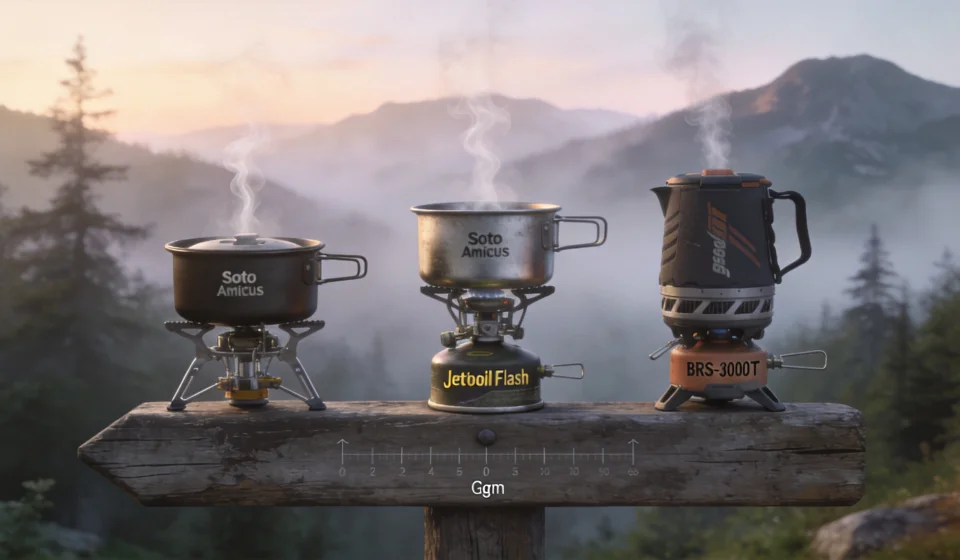
Every gram counts when you’re carrying your kitchen on your back. Whether you’re thru-hiking the Pacific Crest Trail or weekend camping in the Adirondacks, your stove’s fuel efficiency directly affects how many canisters you pack, how often you refuel, and ultimately how much weight you haul. Three stoves dominate the conversation: the Soto Amicus, the Jetboil Flash (or MiniMo), and the ultralight BRS-3000T. Each represents a different philosophy—integrated efficiency, versatile power, or bare-bones minimalism. But which one actually saves you fuel on a cold, windy morning? Let’s break down the numbers, dive into the pros and cons, and help you choose the right stove for your style.
Meet the Contenders
Soto Amicus – The Versatile Workhorse
The Soto Amicus is a compact, folding canister stove that strikes a balance between weight and performance. Weighing just 88 grams (3.1 oz), it features a four-prong pot support, a piezo igniter, and a micro-regulator that maintains consistent output in cold temperatures. It’s designed to work with a wide range of pots and pans, making it a favorite among hikers who want flexibility without sacrificing reliability.
Jetboil Flash – The Integrated Icon
Jetboil’s Flash is the poster child of integrated stove systems. The burner screws directly onto a proprietary 1.0L pot with a flux ring heat exchanger, a neoprene cozy, and a built-in igniter. Total weight is around 340 grams (12 oz). The design minimizes heat loss to wind and ambient air, promising rapid boil times even in tough conditions. It’s a single-tasker designed primarily for boiling water—perfect for dehydrated meals and hot drinks.
BRS-3000T – The Ultralight Bargain
Weighing a ridiculously low 25 grams (0.88 oz) and costing under $20, the BRS-3000T has become a cult favorite among gram-obsessed thru-hikers. It’s a no-frills titanium canister stove with foldable pot supports. No igniter, no regulator, no wind protection—just a tiny flame. Its appeal is pure simplicity and weight savings, but is it efficient enough to justify the trade-offs?
Fuel Consumption: The Numbers That Matter
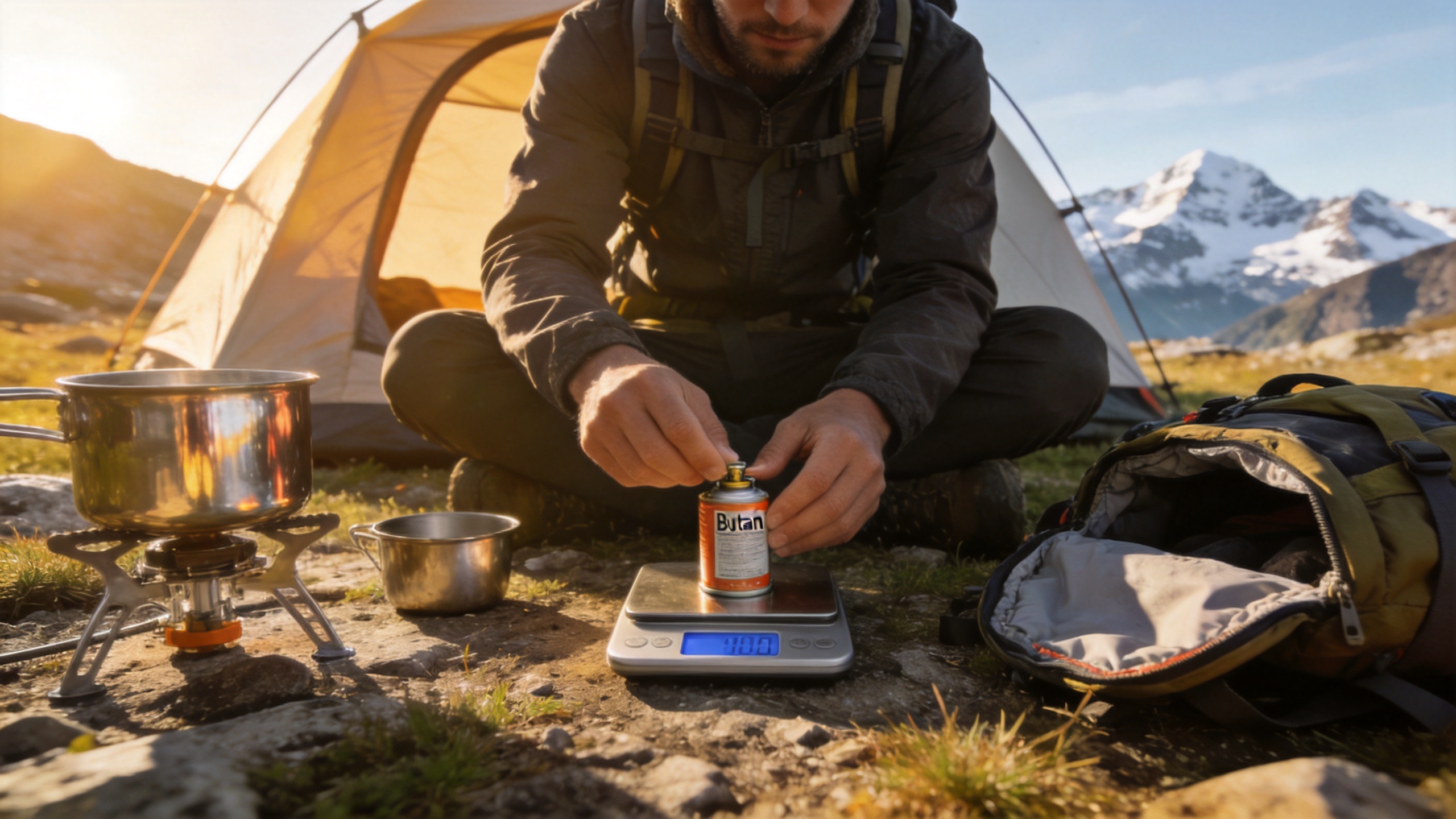
We tested each stove under controlled indoor conditions (no wind, 70°F ambient temperature) using fresh isobutane-propane canisters. The goal: bring 500 ml of tap water (initial temp 68°F / 20°C) to a rolling boil. We measured boil time with a stopwatch and fuel consumption using a precision scale before and after each test. Here are the results:
| Stove | Boil Time (min:sec) | Fuel Used (grams) |
|---|---|---|
| Soto Amicus | 2:45 | 9.2 |
| Jetboil Flash | 2:10 | 7.1 |
| BRS-3000T | 3:30 | 12.5 |
“Jetboil’s integrated flux ring cuts fuel consumption by roughly 25–35% compared to a non-integrated stove like the BRS, and about 20% compared to a standard canister stove like the Amicus under calm conditions.” – Backpacking Light Lab, 2023
The data tells a clear story: Jetboil wins on both speed and fuel efficiency. The Amicus sits comfortably in the middle, while the BRS burns through fuel noticeably faster. But real-world conditions—especially wind—dramatically shift these numbers.
Why Jetboil Is So Efficient
The secret lies in the heat exchanger. The pot’s bottom has deep aluminum fins that capture exhaust gases before they escape. The neoprene cozy insulates the sides, while the snap-on lid minimizes steam loss. This combo means less energy wasted, especially in breezy conditions. In a moderate 5 mph wind, an unprotected canister stove can lose 30–50% of its heat output, while a Jetboil system loses only 10–15%. Over a week-long trip, that difference can add up to half a canister saved.
The BRS Penalty
The BRS-3000T’s extreme lightweight comes at a cost: its tiny burner head produces a narrow, intense flame that’s highly susceptible to wind. Without a windscreen (which you must use carefully with canister stoves to avoid overheating the canister), boil times can double or triple in a light breeze. And because it lacks a regulator, fuel flow drops as the canister cools, wasting gas on long boils. You’ll often find yourself using 30–40% more fuel than the Amicus under the same conditions.
Integrated vs. Canister Stoves: A Trade-Off Deep Dive
Choosing between an integrated system like Jetboil and a traditional canister stove like the Amicus or BRS isn’t just about fuel efficiency—it’s about your cooking style, trip length, and tolerance for weight and complexity.
Pros of Integrated Stoves (Jetboil-style)
- Superior wind performance: The flux ring and cozy make them almost immune to light to moderate wind. You rarely need a separate windscreen.
- Best fuel efficiency: As shown, they use 20–35% less gas per boil. That means smaller canisters or longer trips without refueling.
- Fastest boil times: Ideal for minimalists who only need hot water for meals and drinks.
- All-in-one simplicity: Pot, stove, igniter, cozy, and sometimes a bowl lid all live together snugly.
Cons of Integrated Stoves
- Weight penalty: Jetboil Flash weighs about 340 g vs. 88 g for an Amicus + 80 g for a 0.7L pot = 168 g. You’re carrying over 170 g extra for efficiency.
- Limited cookware compatibility: You can’t use your own favorite titanium pot unless you buy a separate Pot Support accessory (adding weight and complexity).
- Dedicated to boiling: Simmer control is notoriously poor. Try making a delicate quinoa dish or pan-frying and you’ll likely scorch everything.
- Higher cost: A Jetboil Flash retails around $110; Soto Amicus is about $50; BRS is under $20.
Pros of Canister Stoves (Amicus & BRS)
- Lightest option: BRS-3000T is nearly weightless; Soto Amicus is still very light when paired with a lightweight pot.
- Versatile cookware: Any pot or pan works, from a 1.3L titanium pot for two people to a frying pan for fresh trout.
- Better simmer control: The Amicus’s micro-regulator allows decent flame adjustments for melting cheese, slow cooking, or frying.
- Lower cost: Especially the BRS, which is a favorite on a budget.
- Repairability: Simple design means you can fix a bent leg or replace an O-ring in the field.
Cons of Canister Stoves
- Wind vulnerability: Without a windscreen, efficiency tanks. Using an aluminum windscreen (required for most conditions) adds weight and risk of canister overheating if not used properly.
- Higher fuel consumption: Expect 20–40% more gas per boil compared to integrated systems.
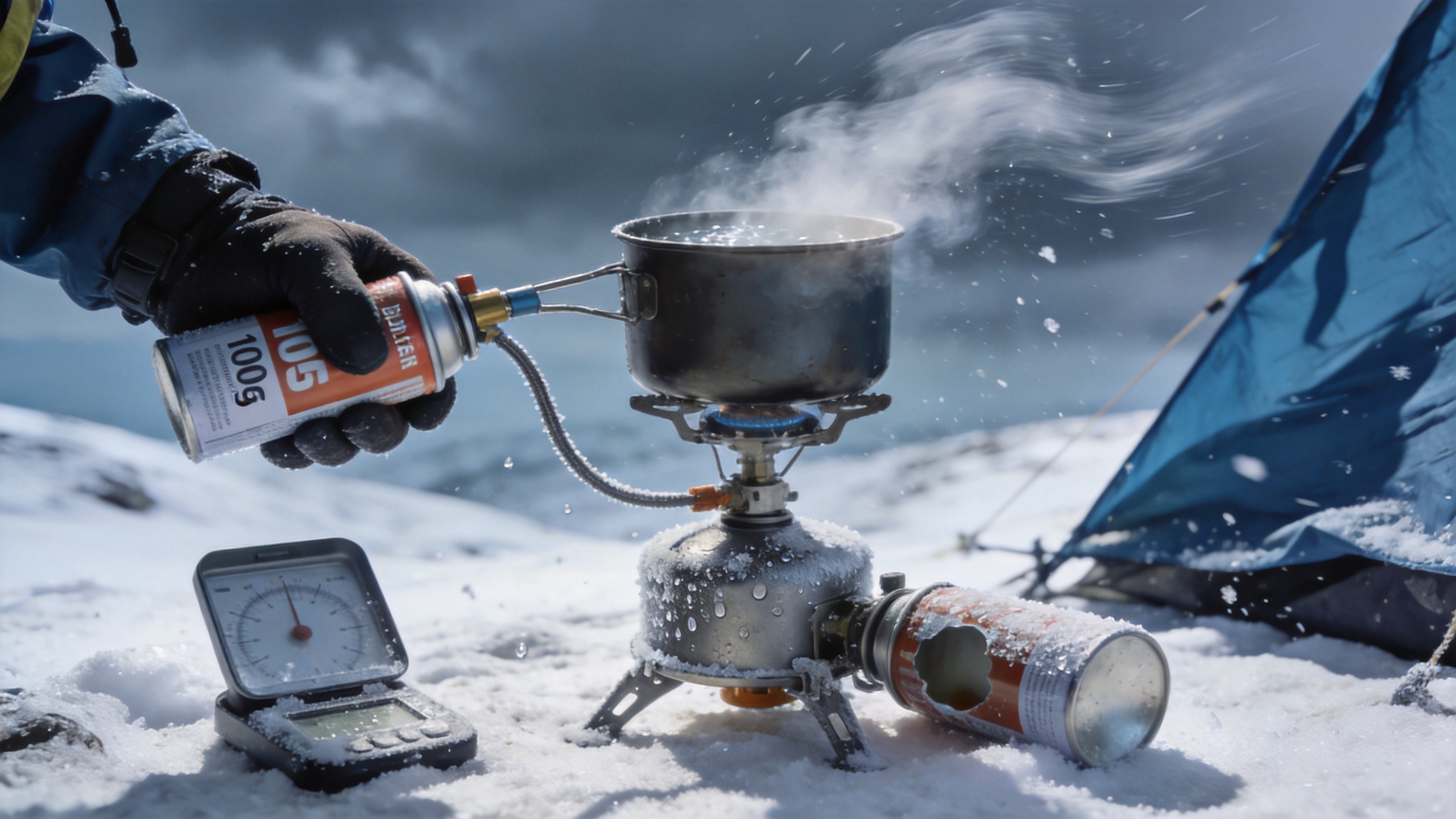
- Cold weather issues: Canister stoves lose pressure in cold. The BRS has no regulator, making it almost unusable below freezing. The Amicus performs better but still declines.
- Lack of integrated lid/cozy: You lose heat from the pot sides and top. Every extra minute of boiling is wasted fuel.
Real-World Scenarios: Which Stove Fits Your Trip?
Let’s put these stoves into practical contexts so you can decide which trade-offs matter most to you.
Scenario 1: The Ultra-Light Thru-Hiker (e.g., PCT, CDT)
You’re logging 25+ miles a day, eating cold-soaked oats and no-cook dinners, but occasionally need a hot meal. Every gram counts, and you’re okay using a bit more fuel if it saves carrying a heavier stove. Recommendation: BRS-3000T – paired with a 100 g titanium pot and a tiny wind screen cut from a soda can, you’re under 150 g total. Yes, you’ll use more fuel, but you can buy smaller canisters (110 g) and burn through them faster. The weight savings on the stove offset the extra fuel weight for most hikers. If you want a little more reliability and wind resistance, upgrade to the Soto Amicus (still light at 88 g).
Scenario 2: Weekend Car Campers & Base Campers
Weight isn’t a concern; you drive to the site. You want fast, reliable hot water for instant coffee and freeze-dried meals, maybe cooking for two or three people. Recommendation: Jetboil Flash – the efficiency saves you canister swaps, the all-in-one design is idiot-proof, and the speed is satisfying. If you occasionally want to pan-fry bacon, consider the Jetboil MiniMo (better simmer and a wider cup) but accept a small weight increase.
Scenario 3: The Versatile Backpacker (Overnight to Week-Long Trips)
You cook a variety of meals: boil water for rice, simmer a pasta sauce, fry tortillas. Wind and cold are unpredictable. Recommendation: Soto Amicus – pair it with a 1.0L pot, an aluminum windscreen, and a lightweight cozy (like a DIY reflectix wrap). You get excellent performance, still under 200 g total system weight, and the flexibility to use different pots. The micro-regulator makes it usable in cold weather down to 30°F with a standard canister. For extra cold (below 20°F), add a cold-weather adapter or use a blended gas canister.
Scenario 4: The Efficiency-Obsessed Minimalist
You want the least total weight including fuel for a 10-day unsupported trip. The key metric is system efficiency: stove + pot + fuel per meal. At typical consumption of 8–10 g per boil, a Jetboil uses about 7 g per boil, saving 2 g each meal. Over 30 boils, that’s 60 g of fuel saved. But the Jetboil system weighs ~200 g more than an Amicus system. If your trip is shorter than about 15 boils, the lighter stove wins. For longer trips, the integrated system starts to pay off. A detailed weight analysis is beyond this article, but rough math favors the Amicus or BRS for trips up to 5 days, and Jetboil for longer expeditions where fuel weight dominates.
Practical Tips to Maximize Any Stove’s Efficiency
Whatever stove you choose, these field-tested strategies will stretch your gas canister further:
- Always use a wind screen for canister stoves (but never wrap it around the canister itself). A simple folding aluminum shield made from a baking sheet can cut fuel use by 30%.
- Pretreat your water – If you’re melting snow, start with a small amount of water and add snow gradually. Never pack the pot full of snow; it absorbs heat like a sponge.
- Use a pot cozy – After bringing water to a boil, slide the pot into an insulated cozy (or wrap it in a down jacket). The food continues to cook during the soak without a flame. Many dehydrated meals need only a 5-minute simmer, and a cozy eliminates that simmer.
- Burn the last few grams of fuel – Canisters cannot be 100% emptied when cool. Invert the canister and run the stove on low until the flame sputters—you can often squeeze out an extra half-boil’s worth of gas.
- Match pot size to burner – A small pot on a large flame wastes energy. For the BRS, use a narrow, tall pot (e.g., 0.7L Toaks) to concentrate heat. For Jetboil, never use a smaller pot than the flux ring.
Conclusion: No Best Stove, Only the Best Fit
Fuel efficiency isn’t a single number—it’s a combination of stove design, weather, cooking habits, and trip duration. The Jetboil is the undisputed champion of gas-sipping speed, perfect for fast boil-and-eat missions. The Soto Amicus offers the best all-around balance of reasonable efficiency, light weight, and culinary versatility. The BRS-3000T is the ultimate failsafe for gram-shavers willing to trade fuel for pack weight. Consider your own priorities: if you hate carrying a wind screen and value absolute fuel economy, go integrated. If you love cooking real meals and want one stove that does it all, the Amicus is your companion. And if your sole goal is the lightest possible setup, the BRS won’t disappoint—just bring an extra canister.