You Packed 3,000 Calories but Ate Only 1,800: The Backpacking Food Mistake That Wastes Pack Weight
You planned 3,000 calories for a backpacking day, packed every snack, and started hiking with a reassuringly full food bag. 🎒 By evening, you had eaten only 1,800 calories, leaving unopened bars and much of your lunch behind. Those 1,200 unconsumed calories raise a question: did you pack too much, choose unappealing foods, or simply have an unusual day?
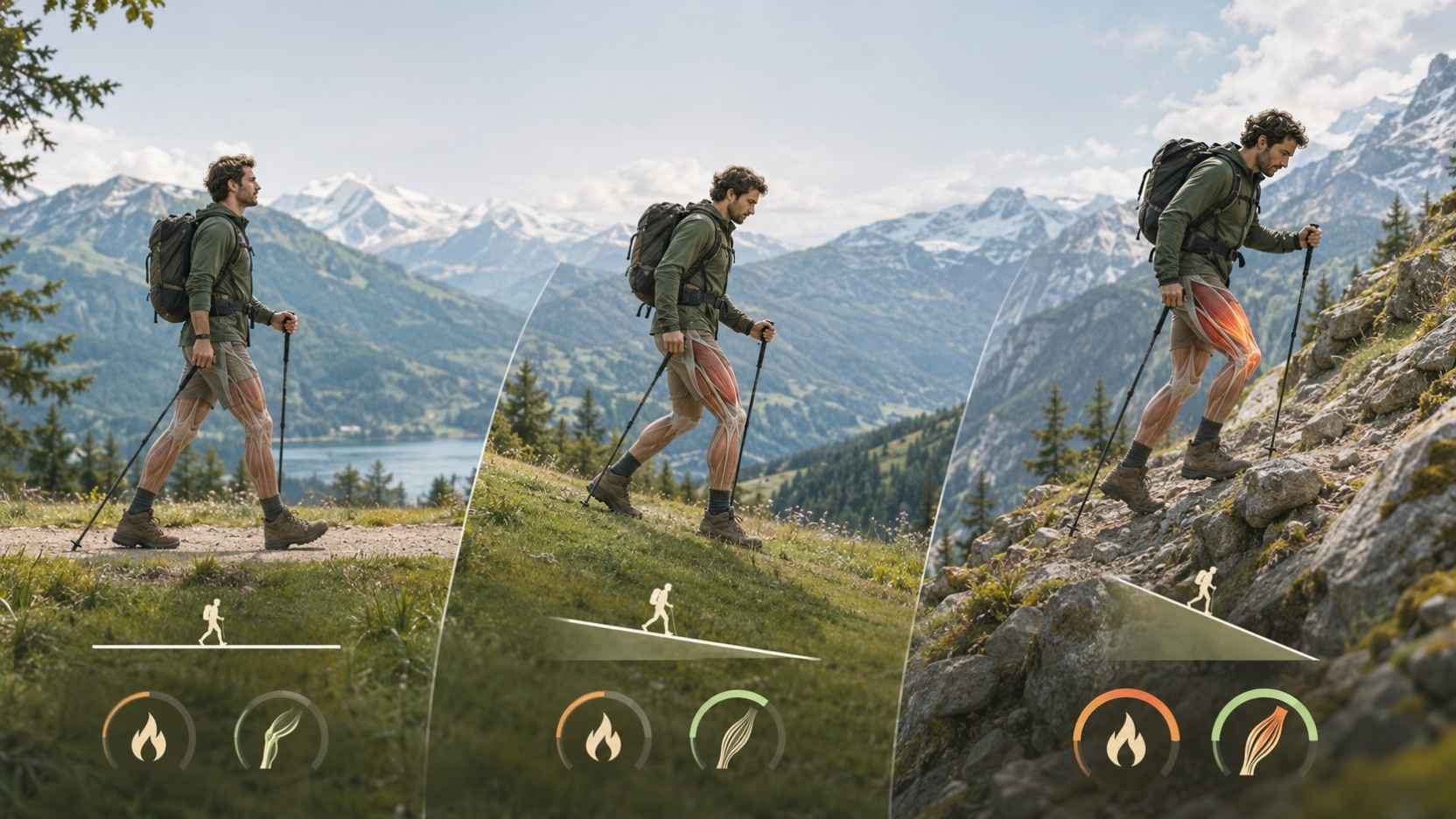
Searching for backpacking calories per day usually reveals estimates of energy needs, but estimates cannot predict which meals you will actually eat. Unused food adds weight alongside your shelter, water, clothing, and cooking equipment until you consume it or carry it home. 🥾 The overlooked distinction is calories packed versus calories eaten, not merely the number on your menu spreadsheet.
Why Packing Enough Calories Doesn’t Guarantee You’ll Eat Enough
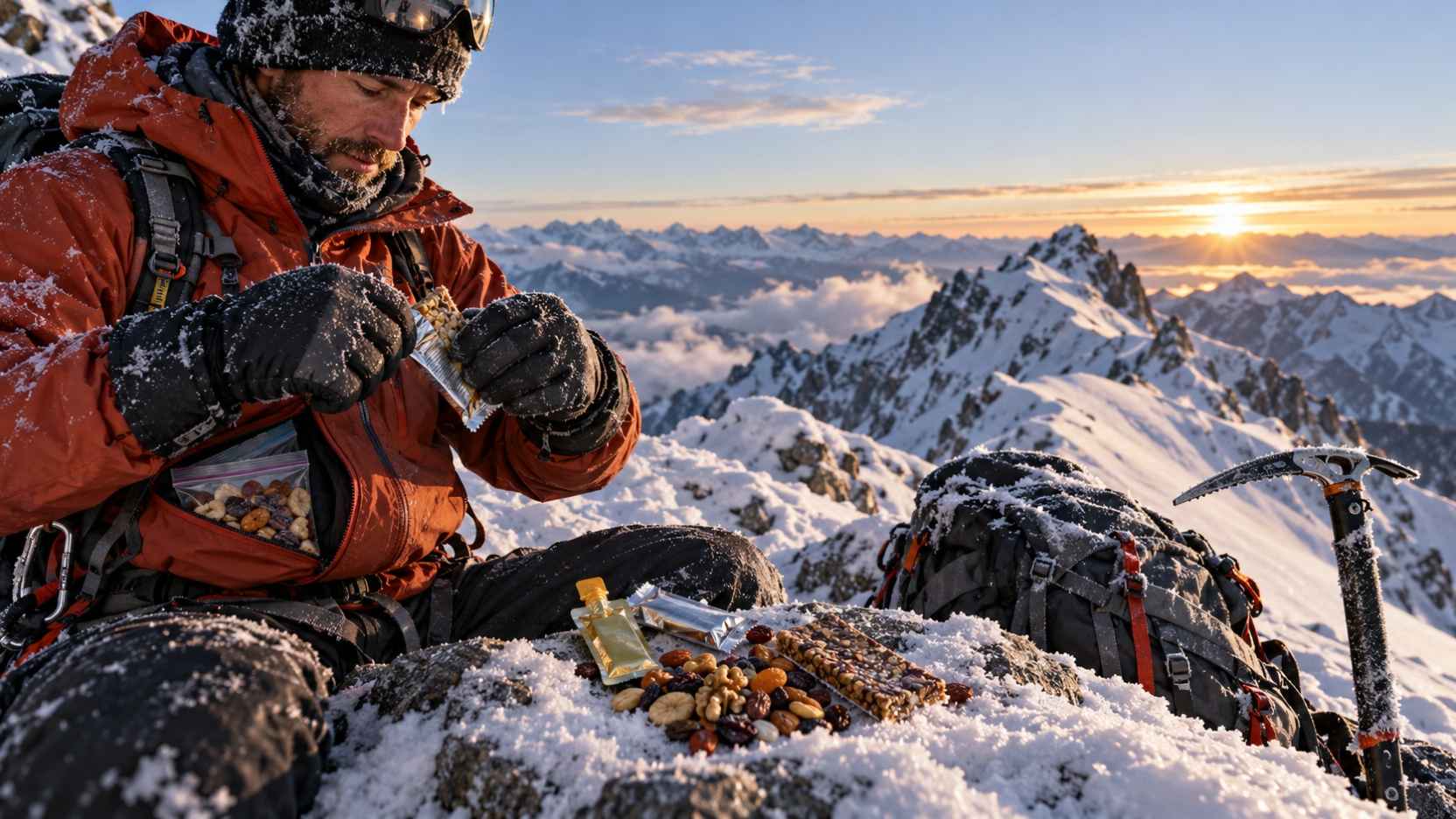
A menu measures available food, not guaranteed consumption, because appetite, weather, timing, and preferences change on the trail. Someone who enjoys oatmeal at home might skip breakfast when the morning is rainy and rushed. Another hiker may carry sweet bars but reach for salty crackers instead.
Backpacking effort does not guarantee eating feels convenient, especially during long climbs or short breaks. 🌄 A complicated lunch might remain untouched because preparing it requires stopping, unpacking gear, and finding water. Such choices do not establish lower calorie needs; they expose friction between your plan and actual behavior.
Your Food Budget Is Different From Your Actual Intake
Your food budget means the total calories allocated to a day, calculated from packaging labels and recipe portions. Your actual intake means the calories you consumed, including partial servings or snacks borrowed from another day’s allocation. The figures may differ even if your original estimate was reasonable.
Imagine budgeting 600 calories for breakfast, 800 for lunch, 900 for snacks, and 700 for dinner, totaling 3,000. Eating 400, 500, 400, and 500 calories respectively produces 1,800 consumed calories. 📊 The 1,200-calorie gap is not a measure of energy burned or proof that this intake was adequate.
How To Calculate The Daily Packed-Versus-Eaten Gap
Calculate planned calories − consumed calories = daily calorie gap using the same day’s food allocation. For example, 3,000 − 1,800 = 1,200 unconsumed calories, or 40% of the original budget. That result identifies a planning mismatch, although a single day does not reveal your usual needs.
Record foods eaten, partially eaten, skipped, swapped, shared, or discarded to explain what happened. 📝 A snack moved from Tuesday to Wednesday is not necessarily a trip-end leftover, so daily gaps are not automatically physical inventory counts. Count actual remaining food after the trip and account for anything obtained, given away, or lost.
A Three-Day Backpacking Example With Leftover Food
Suppose a three-day trip begins with 9,000 calories, allocated equally across three days, excluding a separate emergency reserve. The hiker consumes 1,800 calories on day one, 2,300 on day two, and 2,500 on day three. Without extra food, sharing, or losses, 2,400 calories remain from the original supply.
| Day | Planned (cal) | Eaten (cal) | Gap (cal) | Unused weight* |
|---|---|---|---|---|
| Day 1 | 3,000 | 1,800 | 1,200 | 9.6 oz |
| Day 2 | 3,000 | 2,300 | 700 | 5.6 oz |
| Day 3 | 3,000 | 2,500 | 500 | 4.0 oz |
| Total | 9,000 | 6,600 | 2,400 | 19.2 oz |
Illustrative weight at 125 calories per ounce; actual food weight varies.
At an assumed 125 calories per ounce, those 2,400 calories represent 19.2 ounces, or 1.2 pounds, excluding packaging. ⚖️ Actual leftovers could weigh differently because bars, nuts, and prepared meals vary in calorie density. The table measures unused allocations; evaluating whether the hiker ate enough requires a separate assessment of individual needs and trip demands.
What Uneaten Snacks And Dinners Reveal About Your Menu
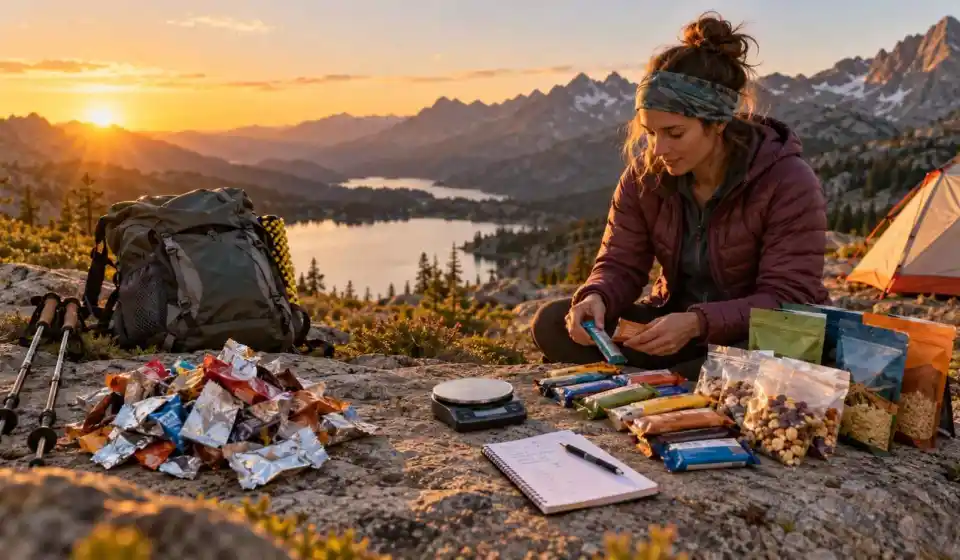
Unpack your food bag after each trip and notice which items repeatedly return home. 🍫 Leftover chocolate bars may signal sweet-food fatigue, while unopened dinners may indicate that cooking felt inconvenient after hiking. The identity of skipped foods often matters more than the total leftover calories.
Classify the leftovers by disliked flavor, oversized portion, difficult preparation, poor accessibility, or intentional backup. A bar buried in your pack might remain unopened simply because something else was easier to reach. Recording those reasons turns unused backpacking food into useful evidence for redesigning your next menu.
How Calorie Density Changes The Weight Penalty
Calorie density measures how much food energy fits into each ounce of food. At 125 calories per ounce, a 1,200-calorie allocation equals 9.6 ounces; at 100 calories per ounce, it equals 12 ounces. These conversions estimate weight rather than precisely measuring a mixed bag of leftovers.
Calorie-dense foods help reduce pack weight, but they cannot fix a snack you repeatedly avoid eating. 🥜 A compact, energy-rich bar is less useful when you dislike it or cannot conveniently reach it. Consider food weight alongside taste, preparation, water needs, and realistic eating opportunities.
Adjust Variety Without Arbitrarily Cutting Your Supply
Recurring leftovers should prompt menu redesign before calorie reduction, particularly on demanding routes. Replace unpopular snacks with familiar alternatives, divide oversized meals, and keep accessible foods within reach during breaks. 🍪 Mix savory and sweet options while maintaining a food supply appropriate to expected activity.
Choose easier meals for times when you consistently struggle to stop and cook. Test changes during shorter trips and compare records from several outings rather than relying on one unusual day. If low appetite repeatedly prevents adequate eating during strenuous activity, consult a qualified healthcare professional instead of assuming lower intake is safe.
Keep Your Safety Reserve Separate From Regular Leftovers
Extra food is not automatically wasted because delays, detours, and longer days can change your plans. 🧭 Label contingency supplies separately so intentionally unused emergency food does not distort everyday consumption records. When evaluating leftovers, distinguish skipped meals from food deliberately carried for unexpected circumstances.
Never interpret a 1,200-calorie packed-versus-eaten gap as an automatic 1,200-calorie bodily energy surplus. Someone may carry too many unappealing snacks while still eating less than their strenuous trip requires. Good backpacking food planning balances adequate food, reasonable pack weight, and a usable contingency reserve.
Three-Day Food Consumption Tracker
Before departure, fill in each day’s planned calories and note any emergency food separately. After hiking, record what you actually ate and estimate the difference, accounting for portions moved between days. ✏️ For the final weight column, measure leftover food or clearly label an estimate derived from its calorie density.
| Day | Planned calories | Consumed calories | Daily gap | Leftover food weight (oz) |
|---|---|---|---|---|
| Day 1 | ______ | ______ | ______ | ______ |
| Day 2 | ______ | ______ | ______ | ______ |
| Day 3 | ______ | ______ | ______ | ______ |
| Trip total | ______ | ______ | ______ | ______ |
Alongside the worksheet, write a reason beside each skipped item: too sweet, hard to prepare, too large, or saved for emergencies. Compare your starting inventory with what you consumed, shared, acquired, and brought home. Repeated patterns reveal practical changes without assuming every leftover calorie should disappear from the next packing list.
Final Thoughts: Pack Calories You Can Actually Use
The lesson behind packing 3,000 calories and eating 1,800 is not to pack only 1,800 next time. It is to pair your backpacking calories per day estimate with records of what you truly consume and which foods remain unused. 🎒 Preserve appropriate reserves and improve menu choices before reducing planned food.
Connect your Caloric Needs Calculation to a Caloric Density comparison, then build practical meals through your Menu Templates. Together, those steps address how much food energy to plan, how much it weighs, and whether you will realistically eat it. The best food bag matches the demands of the route and your eating habits—not merely the smallest calorie count.