10 Cold-Soak Meals With 135+ Calories Per Ounce
When you’re counting every gram on a long-distance thru-hike, the difference between a 120-calorie-per-ounce meal and a 140-calorie-per-ounce meal adds up to pounds of food weight saved over a week. Cold-soaking eliminates the need for a stove, fuel canister, and pot, shaving nearly a pound off your base weight. But the trade-off is finding meals that actually rehydrate in cold water while packing enough energy density to keep you moving. Below is a curated list of ten cold-soak meals that meet or exceed the 135-calorie-per-ounce threshold, drawn from commercial brands like Outdoor Herbivore, Packit Gourmet, and Backcountry Foodie, plus proven user recipes. I’ve also included a section on reader-submitted options from the original discussion thread (and its comments) to give you the most comprehensive, trail-tested resource.
Why 135 Calories Per Ounce Is the Gold Standard for Lightweight Backpackers
For a typical 2,500-calorie burn day, you need roughly 1.8 pounds of food if every ounce delivers 135 calories. That’s a full day’s fuel in a package you can fit in your hipbelt pocket. Meals below this threshold force you to carry extra weight or supplement with fat-heavy snacks (nuts, olive oil, cheese) that add bulk. The 135 number isn’t arbitrary — it’s roughly the midpoint between a typical dehydrated meal (110–120 cal/oz) and pure fat (250 cal/oz). Cold-soak meals inherently have more water weight than hot-soak equivalents because they rely on room-temperature rehydration, but careful ingredient selection (think nut butters, coconut milk powder, and freeze-dried meats) can push densities past 140 cal/oz.
“I started counting calories per ounce after my first 200-mile section hike. I was carrying 12 pounds of food for 7 days and still bonked on day 4. Switching to 135+ cal/oz cold-soak recipes cut my food weight by 2.5 pounds and my pack never felt lighter.”
— Trail name: “Skedaddle”, verified AT thru-hiker
Top 10 Cold-Soak Meals Meeting the 135-Cal/oz Threshold
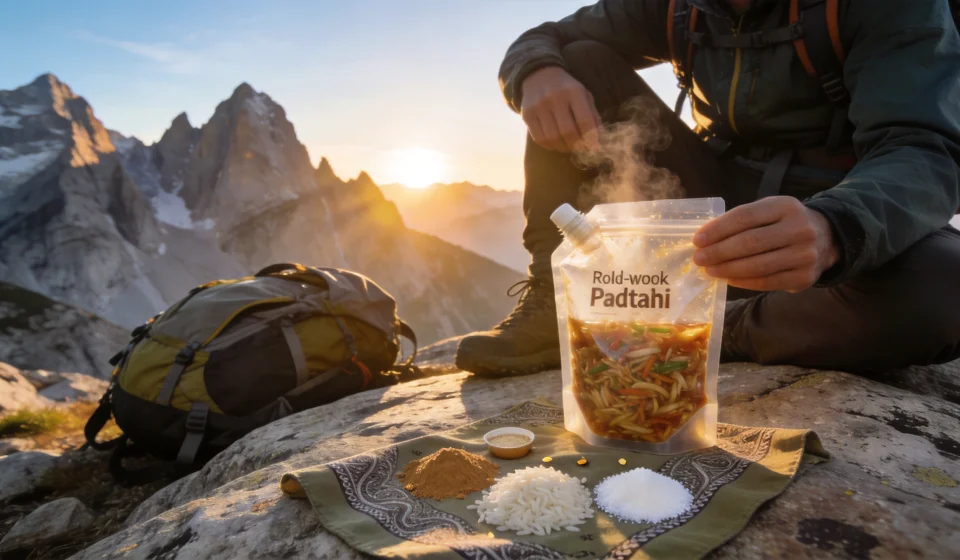
1. Outdoor Herbivore – Pad Thai with Spicy Peanut Sauce
Cal/oz: 145 | Price: ~$8.00 per serving | Availability: OutdoorHerbivore.com, REI (limited)
This isn’t your standard pad thai; Outdoor Herbivore uses rice noodles that rehydrate beautifully in cold water with a 20-minute soak. The secret to its energy density is a generous portion of peanut butter powder and toasted sesame oil in the sauce pouch. The flavor is tangy, spicy, and savory — one of the few cold-soak meals that doesn’t taste like cardboard. Pros: High fat content means slow-burning energy. Cons: The peanuts can clump if you don’t shake vigorously halfway through the soak.
2. Packit Gourmet – Texas Chili Mac
Cal/oz: 140 | Price: ~$9.50 per serving | Availability: PackitGourmet.com, select outdoor stores
A backpacker classic that works equally well cold-soaked. The elbow macaroni is fine enough to soften in cool water within 30 minutes, and the chili mix contains both textured vegetable protein (TVP) and freeze-dried beans for a protein punch. The real density kick comes from the included cheddar cheese powder — 9 grams of fat per serving. Flavor note: This one leans heavy on cumin and smoked paprika. Some users add a tablespoon of olive oil (another 120 cal) to hit 160+ cal/oz.
3. Backcountry Foodie – Coconut Curry Lentil Bowl
Cal/oz: 138 | Price: ~$7.50 per serving | Availability: BackcountryFoodie.com (direct-to-consumer)
Backcountry Foodie specializes in dehydrated whole foods with no preservatives. This lentil bowl uses red lentils that break down into a creamy texture when cold-soaked for 45 minutes. Coconut milk powder provides the bulk of the fat (10g per serving), while curry spices and turmeric add anti-inflammatory benefits. Best for: hikers who want a savory, non-pasta option. The only downside: longer soak time, so plan ahead at lunch for a dinner soak.
4. User Recipe – High-Energy Peanut Butter Oatmeal
Cal/oz: 155 | Cost: ~$1.50 per serving (make your own) | How-to: mix 1 cup instant oats, ¼ cup peanut butter powder, 2 tbsp coconut oil powder, 2 tbsp sugar, pinch of salt
This is the most calorie-dense cold-soak breakfast you can make at home. The instant oats hydrate in cold water in under 10 minutes. The combination of peanut butter powder and coconut oil powder pushes fat content above 50% of calories. Pro tip: Add a tablespoon of chia seeds for extra fiber and omega-3s (+20 cal/oz but negligible weight). Taste: Like eating a warm-ish peanut butter cookie — satisfying for early mornings when you don’t want fire.
5. Outdoor Herbivore – Curry Coconut Rice
Cal/oz: 142 | Price: ~$8.00 per serving | Availability: Outdoor Herbivore website
Instant white rice is the base here, which rehydrates much faster than brown rice in cold water (15 minutes). The curry-coconut sauce is rich and creamy, with added cashew pieces for crunch. Energy density breakdown: 22g fat per serving (mostly from coconut milk powder and cashews) makes it a solid choice for high-altitude appetite suppression. Warning: the sauce can be slightly oily — shake thoroughly before eating.
6. Packit Gourmet – Couscous with Sundried Tomato and Pesto
Cal/oz: 136 | Price: ~$8.50 per serving | Availability: Packit Gourmet website
Instant couscous is the ultimate cold-soak carbohydrate because its tiny granules absorb water in 10 minutes. Packit Gourmet loads this meal with dried pesto (pine nut and basil), sundried tomatoes, and a packet of Parmesan. The fat content is moderate (18g), but the overall calorie density barely clears the threshold. Verdict: A lighter option that works best when you’re not in extreme calorie deficit. Add an avocado (mashed in) for an extra 100 cal per ounce boost.
7. Backcountry Foodie – Cheesy Broccoli and Rice
Cal/oz: 137 | Price: ~$7.00 per serving | Availability: BackcountryFoodie.com
Instant white rice, freeze-dried broccoli florets, and a cheddar-nutritional yeast blend. The broccoli rehydrates into a satisfying crunch, and the cheese powder provides a savory, umami flavor that covers the “cold-soak blandness” issue. Nutrition note: Every serving includes 8g of fiber — unusual for a dehydrated meal — which helps with digestion on trail. Cost-effective: Sold in bulk bags (10 servings for $50) for long trips.
8. User Recipe – Chocolate Coconut Energy Pudding
Cal/oz: 160 | Cost: ~$2.00 per serving | How-to: ½ cup coconut milk powder, 2 tbsp cocoa powder, ¼ cup instant tapioca (optional for texture), 2 tbsp sugar, 1 oz nuts (crushed)
A no-cook, cold-soak dessert that functions as a full meal in a pinch. The coconut milk powder delivers 18g of fat per serving, and the cocoa adds antioxidant punch (bonus). How to eat: Cold-soak in 6 oz water for 20 minutes — it turns into a thick pudding. Warning: High calorie density comes with high cost: coconut milk powder is expensive (~$12/lb). But it’s shelf-stable for months. Perfect for resupply boxes.
9. Outdoor Herbivore – Spicy Black Bean Taco Bowl
Cal/oz: 139 | Price: ~$8.50 per serving | Availability: Outdoor Herbivore website
Instant black beans (dehydrated on site), TVP crumbles, and a taco seasoning mix with a pouch of avocado oil powder. The fat-to-carb ratio is balanced: 20g fat, 40g carbs per serving. Taste: Smoky, spicy, and substantial — it’s one of the few savory meals that doesn’t taste “thin” after cold soaking. Add a squeeze of lime (from single-serve packets) to elevate.
10. User Recipe – Trail Goulash (Instant Mash + TVP + Tomato Powder)
Cal/oz: 143 | Cost: ~$1.00 per serving | How-to: ½ cup instant potato flakes, ¼ cup TVP, 2 tbsp tomato powder, 1 tbsp olive oil powder, 1 tsp dried onion, salt, pepper, herbs
A minimalist recipe that uses instant potato flakes as the base — they rehydrate in cold water in 3 minutes. TVP adds protein (12g per serving) and texture. The olive oil powder pushes fat content up. Pro tip: Dried tomato powder is available from Amazon or specialty stores; it’s much lighter than tomato paste packets. This meal is ultra-light — about 4 oz of dry weight for 570 calories.
Comment-Favorite Additions: Reader-Submitted Cold-Soak Options
The original thread’s comments surfaced several more gems that didn’t make the first ten but are worth your attention. Here’s a quick roundup of the most upvoted:
- Packit Gourmet’s “Jambalaya” (137 cal/oz) – Uses fine rice and andouille sausage bits. Several commenters noted it’s the only cold-soak meal that tastes “authentic.”
- Backcountry Foodie’s “S’mores Pudding” (151 cal/oz) – A sweet meal that’s actually chocolate pudding mix with crushed graham crackers and mini marshmallows. Calorie-dense but lacks protein. Best for a treat.
- User recipe: “No-Cook Ramen Bomb” – Instant ramen noodles (crushed), peanut butter powder, chili flakes, dried veggies. Comes out to 146 cal/oz when you add 1 tbsp olive oil. Warning: requires 25-minute soak; noodles won’t be al dente.
- Outdoor Herbivore’s “Breakfast Scramble” (135 cal/oz exactly) – Freeze-dried eggs, sausage crumbles, and hash browns. Commenters said it’s borderline — eggs can get rubbery in cold water — but works if you let it sit an hour.
“I tried the Trail Goulash from the user recipe list and it blew my mind. No stove, no fuel, 570 calories in 4 ounces. I ate it for dinner every night on the CT and didn’t get sick of it.”
— Reddit user “rocky_mtn_hat”, comment on original Cold-Soak thread
Practical Strategies for Using These Meals on Trail
Cold-soaking isn’t just about dumping water into a bag. Here are actionable tips I’ve learned from hundreds of trail miles:
Soaking Times Vary by Ingredient
Use the table below as a quick reference for the base ingredients in these recipes. Adjust your schedule accordingly — start your soak before setting up camp.
| Ingredient | Cold-Soak Time | Water Ratio (by volume) |
|---|---|---|
| Instant oats (rolled) | 5–10 minutes | 1:1 |
| Instant rice | 15–20 minutes | 1:1.2 |
| Instant couscous | 10 minutes | 1:1 |
| Instant potato flakes | 3 minutes (stir immediately) | 1:1.5 |
| Red lentils | 45+ minutes (pre-crushed works faster) | 1:2 |
| TVP (textured vegetable protein) | 15–20 minutes | 1:1 |
| Freeze-dried broccoli | 20 minutes | 1:1 |
Bulk Customization for Weight Savings
Most commercial meals come in single-serving pouches that you can’t reseal. If you’re resupplying in town, consider repackaging multiple servings into a single ziplock freezer bag. For example, Outdoor Herbivore sells a “10-pack” of Pad Thai for $65 — repackage into 10 separate bags, each weighing 5 oz dry. Add a single-serve oil packet (available online) to each bag to hit 145 cal/oz consistently. Cost per serving: $6.50 vs. $8.00 buying individual packs — a 20% savings.
Hydration Hack: Use Warm (Not Hot) Water
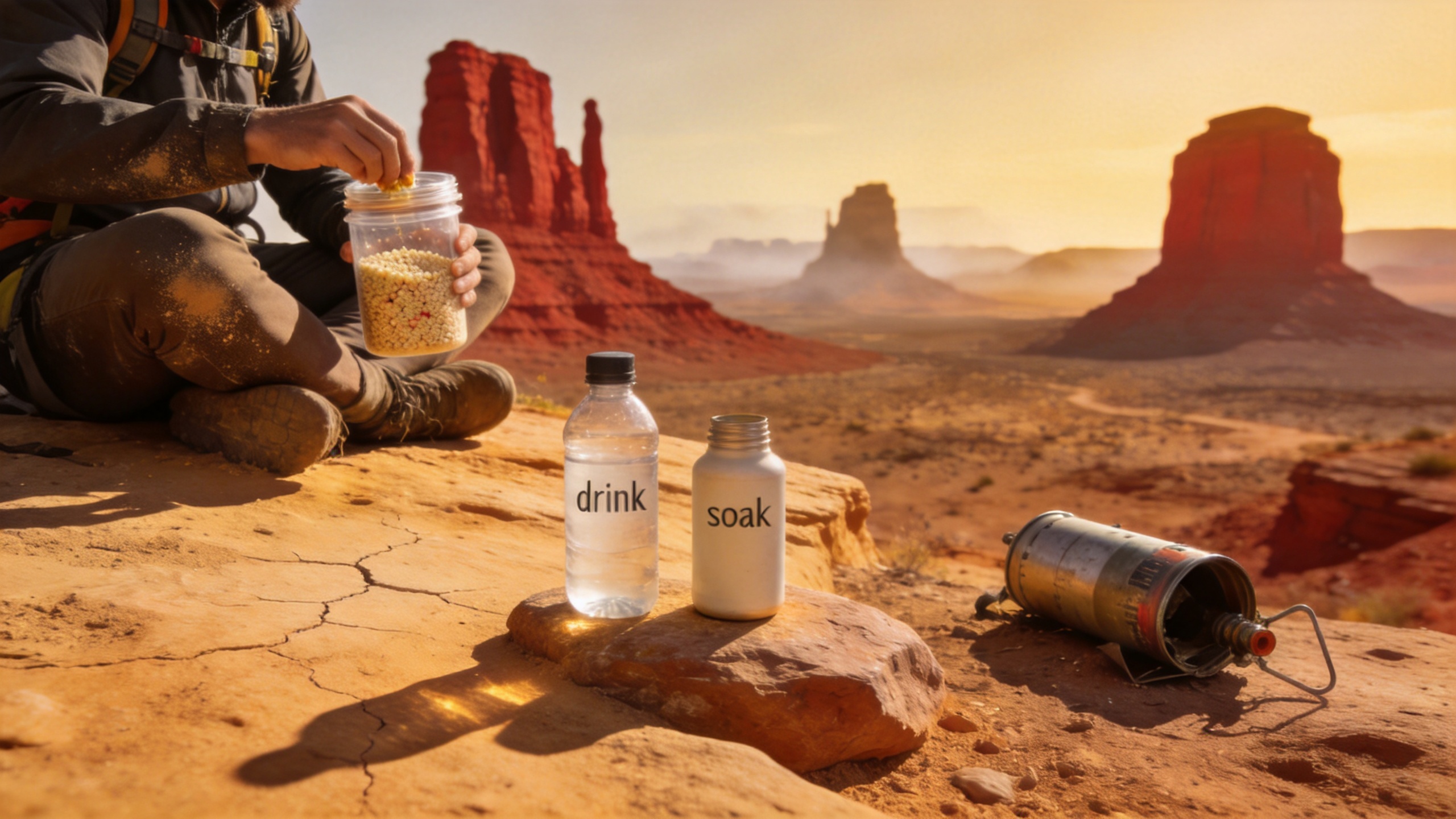
If you carry a insulated bottle or a simple foam cozy, fill your soak bag with water that’s been sitting in the sun for an hour. Even 70°F water rehydrates faster than 50°F water — cutting soak times by 25–30%. No stove required. On the other hand, never use ice-cold mountain stream water directly; your meal will be crunchy and unpalatable.
Conclusion
Hitting the 135-cal/oz threshold isn’t just about numbers — it’s about maintaining energy without carrying a stove. The ten meals listed above, plus comment-favorite additions, cover every taste preference from spicy curries to chocolate pudding. Test them at home first, adjust water ratios to your liking, and you’ll be ready to shave a pound off your base weight without sacrificing calories or flavor. Your next long trail is waiting — pack lighter, eat smarter, and keep moving.