Stop Packing Six Protein Bars: Build a Hiking Snack Rotation You’ll Still Want at Mile 15
The Best Hiking Snack Can Become The Worst One By Mile 15
Packing six protein bars sounds efficient because they are compact, easy to count, and require absolutely no preparation, but efficiency at the kitchen counter does not guarantee that the sixth identical bar will still look appealing after hours of hiking. 🥾 Long hiking days introduce heat, repetitive movement, sweat, changing energy demands, and simple food boredom, so a snack that sounded perfect at breakfast can become something you keep pushing deeper into your pack by late afternoon. Instead of trying to discover one magical best snack for long hikes, it makes more sense to build enough variety that several different foods can play different roles throughout the day.
That is the idea behind a Trail Snack Rotation: pack foods with contrasting flavors, textures, and nutritional strengths rather than five versions of essentially the same dry snack. The rotation might contain a quick-carbohydrate food, a calorie-dense fat-containing option, something containing protein, a salty or crunchy food, and one item you are genuinely excited to eat. 🌄 This is not a mandatory nutrition formula or a claim that every hiker needs exactly five categories; it is simply a planning framework for building a hiking snack bag that stays useful from the first mile to the last.
Why One Perfect Trail Snack Usually Fails
Most lists of hiking snacks evaluate foods individually by asking whether a bar, nut mix, jerky packet, waffle, dried fruit, or sandwich is portable and calorie-dense, yet hikers rarely experience foods individually during an all-day trip. A snack that works wonderfully at mile four may feel repetitive at mile twelve if the previous three snacks had the same sweetness, dryness, or chewy texture. 😐 The more hours you spend on the trail, the more useful variety can become because your next snack does not have to taste or feel exactly like the one you just ate.
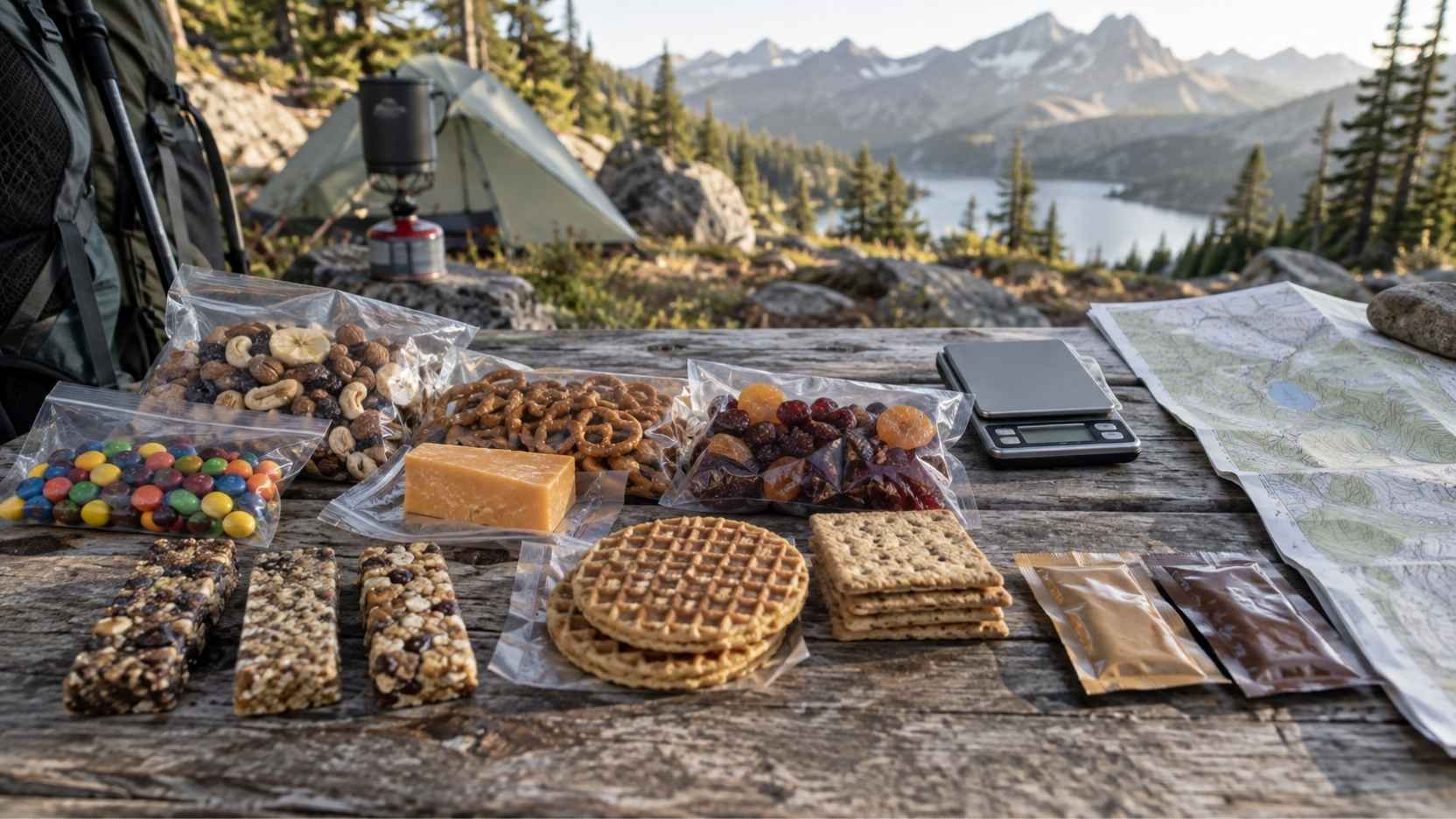
Think about the difference between carrying six chocolate-flavored bars and carrying dried fruit, trail mix, a small sandwich, crackers, jerky, and a favorite sweet snack with roughly comparable total food weight. The second bag gives you choices between sweet and savory, soft and crunchy, quick energy and slower-digesting foods, which makes the menu adaptable instead of repetitive. This also explains why hikers frequently discuss combinations of nuts, fruit, candy, sandwiches, cheese, tortillas, gummies, jerky, crackers, waffles, and bars rather than surviving entirely on whichever packaged bar has the strongest nutrition label.
Give Every Snack A Job Instead Of A Ranking
Start your rotation with at least one quick-carbohydrate option, because carbohydrate-containing foods provide glucose that working muscles can use during activity and are often convenient when you want something easy to eat while moving. Dried fruit, gummies, pretzels, crackers, fruit snacks, a tortilla with a sweet filling, or similar foods can occupy this position depending on your preferences and the conditions of the hike. ⚡ This does not mean carbohydrates are automatically superior to fat or protein; it means different macronutrients provide different advantages, which is why understanding Carbs vs Fat on the Trail can make menu planning more logical.
Next, include foods containing more fat, protein, or both, such as nuts, nut butter, cheese when storage conditions allow, jerky, seed-based mixes, or certain snack bars, because these foods can increase calorie density and create more substantial snack breaks. Fat provides about 9 calories per gram, compared with roughly 4 calories per gram from carbohydrate or protein, which is one reason nuts and nut butters appear so often in weight-conscious backpacking menus. 🥜 Rather than asking whether trail mix is “better” than gummies, think of them as different tools: one may provide compact calories and staying power while the other may be easier to eat when you want quick carbohydrate.
Rotate Sweet And Savory, Then Rotate Texture
Flavor deserves almost as much planning as calories because a bag filled entirely with sweet foods can become monotonous even when every individual item looked delicious at the grocery store. 🍬 If breakfast included something sweet and your first trail snack is a sweet bar, following it with sweet dried fruit and another chocolate snack may make a salty cracker, sandwich, pretzel, or savory nut mix suddenly feel far more appealing. Building sweet-to-savory contrast gives you another reason to reach into your food bag instead of postponing eating simply because nothing sounds interesting.
Texture matters for the same reason, especially when common hiking foods tend to cluster around dry, dense, chewy products designed for shelf stability. Mix crunchy foods such as pretzels or crackers with softer options such as tortillas, sandwiches, dried fruit, waffles, or another food you personally enjoy eating on the move. 🥨 Even two products with similar calorie totals can create very different eating experiences, and that difference becomes surprisingly valuable when you have been walking for eight hours and do not want to chew another dense bar.
Build A Four-To-Five-Snack Day-Hike Bag
A practical long-day rotation can begin with four or five deliberately different snacks rather than an enormous collection of random foods. For example, you might pack dried fruit or gummies for quick carbohydrate, nuts or trail mix for calorie density, jerky or another protein-containing food, pretzels for salty crunch, and a small sandwich or favorite treat as the food you are actually looking forward to eating. 🎒 Adjust portions to your expected trip length, total food needs, weather, body size, pace, elevation gain, and whatever larger meals you are already bringing.
The important planning question is not, “Did I pack five snacks?” but “Do these snacks give me different choices?” Five chocolate-covered protein bars technically provide five eating opportunities, yet they still represent almost the same flavor, texture, and format repeatedly. Five different foods can provide substantially more flexibility without necessarily requiring more food, which is especially useful on all-day hikes where you may eat several times before reaching the trailhead again.
An Example Long-Day Hiking Snack Rotation
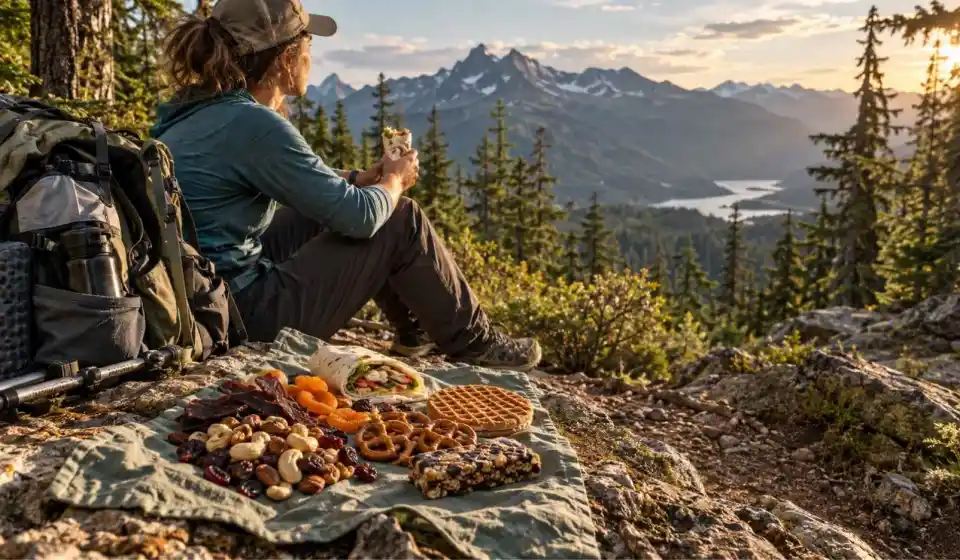
Imagine an early start where breakfast is eaten before reaching the trail, followed a few hours later by a handful of dried fruit or gummies during a short walking break. Later, a nut-and-seed trail mix provides a more calorie-dense option, while a midday tortilla wrap or sandwich gives you something softer and more meal-like before the afternoon miles begin. 🥪 As the day continues, salty pretzels or crackers can provide contrast, followed by a favorite bar, cookie, waffle, chocolate item, or other treat you intentionally saved because you know you will be happy to see it later.
The exact sequence does not need to be rigid, because the main benefit of a rotation is having choices available when conditions change. Some hikers prefer frequent small snacks, while others naturally combine food into fewer substantial breaks, so your schedule should reflect the length and intensity of your trip as well as what feels practical for you. For a deeper planning approach, pair this rotation with How Often Should You Eat While Hiking? and Fueling a 20-Mile Day rather than assuming every hiker should eat the same amount at the same minute.
Stop Packing Five Versions Of The Same Dry Bar
One common mistake is creating artificial variety by buying several bar flavors while keeping every other characteristic identical. A peanut-butter bar, chocolate bar, berry bar, and vanilla bar may technically taste different, but they can still share the same dense consistency, sweetness, packaging, and eating experience. 😬 Bars are useful trail foods because they are portable and predictable, but they work better as one component of a menu than as the entire menu for many hikers.
Another mistake is optimizing exclusively for nutrition numbers while ignoring whether you actually enjoy the food, because a theoretically efficient snack has limited practical value if you repeatedly carry it home uneaten. Include at least one “I actually want this” food—perhaps a favorite sandwich, cookie, candy, salty snack, homemade bite, or other practical trail food that gives you something enjoyable to anticipate. Hiking food does not need to resemble a spreadsheet competition where every ounce must achieve the highest possible protein or calorie score; usefulness also includes portability, digestibility for you, convenience, and whether you will willingly eat it.
Scale The Rotation Into A Backpacking Menu
The same system can expand beyond day hiking by treating an overnight backpacking menu as several connected rotations rather than three giant meals surrounded by identical bars. Breakfast can introduce one set of flavors and textures, daytime snacks can alternate carbohydrate-focused, calorie-dense, savory, and enjoyable foods, and dinner can provide a different texture again while restoring some of the variety missing from shelf-stable trail food. ⛺ This approach also makes menu planning easier because every food has a reason for being there instead of being added simply because another backpacker called it the “best.”
For multi-day trips, the challenge becomes balancing variety against food weight, packaging, shelf stability, preparation requirements, and total calorie needs, so you do not need a completely different snack every hour for four days. You can repeat ingredients intelligently—nuts one day, nut butter the next, crackers with lunch, a bar later—while still avoiding the sensation that every eating break involves opening another identical wrapper. A structured Category 4 menu template can take the next step by converting this snack-rotation idea into breakfast, lunch, dinner, and snack combinations across an entire backpacking itinerary.
Build A Food Bag You Will Still Want To Open
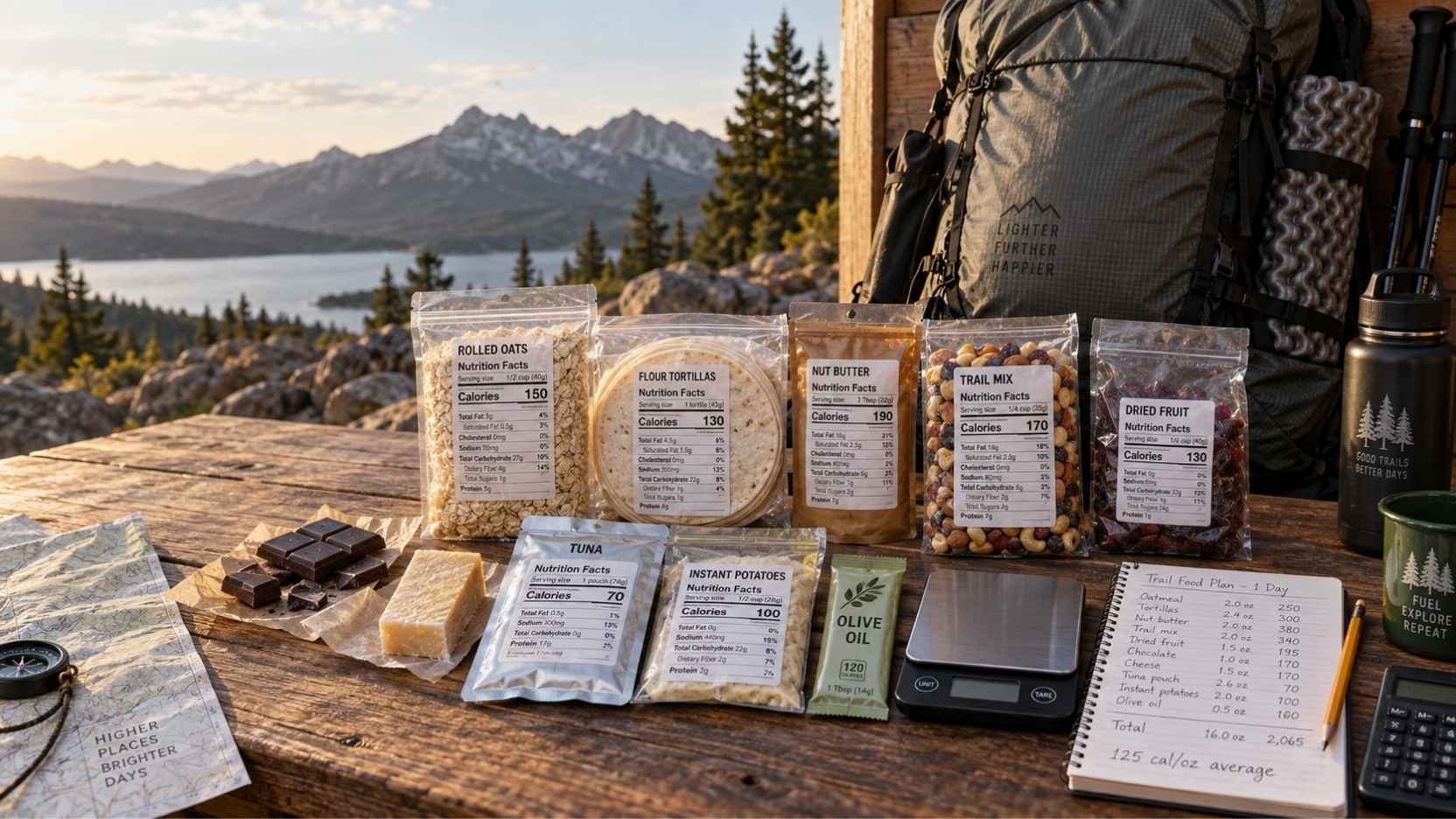
The goal of a good hiking snack system is not to discover the single food with the highest protein number, the cleanest ingredient list, or the most calories per package. It is to build a bag that gives you useful options throughout a long day: quick carbohydrate, calorie density, protein-containing foods, savory contrast, texture variety, and something genuinely enjoyable. 🌲 Once you begin evaluating the whole rotation rather than obsessing over individual snacks, planning food for long hikes becomes considerably more practical.
Before your next trip, spread your snacks on the table and look for repetition instead of simply counting calories or wrappers. If everything is sweet, dry, chewy, and bar-shaped, replace one or two items with something salty, crunchy, soft, fresh when practical, or simply more exciting to eat. Your mile-15 self may care much less about which protein bar won an online ranking and much more about discovering that the bottom of your pack still contains exactly the snack you were hoping for.