Can You Cold-Soak Dried Lentils, Peas And Barley? What Hikers Need To Know
Cold-soaking backpacking food sounds simple: add water to dried ingredients, close your container, and enjoy a meal without carrying a stove or fuel. 🥾 However, hikers browsing supermarket shelves often discover inexpensive dried lentils, split peas, barley, and soup mixes without knowing whether those ingredients can actually be prepared without cooking. The important distinction is that an ingredient becoming soft after soaking does not automatically mean it is properly cooked or ready to eat.
So, can you cold soak lentils, dried peas, or barley and safely eat them on the trail? Ordinary dried legumes generally require cooking, while commercially precooked and subsequently dehydrated products may support cold preparation when their instructions explicitly permit it. Understanding these differences helps backpackers avoid unsuitable groceries, wasted food weight, and unnecessary food safety risks during stove-free trips.
Why Cold Soaking and Cooking Are Not the Same Thing
Cold soaking works by allowing dried food to absorb water, gradually restoring moisture and changing its texture without using a stove. Cooking involves heat, which can soften starches, change protein structures, improve the digestibility of certain ingredients, and reduce naturally occurring compounds that make some raw foods unsafe. Rehydration restores moisture, but it does not necessarily accomplish the changes that cooking provides, regardless of how long an ingredient remains submerged.
This distinction matters because dried foods can have completely different manufacturing histories, even when they look almost identical inside their packaging. A supermarket bag of ordinary dried lentils contains uncooked legumes, whereas commercially precooked dehydrated lentils have already undergone a cooking process before their moisture was removed. 🔍 For cold-soaking backpacking food, the ingredient’s processing history and manufacturer instructions matter more than its appearance, dryness, or advertised convenience.
Can You Eat Dried Lentils After Cold Soaking?
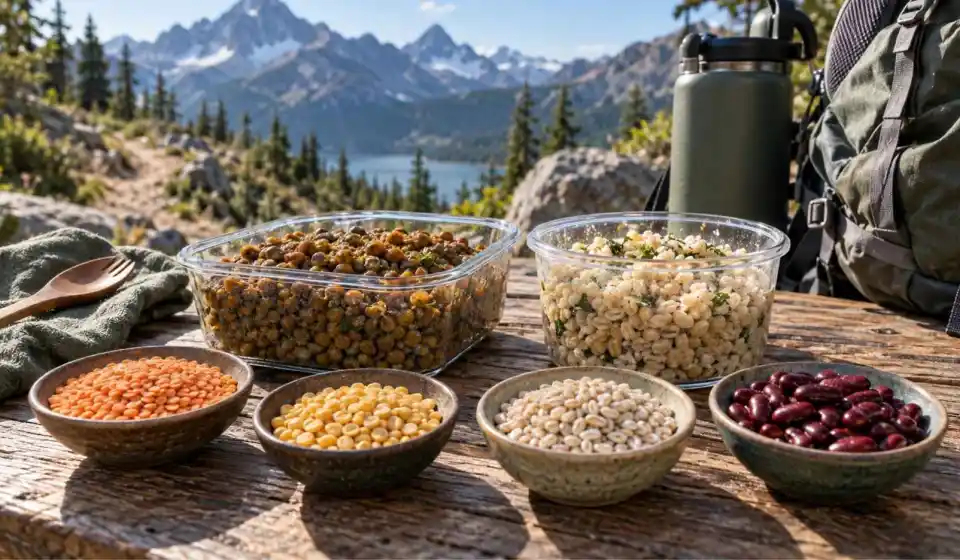
Ordinary dried lentils should be cooked according to their package instructions rather than treated as ready-to-eat food after cold soaking. Although lentils generally cook faster than many whole dried beans, their relatively short cooking time does not mean that extended soaking is an equivalent preparation method. Even red lentils, which soften comparatively quickly because they are usually split and dehulled, should not automatically be considered suitable for no-cook meals.
Commercially precooked dehydrated lentils are different because the manufacturer has already completed the cooking stage before drying the product. These lentils may be appropriate for cold preparation if their instructions specifically allow rehydration with cold water and explain the required preparation conditions. ✅ If the packaging provides only boiling-water or stovetop directions, do not assume that adding cold water and extending the soaking time produces an equivalent result.
What About Dried Peas, Barley and Soup Mix?
Dried split peas and ordinary dried whole peas generally require cooking, making them unsuitable substitutes for commercially prepared cold-soak ingredients. Similarly, dry whole barley, hulled barley, and ordinary pearled barley are generally sold with cooking instructions rather than as ready-to-eat grains. 🌾 Even when prolonged soaking changes their texture, it does not establish that they have undergone the processing required for their intended preparation.
Mixed dried soup ingredients create additional uncertainty because one package may contain raw lentils, split peas, barley, dehydrated vegetables, and seasonings with different preparation requirements. A soup mix containing ingredients that need cooking should be treated as a cooking-required product unless its manufacturer explicitly provides suitable no-cook instructions. Backpackers should examine the complete ingredient list and preparation directions rather than assuming that the words dried, dehydrated, or quick-cooking mean the contents are safe to eat after cold soaking.
Which Backpacking Foods Are Designed for Cold Preparation?
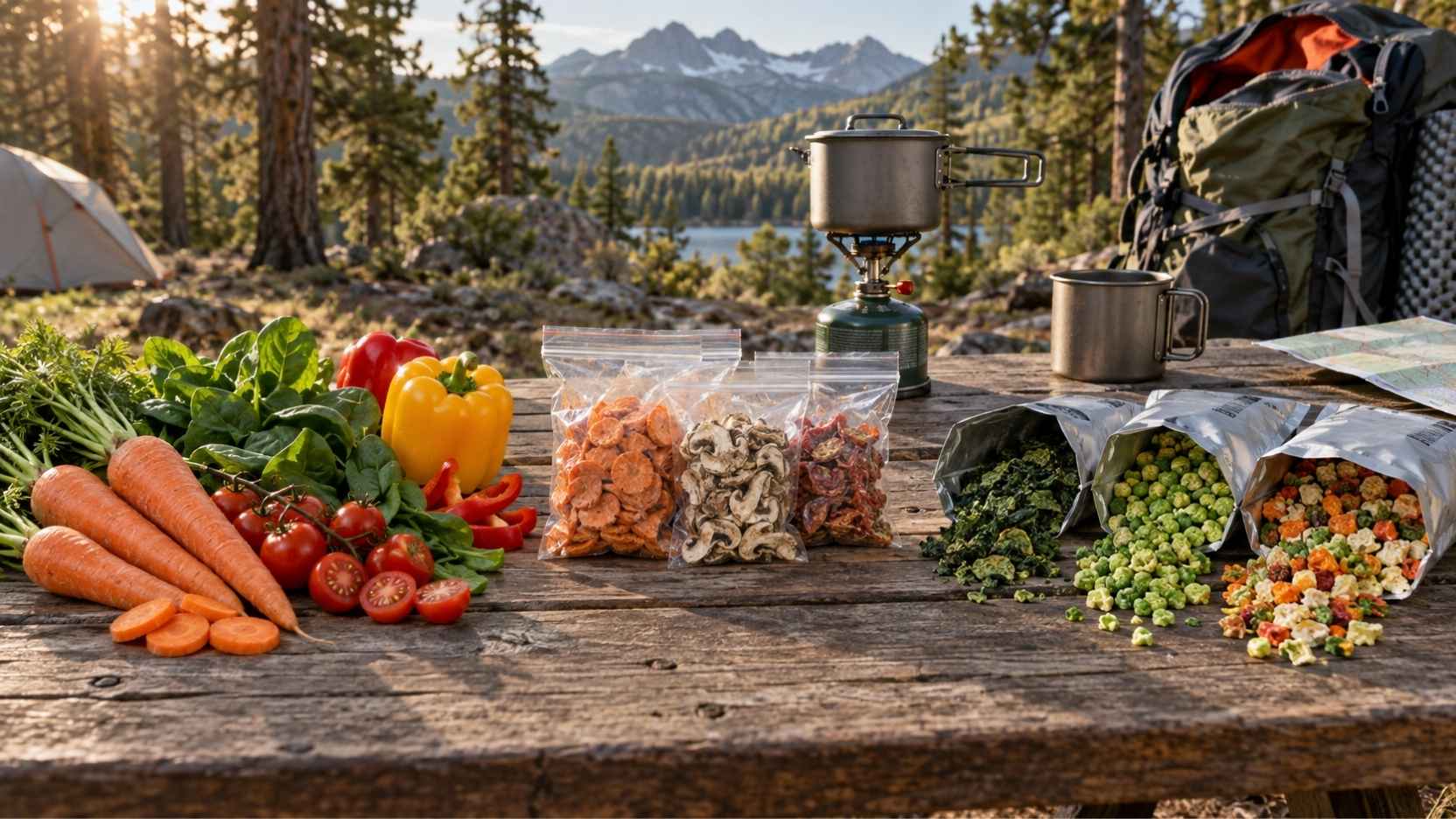
The most practical stove-free ingredients are foods specifically intended for immediate consumption or products whose manufacturers provide validated cold-preparation instructions. Examples include certain commercially cooked and dehydrated beans, ready-to-eat lentil pouches, appropriate instant grain products, and some freeze-dried backpacking meals. However, individual products within these categories can have different preparation requirements, making the package instructions the deciding factor.
Cold-Soak Ingredient Comparison Chart Template
| Ingredient Type | Previously Cooked? | Cold Preparation? | What to Check on the Label |
|---|---|---|---|
| Ordinary dried lentils | Generally no | Not a substitute for cooking | Cooking instructions |
| Precooked dehydrated lentils | Yes | Depends on product | Cold-water rehydration instructions |
| Canned lentils | Yes | Generally ready to eat | Storage after opening |
| Ordinary dried split peas | Generally no | Not a substitute for cooking | Required cooking time |
| Precooked dehydrated peas | Yes | Depends on product | Preparation and storage instructions |
| Ordinary dried barley | Generally no | Generally requires cooking | Stovetop preparation instructions |
| Instant grains | Depends on processing | Depends on product | Whether cold preparation is permitted |
| Ordinary dried kidney beans | No | No | Proper soaking and boiling instructions |
| Precooked dehydrated beans | Yes | Depends on product | Cold-water preparation instructions |
| Ready-to-eat lentil pouches | Yes | Usually, if labeled ready to eat | Heating requirements and storage |
| Instant oatmeal | Usually heat-treated | Often suitable when directions permit | Cold preparation and serving instructions |
| Mixed dried soup ingredients | Depends on ingredients | Do not assume suitability | Complete preparation instructions |
The central rule is to distinguish uncooked dried ingredients from products that have already been cooked and subsequently dried. A product described as instant may still specify hot-water preparation, while a shelf-stable ready-to-eat product may need no rehydration at all. For an uncomplicated backpacking menu, choose foods that explicitly match your available preparation method instead of experimenting with ingredients that require cooking.
A Cold-Soak Food Safety Checklist
Cold soak food safety starts before water enters your container because dry storage conditions and ingredient selection influence how reliably a meal can be prepared. Use potable water, clean food-safe containers, and products with preparation instructions appropriate for your equipment, especially when collecting water from natural sources. 💧 If water safety is uncertain, use an appropriate treatment method before preparing food, and never rely on the soaking process itself to disinfect water or ingredients.
Temperature control also matters because many hydrated foods become more vulnerable to microbial growth after water is added. For foods requiring refrigeration, standard food safety guidance limits unrefrigerated holding to two hours, or one hour when temperatures exceed 90°F (32°C), so overnight soaking in a warm backpack should not be assumed safe. Follow any product-specific preparation and holding instructions, prepare only what you can consume safely, and discard food when its preparation history or storage conditions are uncertain.
Why Dried Kidney Beans Need Special Attention
Raw or undercooked kidney beans contain phytohaemagglutinin, a naturally occurring lectin that can cause serious gastrointestinal illness when consumed in sufficient amounts. Proper preparation requires soaking and adequate boiling rather than simply leaving the beans in cold water, with FDA guidance specifying at least five hours of soaking followed by at least 30 minutes of boiling in fresh water. ⚠️ For stove-free backpacking, choose commercially prepared beans explicitly suitable for cold consumption instead of attempting to make ordinary dried kidney beans edible through prolonged soaking.
How to Choose a No-Cook Protein Source
Hikers searching for no-cook backpacking protein should compare foods using the protein content, calories, serving size, and weight printed on their nutrition labels. Shelf-stable tuna pouches, ready-to-eat beans, roasted edamame, nut butter, and appropriately prepared dehydrated legumes offer different combinations of convenience, protein, and energy. 🥜 Roasted soybeans or edamame can provide substantial protein without preparation, while nut butter supplies both protein and concentrated calories through its relatively high fat content.
A simple comparison starts by calculating how much protein and energy each food provides for the weight you actually carry, including packaging and any water already present. For example, two servings of roasted edamame containing 13 grams of protein per labeled serving would provide 26 grams of protein, although their total calories would depend on the specific product. Choosing several complementary foods also makes it easier to balance protein with carbohydrates for trail fueling and fats for energy density, rather than expecting one cold-soak ingredient to supply everything.
The Bottom Line for Stove-Free Backpackers
Cold soaking is a preparation method, not a replacement for cooking, and ordinary dried lentils, split peas, barley, and kidney beans should not be treated as ready-to-eat foods simply because they absorb water. For convenient stove-free meals, prioritize commercially precooked ingredients, suitable instant products, and shelf-stable ready-to-eat foods whose labels explicitly support your intended preparation method. 🏕️ Before leaving home, test your chosen meals under appropriate storage conditions and verify the instructions so that every ingredient in your pack matches the equipment you actually plan to carry.