Gluten-Free Backpacking Meals: A Complete Menu and Ingredient-Checking Guide
Introduction 🏕️
Backpacking with a gluten-free diet takes a little more planning, but it does not mean giving up satisfying trail meals. You can still enjoy warm breakfasts, filling lunches, comforting dinners, and convenient snacks without relying on ordinary wheat-based pasta, instant noodles, or bread.
The key is to plan around naturally gluten-free ingredients, choose packaged foods carefully, and think about how your meals will be stored and prepared on the trail.
For hikers with celiac disease, this requires extra attention. Even small amounts of gluten from cross-contact can cause problems. A product that appears gluten-free based on its main ingredients may still carry a warning or have been processed in a facility where gluten-containing foods are handled.
This guide covers practical meal ideas, ingredient choices, label-checking habits, and a sample one-day menu to help you plan with confidence.
1. Start With Naturally Gluten-Free Backpacking Staples
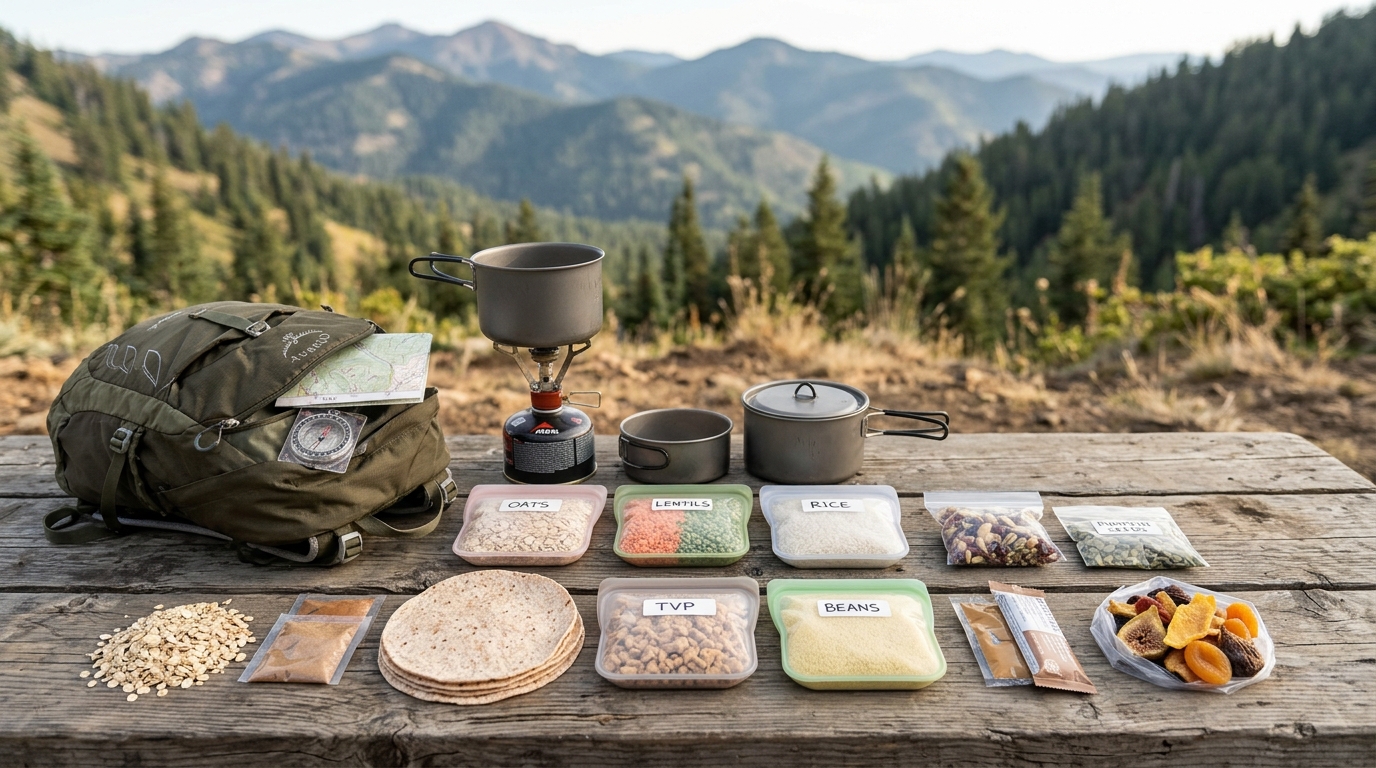
Some of the easiest backpacking ingredients are naturally gluten-free. They can form the foundation of your meals, although packaged versions still need label checks.
Grains and starches
- Rice and instant rice
- Quinoa
- Certified gluten-free oats
- Cornmeal and plain polenta
- Buckwheat groats
- Gluten-free pasta
- Potato flakes
Protein sources
- Plain dried beans and lentils
- Certified gluten-free textured vegetable protein
- Nuts and seeds
- Nut and seed butters
- Plain tuna or chicken pouches
- Freeze-dried meat with verified gluten-free ingredients
Fruits and vegetables
- Dried apples, bananas, and berries
- Raisins and dates
- Freeze-dried vegetables
- Dehydrated mushrooms
- Potato flakes
- Fruit leather with suitable ingredients
Flavor and calorie boosters
- Olive oil
- Plain spices
- Salt and pepper
- Sugar or honey
- Parmesan or other shelf-stable cheese products, where appropriate
- Coconut milk powder with verified ingredients
A useful planning rule is to build meals from simple ingredients first. Then add sauces, seasonings, and packaged extras after checking their labels.
2. Choose Gluten-Free Grains That Work on the Trail
Gluten-free grains can provide carbohydrates and variety without making your food system complicated.
| Ingredient | Backpacking use | Planning note |
|---|---|---|
| Instant rice | Breakfast bowls and dinners | Cooks quickly with hot water |
| Quinoa | Savory bowls and salads | Check cooking time and fuel needs |
| Certified gluten-free oats | Hot breakfast or overnight oats | Ordinary oats may have cross-contact concerns |
| Buckwheat | Porridge and savory meals | Naturally gluten-free despite its name |
| Cornmeal | Quick porridge or polenta | Choose plain products without seasoning mixes |
| Gluten-free pasta | Dinner meals | Cooking time and fuel use vary by brand |
| Potato flakes | Thick soups and mashed potato bowls | Lightweight and quick to prepare |
Important: Buckwheat is not a type of wheat. Despite its name, it is naturally gluten-free. However, packaged buckwheat products should still be checked for possible cross-contact.
For oats, choose products specifically labeled or certified gluten-free. Regular oats are frequently subject to cross-contact during growing, transportation, and processing.
3. Check Packaged Food Labels Carefully
Packaged backpacking food can save time and reduce preparation, but labels deserve attention.
Check the ingredient list for obvious gluten-containing ingredients, including:
- Wheat
- Barley
- Rye
- Triticale
- Malt and malt extract
- Regular couscous
- Ordinary wheat pasta
- Some soy sauces and seasoning blends
Ingredients such as modified food starch, flavorings, and seasonings may require additional clarification depending on the product and the labeling rules in your country.
Do not assume a product is gluten-free just because it contains rice, potatoes, or corn. A seasoning packet, sauce, thickener, or manufacturing process may introduce gluten.
What does a gluten-free label mean?
In the United States, the FDA requires foods labeled “gluten-free” to contain less than 20 parts per million (ppm) of gluten. This standard also applies to foods labeled “no gluten,” “free of gluten,” or “without gluten.”
However, labeling requirements differ between countries. If you buy food outside the United States, check the applicable local rules and the manufacturer’s information.
For hikers with celiac disease, a clearly labeled or certified gluten-free product can make shopping easier, but it is still important to check the complete package and follow current medical guidance.
4. Understand Cross-Contact Before You Pack
Cross-contact happens when gluten-free food comes into contact with gluten-containing food, utensils, surfaces, or equipment.
This is especially important for people with celiac disease, who need to avoid even small amounts of gluten.
Common backpacking risks include:
- Reusing a spoon that touched regular pasta or bread
- Preparing food on an unclean cutting board
- Sharing a pot or cooking utensil without proper cleaning
- Using a shared camp kitchen with leftover food residue
- Storing gluten-free ingredients in containers that previously held wheat-based foods
- Sharing condiment containers or spreads with contaminated utensils
Practical ways to reduce cross-contact
- Clean your cooking equipment. Wash pots, spoons, cups, and utensils thoroughly before preparing gluten-free meals.
- Use dedicated containers. Pack gluten-free ingredients in clean, clearly identified bags or containers.
- Keep food separate. Store gluten-free meals away from loose flour, bread crumbs, and other potential sources of gluten.
- Bring your own utensils. This is particularly helpful when sharing a campsite or cooking area.
- Avoid uncertain shared equipment. If you cannot establish that a cooking surface or utensil is clean, use your own equipment.
For celiac hikers, planning a self-contained cooking setup can reduce uncertainty. A simple routine is often more reliable than trying to investigate every shared kitchen situation on the trail.
5. Build a Simple One-Day Gluten-Free Backpacking Menu
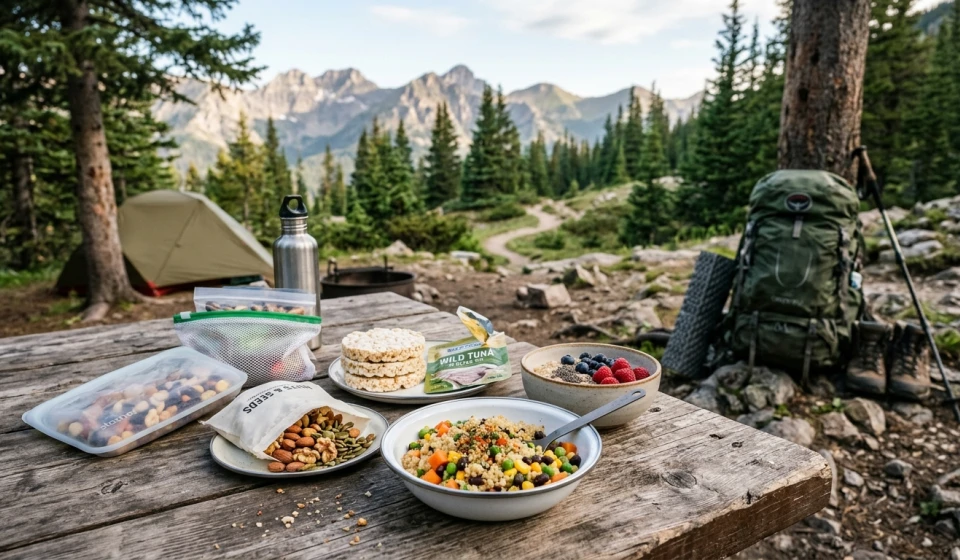
Here is an example of a practical menu using ingredients that can be packed dry or purchased in shelf-stable packaging.
| Meal | Menu | Preparation |
|---|---|---|
| Breakfast | Gluten-free oatmeal with chia seeds, dried blueberries, and peanut butter | Add hot water and let stand |
| Lunch | Rice cakes with tuna pouch and olive oil, plus dried fruit | Assemble without cooking |
| Snack | Nuts, pumpkin seeds, and a banana | Ready to eat |
| Dinner | Instant rice with dehydrated vegetables, certified gluten-free seasoning, and olive oil | Rehydrate with hot water |
| Evening snack | Dark chocolate and dried fruit | Ready to eat |
This is a menu framework, not a fixed nutrition prescription. Actual calories, protein, fiber, and total food weight depend on your portions and the specific products you choose.
For longer trips, repeat the basic structure while changing the flavors and protein sources. This makes shopping and packing easier without eating exactly the same meal every day.
6. Make Gluten-Free Meals More Filling
Gluten-free does not automatically mean high-calorie, nutritious, or filling. Some specialty products are low in fiber or protein, so balance your meals deliberately.
Try these combinations:
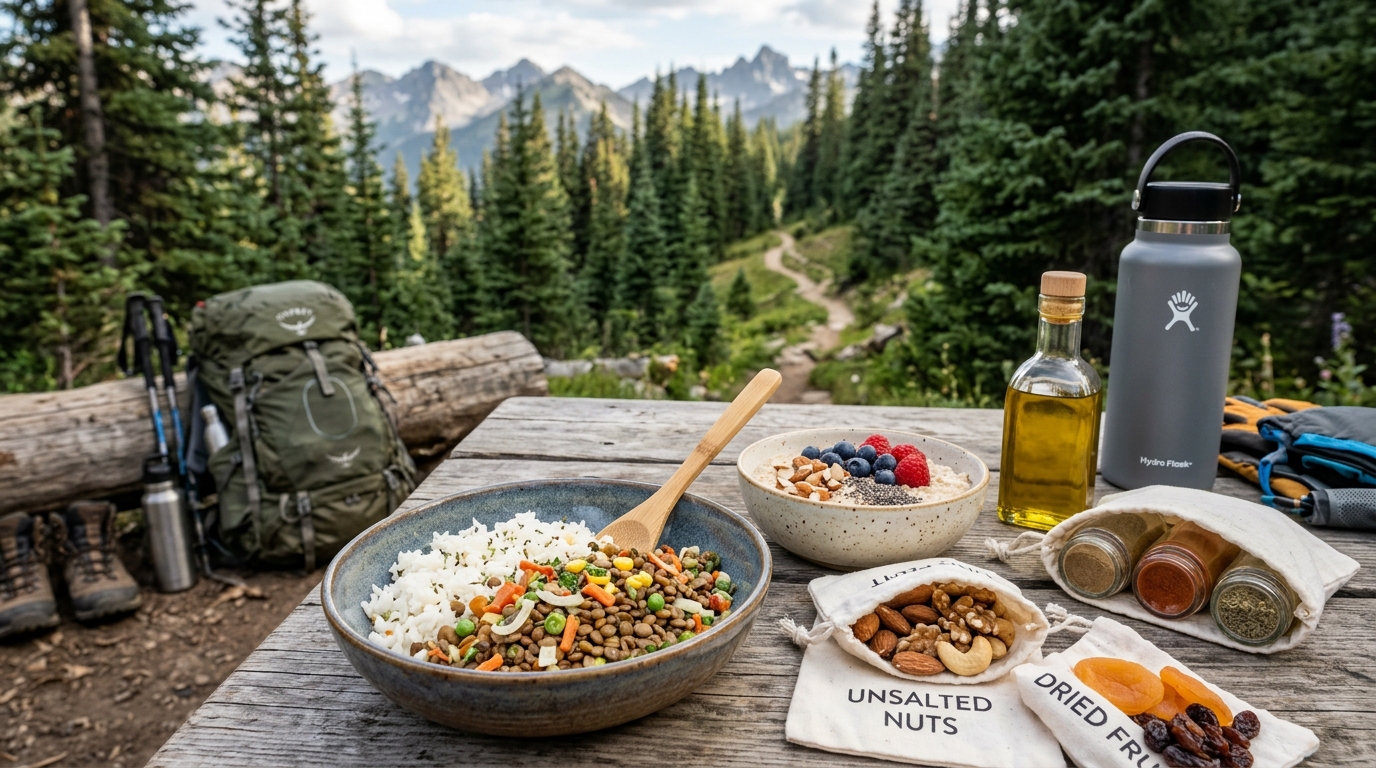
- Rice + lentils + olive oil: A filling base with carbohydrates, plant protein, and added energy.
- Oats + chia + nut butter: A convenient breakfast with fiber and fats.
- Quinoa + tuna + vegetables: A savory meal with protein and variety.
- Potato flakes + cheese + seeds: A quick, comforting dinner or side dish.
- Rice cakes + peanut butter: A simple no-cook lunch or snack.
For demanding hikes, remember that food must provide enough energy for your daily activity. Add portions of nuts, oils, nut butter, or other suitable calorie-dense foods when needed.
If you are increasing fiber through beans, lentils, chia, or whole grains, do it gradually and drink enough water. A sudden increase in fiber during a strenuous trip may cause digestive discomfort.
7. Organize Your Food Before Leaving
A little organization makes gluten-free backpacking easier.
Before the trip:
- Check every packaged ingredient, including sauces and seasoning packets.
- Keep product packaging or photograph ingredient and allergen information.
- Divide meals into labeled daily bags.
- Separate snacks from ingredients that need cooking.
- Calculate portions based on trip length and expected activity.
- Plan how you will clean your cooking equipment.
For a multi-day trip, create one meal bag per day. Label breakfast, lunch, dinner, and snacks so you do not have to inspect every package while tired or hungry.
If you are hiking with a group, tell your companions about your food requirements before the trip. Ask them not to share utensils or food containers without checking for cross-contact.
8. Common Gluten-Free Backpacking Mistakes to Avoid
Assuming all oats are safe: Regular oats may be contaminated during production. Choose certified or clearly labeled gluten-free oats.
Trusting the front of the package: Marketing phrases such as “natural,” “healthy,” or “made with rice” do not establish that a product is gluten-free.
Forgetting seasoning packets: A plain rice meal may be suitable, but its flavor packet may contain gluten.
Ignoring shared cooking equipment: Clean equipment matters, especially when cooking for someone with celiac disease.
Packing too few calories: A gluten-free menu still needs to meet your energy needs for the hike.
Trying unfamiliar foods on the trail: Test new products and recipes at home before depending on them during a long trip.
Final Thoughts 🌲
Gluten-free backpacking is manageable when you plan around suitable ingredients, verify packaged foods, and take cross-contact seriously. Rice, quinoa, certified gluten-free oats, buckwheat, potatoes, beans, nuts, and carefully selected packaged meals offer plenty of options for building a varied trail menu.
For hikers with celiac disease, the most important habit is not simply avoiding obvious wheat products. It is checking labels, understanding manufacturing risks, and keeping cooking equipment and food preparation separate from gluten sources.
A good backpacking menu should be safe for your dietary needs, practical to prepare, satisfying after a long day, and realistic for the weight and space available in your pack. With a little preparation, gluten-free meals can be a dependable part of the adventure.