

Inside the Freeze-Drying Factory: The Journey of a Backpacking Meal
A freeze-dried backpacking meal looks simple when you see it on a store shelf. It may be a colorful pouch filled with pasta, rice, vegetables, meat, or sauce. The instructions might say something as simple as “add water and wait.” But producing that…

From Fresh Ingredients to Trail Food: How Freeze-Dried Meals Are Made
When you tear open a freeze-dried meal on a backpacking trip, it is easy to think of it as nothing more than food in a lightweight pouch. Add hot water, wait a few minutes, stir, and dinner is ready. But behind that simple preparation is a carefully…
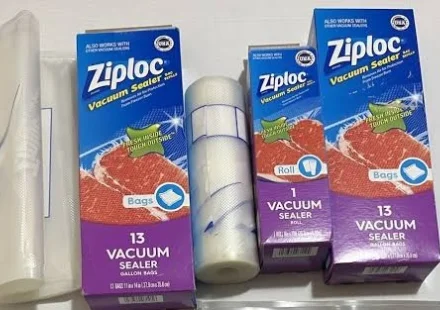
Inside Three Popular Backpacking Food Brands: Mountain House, Backpacker’s Pantry and Peak Refuel
A backpacking meal has to do something that ordinary food does not. It needs to provide enough energy, survive transportation in a backpack, rehydrate reliably, and taste reasonably good after a long day outdoors. Mountain House, Backpacker’s…
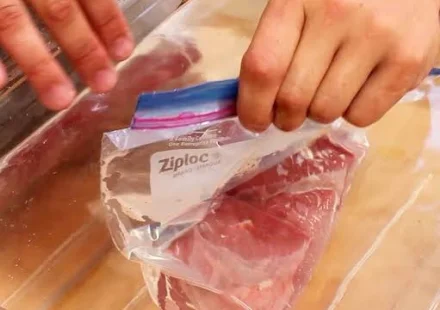
Mountain House vs. Backpacker’s Pantry vs. Peak Refuel: How Their Freeze-Dried Meals Differ
When shopping for backpacking food, three names appear again and again: Mountain House, Backpacker’s Pantry, and Peak Refuel. All three sell lightweight meals designed for outdoor adventures, and all three use freeze-dried food technology. Yet their…
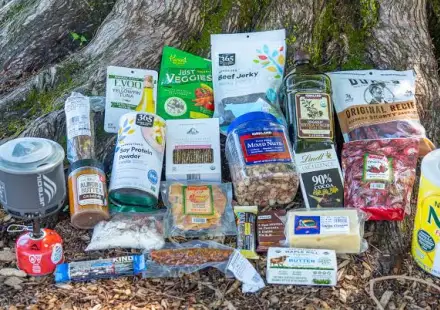
The Real Cost of Freeze-Dried Food: What You Are Paying for in Every Serving
Freeze-dried meals can seem surprisingly expensive. A bag containing pasta, vegetables, chicken, or another complete meal may cost much more than the equivalent ingredients bought at a supermarket. That price difference often leads consumers to wonder…
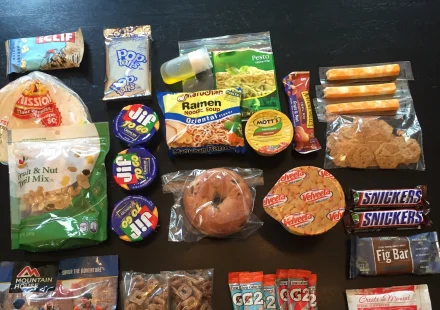
Why Do Freeze-Dried Meals Cost So Much? A Breakdown of the Price Per Serving
If you have ever compared a freeze-dried meal with an ordinary canned meal, dehydrated food, or a home-cooked dinner, you may have experienced some sticker shock. A single freeze-dried entrée can cost several dollars per serving, while similar…
Freeze-Dried Food Nutrition: How Much of the Original Vitamins Actually Remain?
Freeze-dried strawberries, vegetables, meals, and snacks have become increasingly popular among hikers, travelers, emergency-preparedness enthusiasts, and everyday shoppers. One reason is their long storage potential. Another is the belief that…
Does Freeze-Drying Preserve More Nutrition? What the Vitamin Retention Numbers Really Mean
Freeze-dried food is often promoted as a convenient way to preserve the nutritional qualities of fresh food. You may see claims that freeze-drying retains most of the original vitamins, while conventional drying can cause greater nutrient losses. But…
From Heat to Vacuum: The Real Manufacturing Difference Between Dehydrated and Freeze-Dried Food
Walk through a grocery store or outdoor retailer and you will find plenty of foods labeled dried, dehydrated, or freeze-dried. They may all be lightweight and convenient, but the manufacturing processes behind them can be dramatically different. A…
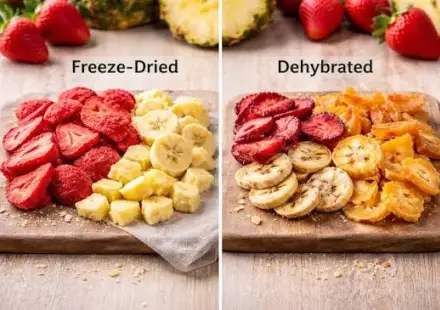
Freeze-Dried vs. Dehydrated Food: What Actually Happens During Each Process
Freeze-dried and dehydrated foods may look similar on a store shelf, but they are made using two very different preservation technologies. Both methods remove water to make food lighter and more shelf-stable, yet the way they remove that water determines…