Freeze-Dried vs Real Food: Which Saves More Water?
Every ounce you carry into the backcountry or stash in your emergency kit comes with hidden costs—water, weight, and decision fatigue. When comparing freeze-dried meals to ready-to-eat wet food, the trade-offs extend far beyond a simple label. This deep dive explores how your choice impacts water usage, pack weight, taste, and nutrition, especially when every drop counts. Whether you’re a thru-hiker, a prepper, or a weekend camper, understanding these dynamics will help you pack smarter.
The Water Footprint of Your Backpack
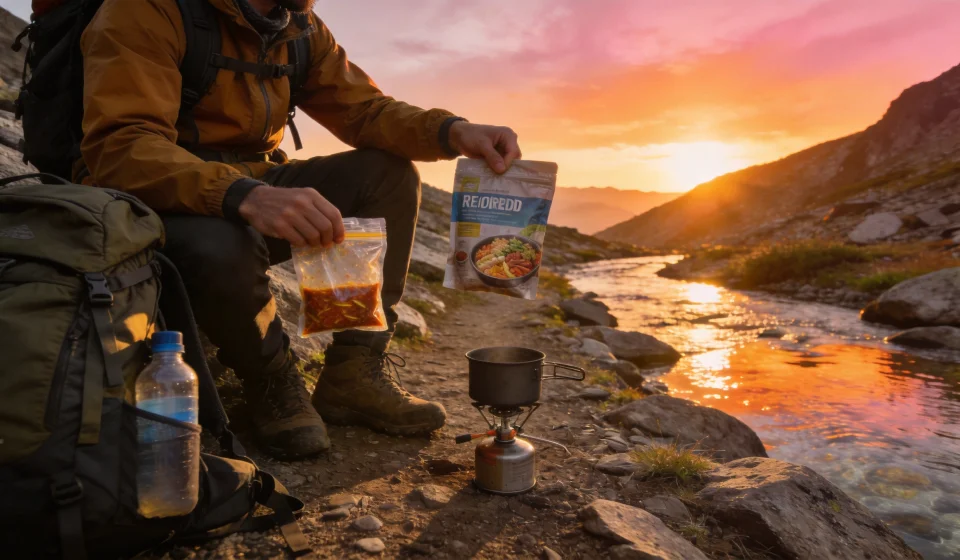
Water is the most critical resource in any outdoor or survival scenario, yet it’s rarely accounted for in meal planning. Freeze-dried meals require you to add water—typically 1 to 2 cups per serving—to rehydrate. That water must be carried from a source, filtered, or boiled, adding not only weight but also time and fuel consumption. In contrast, ready-to-eat wet foods (like canned stews, retort pouches, or MREs) come pre-hydrated and require zero additional water for preparation.
But here’s the twist: the water inside wet food is weight you carry from the start. A typical 8-ounce wet food pouch might contain 5 ounces of water. When you’re walking 15 miles a day, that’s payload you can’t shed. Freeze-dried meals, by removing nearly all water, shift the burden to the moment of consumption—meaning you only carry the water if you’re confident it’s available locally.
“On the Pacific Crest Trail, I’ve seen hikers ditch wet food after day three because the weight penalty wasn’t worth it—even though they loved the taste. Freeze-dried is lighter in the pack, but you’d better be sure there’s water at camp.” — Alex M., long-distance hiker and gear reviewer
The water usage debate isn’t just about quantity; it’s about timing and access. For a detailed comparison, see the table below:
Water Usage Comparison
| Meal Type | Water Needed for Preparation | Water Content in Packaged Food | Net Water Carried |
|---|---|---|---|
| Freeze-Dried (1 serving) | 1–2 cups (240–480 ml) | ~2% (essentially none) | Only if you carry water separately |
| Wet Food Pouch (8 oz / 227 g) | 0 | ~75–80% (170–180 g water) | Included in pouch weight |
| Wet Food Can (15 oz / 425 g) | 0 | ~75–80% (320–340 g water) | Included in can weight |
Weight vs. Water: The Calculus of Carrying
The classic backcountry dilemma: dry food is lighter but demands water; wet food is heavier but needs none. Let’s break down the numbers for a 3-day solo trip.
A typical freeze-dried dinner weighs about 4–6 ounces (113–170 g) per serving. Add 16 ounces (450 g) of water for rehydration, and your total carried weight becomes about 20–22 ounces (567–624 g) per meal—but you can source that water at camp. If water is scarce and you must carry it all, the freeze-dried option loses its advantage.
Wet food pouches average 6–10 ounces (170–283 g) per serving, with no extra water needed. Over three days with three meals per day, the difference adds up:
- Freeze-dried (actually dried weight): ~18 ounces (510 g) total dry food, plus 3 liters of carried water = ~120 ounces (3.4 kg) if you carry all water.
- Wet food: ~24 ounces (680 g) total weight, no extra water = 24 ounces (680 g) total.
- Freeze-dried (using natural water source): ~18 ounces (510 g) total, plus fuel to boil ~3 liters = still far lighter than carrying wet food.
The takeaway: if reliable water exists at camp, freeze-dried wins on weight. If water must be toted for miles, wet food becomes the lighter choice—counterintuitive but true.
The Fuel Factor
Don’t forget the stove and fuel. Boiling water for freeze-dried meals requires a stove (3–6 oz / 85–170 g) and fuel canisters (4–8 oz / 113–227 g). Wet food can be eaten cold, saving that weight. For ultralight trips under 2 days, many hikers skip the stove entirely and bring only wet food. For longer trips, the stove is a fixed cost that can be amortized across many meals.
Taste, Nutrition, and Convenience in Water-Scarce Conditions
When streams run dry or you’re in a desert environment, the decision becomes more than arithmetic—it’s about morale and health.
Taste and Texture
Freeze-dried meals have improved dramatically in the last decade. Brands like Mountain House, Backpacker’s Pantry, and Peak Refuel offer lasagna, pad thai, and even breakfast scrambles that taste surprisingly close to home-cooked. However, the rehydration process can leave some items crunchy or soupy if you misjudge water amounts. Wet food, especially pouches from Good To-Go or Campbell’s Chunky, delivers consistent texture and deep flavor because the moisture is already locked in. In a high-altitude or stressed environment, that familiar taste can be a psychological lifeline.
Nutritional Integrity
Freeze-drying preserves most nutrients, especially when the food is vacuum-sealed. Vitamins A and C are generally well-retained, but some B vitamins can degrade over long storage (2+ years). Wet food, processed at high temperatures, may lose more vitamin C and thiamine, but it often includes preservatives and added fortification. For short-term use (1–7 days), the difference is negligible; for long-term emergency storage, freeze-dried foods have a longer shelf life (25–30 years vs. 2–5 years for canned goods).
Convenience in the Field
When you’re exhausted, thirsty, and hungry, the last thing you want is to wait 10 minutes for water to boil and then another 8–12 minutes for rehydration. Wet food: open pouch, eat. That convenience can’t be overstated, especially in cold weather when hot food is more appealing. That said, freeze-dried meals allow you to add hot water, producing a warm meal that can boost core temperature—a critical factor in hypothermic conditions.
- Wet food pros: No prep, no water needed, eat instantly, consistent texture.
- Wet food cons: Heavy, bulky, limited variety, shorter shelf life.
- Freeze-dried pros: Lightweight, long shelf life, wide variety, can be made hot.
- Freeze-dried cons: Requires water, fuel, stove, cooking time; can be messy if rehydration fails.
Practical Scenarios and Real-World Choices
Let’s apply these trade-offs to common situations. Every trip is different, but these guidelines can help you decide.
Scenario 1: The Weekend Backpacker (2–3 days)
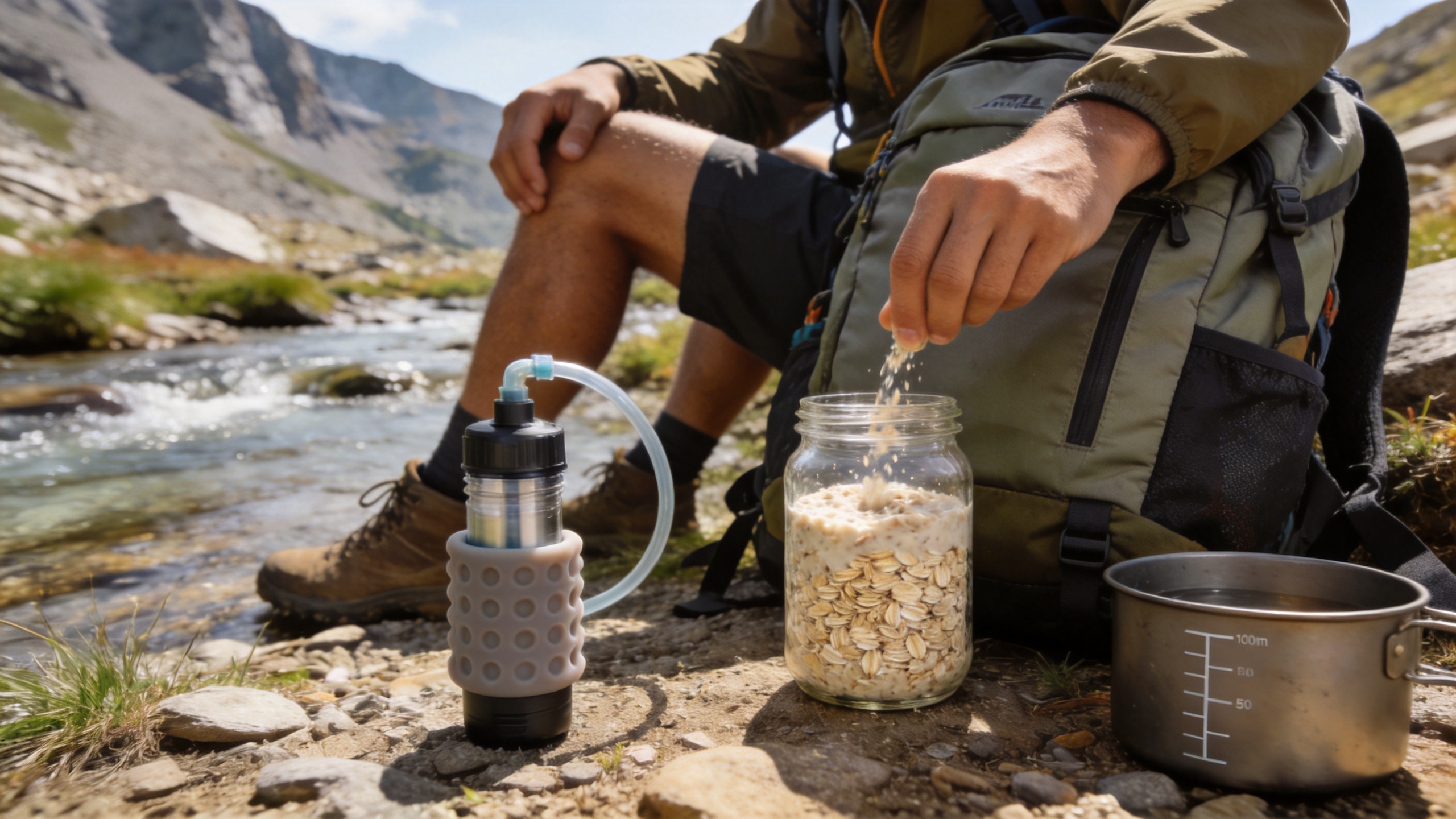
You have access to streams or lakes. Recommendation: Go freeze-dried for dinner and breakfast; bring a few wet food pouches for lunch (no prep, eat on trail). This balances weight with convenience. Example pack: 3 freeze-dried dinners (18 oz total), 2 wet lunch pouches (14 oz), and a small stove (4 oz). Total ~36 oz (1 kg) plus fuel. If water sources are reliable, you’ll carry only 0.5 liters for cooking.
Scenario 2: The Desert Hike (no water source for 2 days)
Every ounce of water you carry must support both drinking and cooking. Recommendation: Switch to wet food entirely for all meals. You’ll eliminate the need to boil water, saving both water weight and fuel. Carry 3 liters of drinking water plus 2 pounds of wet food per day. Your pack will be heavier, but you’ll avoid the risk of arriving at a dry camp with no way to rehydrate.
Scenario 3: Emergency Car Kit (72-hour bag)
Water storage is limited, and you may be stranded without a stove. Recommendation: Mix wet food pouches (no cooking, no water) with a few freeze-dried meals if you anticipate having a heat source. Store at least 1 gallon of water per person per day for drinking and cooking. A single-ounce MSR PocketRocket stove and one small fuel canister can make freeze-dried meals viable—but wet food remains the simpler, fail-safe option.
Scenario 4: Thru-Hiking (1 month+)
Resupply is frequent, but daily mileage is high. Recommendation: Almost exclusively freeze-dried meals. The weight savings compound over thousands of miles. Many thru-hikers mail themselves resupply boxes of freeze-dried food and supplement with tortillas, peanut butter, and summer sausage (wet but calorie-dense). Occasional “town food” provides fresh nutrients, but freeze-dried is the backbone.
Community Discussion Questions
Now it’s your turn—we want to hear from you. Share your experiences and opinions on the following:
- What’s your go-to meal for a dry camp? Do you prioritize taste or weight savings?
- Have you ever regretted a meal choice due to water scarcity? Tell us about a time when freeze-dried backfired—or wet food saved the day.
- How do you handle the weight of wet food on long trips? Do you dehydrate your own meals, or stick to commercial freeze-dried?
- Nutrition vs. convenience: Do you think freeze-dried meals provide adequate nutrition for multi-week trips? Or do they miss essential micronutrients?
- Ultralight hiker perspective: Is a stove worth the weight if you can eat cold wet food? Where’s the cutoff?
“After a near-dehydration incident in the Grand Canyon, I switched to wet food for any trip where I can’t guarantee water every 5 miles. The extra weight is worth the peace of mind.” — Sarah T., Southwest backpacker
Final Thoughts: The Trade-Offs Are Yours to Balance
Neither freeze-dried nor wet food is universally superior—the right choice depends on your route, weather, water availability, and personal preferences. If water is abundant, go light and hot. If water is scarce, go heavy and cold. If you’re uncertain, carry a hybrid kit: a few freeze-dried dinners and a few wet food lunches. The key is to plan ahead, test your gear, and listen to your body when conditions change. The best meal is the one you actually eat—and the one that doesn’t leave you thirsty miles from the next stream.