The No-Cook 3-Day Backpacking Menu for Hikers Who Want a Simpler Pack-Out 🎒🥜
Introduction
A backpacking trip doesn’t have to mean carrying a stove, fuel canister, cooking pot, and a pile of ingredients. For a short trip, a well-planned no-cook menu can simplify your pack-out, reduce cleanup, and help you spend more time hiking and enjoying camp.
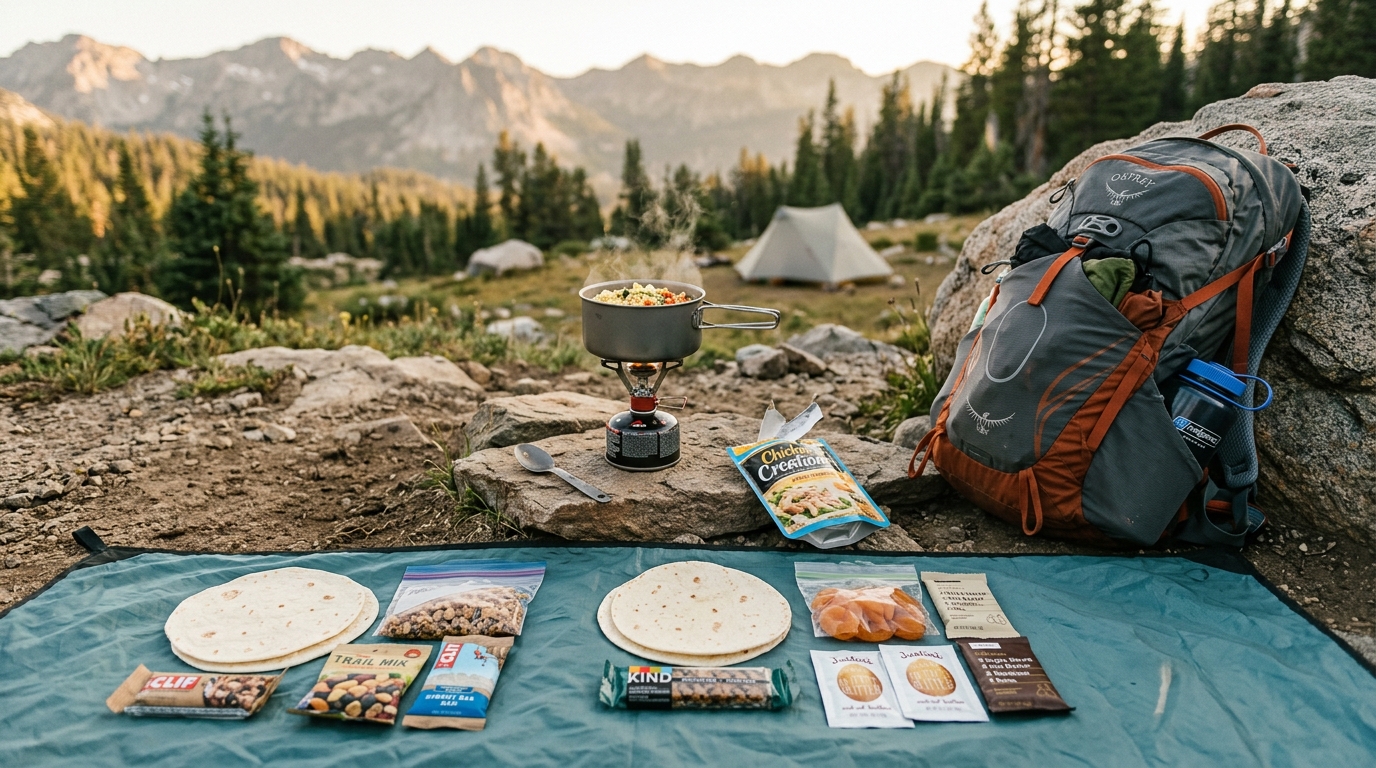
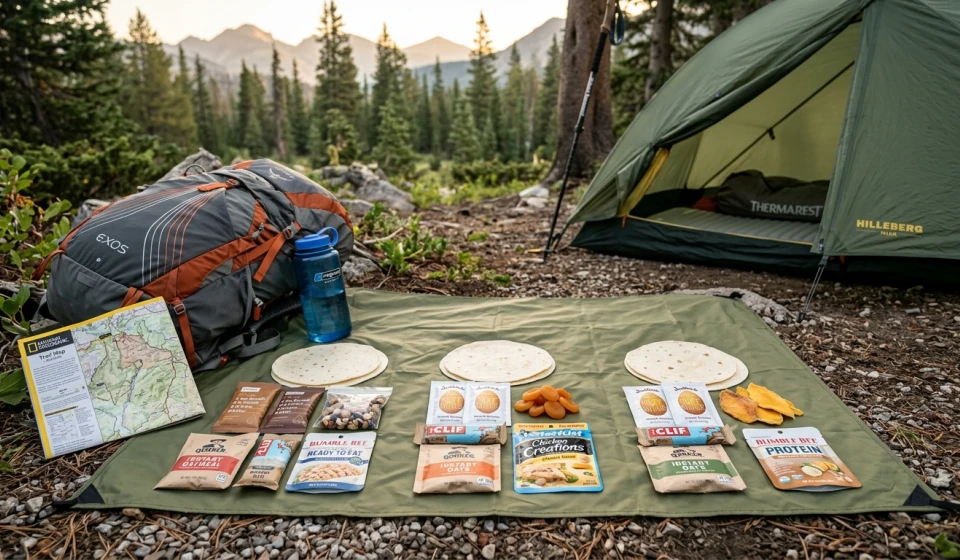
The trick is choosing foods that provide enough energy without requiring cooking or refrigeration. Nuts, tortillas, nut butter, dried fruit, shelf-stable protein, and ready-to-eat grains can all play a role.
This three-day menu is designed for one adult hiker, with three days of food and no cooking required. It includes estimated calories, food weight, and cost, plus practical guidance on water, storage, and food safety.
Keep in mind that calorie needs vary with body size, hiking distance, elevation, weather, and effort. The quantities below are a planning starting point, not a universal nutrition prescription.
🥾 1. The 3-Day No-Cook Menu
This sample menu targets roughly 2,800–3,000 calories per day. Actual values vary by brand and package size, so check nutrition labels and adjust portions to suit your needs.
Day 1
| Meal | Food | Estimated calories |
|---|---|---|
| Breakfast | Instant oats eaten dry or soaked in water, powdered milk, chia seeds, raisins | 550 |
| Morning snack | Trail mix | 300 |
| Lunch | Tortillas, peanut butter, honey | 650 |
| Afternoon snack | Energy bar and dried fruit | 350 |
| Dinner | Tortillas, ready-to-eat tuna pouch, olive oil, dried vegetables | 650 |
| Evening snack | Dark chocolate and nuts | 350 |
| Daily total | 2,850 kcal |
Day 2
| Meal | Food | Estimated calories |
|---|---|---|
| Breakfast | Tortillas, peanut butter, dried banana | 600 |
| Morning snack | Nuts and dried fruit | 300 |
| Lunch | Crackers, shelf-stable cheese if suitable for conditions, tuna pouch | 550 |
| Afternoon snack | Energy bar | 250 |
| Dinner | Ready-to-eat grain pouch, olive oil, tuna or chicken pouch, seasonings | 750 |
| Evening snack | Chocolate and trail mix | 400 |
| Daily total | 2,850 kcal |
Day 3
| Meal | Food | Estimated calories |
|---|---|---|
| Breakfast | Oats, powdered milk, nut butter, dried fruit | 600 |
| Morning snack | Trail mix | 300 |
| Lunch | Tortillas, shelf-stable chicken pouch, olive oil, seasoning | 650 |
| Afternoon snack | Energy bar and dried fruit | 350 |
| Dinner or final trail meal | Peanut butter tortillas, crackers, nuts, or remaining ready-to-eat food | 650 |
| Evening snack | Dark chocolate | 250 |
| Daily total | 2,800 kcal |
These totals are illustrative estimates, not laboratory-calculated values. For an accurate pack-out, add the calories printed on each product label and weigh the exact portions you plan to carry. If your hiking days are long or strenuous, you may need more food.
⚖️ 2. Estimate Your Food Weight, Calories, and Cost
Calories per ounce matter when you’re carrying several days of food. Foods with more fat, such as nuts, nut butter, and olive oil, generally provide more energy per gram than most fresh fruits and vegetables.
For this sample menu, use the following as a rough planning estimate. Prices vary by brand, store, and package size, and the figures below are not a live price quote.
| Day | Calories | Estimated food weight | Estimated cost |
|---|---|---|---|
| Day 1 | 2,850 kcal | 1.4 lb (635 g) | $12–16 |
| Day 2 | 2,850 kcal | 1.5 lb (680 g) | $13–18 |
| Day 3 | 2,800 kcal | 1.4 lb (635 g) | $11–16 |
| Total | 8,500 kcal | 4.3 lb (1.95 kg) | $36–50 |
These weight and cost figures are estimates, not verified measurements. Actual totals can change substantially with product choice, portion size, and packaging. Weigh the exact food you intend to carry and calculate the calories from its labels before leaving.
Remember to distinguish food weight from total pack-out weight. Wrappers, resealable bags, containers, and any extra packaging add weight too.
💡 Ways to make the menu lighter
- Choose calorie-dense snacks such as nuts, nut butter, and dried fruit.
- Transfer foods into durable, food-safe bags when appropriate, keeping required labels and preparation instructions available.
- Use tortillas instead of bread, which can be bulky and easily crushed.
- Bring only the condiments you need, portioned in leakproof containers.
- Avoid packing unnecessary cans when lighter shelf-stable pouches are available.
Don’t reduce food simply to reach a target weight. Carry enough energy for the route, weather, and your personal needs.
💧 3. How Much Water Do You Need?
No-cook meals eliminate cooking water, but they don’t eliminate the need for drinking water.
A useful starting point for many hikers is around 0.5–1 liter per hour of moderate activity, adjusted for heat, exertion, body size, and individual sweat losses. This is only a broad planning range, not a rule for everyone.
Plan separately for:
- Drinking during the hike and at camp.
- Water needed to soak oats or other foods, if desired.
- Water for hygiene and other essential needs.
- Reliable refill points along the route.
If you soak oats, use a leakproof container and only prepare what you can eat safely. You can also eat suitable instant oats dry with other ingredients, although the texture will be different.
Check reliable water sources before departure and carry an appropriate treatment method for water that isn’t confirmed safe to drink. Never assume a stream or spring is safe simply because it looks clear.
🥜 4. Choose Ingredients That Can Handle the Trail
Not every food marketed as convenient is suitable for every trip. Temperature, moisture, crushing, and storage time all affect what you should pack.
- Tortillas: Portable, versatile, and less fragile than sliced bread.
- Nut butter: Energy-dense and easy to spread; single-serving packets help with portioning.
- Nuts and trail mix: Compact snacks that provide energy, fat, and some protein.
- Dried fruit: Adds sweetness and variety without the weight of fresh fruit.
- Ready-to-eat tuna or chicken pouches: Convenient protein options when unopened and stored according to the label.
- Instant oats and powdered milk: Useful for breakfasts when you have water available.
- Energy bars: Easy to eat while moving, although texture can change in hot or cold weather.
- Olive oil: Adds substantial energy in a small quantity, but must be packed in a secure, leakproof container.
Be careful with foods that require refrigeration after opening. Cheese, meat, and other perishable foods can become unsafe in warm conditions even if they seem and smell normal. For a simpler menu, unopened shelf-stable products are often easier to manage.
🧼 5. Food Safety and Wildlife Considerations
A no-cook menu still requires good food-handling practices.
- Follow the label: Check storage instructions, expiration or best-before information, and directions for opened packages.
- Keep hands and utensils clean: Use appropriate hand hygiene before eating or handling food.
- Finish opened pouches promptly: Don’t assume a partially used meat or fish pouch can safely sit in a warm backpack.
- Protect food from moisture: Keep dry ingredients sealed and separate from wet items.
- Pack out all waste: Wrappers, food scraps, and leftover food should leave with you.
In bear country or other wildlife-sensitive areas, follow local food-storage rules. Depending on the destination, this may mean an approved bear-resistant canister, a designated food locker, or another permitted storage method. A lightweight menu does not remove the need for proper wildlife protection.
🎒 6. Pack the Menu So It Is Easy to Use
Organize your food by day rather than putting everything into one large bag. This makes it easier to check your supplies and reduces the chance of accidentally eating tomorrow’s dinner today.
A simple system:
- Label three daily food bags.
- Put each day’s snacks where you can reach them during breaks.
- Keep dinner ingredients together.
- Store foods that could leak separately from dry items.
- Keep all food and scented items secured according to local wildlife guidance.
Before leaving, lay out every item and check the full menu against your calorie target, food weight, and storage needs. A spreadsheet or written checklist can help you catch missing meals and avoid carrying duplicate snacks.
Final Thoughts 🌲
A no-cook three-day backpacking menu can make a short trip simpler by reducing equipment, fuel needs, and cleanup. With tortillas, oats, nut butter, trail mix, dried fruit, and ready-to-eat protein, you can build varied meals from portable ingredients.
The most important step is to verify your calories, weigh your actual food, and plan water and storage for the route you’re hiking. The estimates in this guide are a starting point, not a substitute for checking product labels or assessing your own energy needs.
Pack food you’ll genuinely want to eat, keep it protected, and leave room for flexibility. A lighter, simpler pack is useful only when it still supports a safe and enjoyable hike. 🥾