Vacuum-Sealed vs. Zip-Lock Bags: Does Removing Air Really Make Food Last Longer?
Food storage seems simple until you start trying to keep food fresh for several days or weeks. A common question is whether vacuum sealing is actually better than using ordinary zip-lock bags.
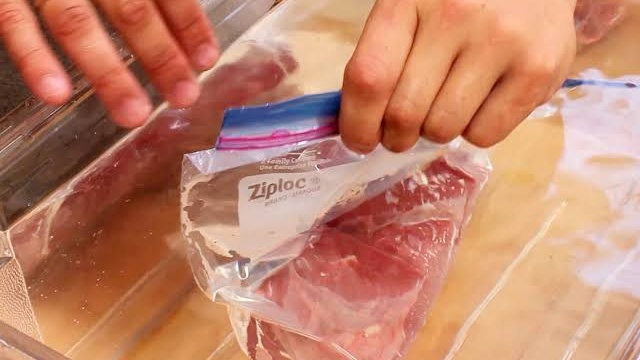
Both methods can protect food from the outside environment, but they work differently. A zip-lock bag mainly creates a physical barrier around food, while vacuum sealing removes much of the air from the package before sealing it.
That difference can affect food quality, freezer burn, oxidation, and storage life. However, vacuum sealing does not make every food shelf-stable or eliminate the need for refrigeration.
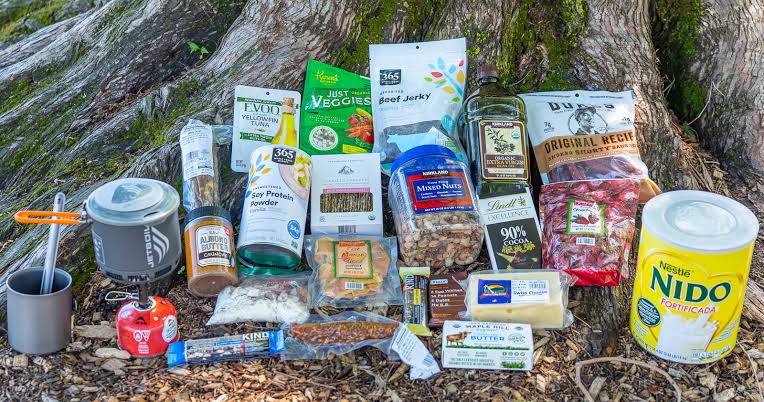
Understanding what each method can and cannot do is especially useful for meal preparation, camping, backpacking, road trips, and long-term food storage.
How a Zip-Lock Bag Protects Food
A zip-lock bag provides a simple layer of protection.
When you place food inside and close the zipper, the bag helps prevent exposure to dirt, moisture from the environment, and physical contact. It can also reduce air exchange compared with leaving food completely uncovered.
However, a typical zip-lock bag still contains a significant amount of air around the food.
That air contains oxygen, which can contribute to oxidation and quality loss in some foods.
For example, oxygen can contribute to flavor changes, color changes, and rancidity in foods containing fats.
A zip-lock bag is therefore useful for short-term storage, organization, snacks, and foods that do not require extended preservation.
What Vacuum Sealing Does Differently
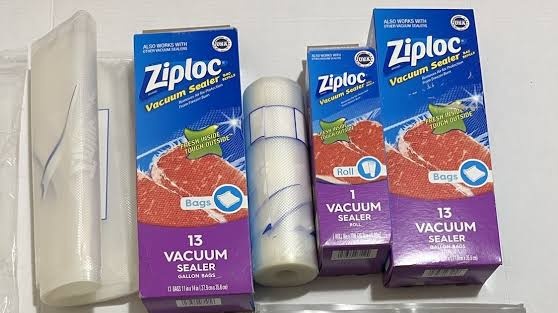
A vacuum sealer removes much of the air surrounding the food before creating a heat seal.
This reduction in oxygen can slow certain forms of food deterioration.
Vacuum sealing can be particularly useful for foods stored in the refrigerator or freezer. It can also reduce the amount of air available for oxidation and help protect frozen food from freezer burn.
The important point is that vacuum sealing changes the packaging environment; it does not stop all biological or chemical processes.
Food still has a limited storage life.
Does Vacuum Sealing Make Food Last Longer?
Often, yes—but the exact amount varies significantly.
There is no universal rule such as “vacuum sealing makes food last five times longer.”
Storage life depends on:
- Type of food
- Initial freshness
- Moisture content
- Temperature
- Packaging quality
- Handling
- Oxygen exposure
- Whether the food is cooked or raw
- Whether it is refrigerated, frozen, or stored at room temperature
A vacuum-sealed steak stored properly in a freezer is a very different situation from vacuum-sealed cooked vegetables sitting in a warm backpack.
The storage method and temperature must always be considered together.
Vacuum Sealing and Refrigerated Foods
Vacuum sealing can be useful for refrigerated foods because it reduces exposure to air and can help preserve quality.
For example, properly handled meat can be portioned and vacuum sealed before being placed in the refrigerator.
However, vacuum sealing does not make refrigerated foods safe indefinitely.
This distinction is extremely important.
Some harmful bacteria can grow in low-oxygen environments. Certain anaerobic microorganisms can present serious food-safety concerns under favorable conditions.
For this reason, vacuum-sealed perishable foods should still be stored at appropriate refrigeration temperatures and used according to established food-safety guidance.
What About Frozen Food?
Freezing is one of the situations where vacuum sealing provides a particularly obvious quality benefit.
Freezer burn occurs when moisture leaves the surface of frozen food and interacts with the surrounding environment. The resulting dry areas can affect texture, color, and flavor.
A vacuum-sealed package can reduce the amount of air surrounding the food and help limit exposure to the freezer environment.
This does not mean vacuum-sealed food will remain perfect forever.
Freezing slows microbial activity but does not necessarily eliminate every quality change. Over time, texture and flavor can still deteriorate.
Vacuum sealing simply gives you a better packaging system for maintaining quality.
Zip-Lock Bags Can Still Be Very Useful
Vacuum sealing is not always necessary.
A zip-lock bag can be ideal for foods you plan to eat within a relatively short period.
Examples include:
- Crackers
- Trail mix
- Dried fruit
- Cookies
- Sandwich ingredients
- Snacks
- Dry pasta
- Nuts
- Portions of cereal
For these foods, the convenience of a zip-lock bag may outweigh the advantages of vacuum sealing.
Zip-lock bags are inexpensive, reusable in some situations, lightweight, and easy to open repeatedly.
Backpacking Applications
Packaging matters even more when you are carrying food into the wilderness.
Vacuum-sealed foods can be compact because removing air reduces package volume.
This can help with space efficiency in a backpack.
Vacuum sealing can also reduce leakage and protect food from moisture when the seal remains intact.
However, vacuum sealing should not be treated as a substitute for refrigeration.
If you vacuum seal cooked chicken and place it in a warm backpack for several days, the package is not automatically safe.
The temperature of the food remains critical.
For backpacking, vacuum sealing works best as part of a broader food-storage strategy.
Vacuum-Sealing Dry Foods
Dry foods can also benefit from reduced air exposure.
Foods such as:
- Rice
- Pasta
- Dried beans
- Flour
- Nuts
- Dehydrated vegetables
- Dried fruit
may be packaged in ways that reduce oxygen exposure and help maintain quality.
However, moisture control remains essential.
Vacuum sealing a food that contains significant moisture does not transform it into a shelf-stable product.
For long-term room-temperature storage, use foods and packaging systems specifically designed for that purpose.
Zip-Lock vs. Vacuum Seal: A Practical Comparison
A zip-lock bag is primarily about convenience and basic protection.
A vacuum-sealed bag provides a tighter package with substantially less air.
For short-term snacks, zip-lock bags are usually convenient.
For freezer storage, vacuum sealing can provide better protection against freezer burn and air exposure.
For meal portioning, either method can work depending on how long the food will be stored.
For backpacking, vacuum sealing can save space, but temperature-sensitive foods still need appropriate temperature control.
For long-term storage, neither method should be assumed sufficient by itself. Food type, moisture, oxygen exposure, packaging materials, and storage temperature all matter.
Does Double-Bagging Help?
Double-bagging can provide additional physical protection.
For example, you might place a vacuum-sealed package inside a zip-lock bag when carrying food in a backpack.
This can protect the primary package from punctures and provide an additional barrier against leaks.
It does not necessarily double the food’s shelf life.
The main advantage is improved physical protection rather than a simple multiplication of storage time.
The Biggest Mistake to Avoid
The most dangerous misunderstanding is thinking that removing oxygen eliminates the need for temperature control.
It does not.
Vacuum sealing can reduce oxidation and improve packaging, but it does not make perishable foods safe to leave at room temperature indefinitely.
If a food requires refrigeration, continue refrigerating it after vacuum sealing.
If a food requires freezing, continue freezing it.
Packaging is part of food preservation, not a replacement for appropriate storage temperatures.
Final Thoughts
Vacuum sealing and zip-lock bags are both useful food-storage tools, but they serve different purposes.
Zip-lock bags are simple, inexpensive, and convenient for everyday food organization and short-term storage.
Vacuum sealing removes much of the air around food and can provide significant benefits for refrigerated and frozen foods, particularly by reducing oxidation and helping prevent freezer burn.
But there is no universal number of days or weeks that vacuum sealing adds to a food’s life.
The best way to think about vacuum sealing is as a quality-preservation and packaging technique, not a guarantee of food safety.
Combine the right packaging method with proper refrigeration, freezing, hygiene, and handling, and you can keep food fresher for longer while avoiding the common misconception that a sealed bag makes perishable food shelf-stable.