Vacuum Sealing vs. Zip-Lock Storage: Comparing Food Freshness, Shelf Life, and Safety
Choosing between a vacuum sealer and a zip-lock bag may seem like a minor kitchen decision. But if you regularly meal-prep, freeze meat, store bulk ingredients, or prepare food for camping and backpacking, the difference can become significant.
A zip-lock bag is simple and convenient. A vacuum-sealed package removes much of the air around the food and creates a tight seal.
So does vacuum sealing actually make food last longer?
In many situations, it can extend quality life, particularly in the refrigerator or freezer. But the exact benefit depends on the food and storage environment. Vacuum sealing also has important limitations that every home cook and outdoor enthusiast should understand.
What Happens When Food Is Exposed to Air?
Air contains oxygen, and oxygen can affect food in several ways.
Some foods oxidize relatively quickly. Cut fruits may brown. Foods containing fats can develop rancid flavors over time. Frozen foods exposed to air can develop freezer burn.
Air can also carry moisture in and out of food packaging.
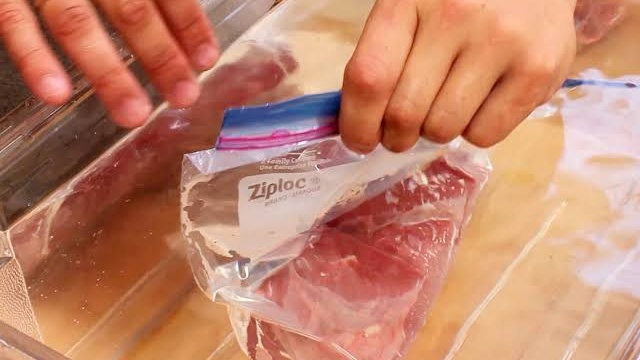
A zip-lock bag reduces exposure compared with an open container, but it generally leaves a pocket of air around the food.
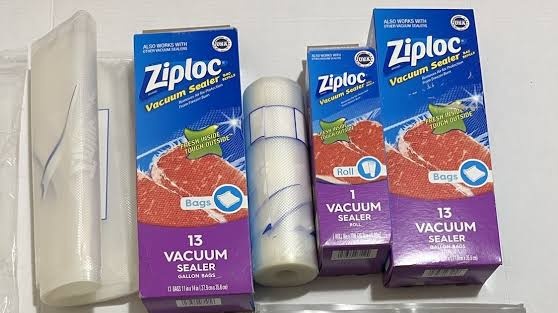
Vacuum sealing attempts to remove much of that air.
This is the central difference between the two systems.
The Main Advantage of Vacuum Sealing
The primary advantage is reduced air exposure.
When food is tightly vacuum sealed, there is less oxygen around the product. This can help slow certain quality changes.
Vacuum sealing is particularly useful when food will be stored in a freezer.
A properly sealed package can reduce air contact and help protect the food from moisture loss.
This is especially valuable for meat, fish, poultry, and other foods that are vulnerable to freezer burn.
How Long Does Vacuum-Sealed Food Last?
There is no single shelf-life number.
It is tempting to compare a zip-lock bag and vacuum-sealed bag and say that one always lasts a certain number of days longer.
Real food storage does not work that neatly.
For example, the difference between the two methods can be significant for frozen meat because reducing air exposure can preserve quality.
For dry snacks, the difference may be much less important because the food may already be naturally stable.
For fresh produce, vacuum sealing may affect texture and should not automatically be considered beneficial for every item.
Storage temperature remains one of the most important variables.
Refrigerator Storage
Vacuum sealing can be useful for portioning refrigerated foods.
You can divide a large package of meat into individual portions, seal each portion, and refrigerate or freeze it.
This can reduce handling and make meal preparation easier.
However, vacuum sealing does not make refrigerated food immune to bacterial growth.
In fact, low-oxygen environments can favor some microorganisms that are different from those commonly associated with oxygen-rich environments.
Therefore, vacuum-sealed foods that require refrigeration should remain properly refrigerated.
Always follow appropriate food-safety storage recommendations and the manufacturer’s instructions where applicable.
Freezer Storage
The freezer is where vacuum sealing often shows its most practical advantage.
Imagine two pieces of meat.
One is placed in a loosely closed zip-lock bag with a significant amount of air trapped inside. The other is vacuum sealed tightly.
Over time, the first package may develop more freezer burn.
The vacuum-sealed package can provide better protection from air exposure and moisture loss.
That can mean better texture and flavor when the food is eventually thawed.
The food does not become permanently preserved, but its quality can often be maintained more effectively.
Dry Foods: Zip-Lock May Be Enough
For dry foods, the benefits of vacuum sealing may be smaller.
Consider trail mix.
If you plan to eat it within a few days, a good zip-lock bag is probably sufficient.
The same can be true for crackers, pretzels, cookies, and other dry snacks.
In these cases, convenience matters.
Zip-lock bags are easy to open, close, label, portion, and carry.
If the primary goal is simply keeping food organized and protected during a short trip, a vacuum sealer may add unnecessary complexity.
Vacuum Sealing for Backpacking
Backpackers have another reason to consider vacuum sealing: space.
Removing air can make certain foods more compact.
This can be useful when every cubic inch of pack space matters.
Vacuum-sealed portions can also provide protection against spills and help keep food contained.
However, hikers need to distinguish between packaging and preservation.
A vacuum-sealed bag of cooked food is still perishable.
If it requires refrigeration, it still needs refrigeration.
A vacuum-sealed package carried inside a warm backpack for two or three days should not be assumed safe simply because the seal remains intact.
Vacuum Sealing Does Not Replace Dehydration
This distinction is particularly important for outdoor food.
Dehydration removes much of the moisture from food. Vacuum sealing primarily removes air.
These are completely different preservation mechanisms.
A dehydrated meal may be shelf-stable because its moisture content has been reduced sufficiently and it has been properly processed and packaged.
A vacuum-sealed fresh meal still contains its original moisture.
Removing air does not remove that moisture.
This is why vacuum sealing alone does not turn fresh meat, cooked vegetables, or other perishable foods into backpacking food that can safely sit unrefrigerated for days.
Which Foods Benefit Most?
Vacuum sealing can be particularly useful for:
Frozen meats:
It can help reduce freezer burn and preserve quality.
Fish and seafood:
Tight packaging can reduce air exposure, although proper refrigeration or freezing remains essential.
Bulk foods:
Portioning and sealing can make storage more convenient.
Hard cheeses:
Vacuum packaging can reduce air exposure and help maintain quality when used appropriately.
Dry ingredients:
Vacuum sealing can help protect certain dry foods from oxygen and moisture, provided the packaging and storage conditions are appropriate.
But not every food should automatically be vacuum sealed.
Foods That Need Special Consideration
Some foods can be compressed by vacuum sealing, which may affect texture.
Soft bread, delicate pastries, and some fruits and vegetables may become crushed or damaged.
Moist foods can also require special handling.
If a food is intended for room-temperature storage, it should be preserved using a validated method appropriate for that food rather than relying on vacuum sealing alone.
What About a Zip-Lock Bag With Most of the Air Pressed Out?
You can manually squeeze air out of a zip-lock bag before closing it.
This can reduce the amount of air inside, but it generally will not achieve the same level of air removal as a vacuum sealer.
For everyday storage, however, this can be perfectly practical.
If you are packing snacks for a weekend hike, manually removing excess air may help save space.
It is simply important not to confuse this with professional or commercial vacuum packaging.
A Useful Rule for Choosing Between Them
Use a zip-lock bag when convenience, accessibility, and short-term storage are the priorities.
Use vacuum sealing when reducing air exposure, protecting frozen food, portioning bulk foods, or saving package volume is important.
Use refrigeration or freezing whenever the food requires temperature control.
Use dehydration or another validated preservation method when the goal is to make appropriate foods shelf-stable.
No single packaging method solves every food-storage problem.
Final Thoughts
Vacuum sealing can help food stay fresher longer, but its greatest benefits are related to reducing air exposure and protecting food quality.
Zip-lock bags remain excellent for everyday storage, short trips, dry snacks, and food organization.
For frozen meat and other foods vulnerable to freezer burn, vacuum sealing can provide a substantial packaging advantage.
For backpacking, vacuum sealing can reduce bulk and protect individual portions, but it should never be mistaken for refrigeration.
The most important principle is simple: packaging and temperature control work together.
A vacuum-sealed food stored under the correct conditions can maintain quality for longer than the same food in a poorly sealed bag. But if a food is perishable, changing the packaging does not eliminate its need for safe temperatures.
Choose the storage method based on the food, how long you plan to keep it, and where it will be stored. That approach is far more reliable than assuming that removing air automatically makes food last indefinitely.