

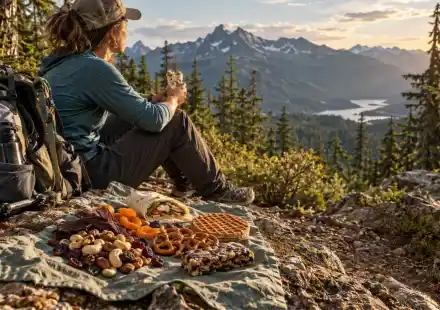
Stop Packing Six Protein Bars: Build a Hiking Snack Rotation You’ll Still Want at Mile 15
The Best Hiking Snack Can Become The Worst One By Mile 15 Packing six protein bars sounds efficient because they are compact, easy to count, and require absolutely no preparation, but efficiency at the kitchen counter does not guarantee that the sixth…
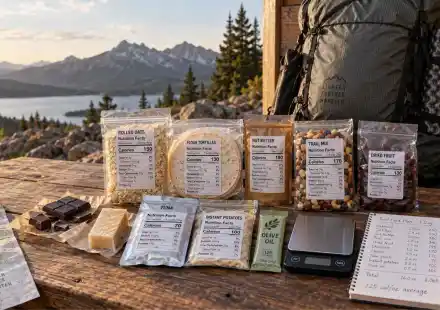
Stop Chasing the Highest-Calorie Food: Build a 125-Cal/Oz Backpacking Menu Instead
Backpacking food planning often becomes a contest to find the most calories for the least weight. 🎒 Calories per ounce matter because food can become one of the heaviest consumables in a multi-day pack, but one aggressive cutoff for every item can make a…
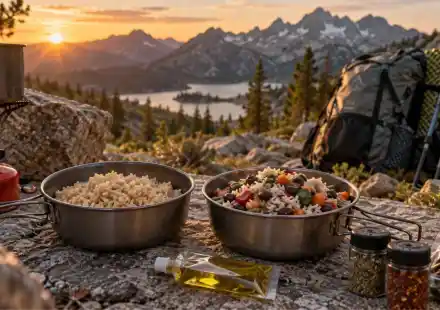
White Rice + Beans vs Brown Rice: Which Makes the Better Backpacking Meal?
Introduction — The Wrong Question Is “Which Rice Is Healthier?” For backpackers, the useful question is not simply whether brown rice or white rice is “healthier,” because trail food must solve several problems at once. A meal needs enough energy,…
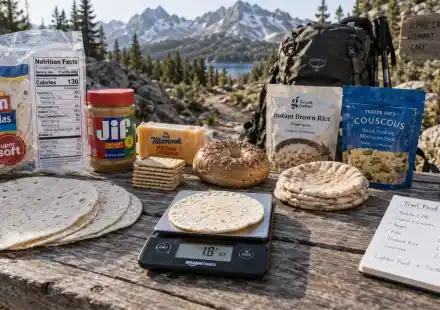
Are Tortillas Actually Good Backpacking Food? The Calories-Per-Ounce Test
Tortillas seem almost perfectly designed for backpacking: they are flat, flexible, relatively durable, require no cooking, and can turn peanut butter, cheese, beans, tuna, or leftovers into something resembling a real meal. 🥾 That convenience explains…
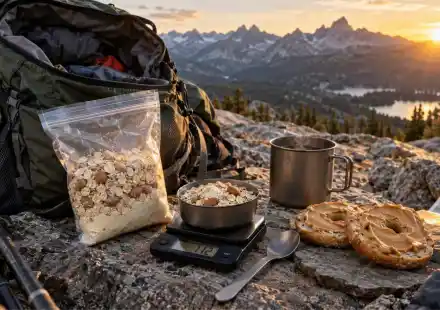
Oatmeal vs Bagels for Backpacking Breakfast: Which Gives You More Calories per Ounce?
Why Bagels Suddenly Feel Heavy In A Backpack A bagel looks like ideal trail food because it is familiar, ready to eat, and easy to pair with peanut butter, but several bagels can become surprisingly bulky once they enter a backpack. Part of the problem…
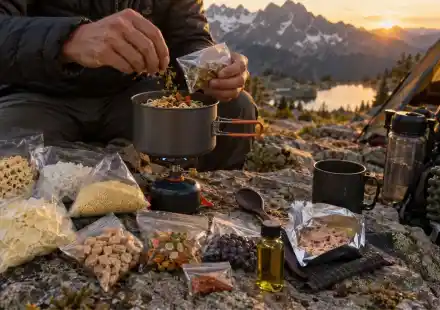
Stop Replacing Ramen: How to Upgrade Cheap Backpacking Meals With Better Ingredients
Why Backpacking Meals Become So Repetitive Backpacking meals get repetitive because hikers are solving several problems at once: food must be light, shelf-stable, affordable, easy to cook, and worth the ounces carried. Instant ramen, rice, couscous, and…
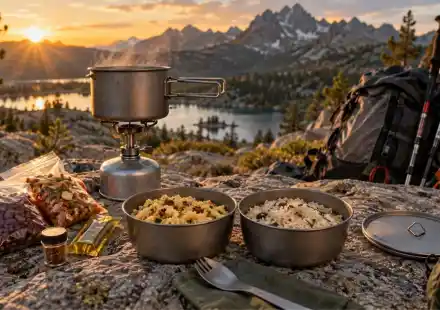
Couscous vs Instant Rice for Backpacking: Which Gives You More Calories for the Fuel?
When backpackers compare dinner foods, calories per ounce usually receive most of the attention because every ounce has to travel up the trail with you, but food weight is only half of the efficiency equation. A dry ingredient that looks excellent on a…
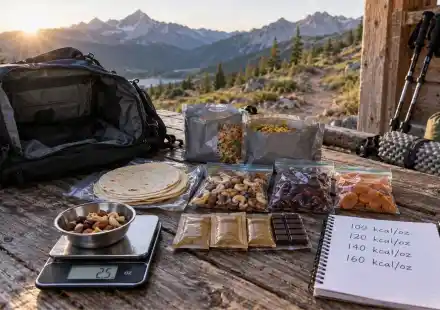
The 140 Cal/Oz Backpacking Menu: How Calorie Density Changes What You Pack
A backpacker can pack 3,500 calories for a day and still end up carrying dramatically more food weight than another hiker eating exactly the same number of calories. The difference is calorie density, usually expressed as calories per ounce, and it is…
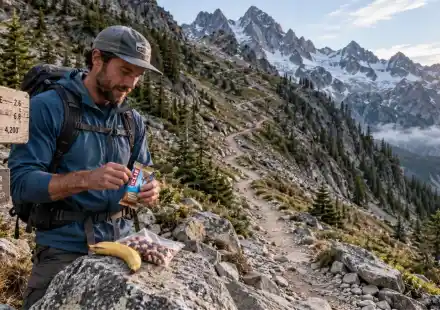
Should You Eat Before the Climb? Fuel Timing for Long Uphill Hiking Sections
A long uphill section creates a surprisingly practical food problem: your body may be ready for a snack at the exact moment you least want to stop eating. 🥾 When you are climbing steadily, breathing becomes more demanding, your pace settles into a…
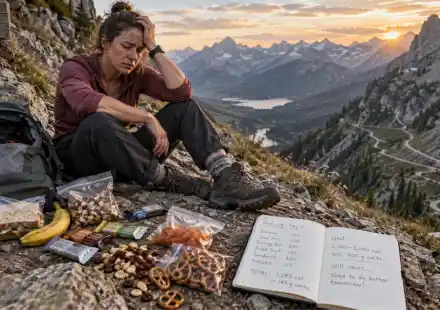
You Ate All Day—So Why Did You Still Run Out of Energy? The Math Behind Random Trail Snacking
Why “I Ate Plenty” Tells You Almost Nothing 🥾 A hiker can snack from sunrise to afternoon and still finish feeling flat, slow, or mentally drained. The problem is that “I ate all day” describes frequency, not quantity, and says nothing about how many…