

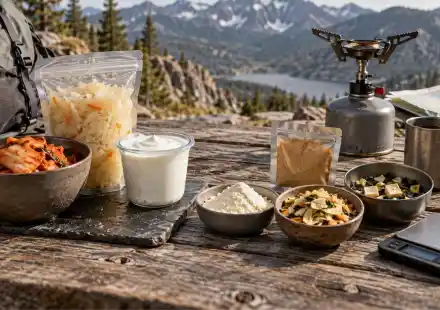
Can Fermented Foods Go Backpacking? Kimchi, Miso, Yogurt, Sauerkraut, and Trail-Safe Alternatives Compared
Fermented foods sound surprisingly compatible with backpacking because fermentation is historically connected with food preservation, yet the modern grocery-store versions of kimchi, yogurt, kefir, sauerkraut, miso, and kombucha do not all behave like…
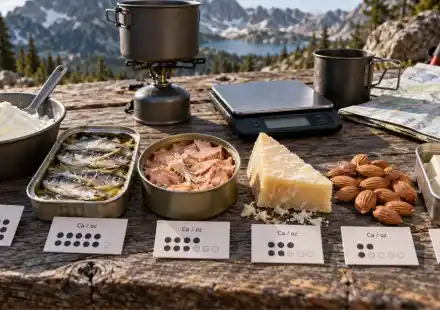
Sardines vs Salmon vs Powdered Milk: Which Trail Food Packs the Most Calcium per Ounce?
Why serving-size comparisons can mislead backpackers A nutrition label can tell you how much calcium is in a serving, but a backpacker has another question: how much calcium am I carrying for every ounce in my food bag? A food that looks impressive per…
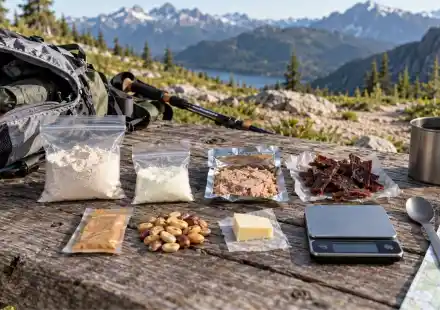
Protein Powder vs Real Trail Food: Which Gives Backpackers More Protein per Ounce?
Why Backpackers Need A Different Protein Comparison At home, protein foods are often compared by grams per serving, but backpackers have another constraint: every serving has to ride in the pack. A food can look impressive at 20 grams of protein per…
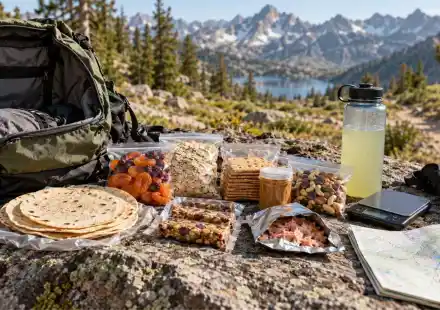
Brain Fuel on the Trail: What Actually Powers Your Mind During a Long Hiking Day?
Introduction: The Problem With “Brain Food” on the Trail When a hike lasts eight or ten hours, it is tempting to search for one snack that will supposedly keep your mind sharp. 🥾 A better trail question is whether you packed enough total energy, enough…
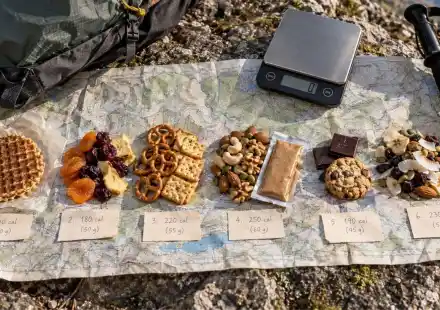
Stop Eating the Same Bar All Day: Build a 6-Snack Backpacking Rotation by Calories and Macros
Backpacking snack ideas work better when they solve a planning problem instead of filling your food bag with six similar bars. A useful hiking snack rotation spreads calories across the day while changing flavors, textures, and the main macronutrients…
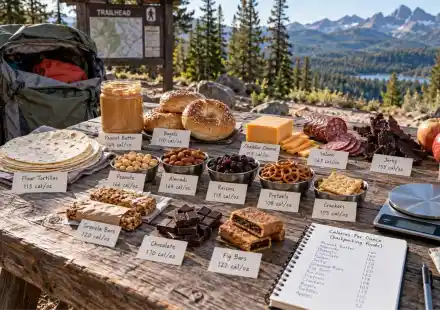
You Don’t Need “Hiking Food”: 20 Grocery Store Foods That Work on the Trail
Walk through an outdoor store and it is easy to believe every hike requires specialized energy gels, freeze-dried meals, performance bars, and packages covered in mountain graphics, but ordinary supermarket shelves already contain dozens of foods that…
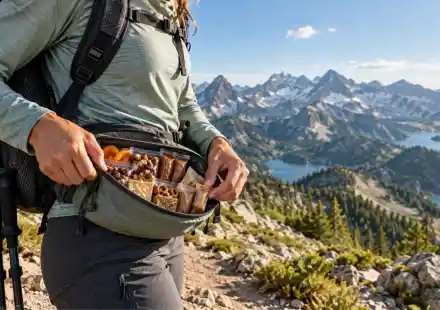
No Appetite on a Long Hike? Build a Micro-Snacking Plan Instead of One Big Lunch
A long hiking day can make normal eating feel strangely inconvenient: the trail is moving, your pack is on, the next climb is waiting, and a full lunch may sound less appealing than it did at home. Instead of assuming you must stop for one large midday…
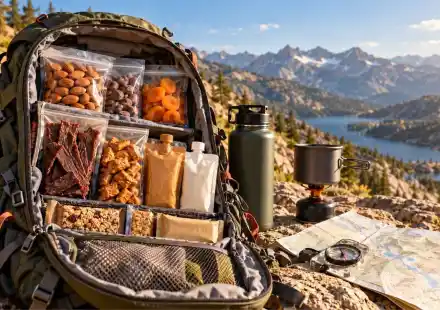
Hiking Snacks That Don’t Melt: What to Pack When the Trail Gets Hot
Why Temperature Changes Your Snack Choices Hot-weather hiking changes snack selection because the trail is not a climate-controlled pantry. A food that is tidy at home can soften, leak oil, fuse to its wrapper, or turn into crumbs after hours in a warm…
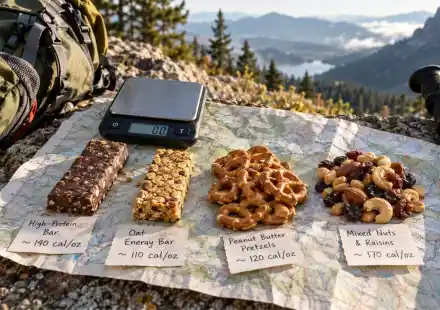
Protein Bars vs Trail Snacks: Are You Carrying Protein—or Useful Calories?
Protein bars are easy to pack, easy to count, and marketed with numbers that look impressive, especially 18 g or 20 g of protein per bar. 🥾 That makes protein bars for hiking seem automatically better than pretzels, dried fruit, nuts, candy, or a…
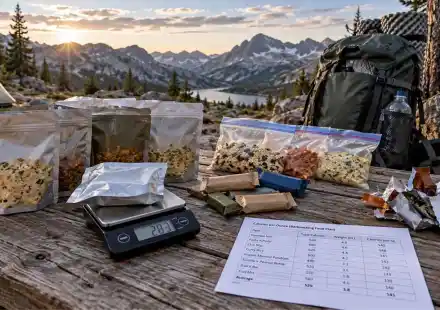
Your Backpacking Food Is Lighter Than You Think—Until You Count the Packaging
Backpacking food math usually starts with calories, ounces, and calories per ounce, but it often leaves out something still sitting inside your pack: the packaging. 🥾 A meal may contain 4 ounces of food, yet its wrapper, pouch, label, and extra storage…