
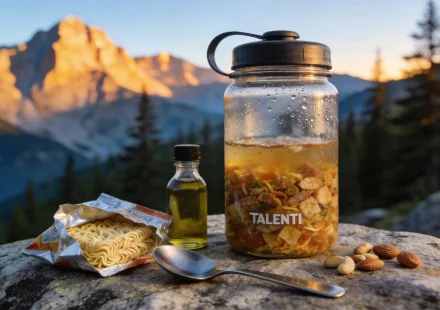
The Best High-Calorie Cold-Soak Meals for Thru-Hikes
When you’re grinding out 25-mile days on the Pacific Crest Trail or the Appalachian Trail, every ounce in your pack matters. Stoves, fuel canisters, and cook pots add weight that could be better spent on extra food or a lighter shelter. Enter…
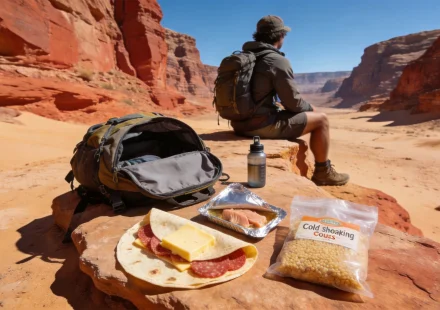
10 Low-Water Backpacking Meals for Dry Trips
10 Low-Water Backpacking Meals for Dry Trips Water is the heaviest luxury you carry in the backcountry. On dry trips—whether you’re traversing Utah’s slickrock, the Arizona Trail, or the high desert of Oregon—every ounce of water you pack…
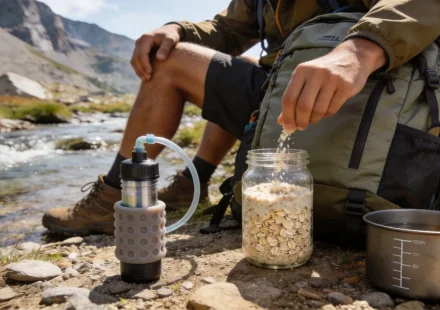
How to Save Water on Backpacking Meals: A Guide
Water is the heaviest item in your pack, yet most backpackers carry far more than they need by wasting it on meals. This guide breaks down the difference between cooking water and hydration water, then shares field-tested techniques like cold-soaking,…
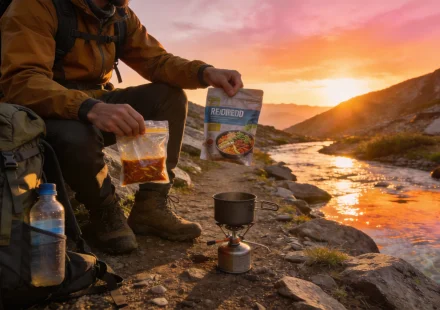
Freeze-Dried vs Real Food: Which Saves More Water?
Every ounce you carry into the backcountry or stash in your emergency kit comes with hidden costs—water, weight, and decision fatigue. When comparing freeze-dried meals to ready-to-eat wet food, the trade-offs extend far beyond a simple label. This deep…
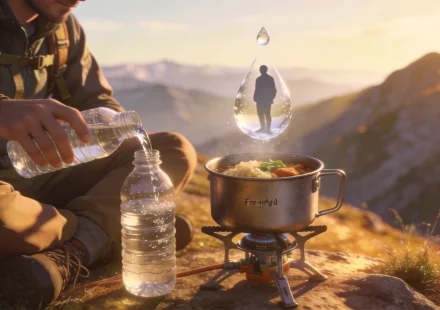
The Truth About Water Needs on Backpacking Trips
Every seasoned backpacker has heard the warning: “Freeze-dried meals demand extra water, so you’ll be carrying a heavier pack.” It sounds logical—add water to powder, and you’ve increased your liquid load. But this well‑intentioned advice is…
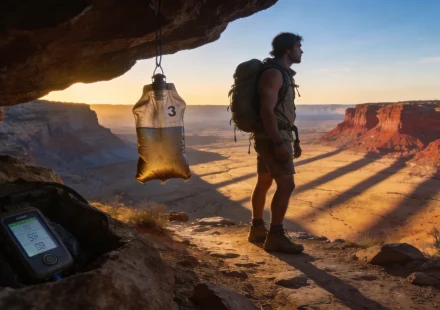
Ultralight Backpacking in Dry Environments: Water Tips
Imagine this: you’re 15 miles into a sun-baked canyon in the Southwest, your 3-liter bladder is dry, and the next cache is still a ridge away. In dry environments, water isn’t just weight—it’s life support. This guide moves beyond basic “carry more…
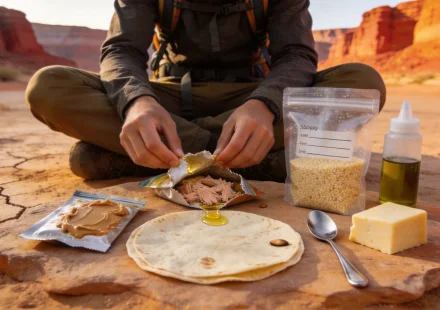
Best No-Cook Backpacking Foods for Water Scarcity
No-Cook Backpacking Foods for Water Scarcity When you’re backpacking through a dry canyon or a high desert trail, every liter of water counts. Carrying a stove means packing extra fuel and more water for cleanup—two luxuries that vanish when water…
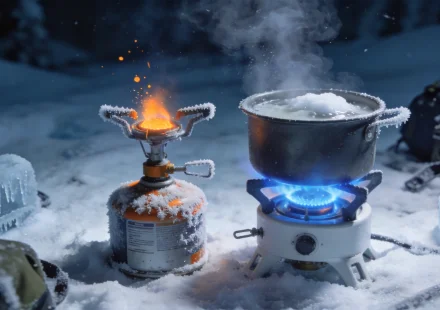
Winter Camping Stoves: Canister vs White Gas Showdown
When the mercury drops below freezing, the choice between canister and white gas stoves becomes a matter of safety, efficiency, and sanity. Winter camping in the backcountry demands a reliable heat source for melting snow and cooking meals, and picking…
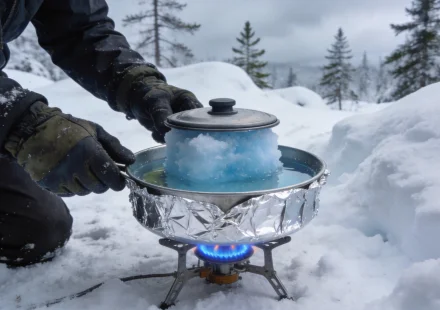
10 Essential Tips for Melting Snow Efficiently in Winter
When you’re stranded in a snow-covered wilderness or simply trying to melt snow for drinking water during a winter power outage, every ounce of fuel and minute of time counts. Melting snow efficiently isn’t as simple as tossing a scoop into a…
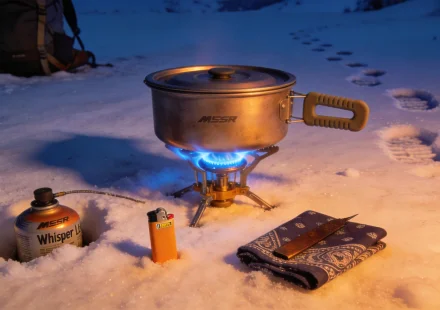
Ultralight Winter Cook Kit: What to Pack for Snow Camping
Ultralight Winter Cook Kit Introduction Snow camping transforms a simple overnight into a sub‑alpine expedition. Cooking in sub‑freezing temperatures demands gear that is both ultralight and brutally reliable. A single stove failure or a pot that won’t…