
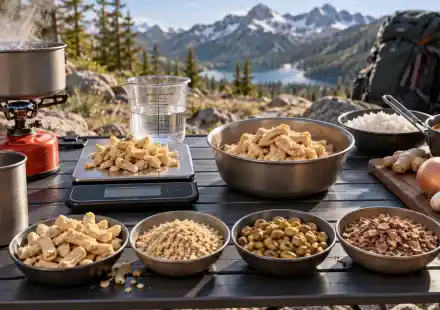
Soy Curls for Backpacking: Protein, Calories, Rehydration Time & Pack Weight Explained
Dry plant proteins look almost perfect for backpacking: they are lightweight before preparation, easy to portion, and can add meaningful protein without carrying cans, refrigerated foods, or water-heavy ingredients. 🌱 Soy curls for backpacking are…
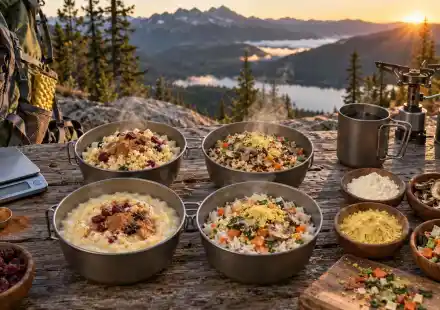
Couscous Vs Quinoa Vs Grits Vs Instant Rice: Which Makes The Best Trail Breakfast?
Oatmeal owns the backpacking-breakfast conversation, but it is far from the only lightweight carbohydrate base that can start a morning on the trail. 🥣 Couscous, quinoa, instant grits, and instant rice can all become sweet or savory breakfasts, yet they…
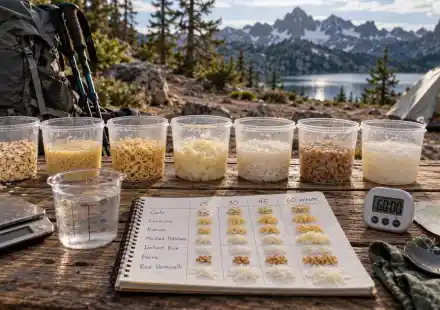
Cold-Soak Time Chart: How Long Do Oats, Couscous, Ramen, Potatoes, Farro, and Rice Actually Need?
Cold soaking sounds almost too simple: put dry food in a container, add water, keep hiking, and return later to something resembling dinner. 🥣 The problem is that “later” might mean 10 minutes for one food and more than an hour for another, while some…
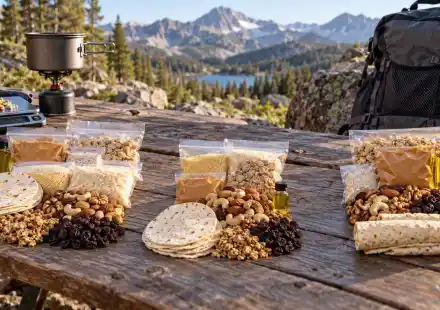
Can A Vegan Backpacking Menu Reach 150 Calories Per Ounce? A 3-Day Food-Bag Test
A vegan backpacking food bag can contain plenty of calorie-dense ingredients, so 150 calories per ounce sounds achievable until you try building an entire breakfast, lunch, snack, and dinner system around that number. 🥜 Peanut butter, nuts, seeds, olive…
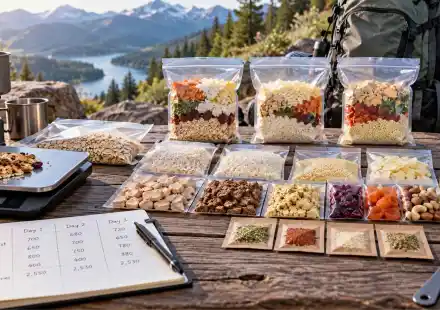
Same Trail Food Every Day? The Science and Logistics of a Simple Backpacking Menu
A backpacking food plan does not need a different breakfast, lunch, and dinner for every day. Repeating a small group of meals can simplify calorie math, grocery shopping, portioning, and resupply, especially when you want a predictable daily food target…
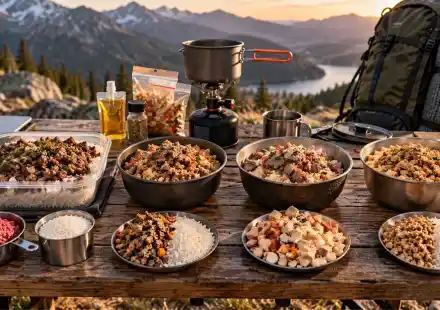
Beef and Rice for Backpacking: Calories, Weight, and the Better Trail Version
Why Beef And Rice Works Differently At Home And On Trail Beef and rice is ordinary home food, which is exactly why it makes such a useful backpacking nutrition experiment. 🍚 At home, the water absorbed by cooked rice and retained in cooked beef barely…
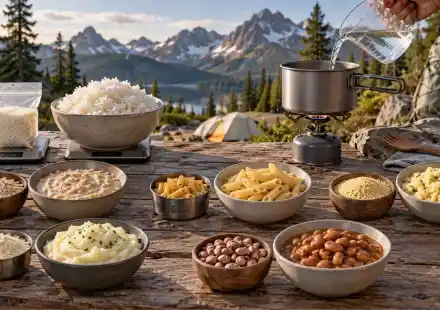
Cooked vs Dry Weight: The Backpacking Food Measurement Mistake That Changes Everything
A cup of cooked rice and a cup of dry rice are not remotely the same amount of food, yet nutrition discussions often compare them as though they were interchangeable. 🍚 For backpackers, that confusion can completely distort calorie-per-ounce calculations…
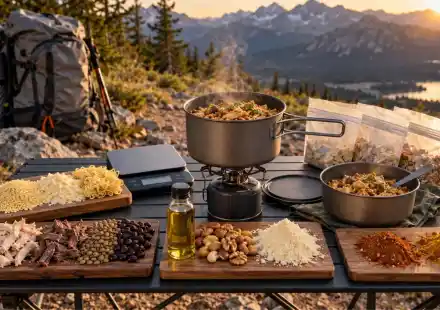
The One-Pot Trail Meal Formula: How to Build a Complete Backpacking Dinner Without a Recipe
Backpacking dinner does not need to mean carefully following a recipe while measuring five ingredients beside a tiny stove after hiking all day. 🥾 A much simpler approach is to build every dinner from the same four pieces: carbohydrate base + protein…
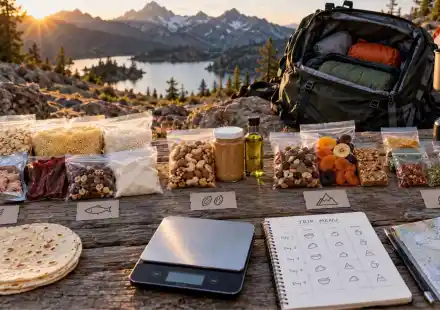
Simple Trail Food vs A Perfect Meal Plan: Why Flexible Food Systems Are Easier To Pack
A perfectly calculated backpacking menu can look impressive on a spreadsheet, yet become surprisingly fragile once weather, appetite, resupply options, cooking time, or food preferences change on the trail. 🎒 If every meal depends on one specific…
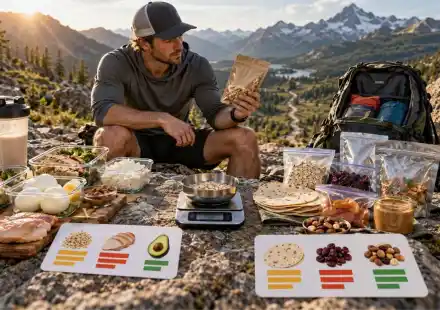
Why Hikers Can’t Copy Bodybuilder Macros: What Changes on an Endurance Day
A macro split that looks perfectly reasonable for someone organizing meals around gym sessions does not automatically translate into a good backpacking food plan. 🥾 A hiker may spend many consecutive hours walking, climbing, descending, and carrying a…