

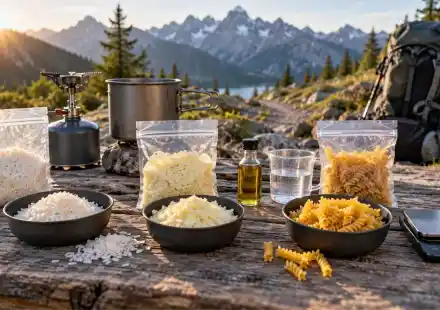
Rice vs Potatoes vs Pasta for Backpacking: Which Gives You More Calories For The Weight?
When backpackers compare dinner staples, rice, potatoes, and pasta seem almost interchangeable because all three are inexpensive, carbohydrate-heavy foods that can form the base of a filling meal. 🍚🥔🍝 Once pack weight enters the equation, however, the…
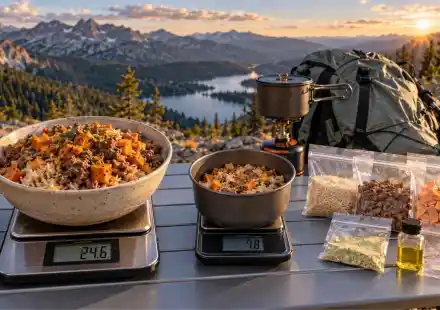
Can Monster Mash Become Backpacking Food? The Calories-Per-Ounce Test
Monster Mash sounds almost perfect for hungry hikers: rice, ground meat, sweet potato, broth, and seasoning packed into one substantial meal. 🍚 The problem appears when a recipe designed for meal-prep containers has to travel ten miles inside a backpack,…
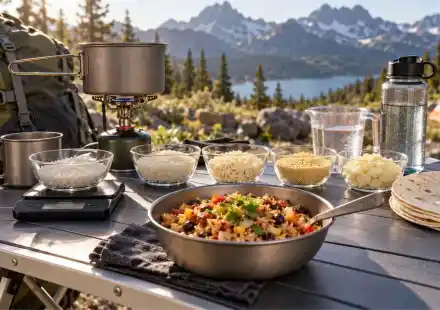
White Rice Is Easy Calories—But Is It Actually Good Backpacking Food?
White rice seems almost perfectly designed for a high-calorie eating plan because it is mostly carbohydrate, inexpensive, easy to portion, and capable of absorbing whatever flavors surround it. 🍚 Those qualities explain why rice appears so often in…
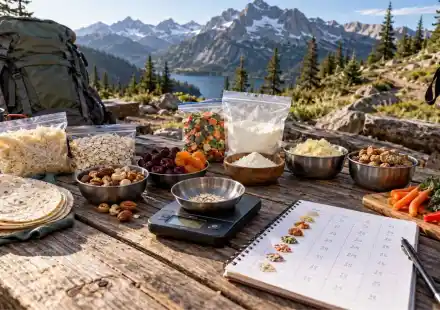
Vertical Diet Principles for Backpackers: What Actually Transfers to the Trail?
The Vertical Diet was created for strength and performance-focused athletes, but some of its broader ideas sound surprisingly relevant to hikers: eat enough total energy, cover important nutrients, and choose foods that work well for the individual. 🥾…
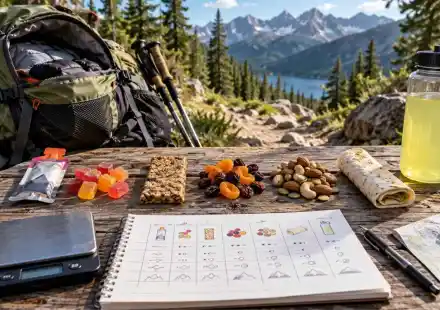
Energy Gel Fatigue Is Real: Why Your Trail Fuel Plan Needs More Than One Texture
Energy gels solve a real trail problem: they are compact, easy to portion, quick to open, and can deliver carbohydrate without requiring cooking or much chewing. But a backpacking menu built almost entirely around gels can look much better on a…
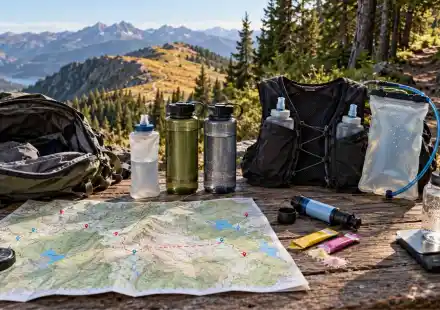
How Much Water Should You Carry? The Trail Math Behind Bottle, Belt And Vest Capacity
A 500 mL bottle can be perfectly adequate on one four-hour hike and dangerously inadequate on another, which is why asking “How much water do I need for four hours?” does not have a useful universal answer. 💧 Distance matters, but so do hiking speed,…
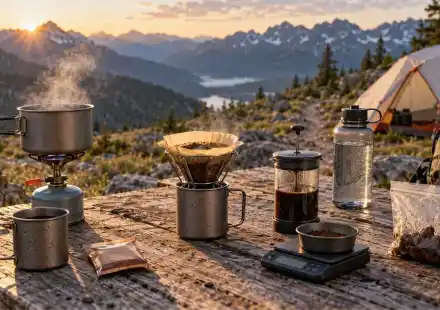
The Hidden Cost of Trail Coffee: Water, Stove Fuel, Time and Wet Grounds
A packet of coffee may weigh almost nothing, which makes morning coffee seem like an insignificant part of a backpacking load until you count everything required to turn those grounds or crystals into a hot drink. ☕ Water, stove fuel, brewing equipment,…
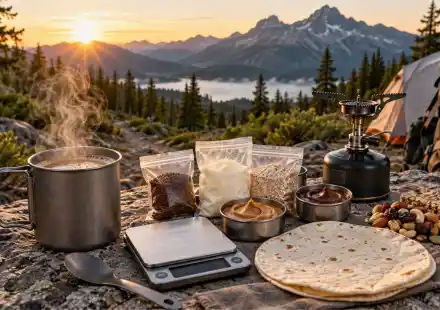
Trail Coffee That Actually Counts as Food: Building a Calorie-Dense Caffeinated Breakfast
Trail coffee often earns a permanent place in a backpack even though plain black coffee contributes almost nothing toward a hiker’s daily calorie target. ☕ The useful idea is to separate caffeine from fuel: coffee supplies flavor and caffeine, while…
Should You Save Caffeine for Later in a Long Hike—or Use It From the Start?
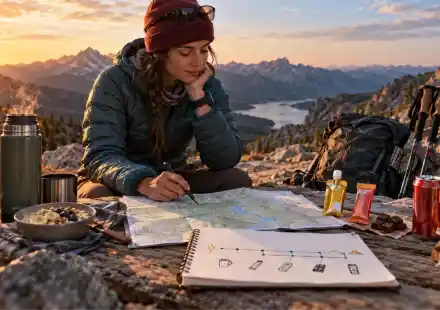
Caffeine creates a planning problem on a long hike because the question is not simply whether you drink coffee, use a caffeinated gel, or skip it. ☕ The harder question is where caffeine fits into a day that may begin before sunrise, last many hours, and…
Does Coffee Dehydrate You While Hiking? The Caffeine Hydration Myth Explained
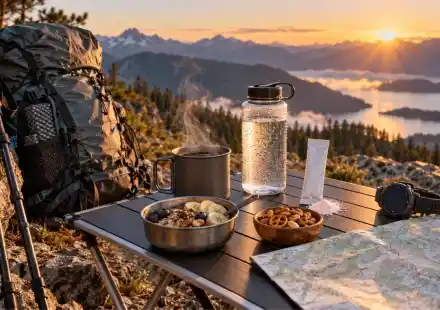
Coffee has a strange reputation on the trail: hikers drink it for warmth, routine, and alertness, yet many have also heard that caffeine “dehydrates” the body. ☕ The concern sounds reasonable because caffeine can increase urine production under some…