

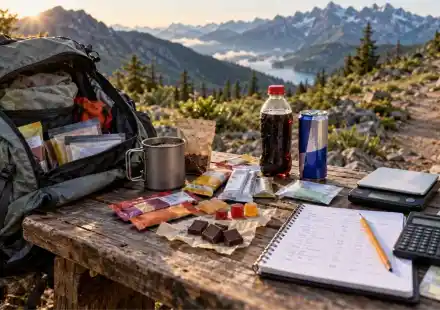
How Much Caffeine Is Hiding in Your Trail Food Bag? Add Up Coffee, Gels, Drink Mixes and Chocolate
A backpacker can carefully calculate calories, protein, food weight, and water capacity while completely overlooking another number scattered throughout the food bag: total caffeine. ☕ Morning coffee may seem separate from a caffeinated gel, chocolate…
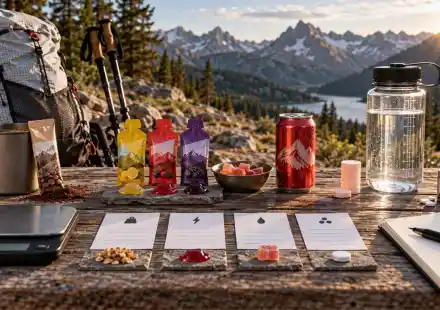
Coffee vs Caffeinated Gels vs Cola: Which Caffeine Source Makes Sense on the Trail?
Coffee, caffeinated gels, cola, chews, drink tablets, and caffeine pills can all put caffeine into your trail kit, but they solve very different packing problems. ☕ A cup of instant coffee might require almost no dry pack weight yet needs water, while a…
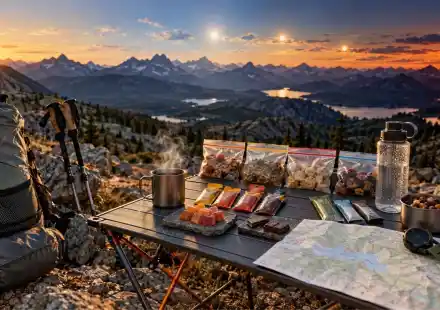
Caffeine Timing for Long Hiking Days: Start Early, Save It for Later, or Use It by Feel?
Caffeine planning becomes surprisingly complicated when a hike lasts eight, ten, or even fourteen hours, because a cup of coffee at breakfast is no longer the only possible source. ☕ Caffeinated gels, chews, drink mixes, chocolate, coffee, tea, and…
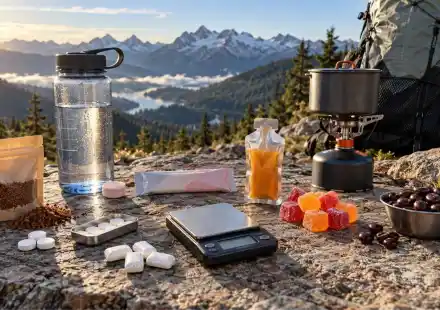
Caffeine Per Ounce: Instant Coffee vs Pills vs Gum vs Drink Mix for Backpacking
Backpackers normally talk about calories per ounce, but caffeine creates a different packing problem because the lightest source may provide almost no food energy at all. ☕ A can of energy drink may deliver caffeine conveniently at home, yet carrying the…
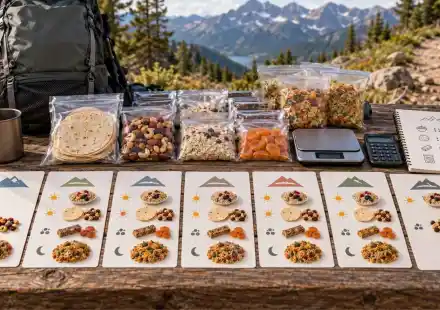
The First-Day and Last-Day Food Calculation: Stop Packing Seven Full Days for a Seven-Day Trip
A seven-day backpacking trip does not automatically require seven complete days of breakfast, lunch, dinner, and snacks. 🎒 If you eat breakfast before reaching the trailhead on Day 1 and finish hiking before dinner on Day 7, part of those calories will…
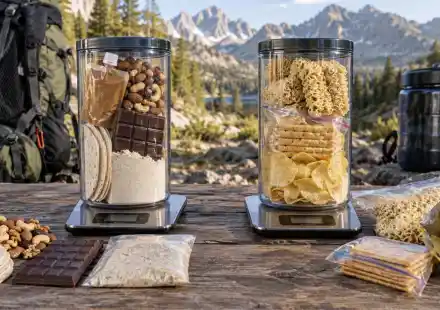
Calories Per Ounce vs Calories Per Liter: Which Backpacking Food Density Metric Actually Matters?
Backpacking food advice often revolves around one famous number: calories per ounce, or how much energy you get for every ounce carried on your back. 🎒 That measurement is incredibly useful because food weight adds up quickly when several days of meals…
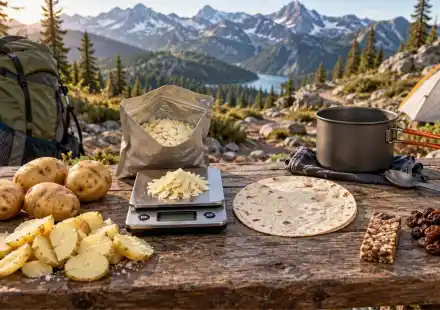
Boiled Potatoes for Hiking? Why a Heavy Trail Food Can Still Make Sense
Ultralight backpacking advice usually pushes hikers toward one simple rule: carry more calories for less weight, which makes a boiled potato look like a terrible trail food before it even reaches your pack. 🥔 A cooked potato is bulky, full of water,…
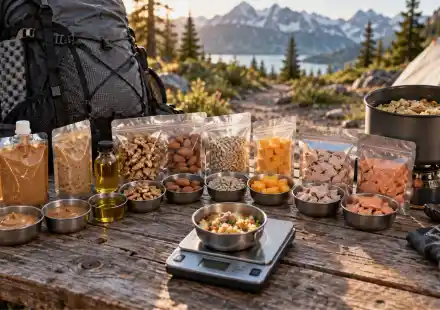
Olive Oil vs Nuts vs Peanut Butter: Which Fat Adds the Most Trail Calories for the Weight?
When backpackers start chasing higher calories per ounce, fat quickly becomes attractive because it can add hundreds of calories without adding the same weight as bulky, water-rich foods. 🥾 Olive oil, peanut butter, almond butter, walnuts, almonds,…
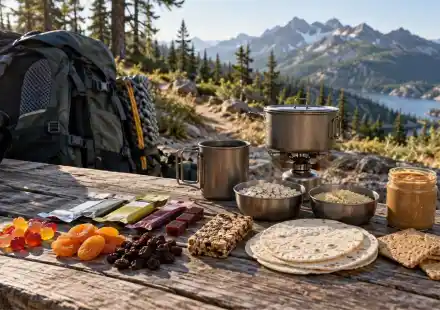
Is Sugar Always Bad on the Trail? Why Hiking Changes the Fast-Carb Question
Why “Never Eat Sugar” Does Not Answer a Hiker’s Question “Cut out sugar” sounds like straightforward nutrition advice, but it becomes less useful when you are deciding what food to carry through several hours of continuous hiking. 🥾 A backpacker choosing…
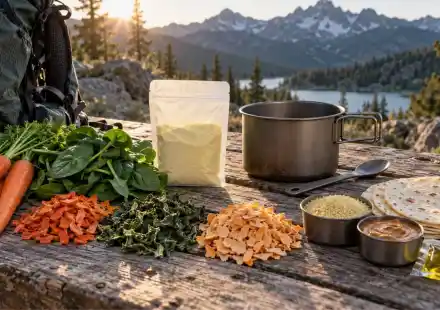
Carrots vs Spinach vs Eggs: Which Vitamin A Foods Actually Make Sense in a Backpacking Food Bag?
Why Carrots Became the Famous “Vitamin A Food” Carrots became synonymous with vitamin A because they are rich in beta-carotene, an orange plant pigment the body can convert into vitamin A, but that does not make carrots uniquely important or…