
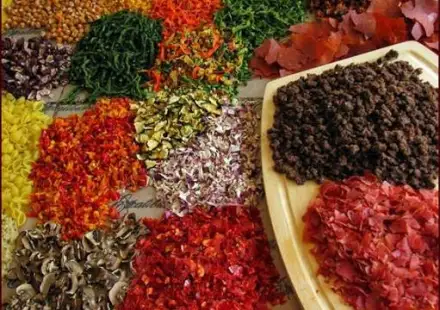
10 Easy Foods to Dehydrate for Backpacking: A Beginner-Friendly Trail Food Guide
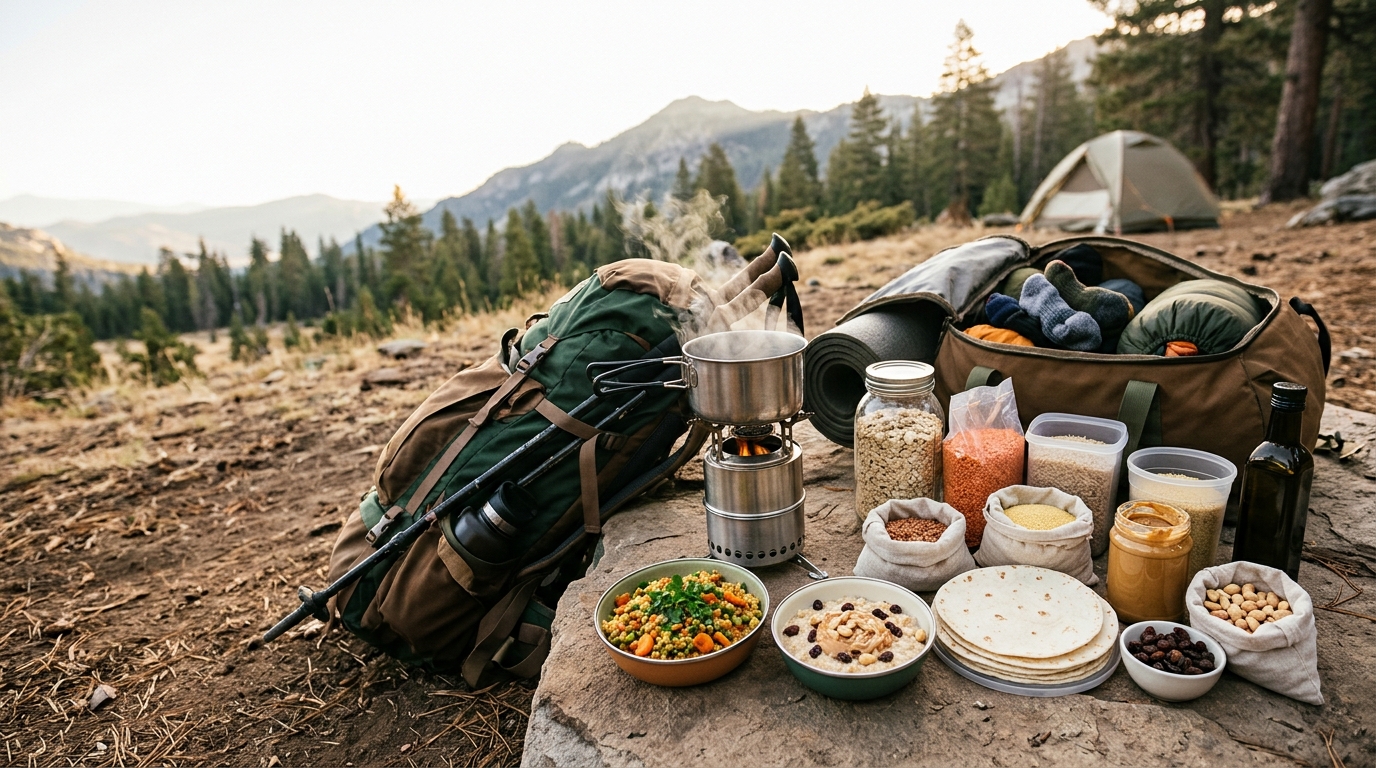
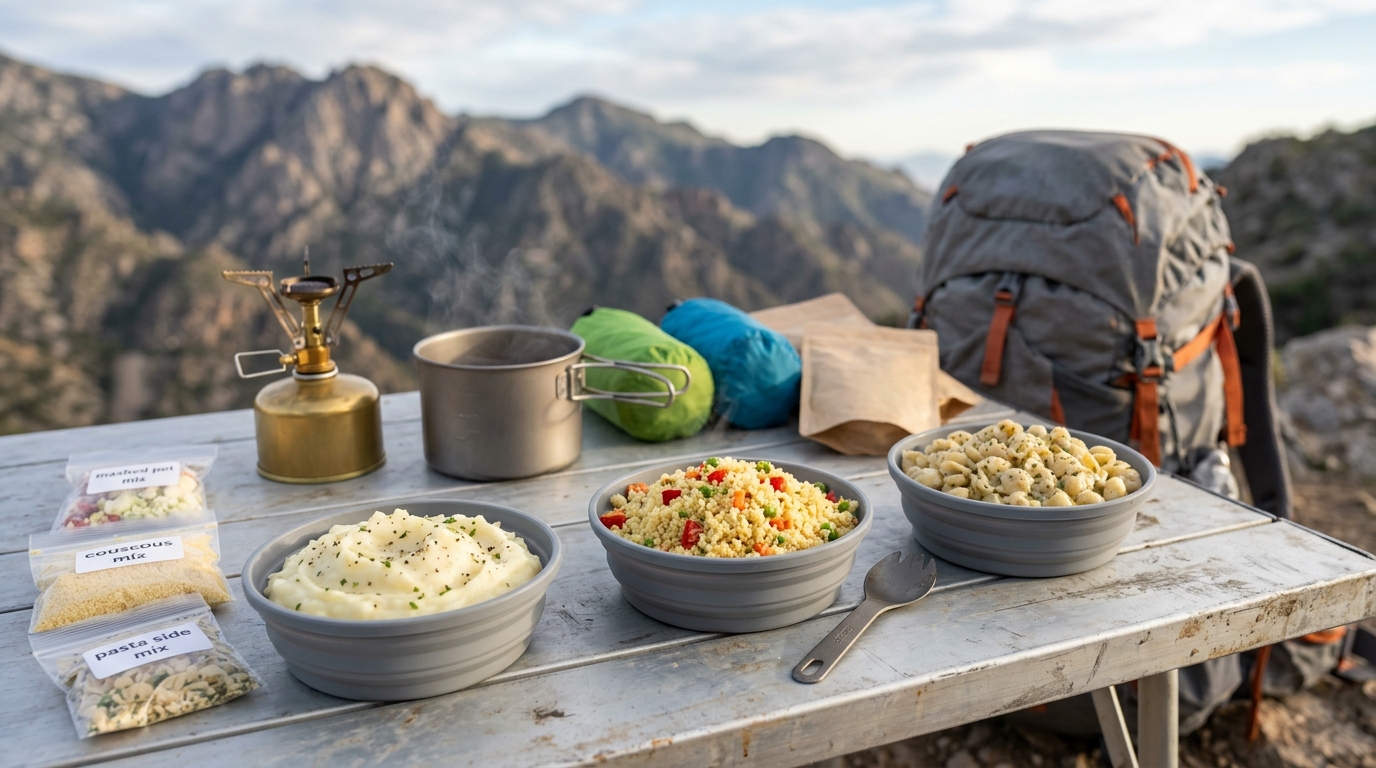
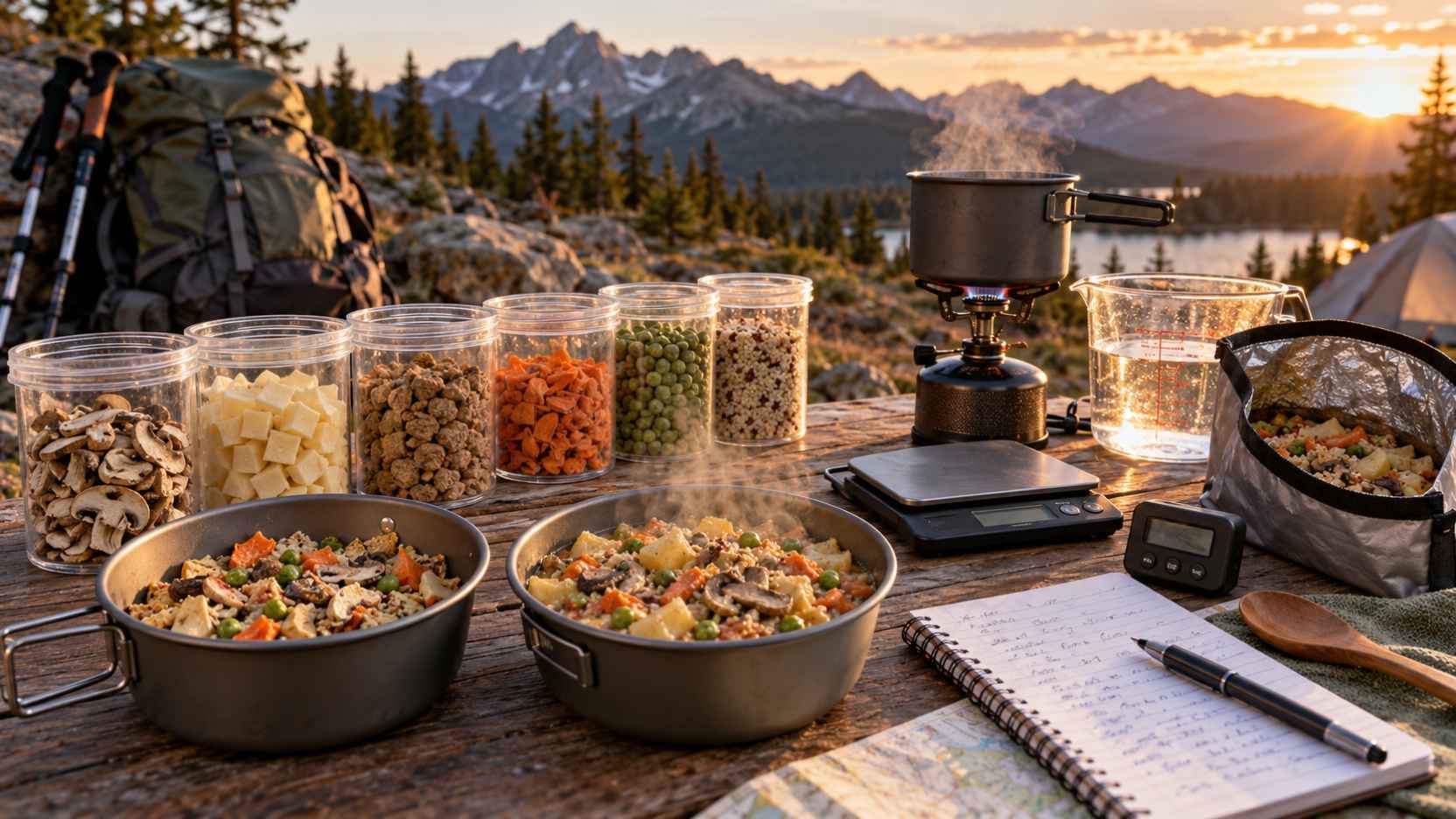
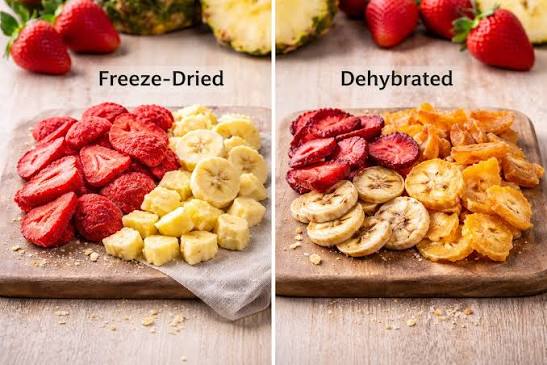
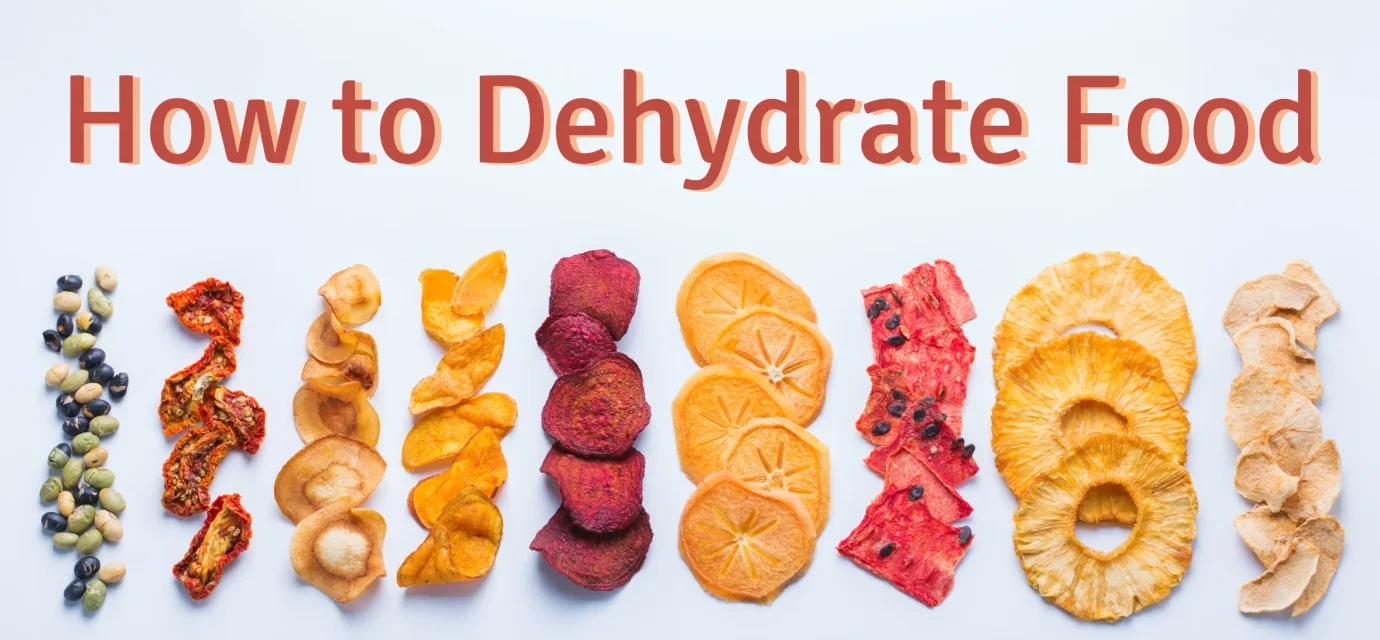
Making your own dehydrated backpacking food doesn’t have to start with complicated recipes. If you’re new to food dehydration, the easiest approach is to begin with simple ingredients that dry reliably, store efficiently, and can be added to…
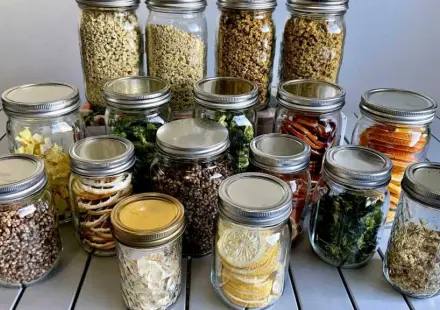
Food Dehydrator Buying Guide for Backpackers: Capacity, Airflow, Temperature and More
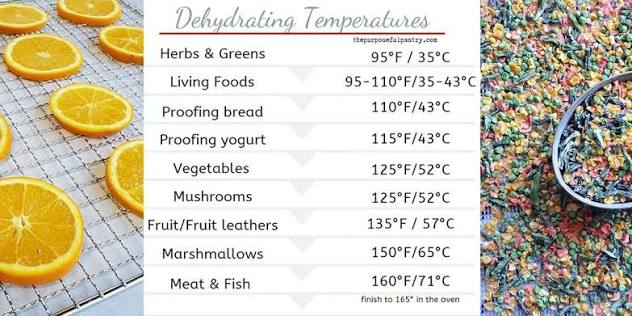
A food dehydrator can become one of the most useful pieces of equipment in a backpacker’s kitchen. Instead of purchasing every trail meal in a pouch, you can dehydrate your own ingredients and create lightweight meals tailored to your preferences.…
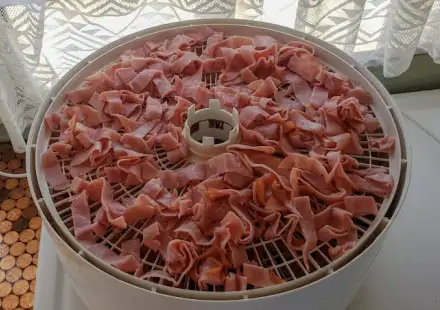
Choosing a Food Dehydrator for Backpacking: The Specs That Actually Matter
Making your own dehydrated backpacking meals can save money, reduce packaging, and give you much more control over what goes into your trail food. But before you start drying vegetables, cooked pasta, beans, or meat, there is one important decision to…
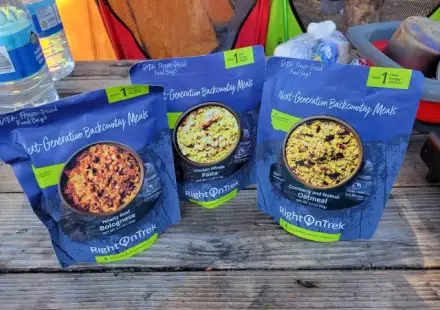
Is Homemade Dehydrated Backpacking Food Actually Cheaper Than Mountain House?
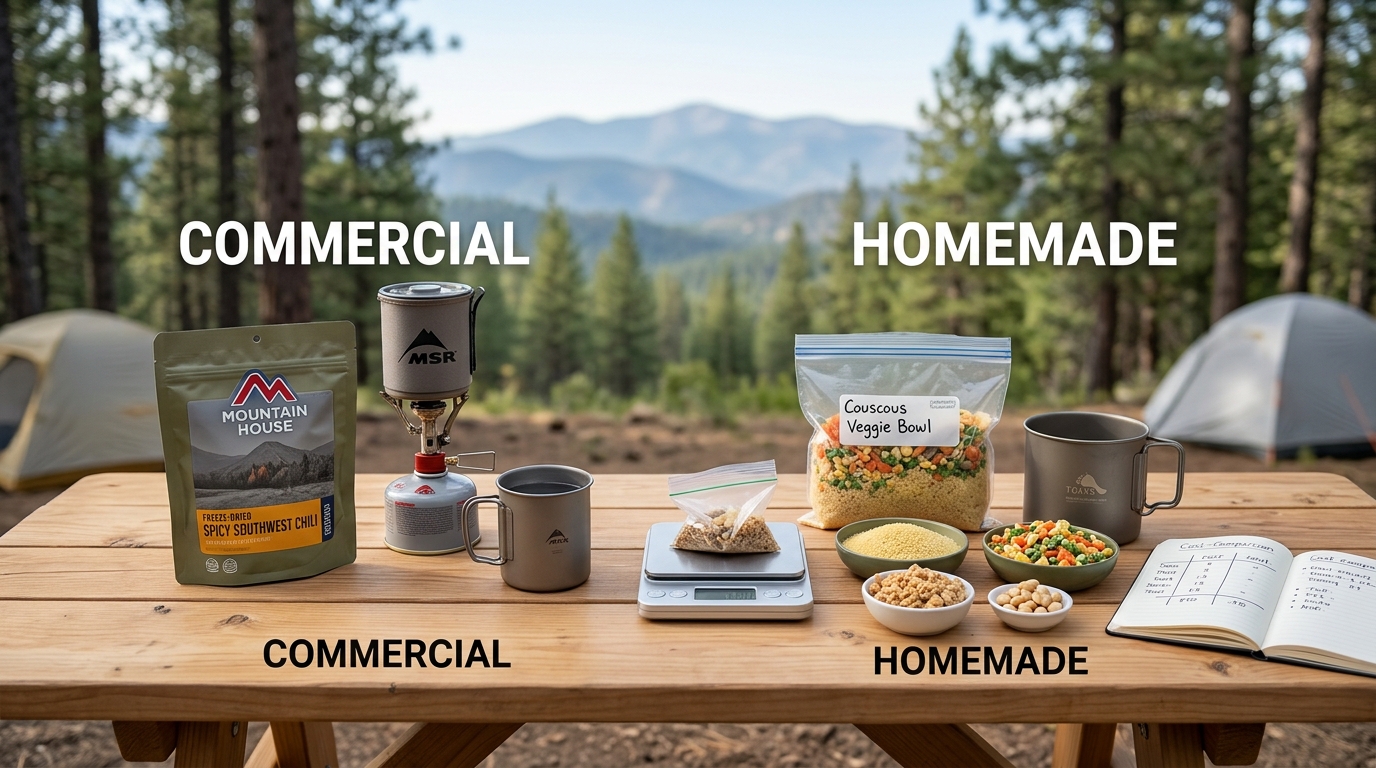
Backpacking food has a reputation for being expensive. A single commercially prepared freeze-dried meal can cost as much as several home-cooked dinners, which naturally leads hikers to ask a simple question: Why not make backpacking meals at home? DIY…
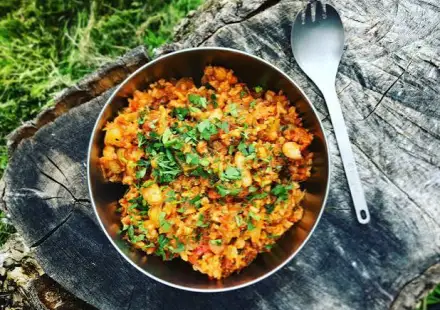
DIY Dehydrated Meals vs. Mountain House: What Does Each Backpacking Meal Really Cost?
When planning a backpacking trip, food costs can become surprisingly significant. A few freeze-dried meals from a familiar outdoor brand may seem reasonably priced when purchased individually, but the total can add up quickly on a multi-day trip. At the…
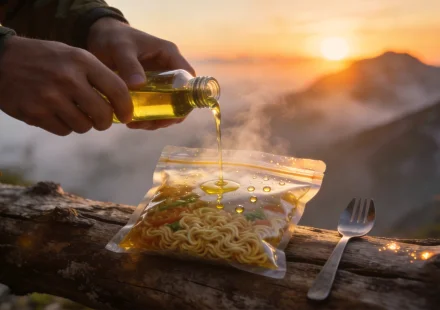
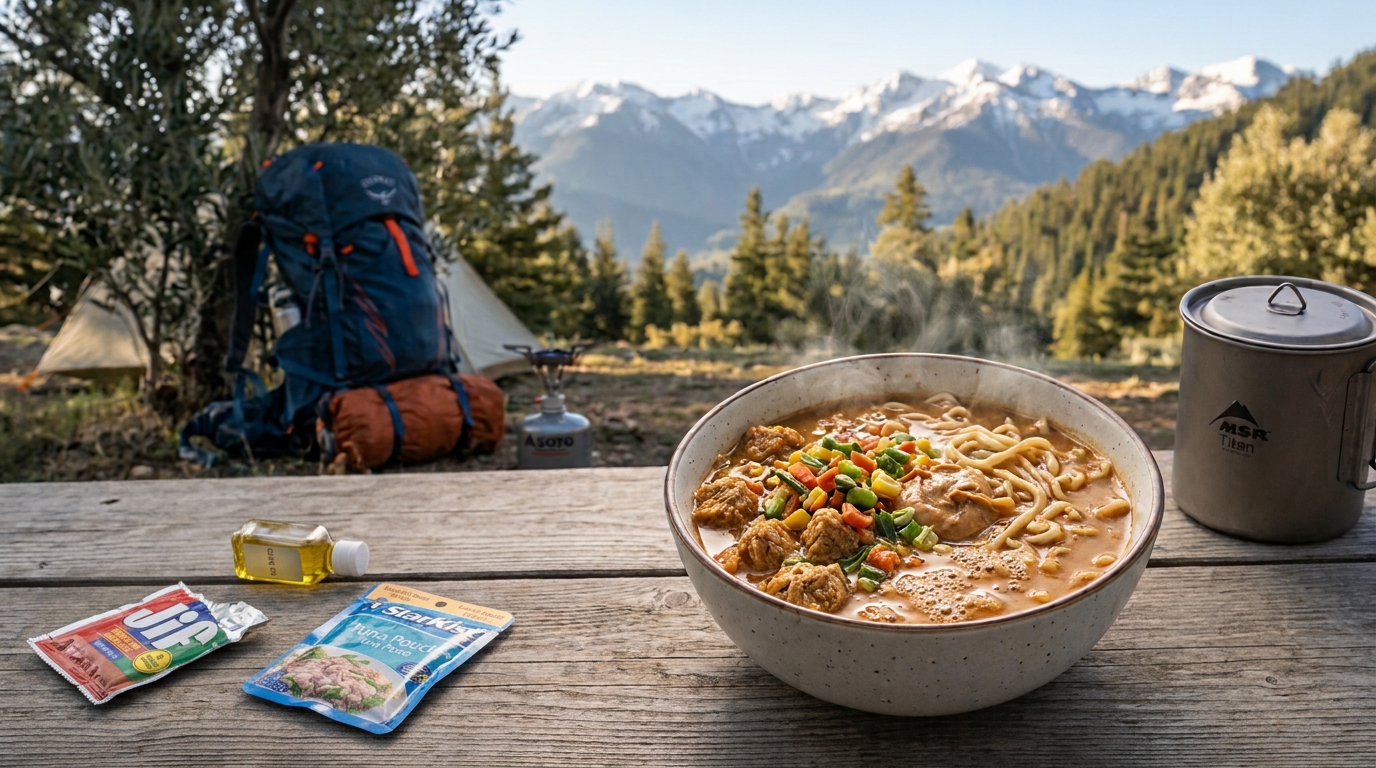
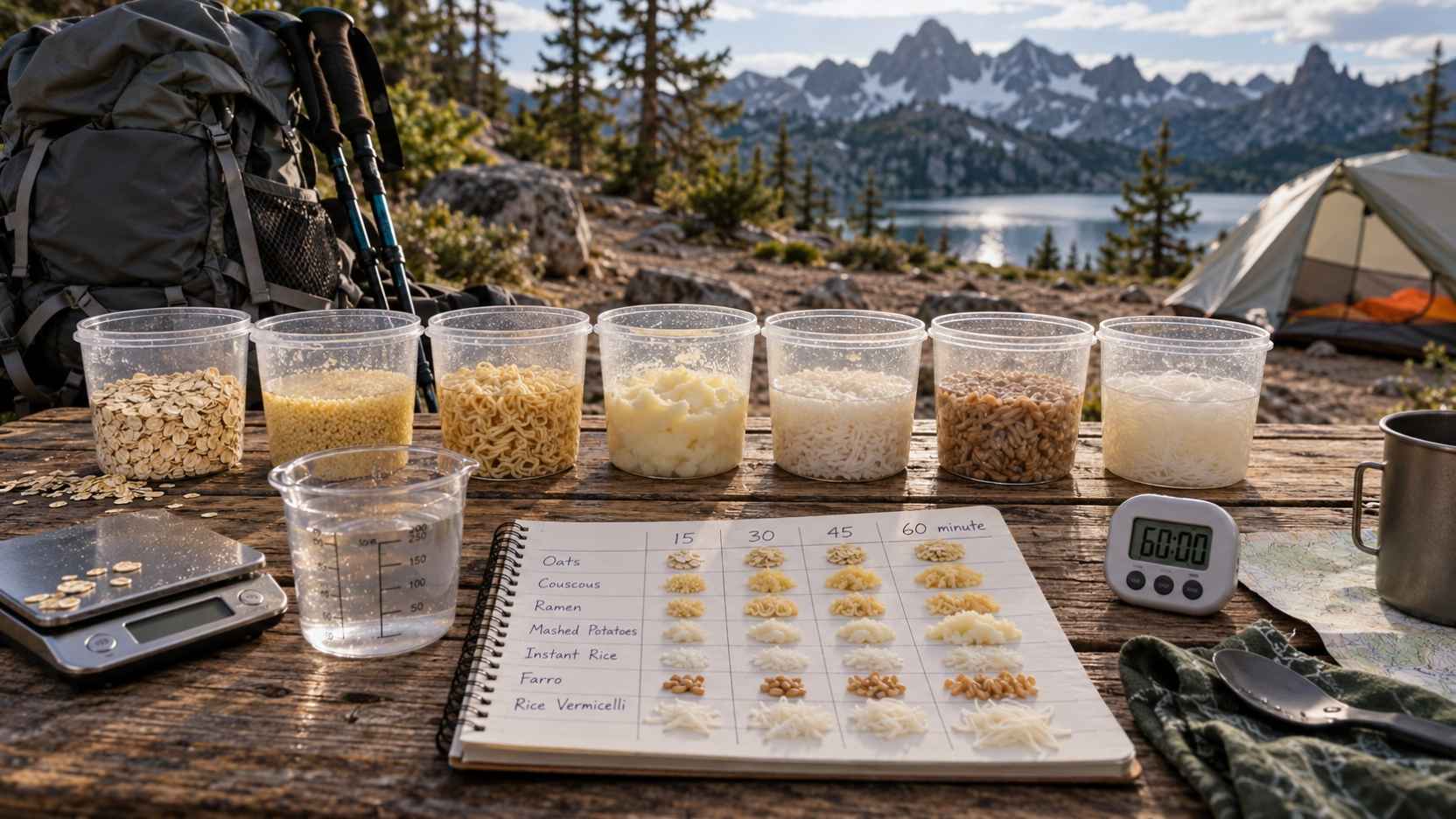
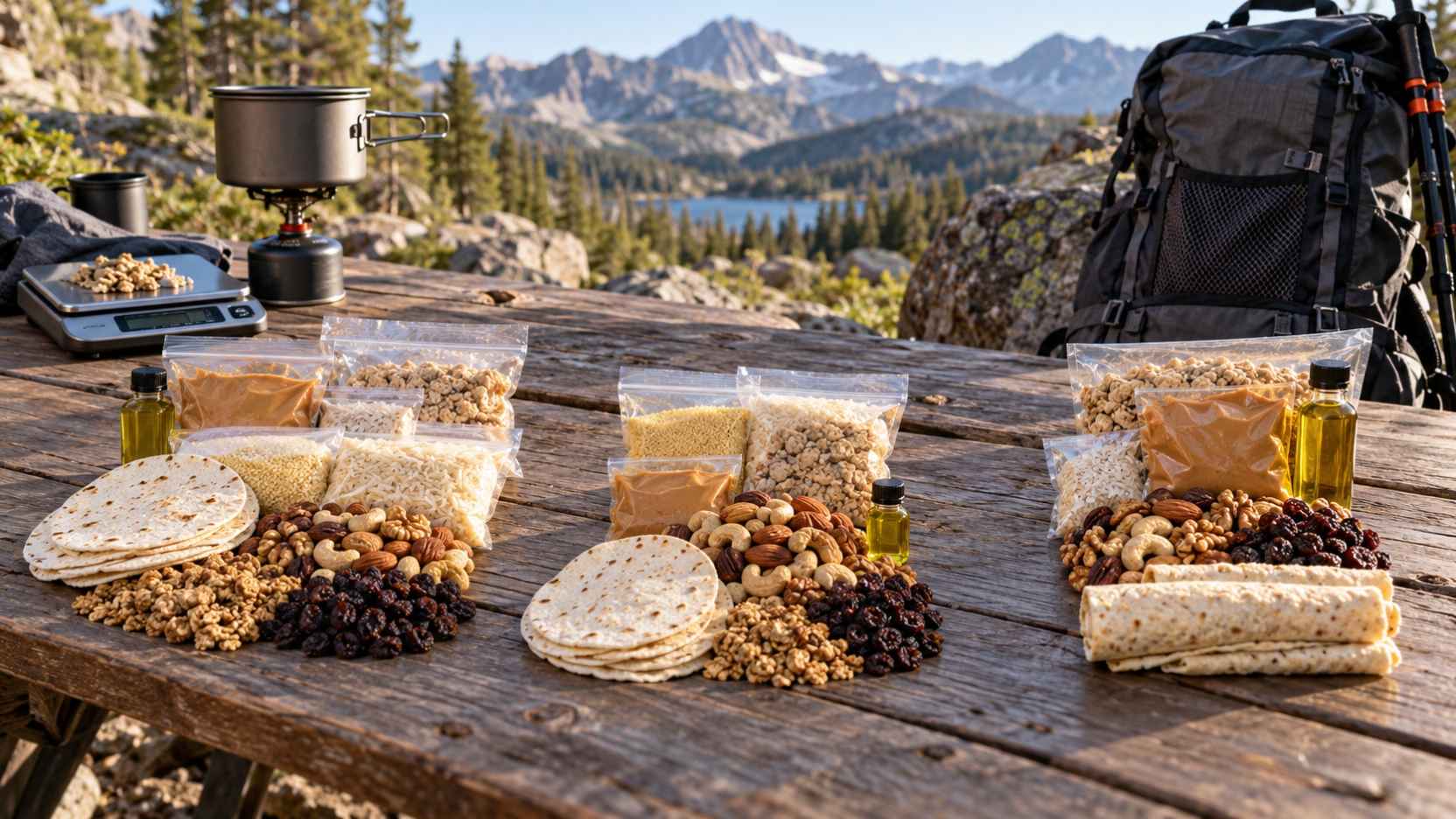
The Truth About Olive Oil in Cold-Soak Meals
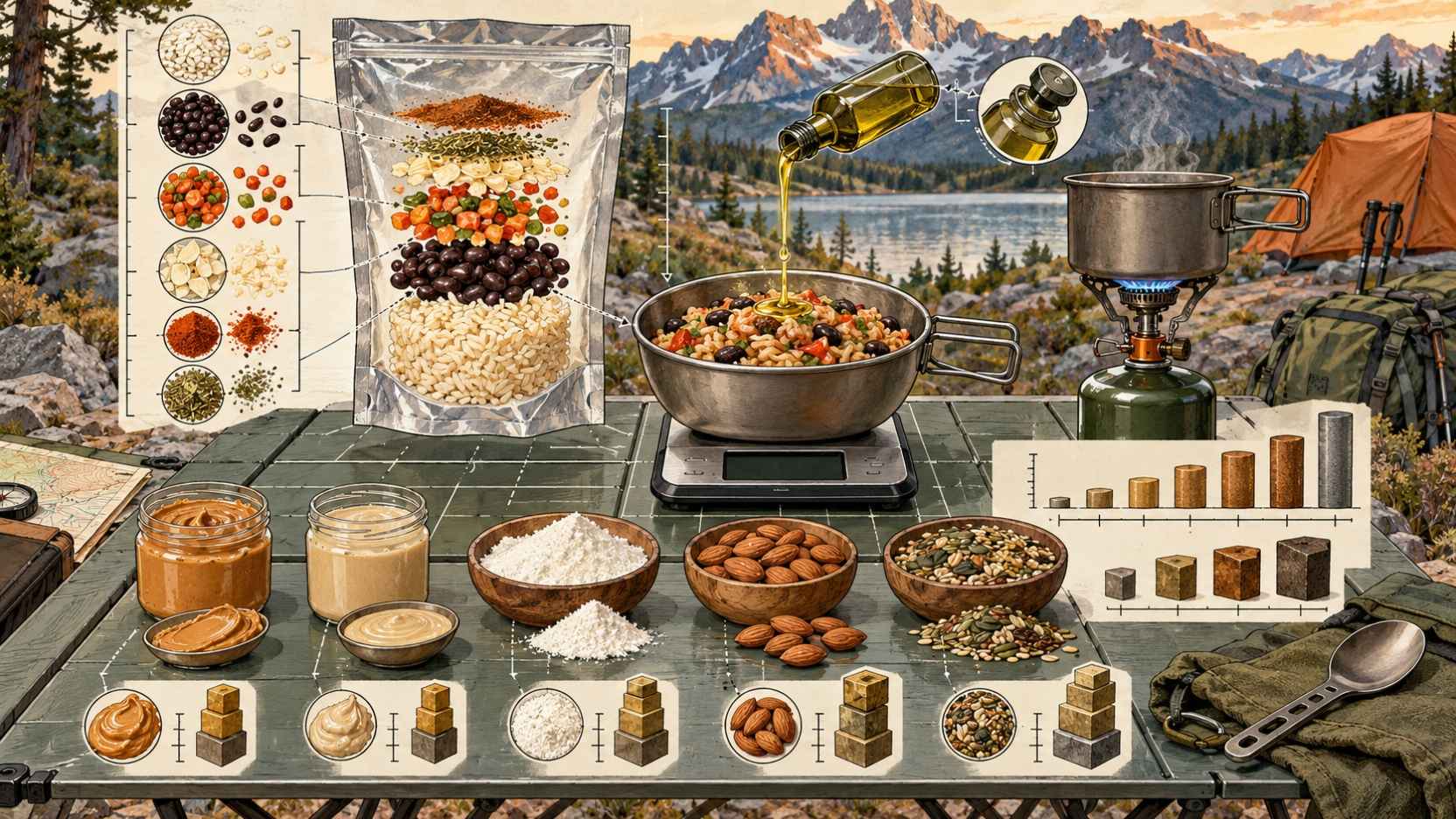
The allure of olive oil in cold-soak meals is undeniable: a drizzle of liquid gold promises extra calories, rich flavor, and healthy fats. But for thru-hikers who rely on no-cook meals, the decision isn’t straightforward. This article explores the…
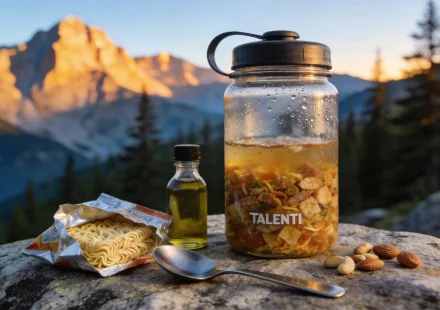
The Best High-Calorie Cold-Soak Meals for Thru-Hikes
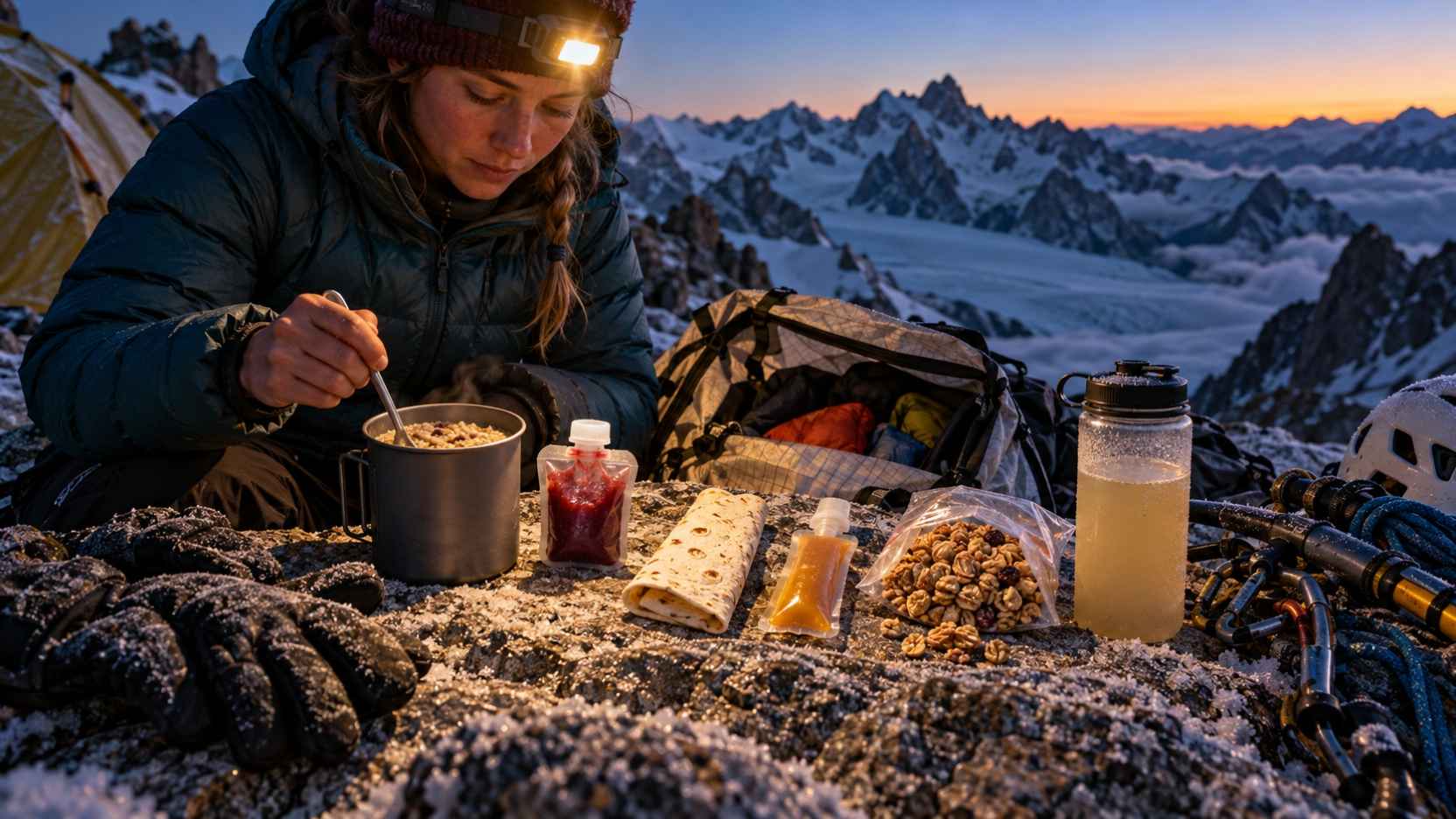
When you’re grinding out 25-mile days on the Pacific Crest Trail or the Appalachian Trail, every ounce in your pack matters. Stoves, fuel canisters, and cook pots add weight that could be better spent on extra food or a lighter shelter. Enter…
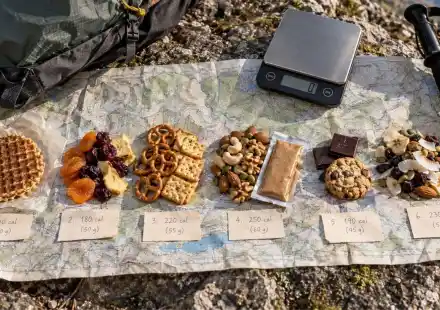
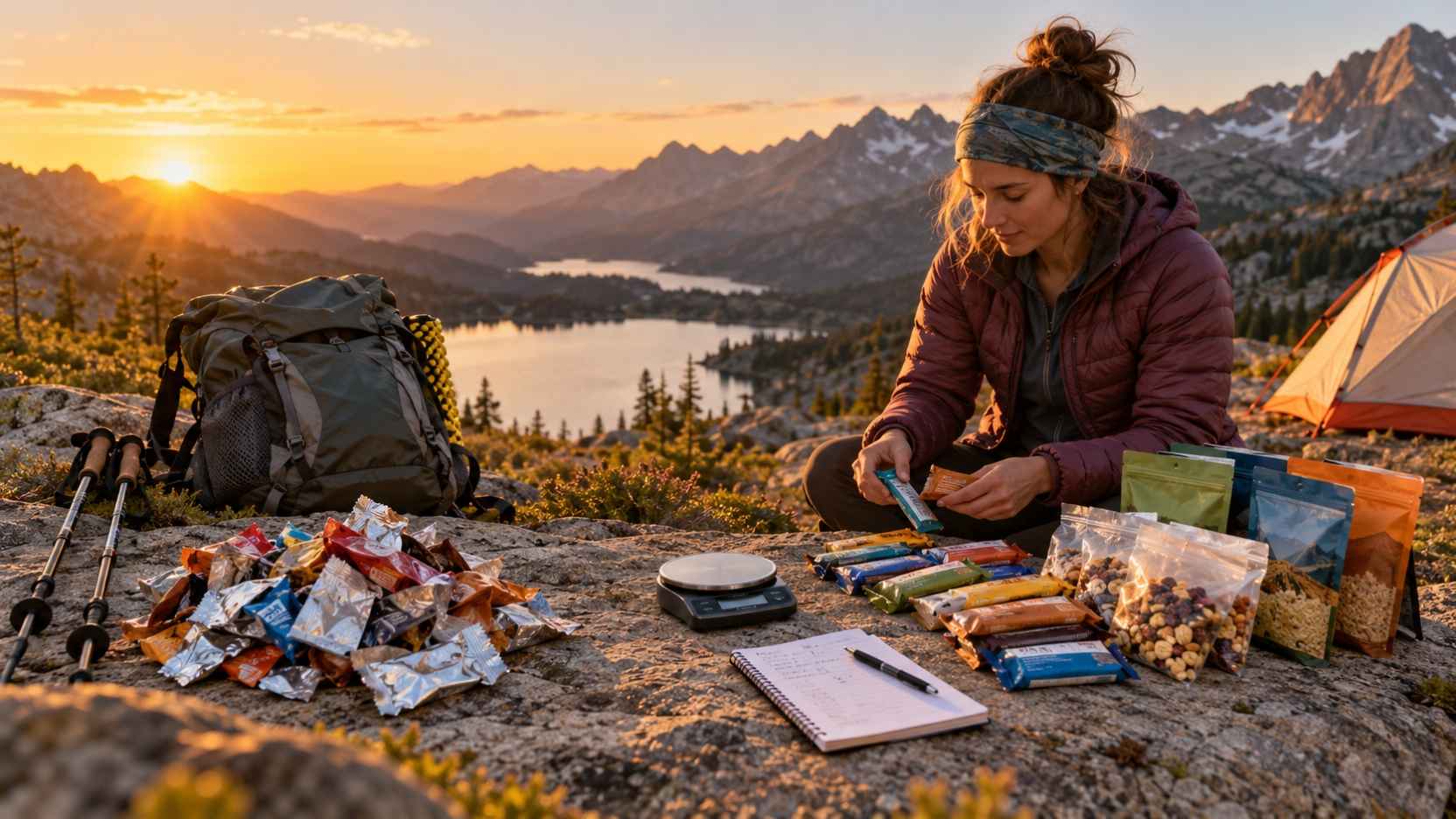
Stop Eating the Same Bar All Day: Build a 6-Snack Backpacking Rotation by Calories and Macros
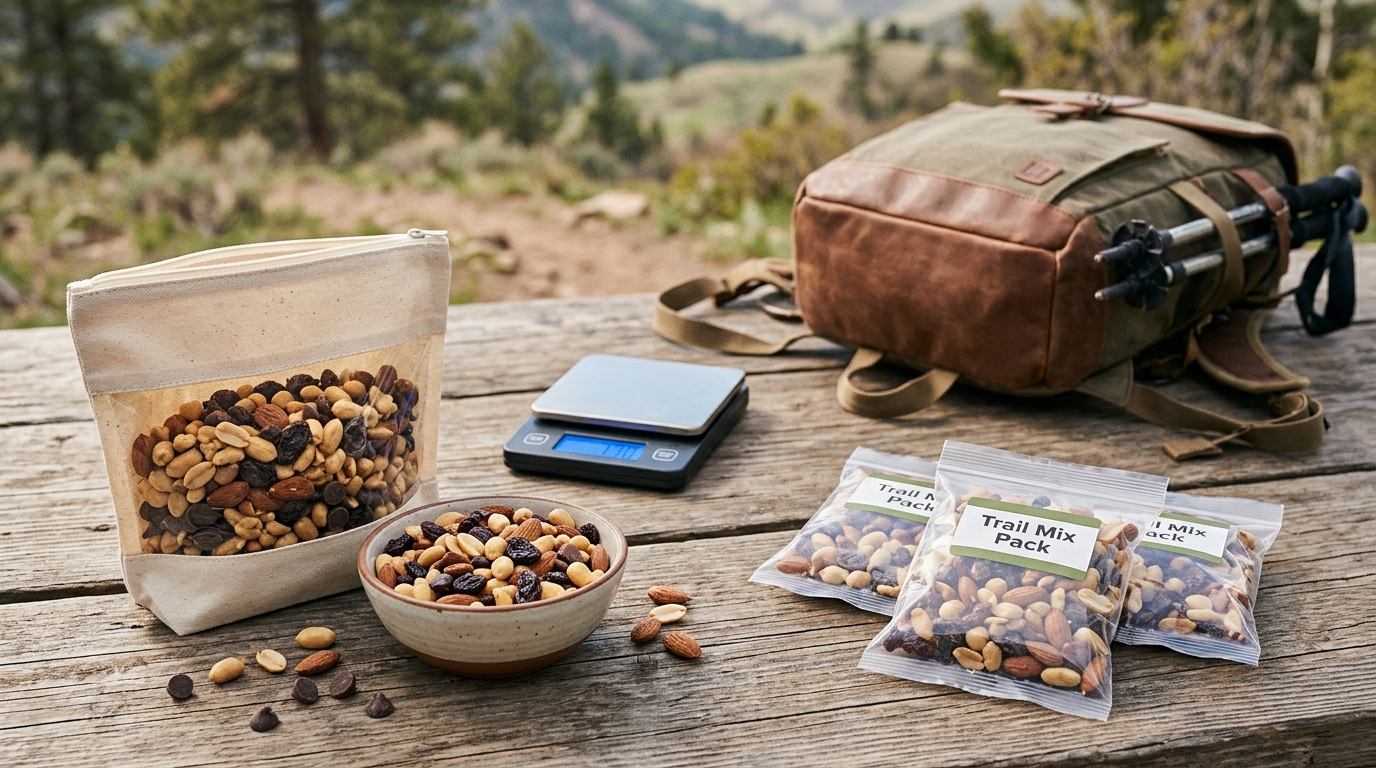
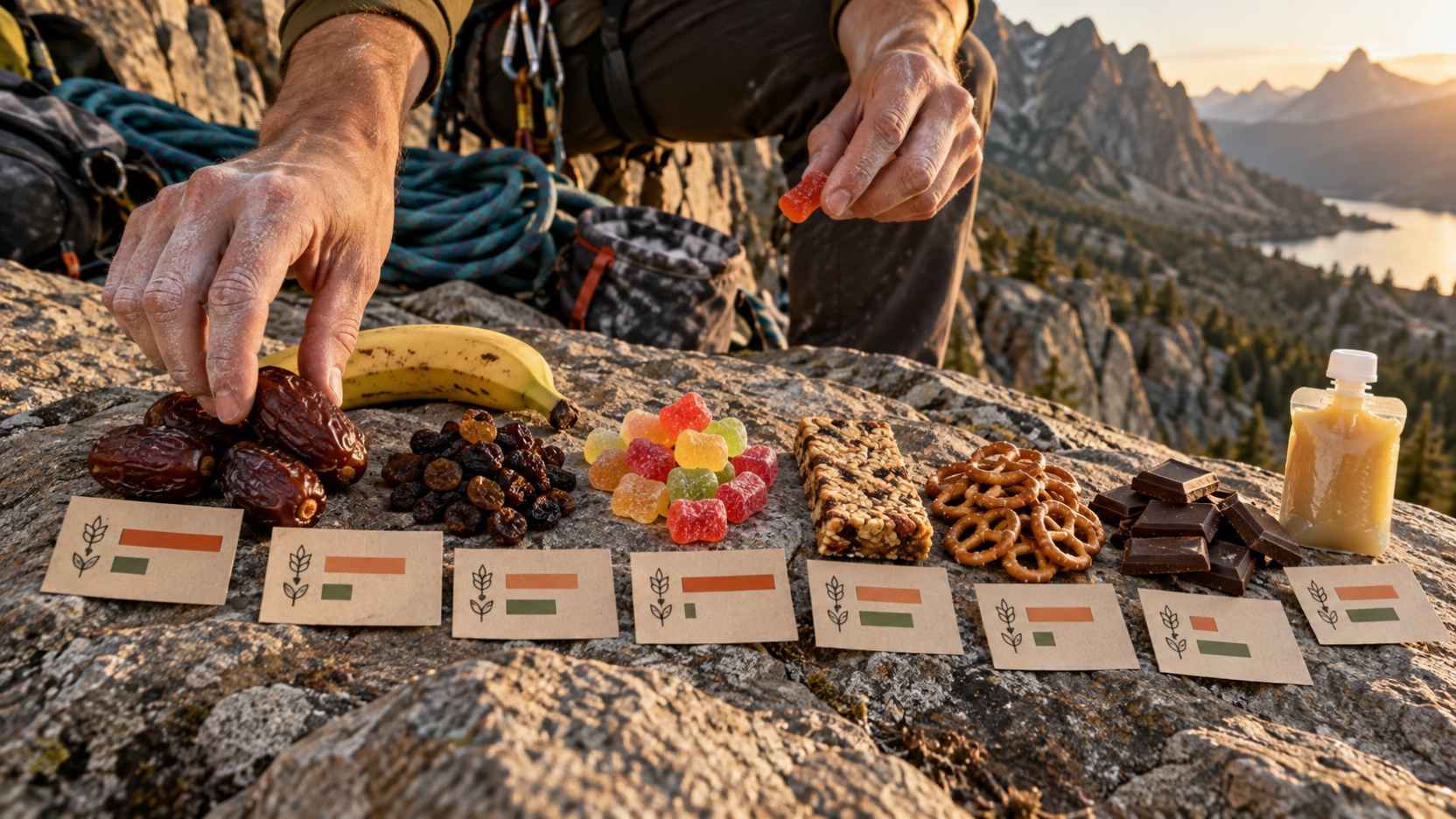
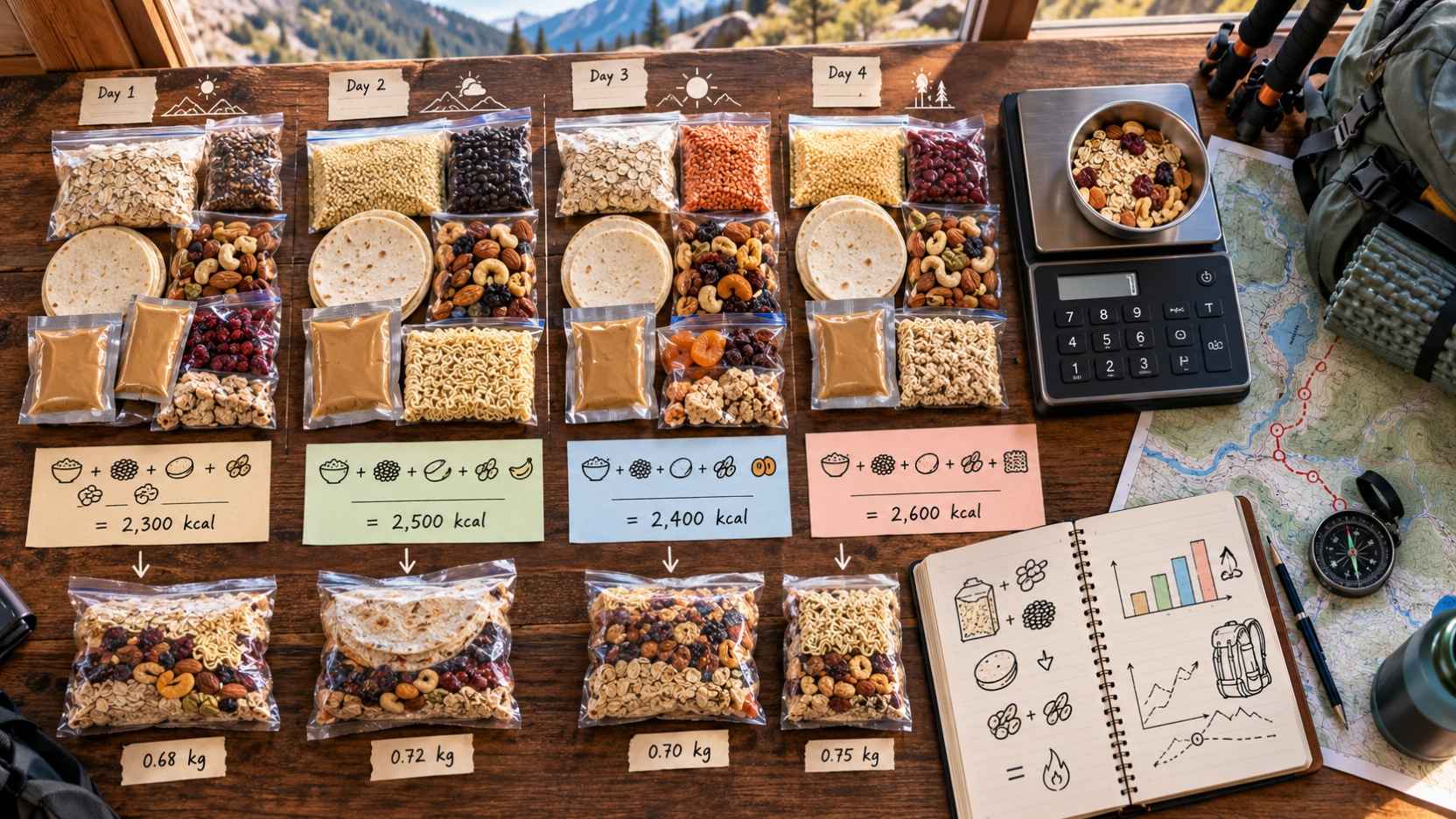
Backpacking snack ideas work better when they solve a planning problem instead of filling your food bag with six similar bars. A useful hiking snack rotation spreads calories across the day while changing flavors, textures, and the main macronutrients…
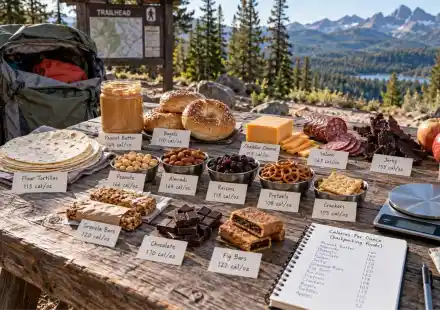
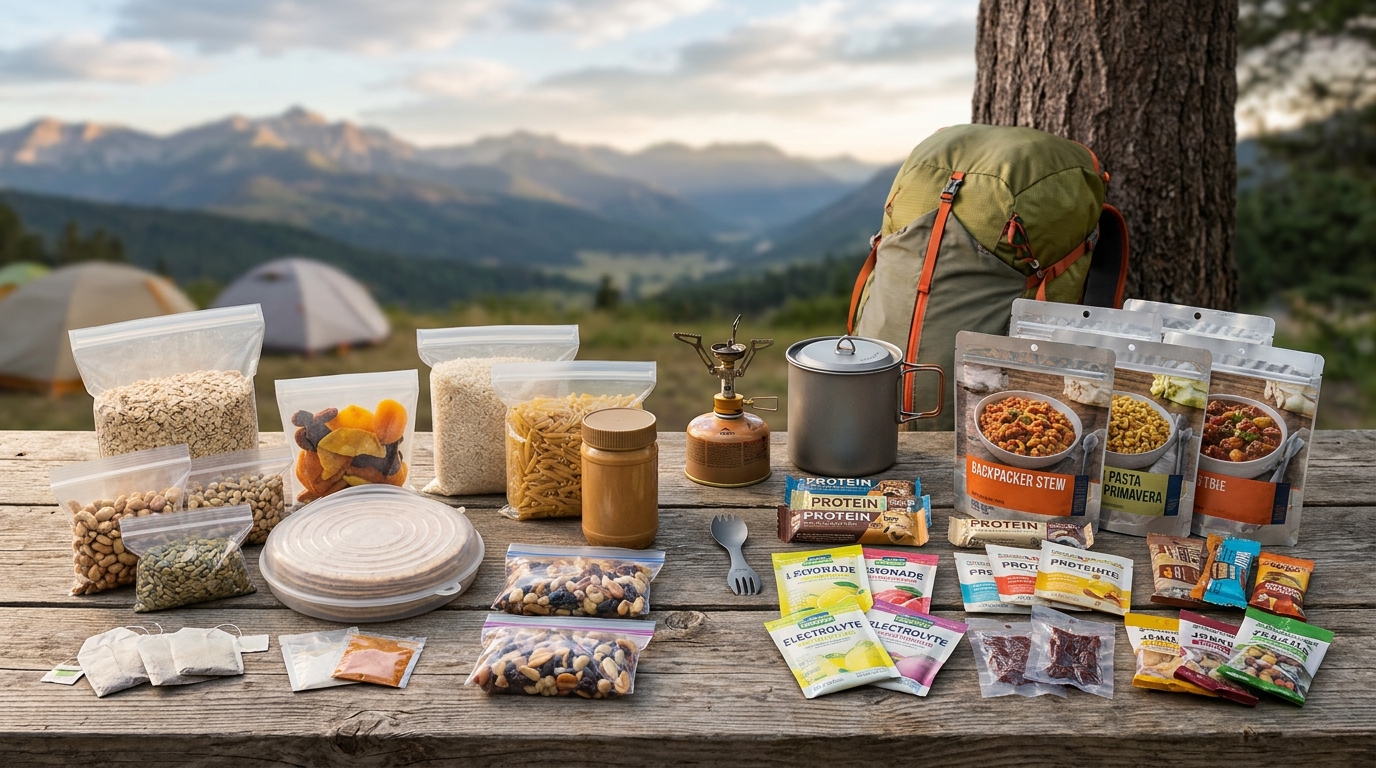
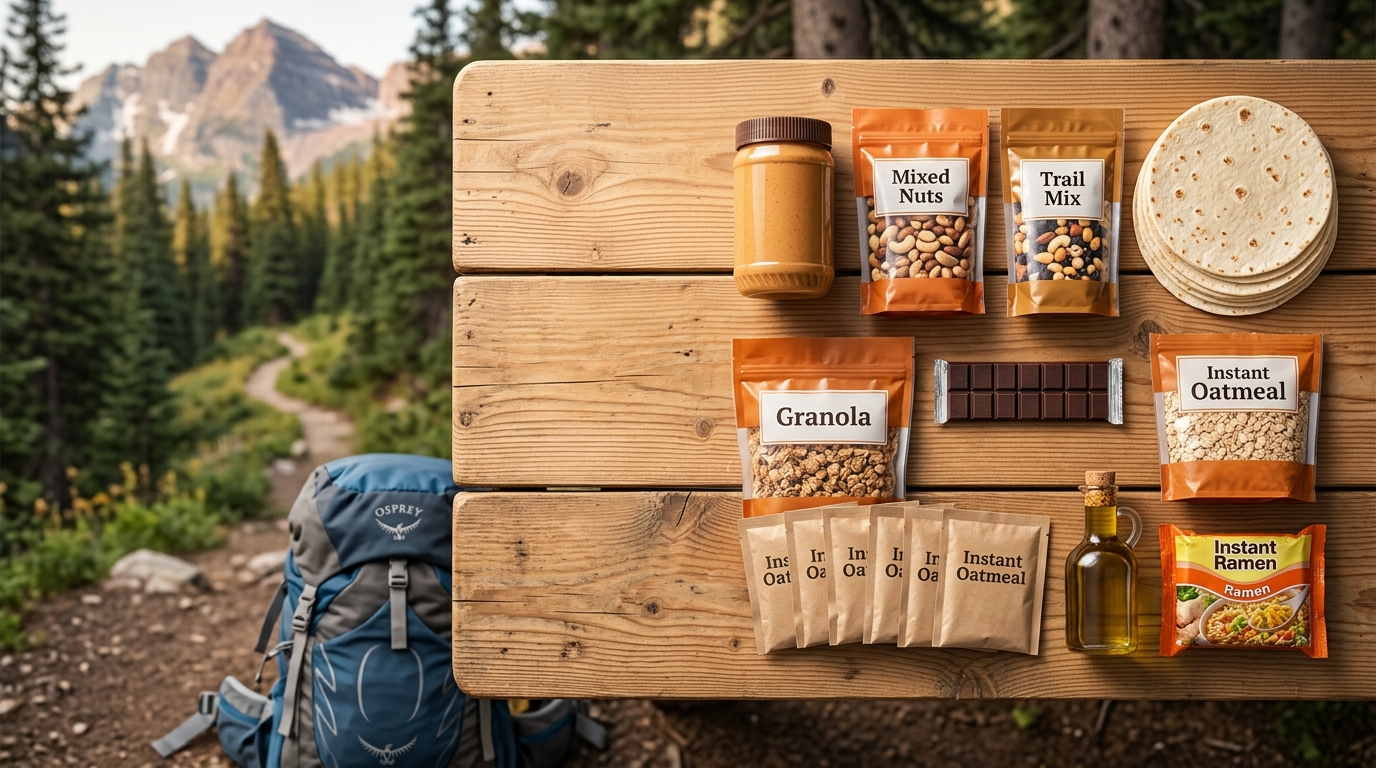
You Don’t Need “Hiking Food”: 20 Grocery Store Foods That Work on the Trail
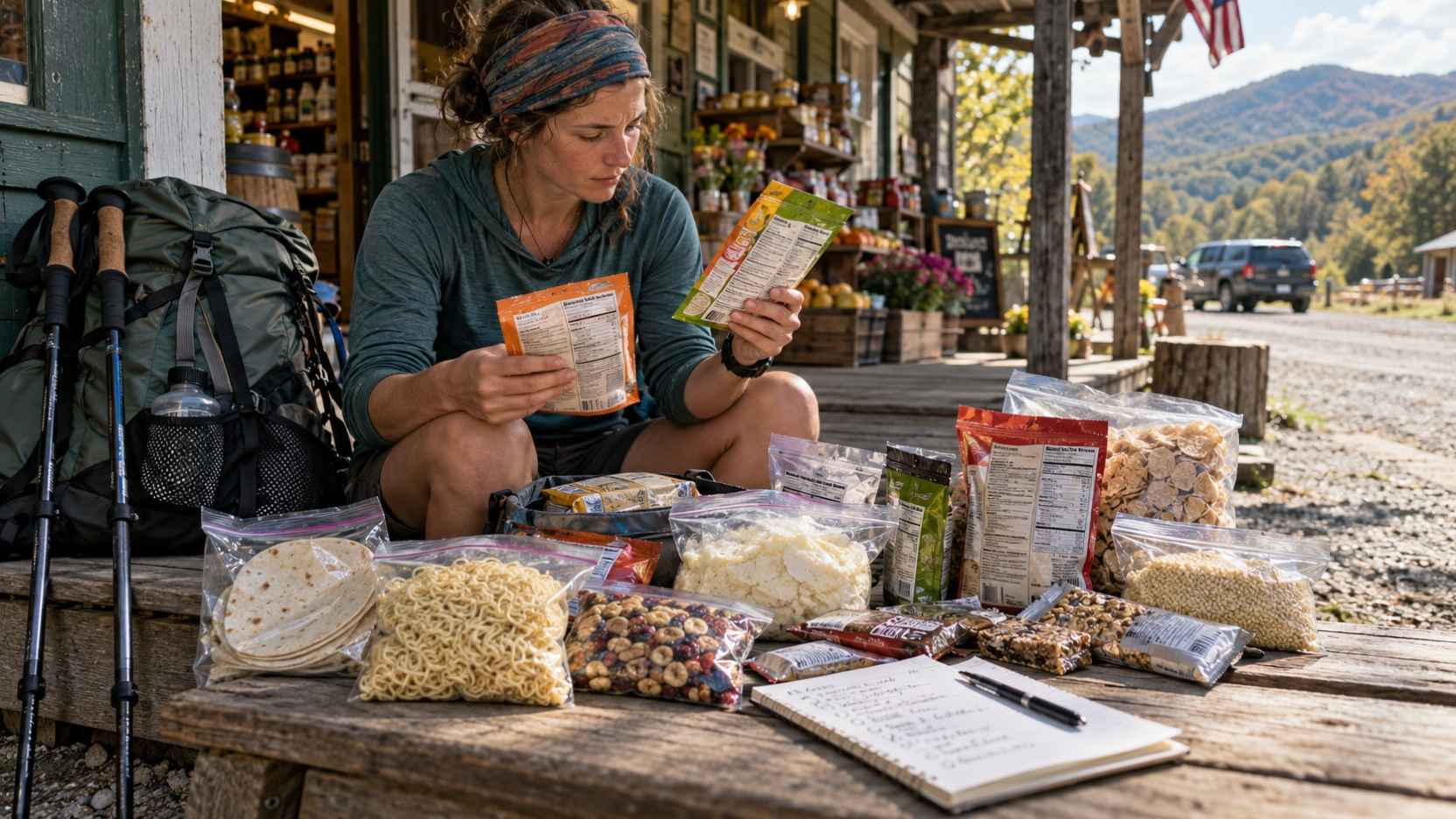
Walk through an outdoor store and it is easy to believe every hike requires specialized energy gels, freeze-dried meals, performance bars, and packages covered in mountain graphics, but ordinary supermarket shelves already contain dozens of foods that…
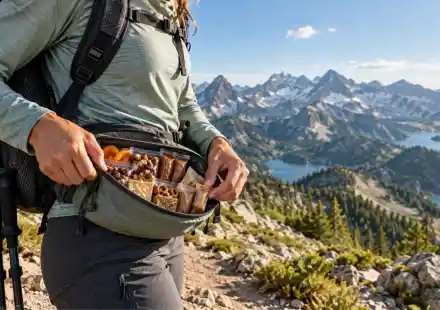
No Appetite on a Long Hike? Build a Micro-Snacking Plan Instead of One Big Lunch
A long hiking day can make normal eating feel strangely inconvenient: the trail is moving, your pack is on, the next climb is waiting, and a full lunch may sound less appealing than it did at home. Instead of assuming you must stop for one large midday…