
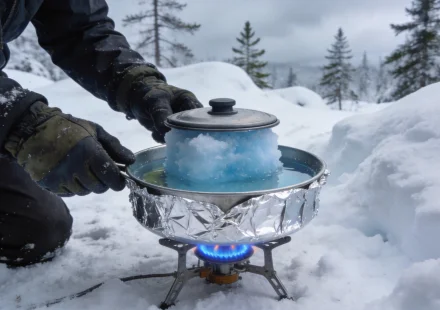
10 Essential Tips for Melting Snow Efficiently in Winter
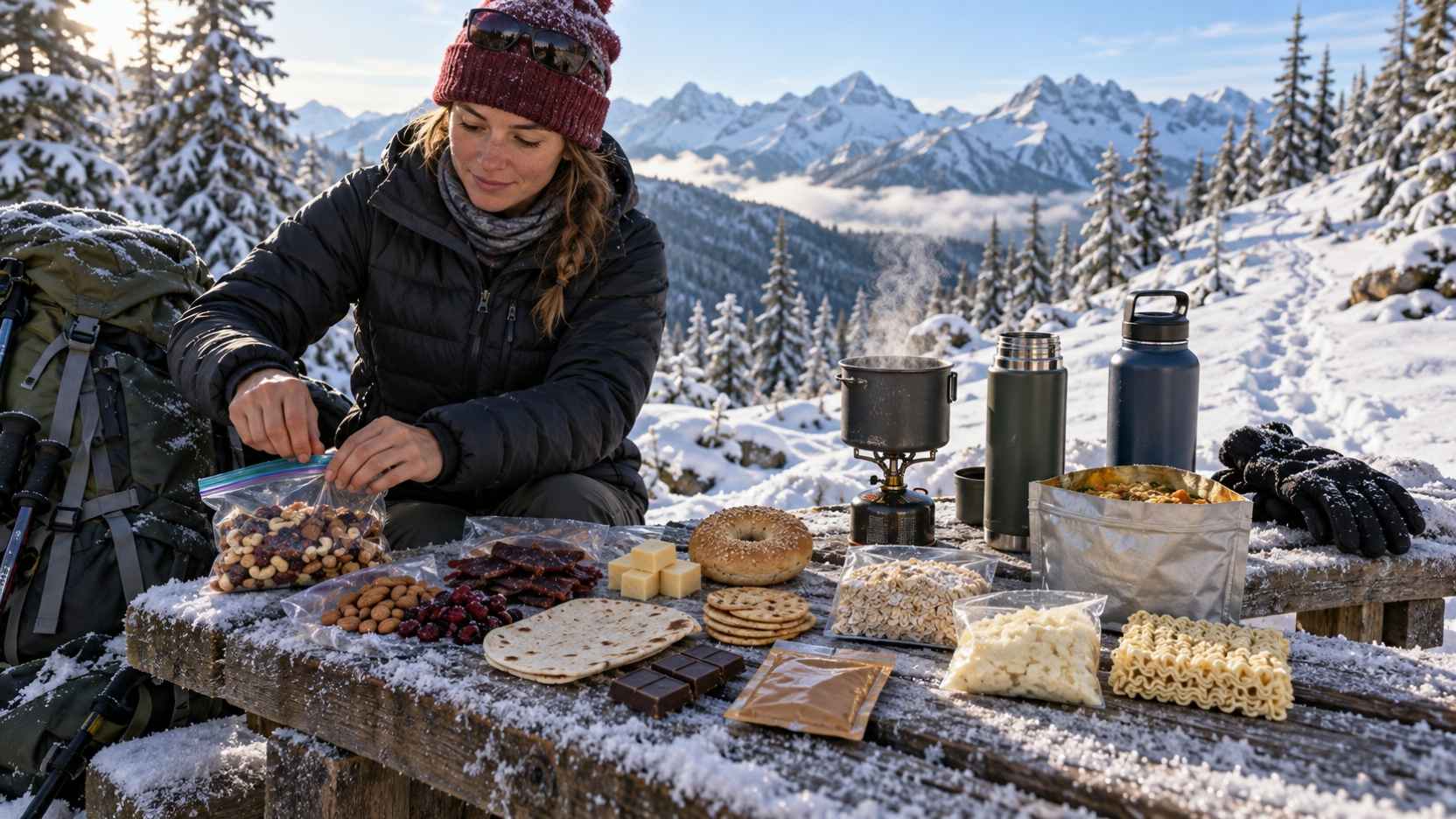
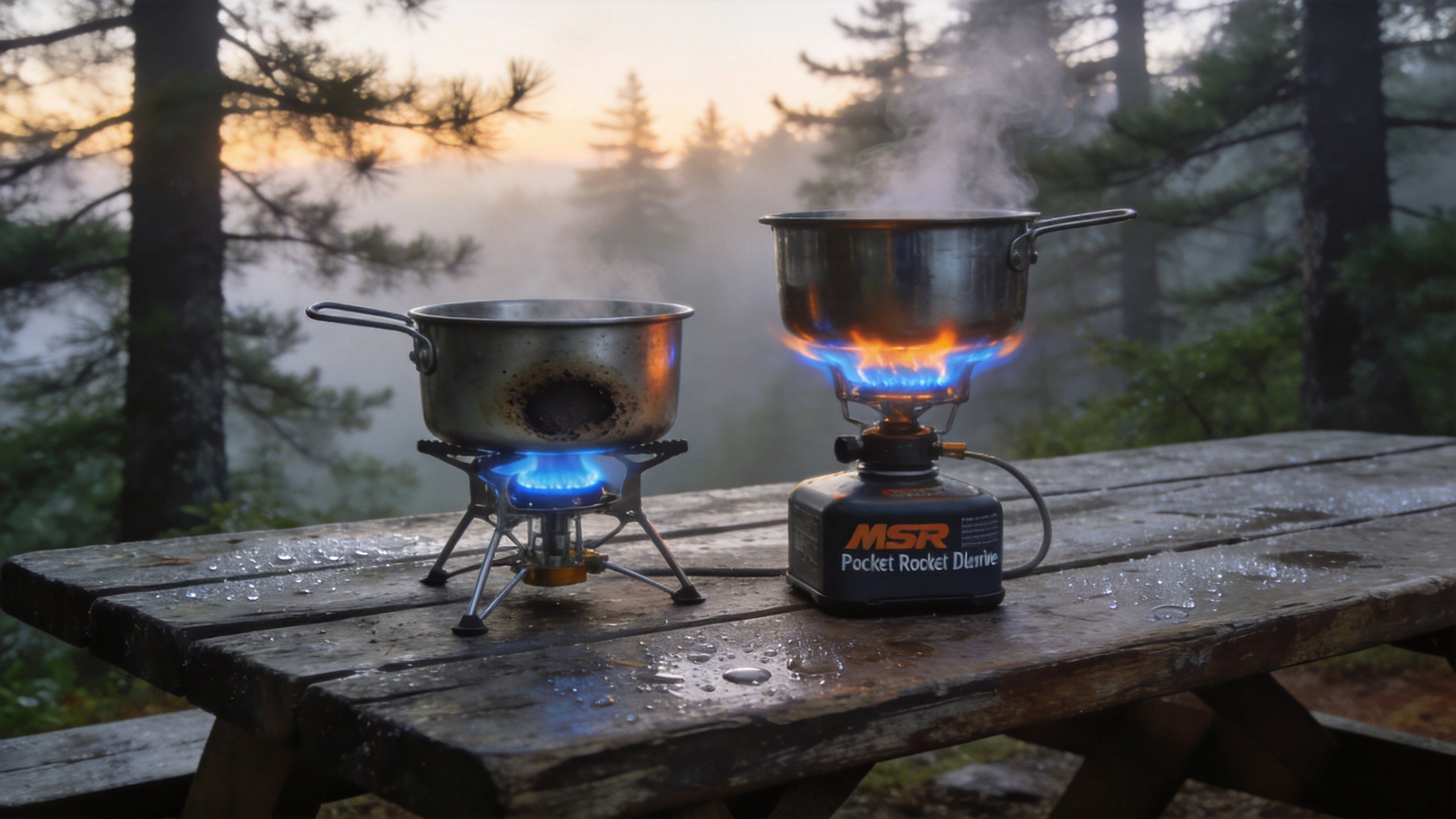
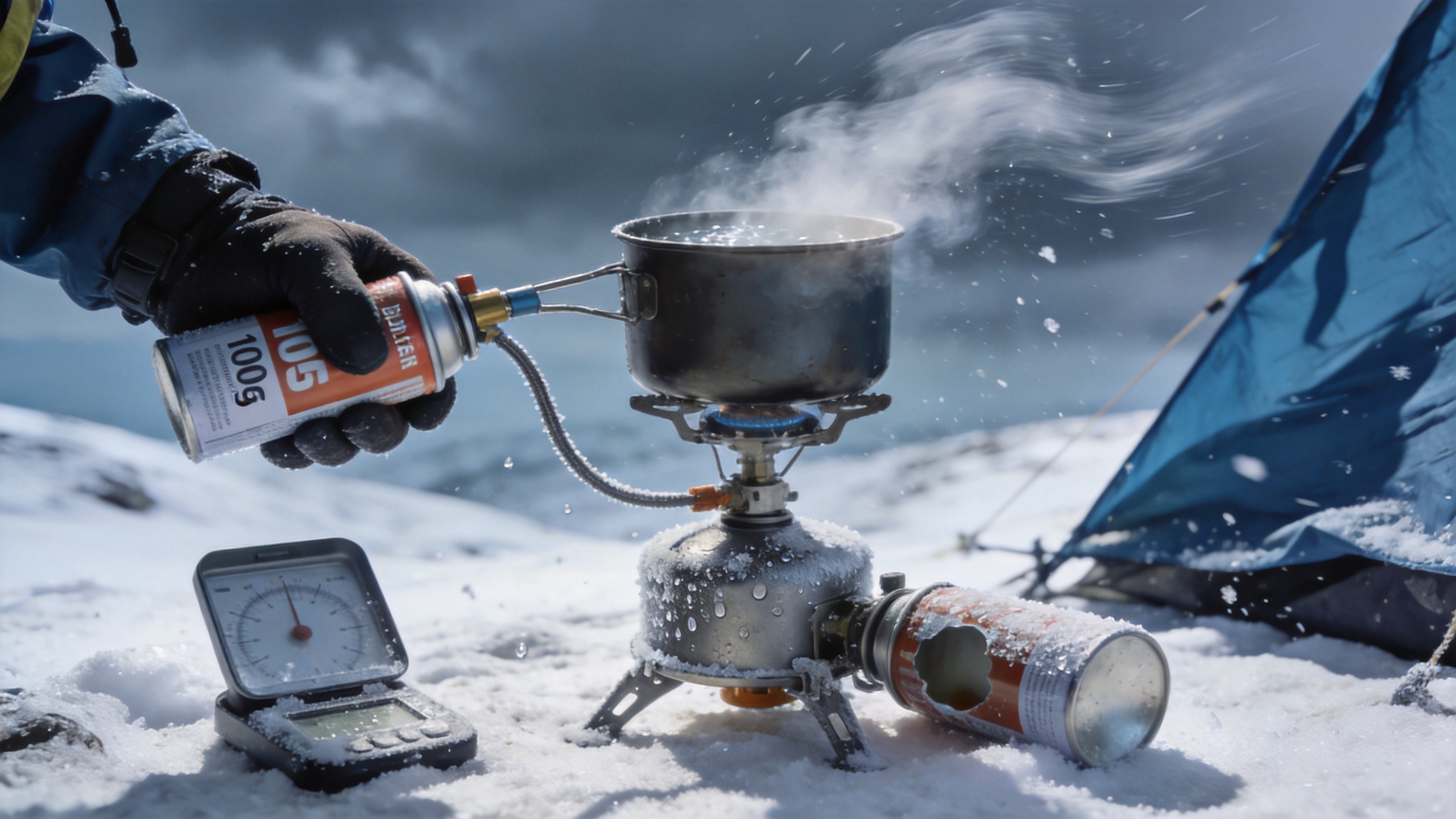
When you’re stranded in a snow-covered wilderness or simply trying to melt snow for drinking water during a winter power outage, every ounce of fuel and minute of time counts. Melting snow efficiently isn’t as simple as tossing a scoop into a…
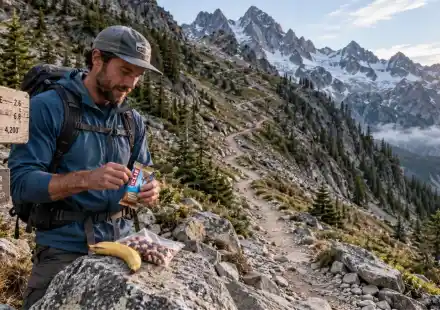
Should You Eat Before the Climb? Fuel Timing for Long Uphill Hiking Sections
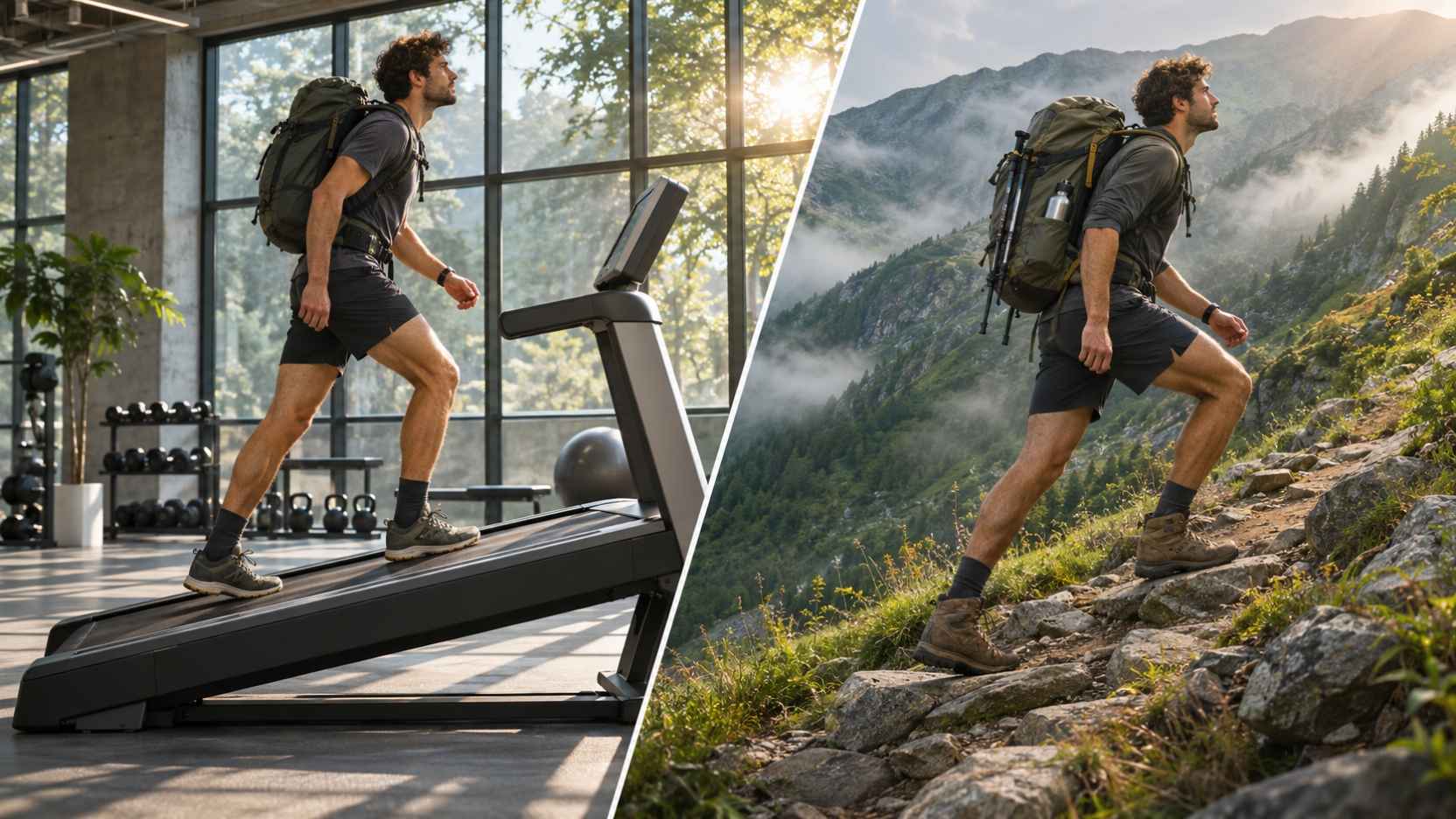
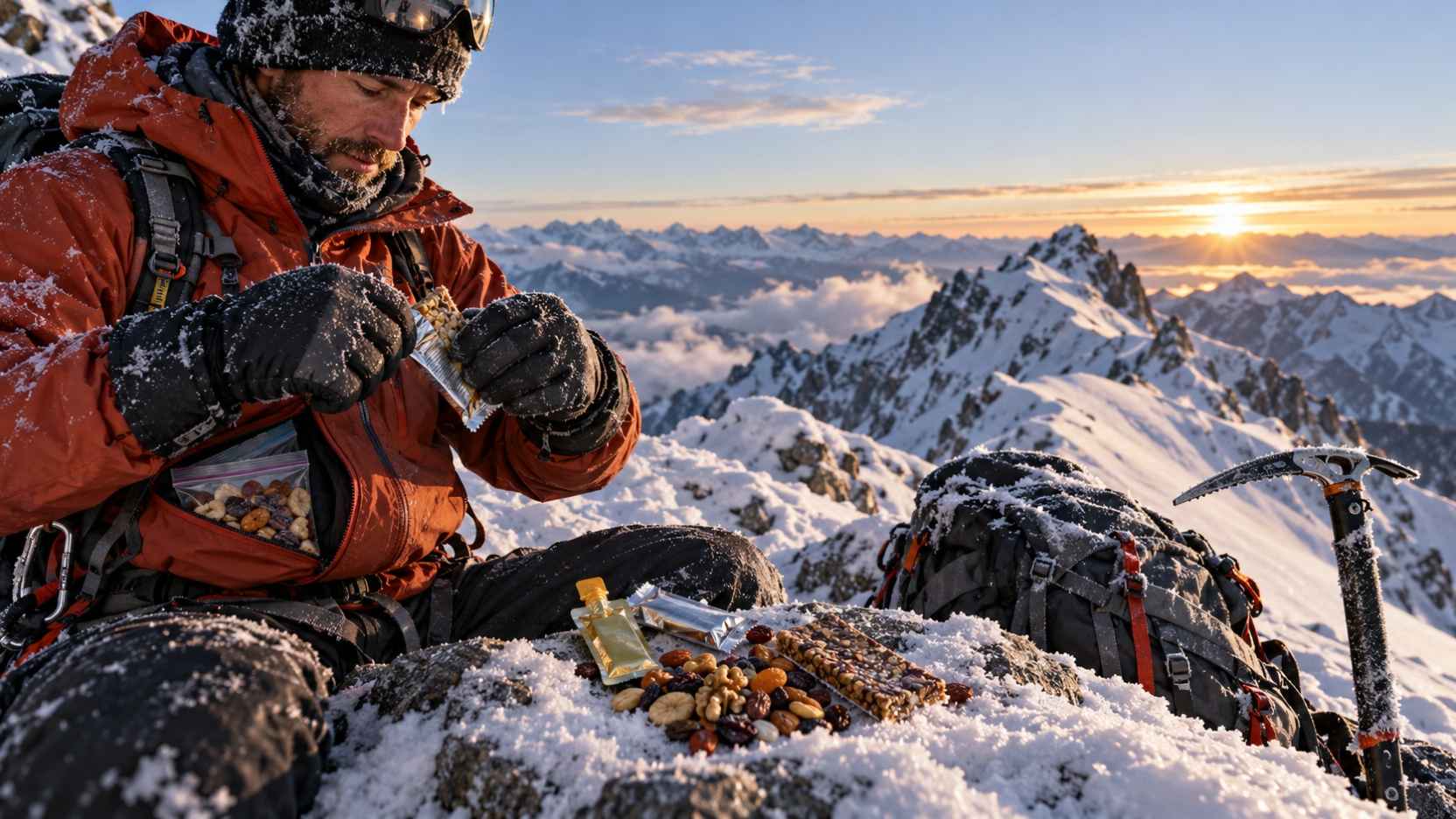
A long uphill section creates a surprisingly practical food problem: your body may be ready for a snack at the exact moment you least want to stop eating. 🥾 When you are climbing steadily, breathing becomes more demanding, your pace settles into a…
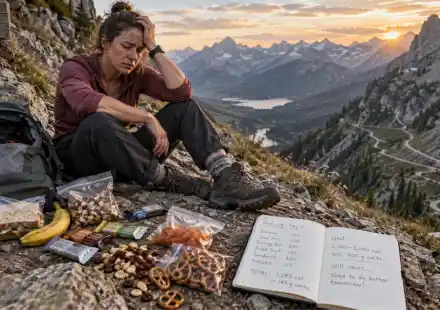
You Ate All Day—So Why Did You Still Run Out of Energy? The Math Behind Random Trail Snacking
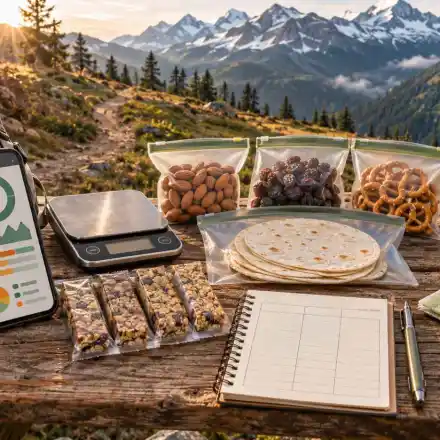
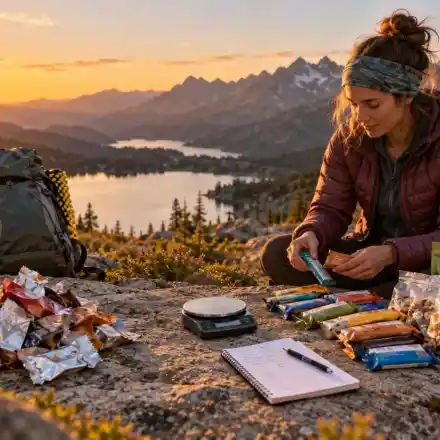
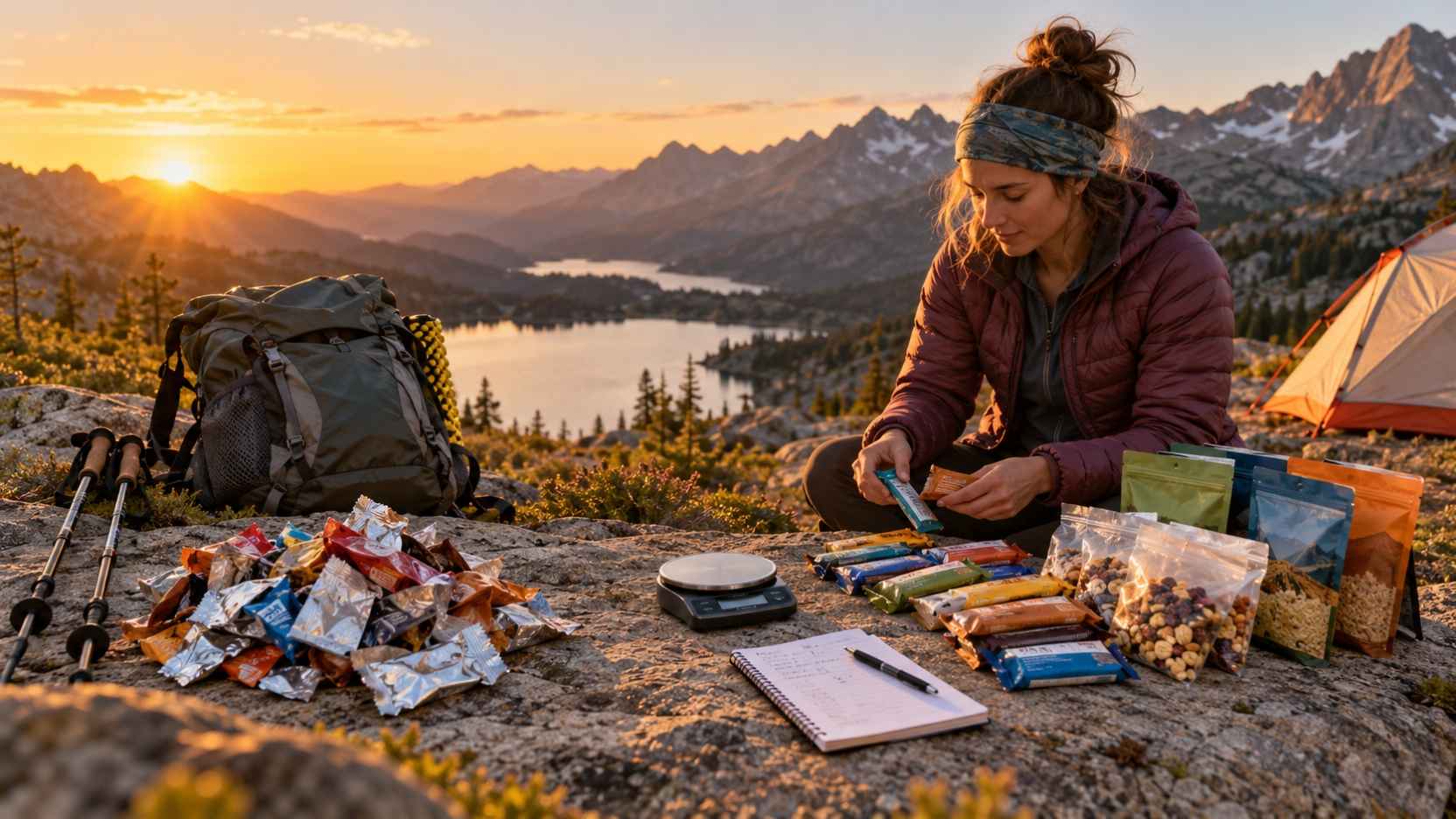
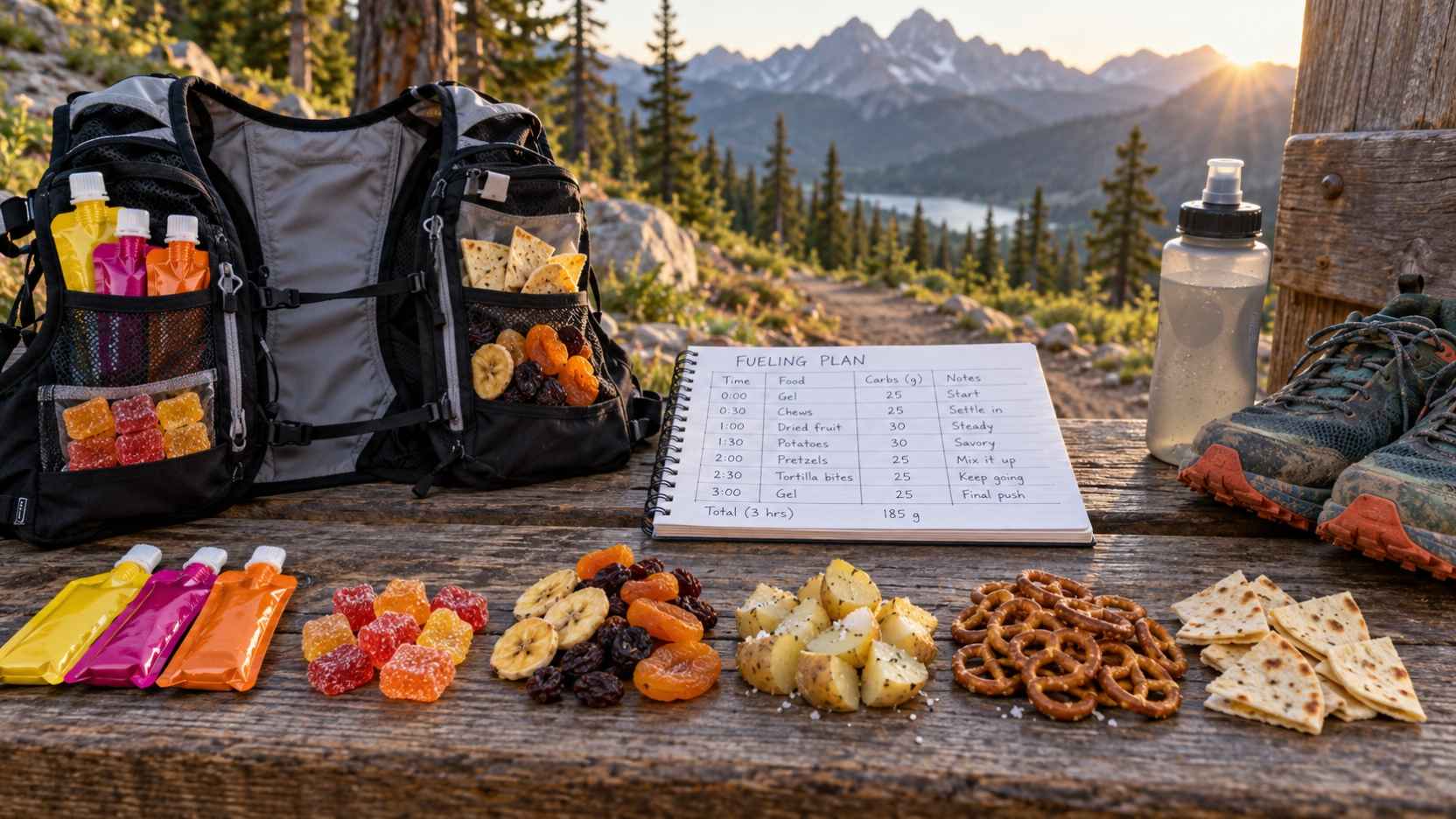
Why “I Ate Plenty” Tells You Almost Nothing 🥾 A hiker can snack from sunrise to afternoon and still finish feeling flat, slow, or mentally drained. The problem is that “I ate all day” describes frequency, not quantity, and says nothing about how many…
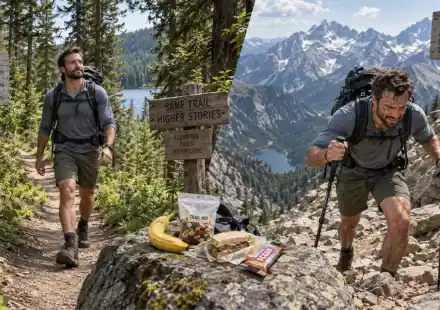
Easy Trail vs Steep Climb: Should Your Fueling Plan Change With Hiking Intensity?
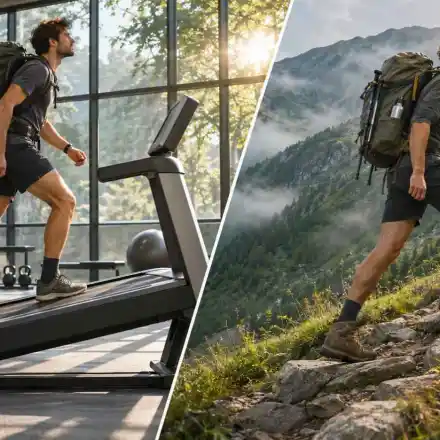
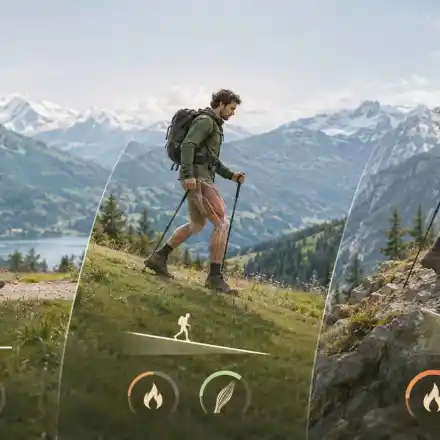
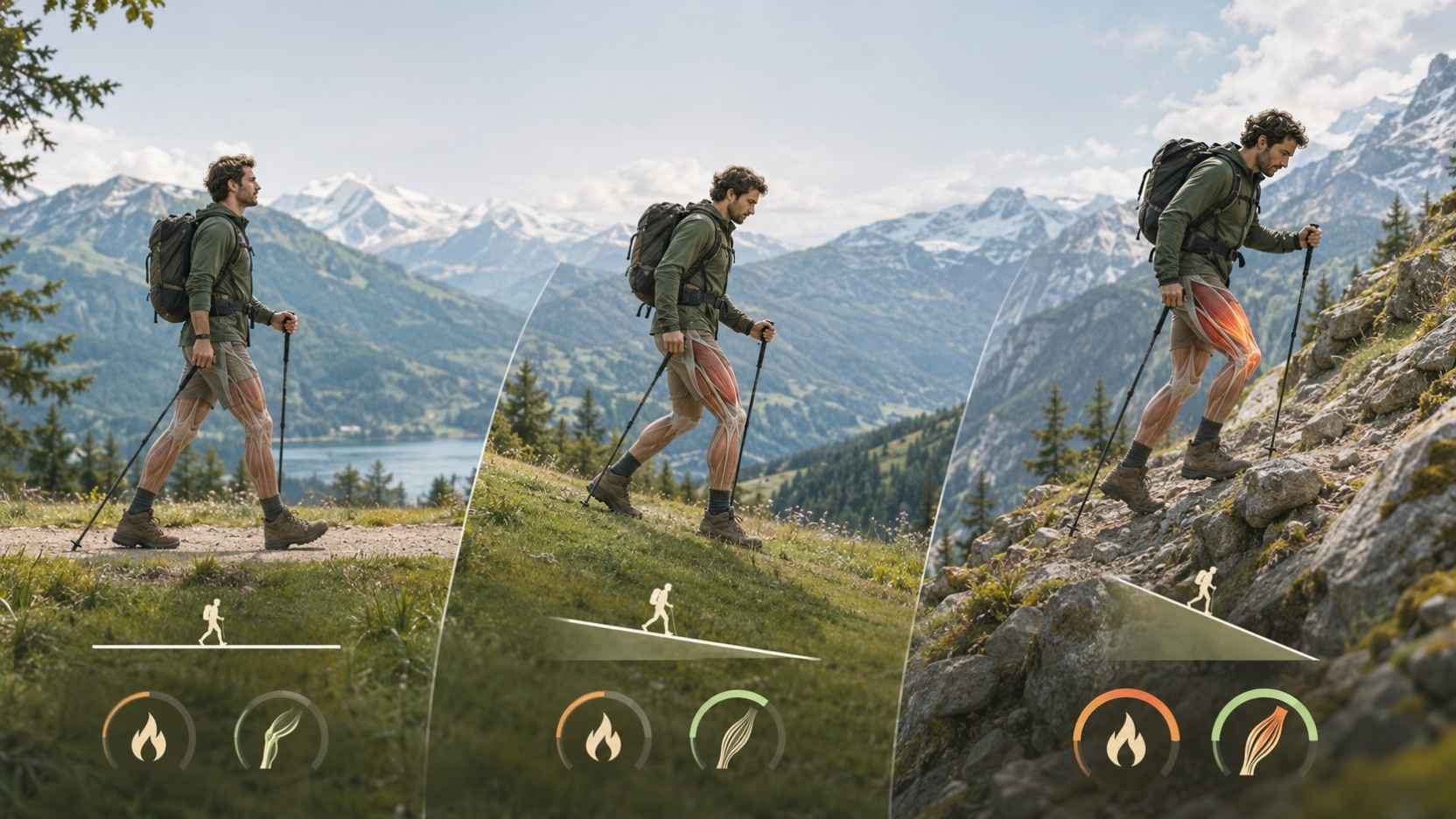
Two hikes can cover exactly five miles and still place dramatically different demands on your body, which is why distance alone is a poor way to plan trail food. Five easy miles on rolling terrain might feel conversational and steady, while five miles…
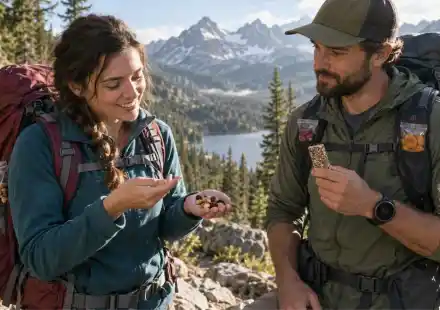
15 Minutes vs 60 Minutes: Does Trail Fuel Timing Matter If You Eat the Same Amount?
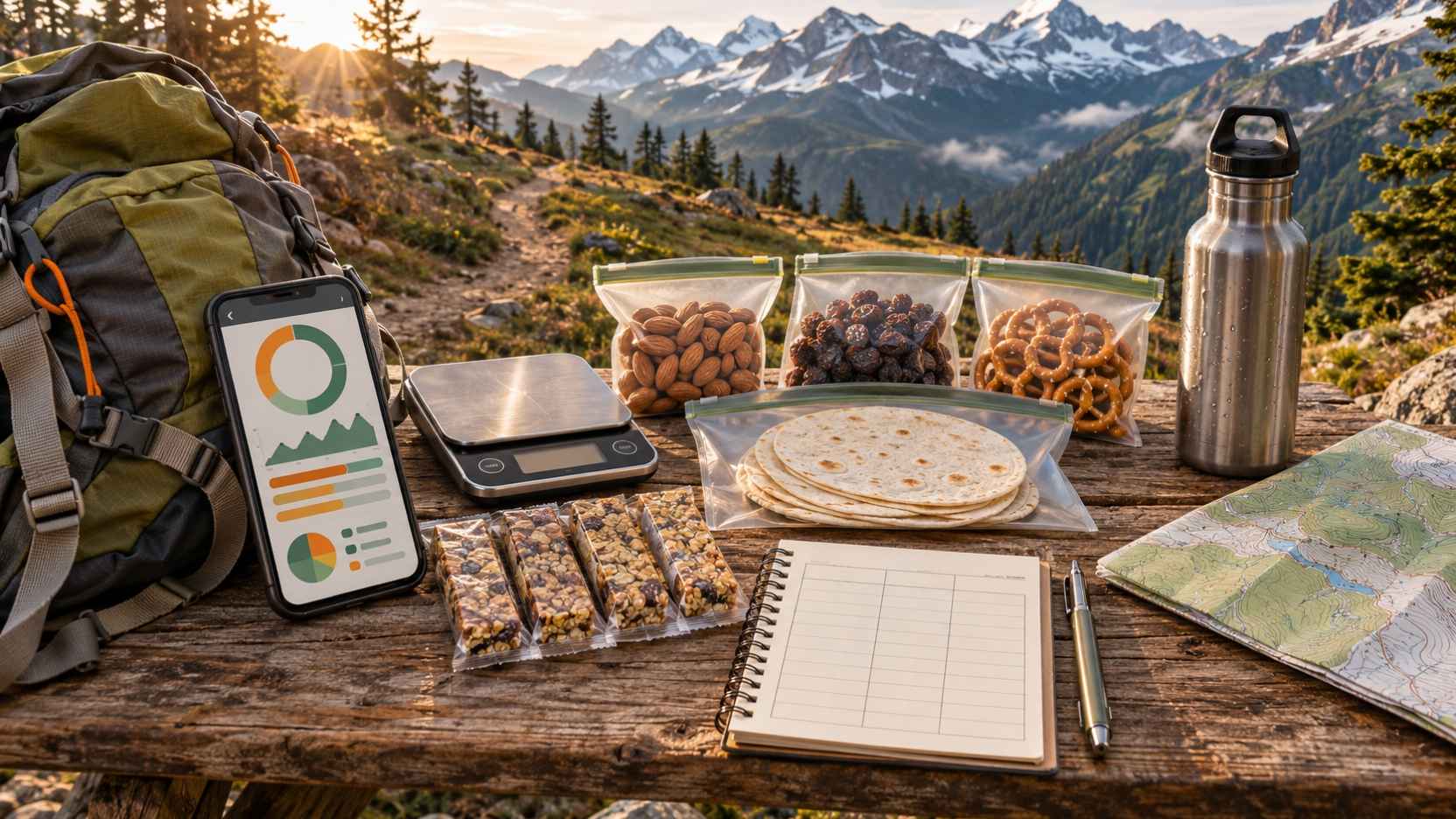
The Overlooked Difference Between Amount And Frequency When hikers ask whether they should eat every 15 minutes or once every hour, two questions often get mixed together: how much fuel is eaten and how often it is eaten. Imagine a hiker who has already…
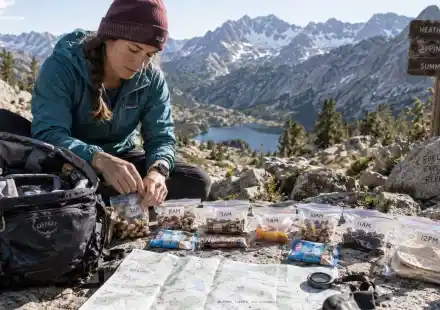
Can You Catch Up on Missed Trail Calories? The Math Behind Fueling Too Late
You packed enough food, calculated your trail calories, and started the day with a neat fueling plan, but several hours later half the snacks are still sitting untouched in your pack. The obvious solution seems simple: eat the missed calories later and…
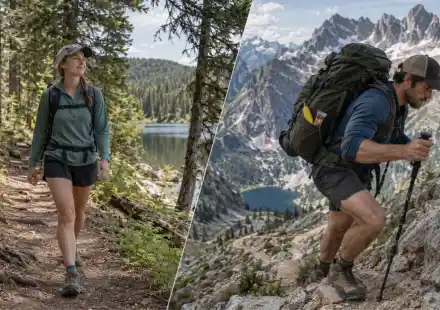
Do You Need to Eat During a 2-Hour Hike? Duration vs Intensity Explained
A two-hour hike sounds short enough that food might seem unnecessary, yet hikers can have completely different experiences over the same amount of time. One person may finish a relaxed two-hour walk without thinking about food, while another may…
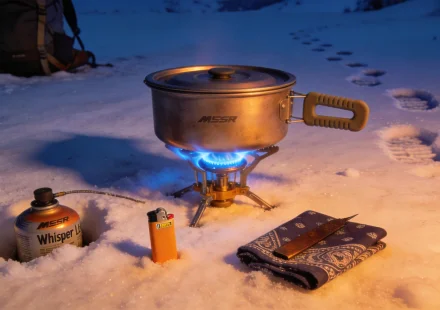
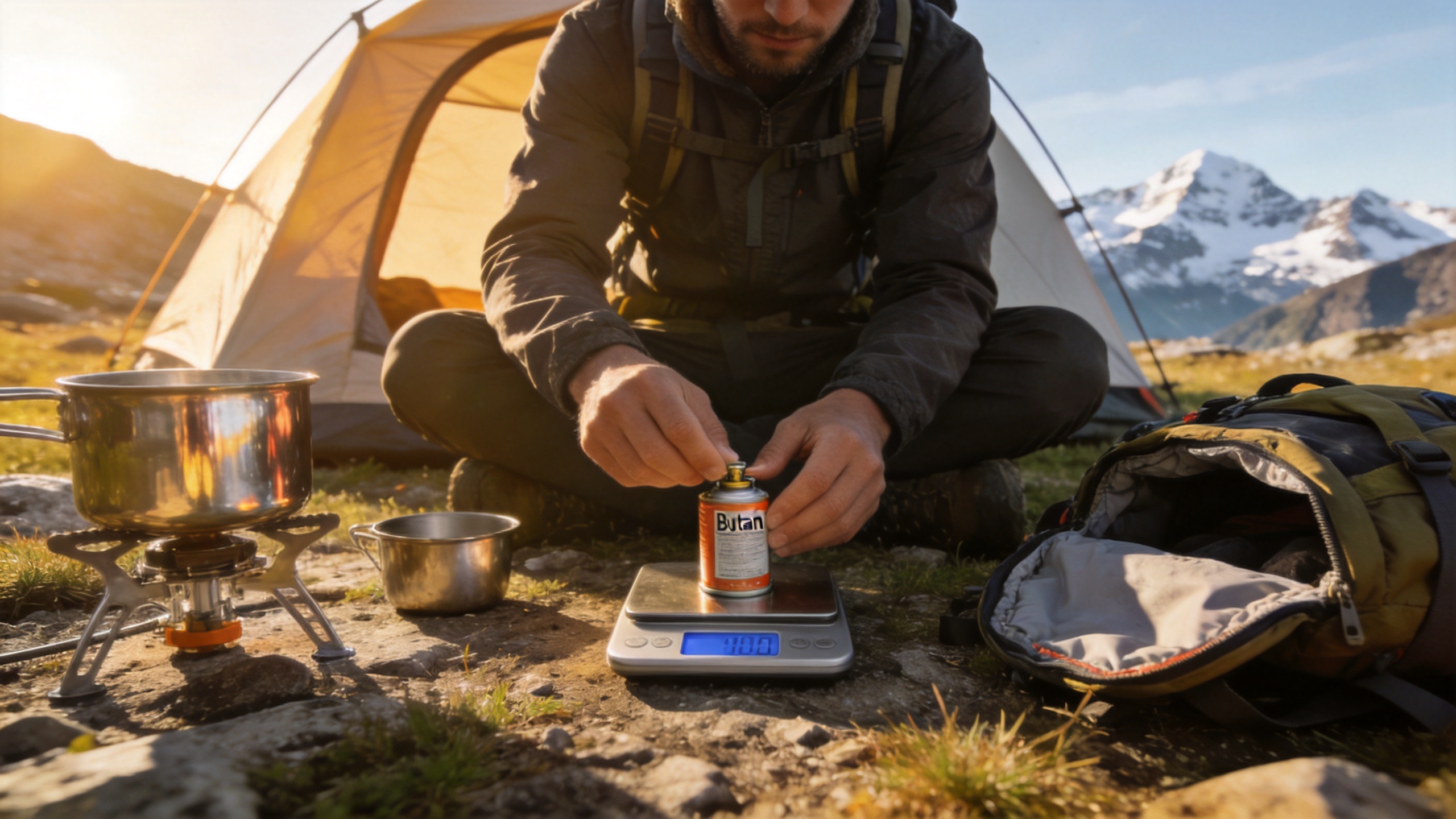
Ultralight Winter Cook Kit: What to Pack for Snow Camping
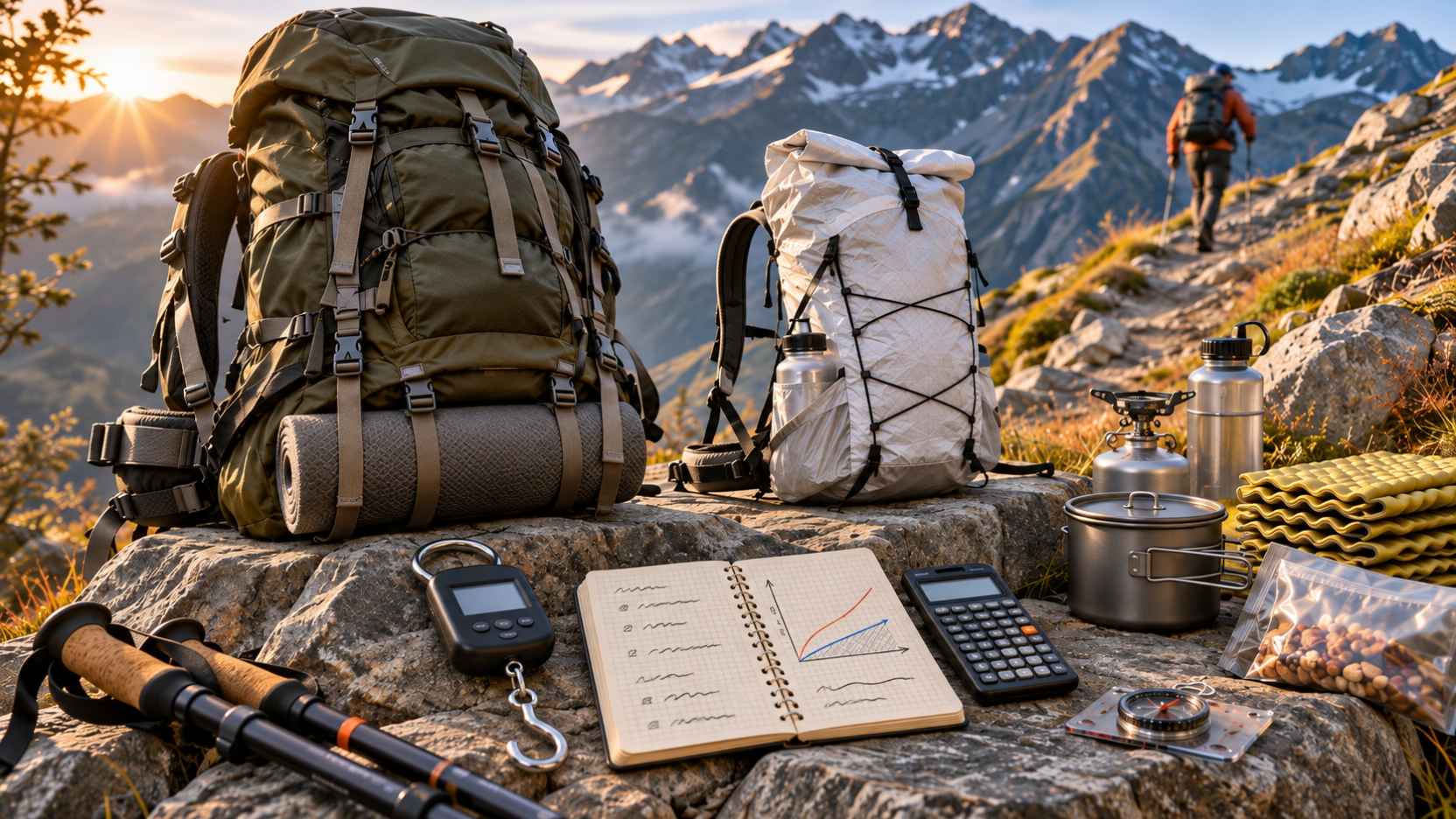
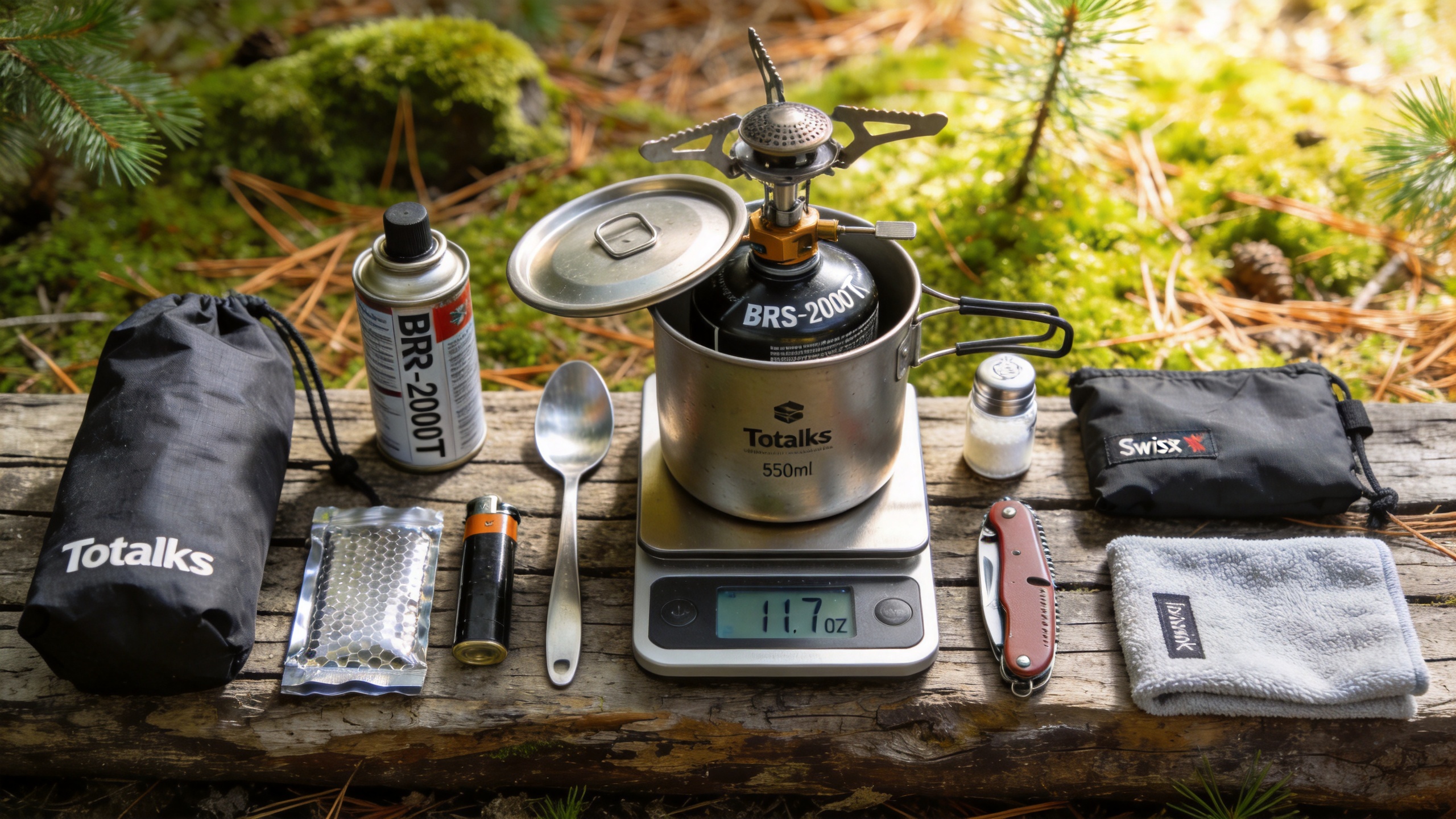
Ultralight Winter Cook Kit Introduction Snow camping transforms a simple overnight into a sub‑alpine expedition. Cooking in sub‑freezing temperatures demands gear that is both ultralight and brutally reliable. A single stove failure or a pot that won’t…
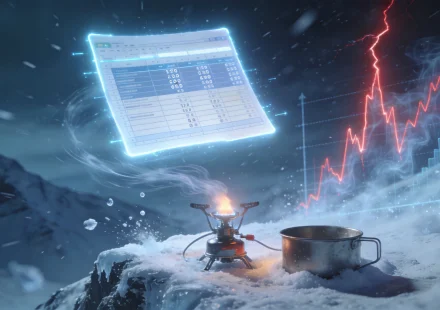
The Real-World Efficiency of Alcohol Stoves on the AT
The Myth of Theoretical Efficiency Every ultralight hiker who sets foot on the Appalachian Trail has run the numbers: 1 liter of fuel per 50 boils, a 10-gram burner, perfect combustion. The spreadsheets promise a 200-mile resupply. Then reality hits — a…
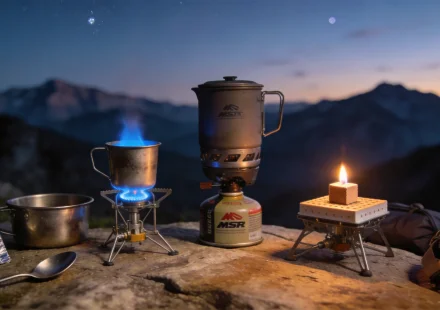
How to Choose the Right Stove for Your Thru-Hike
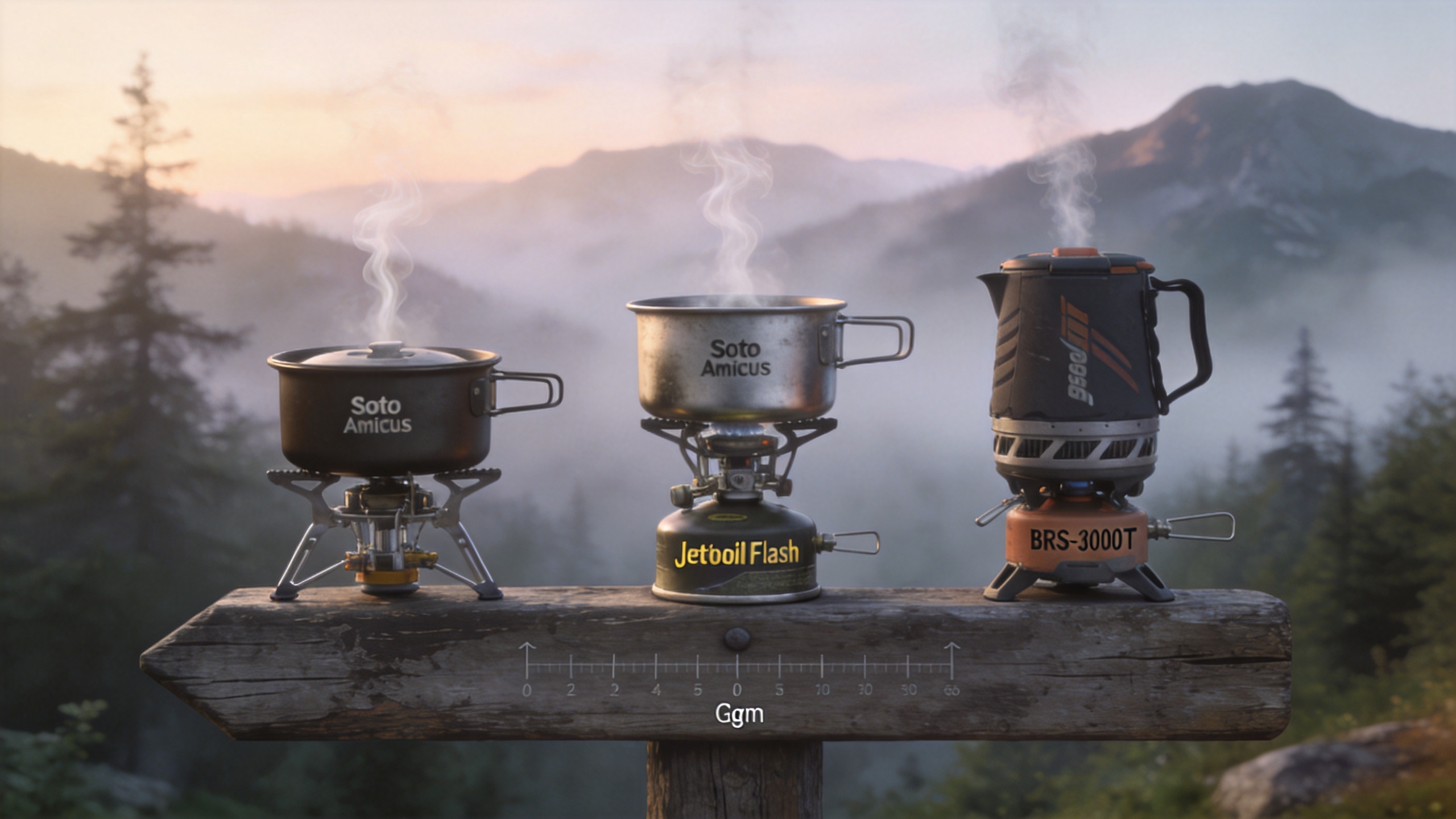
Choosing the right stove for a thru-hike can mean the difference between a hot meal under the stars and a frustrating battle with a finicky burner. Your stove is your mobile kitchen, and the wrong choice can waste fuel, add unnecessary weight, or leave…