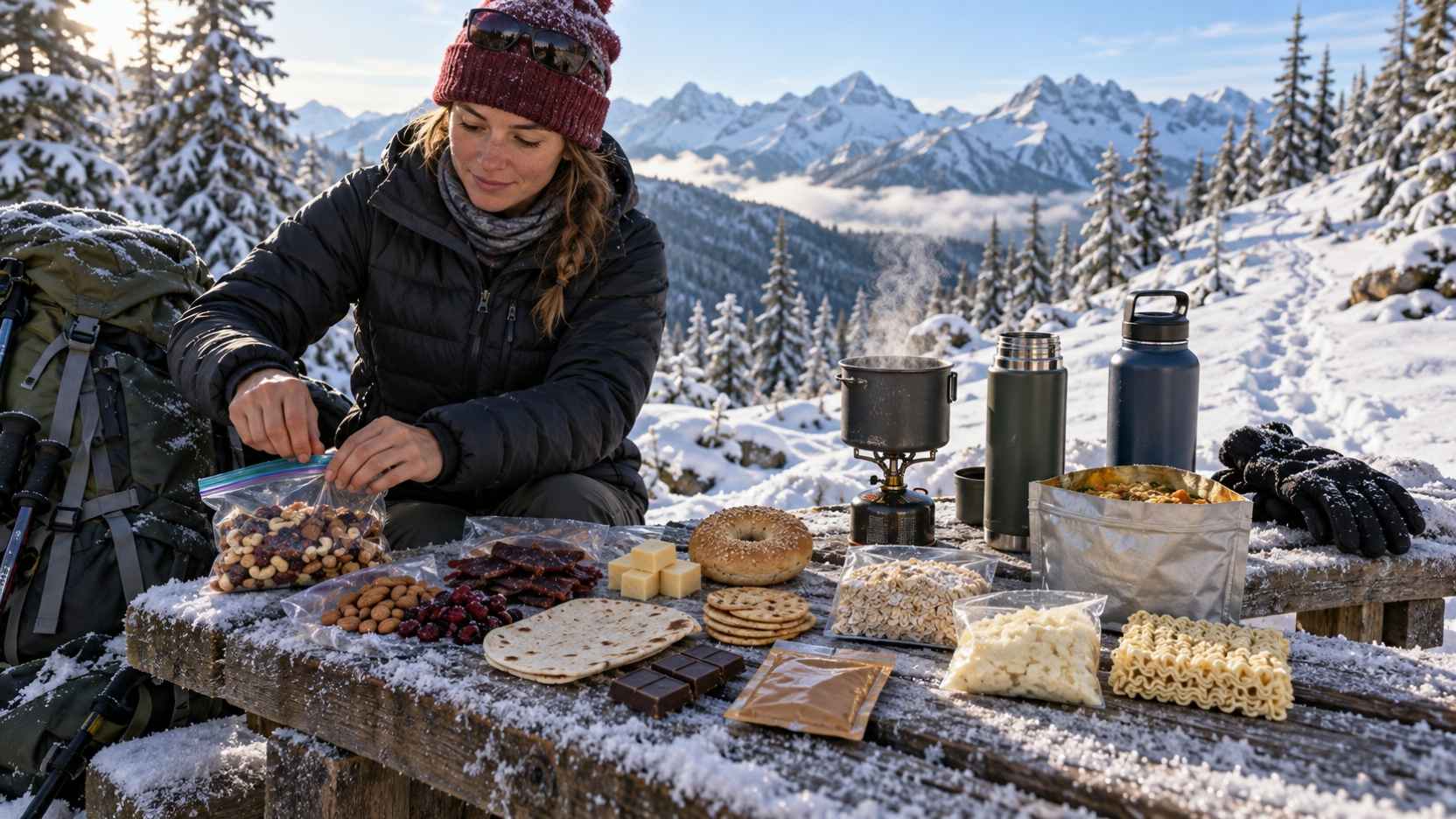
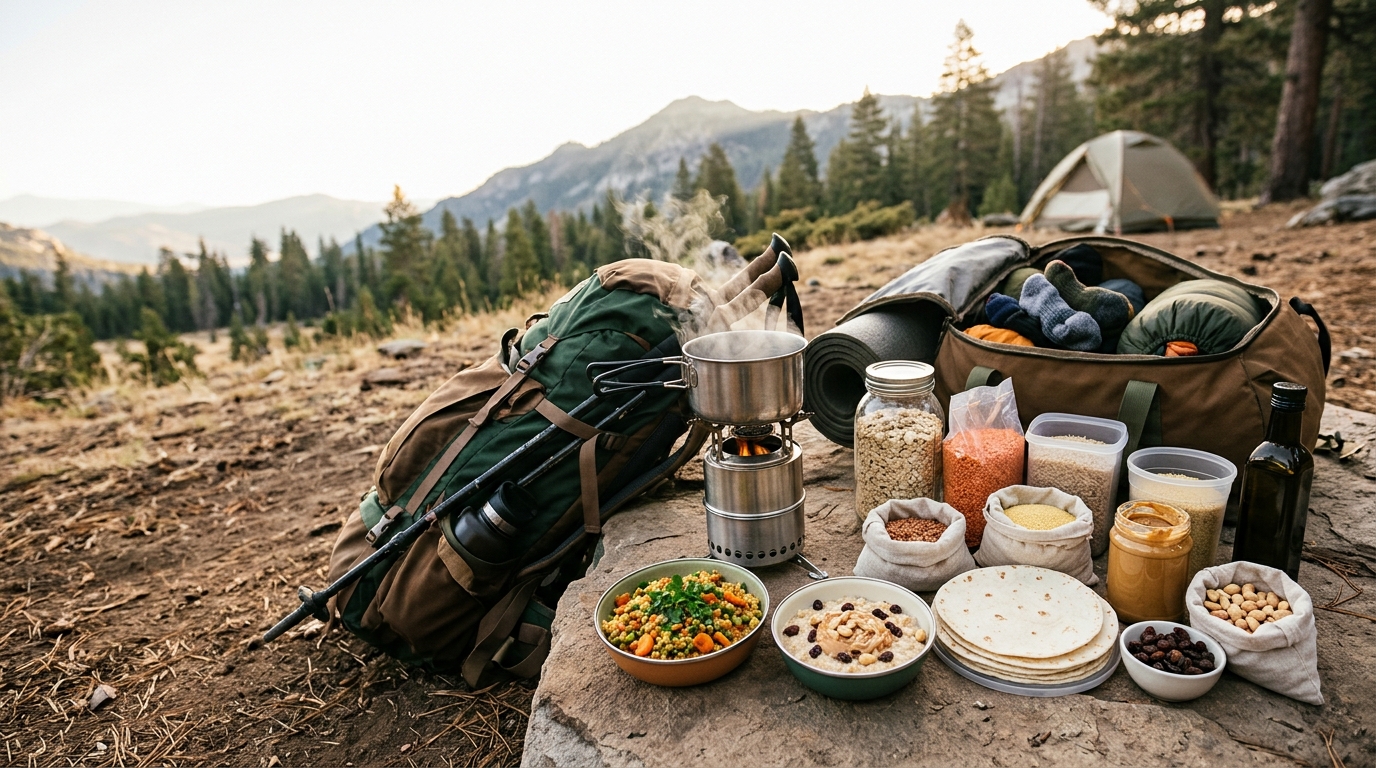
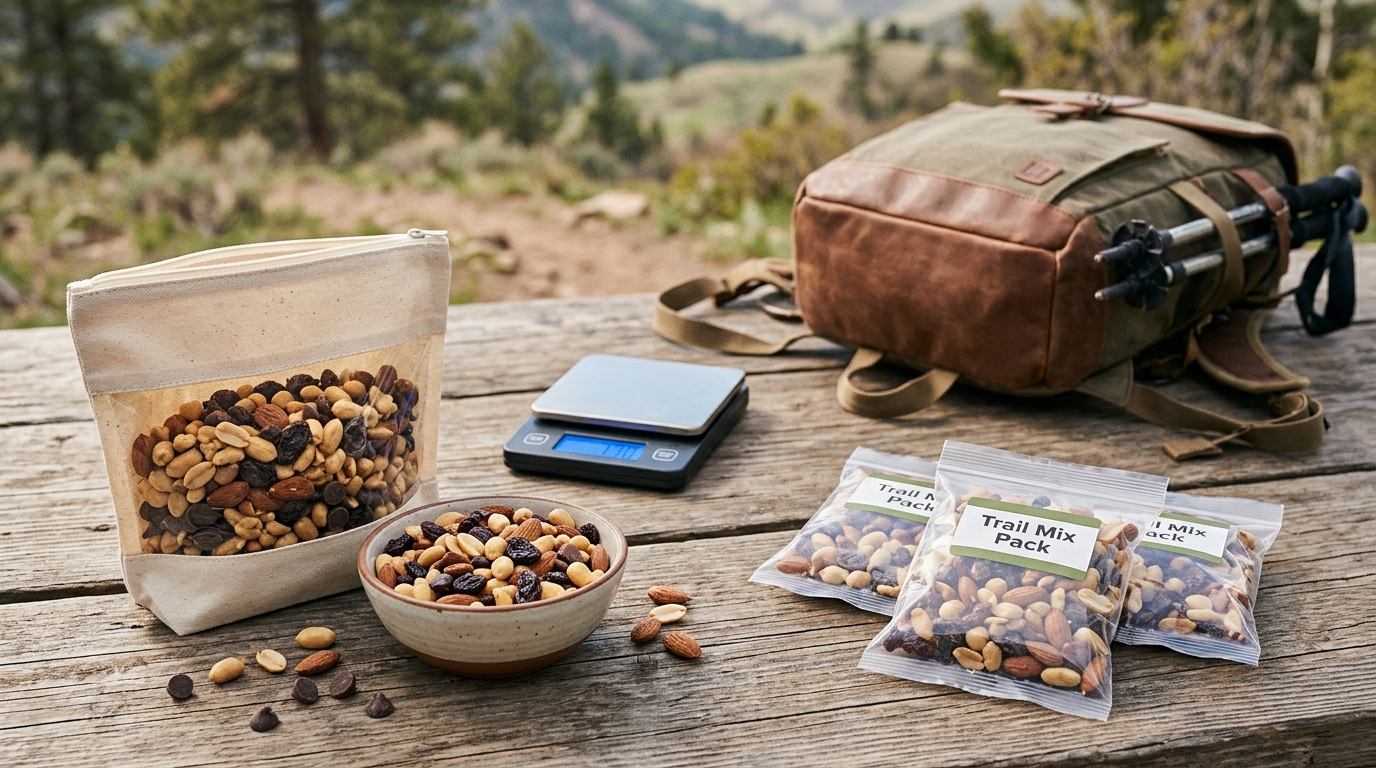
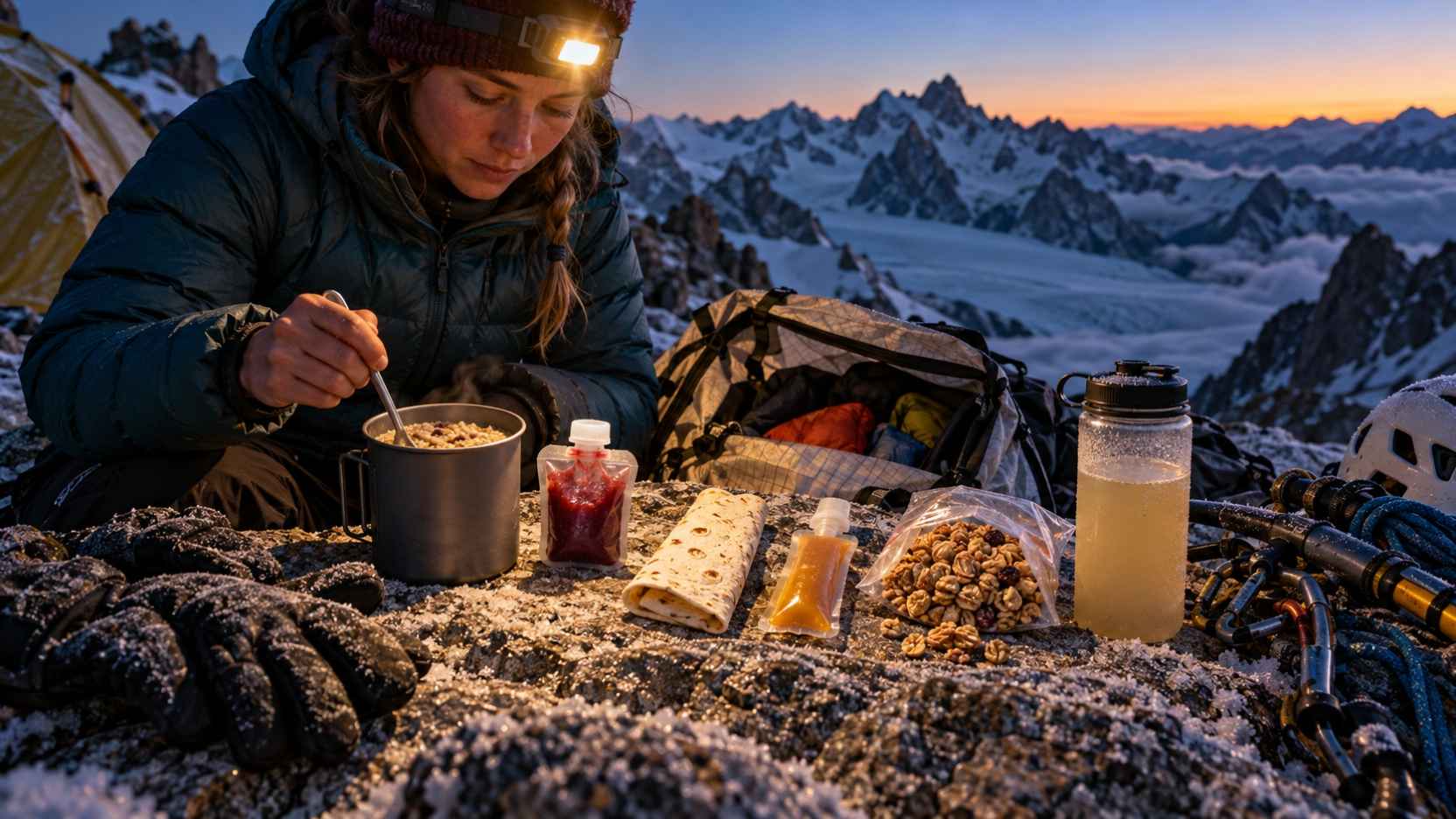

Same Trail Food Every Day? The Science and Logistics of a Simple Backpacking Menu
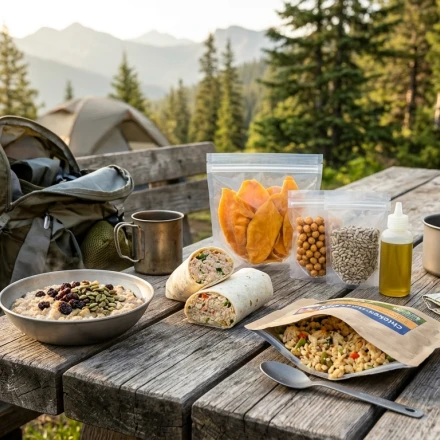
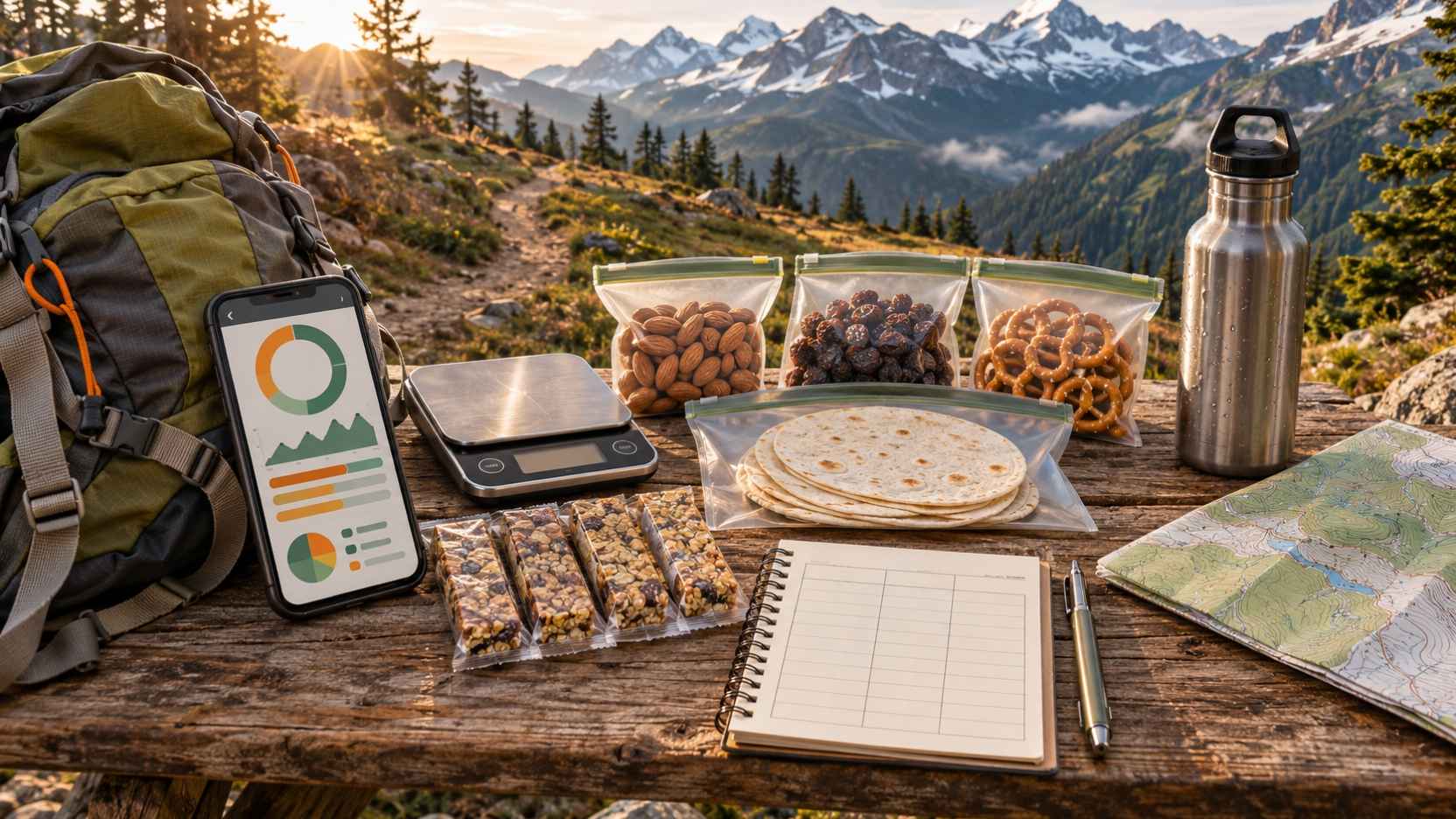
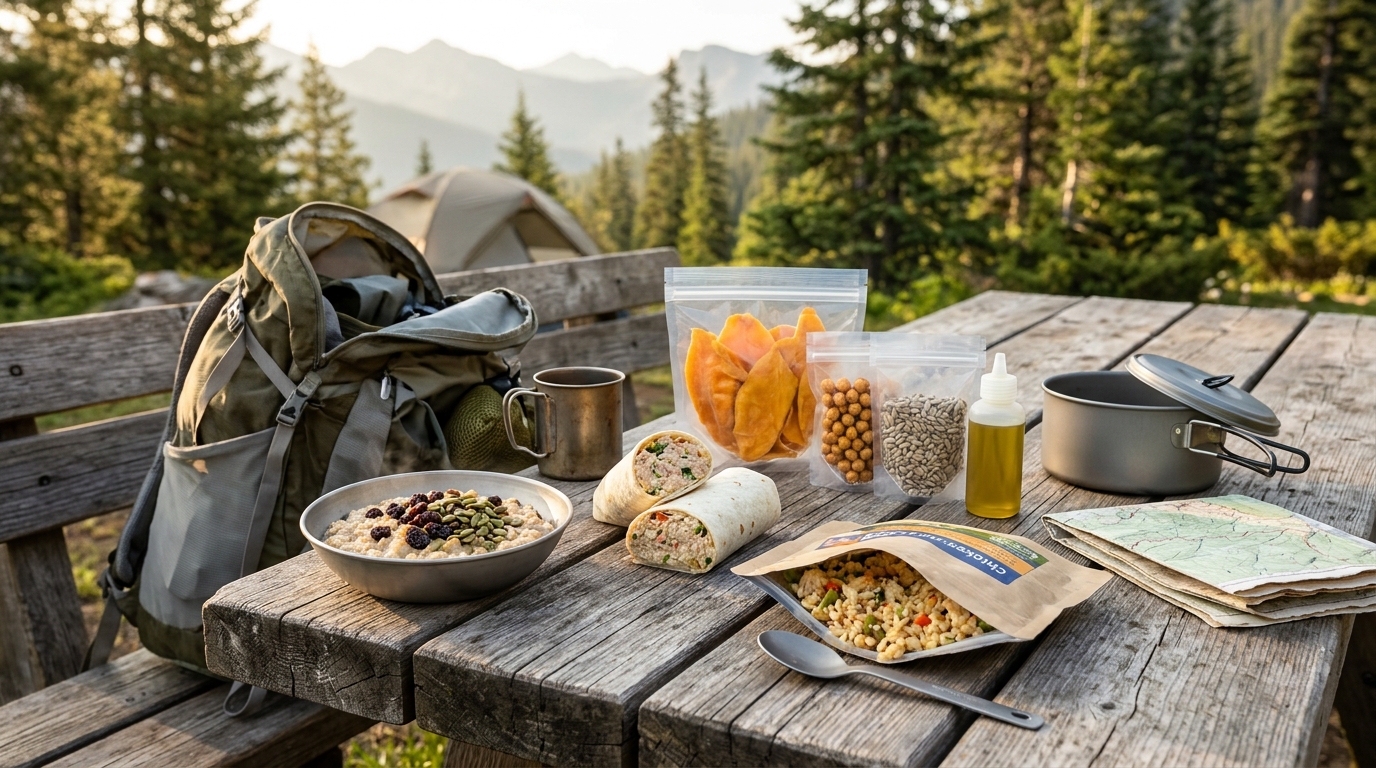
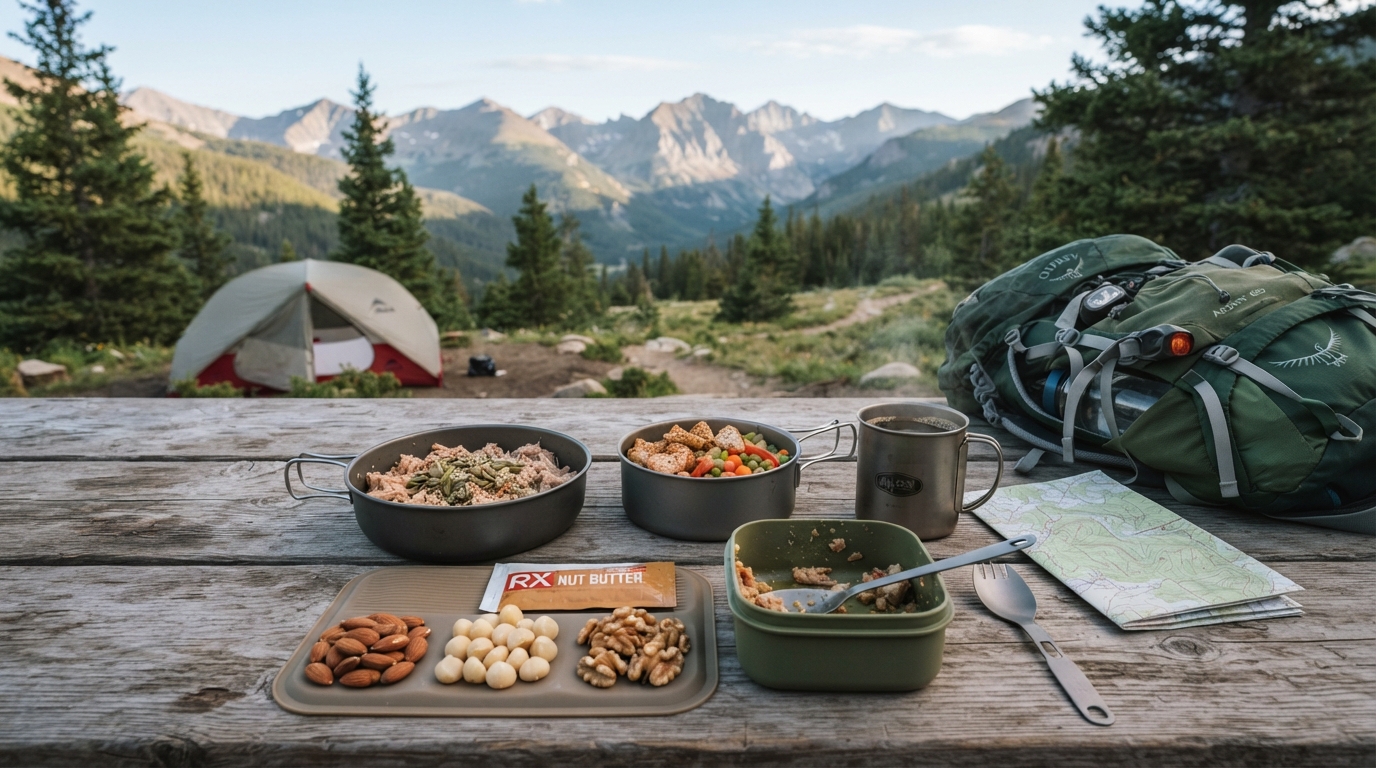
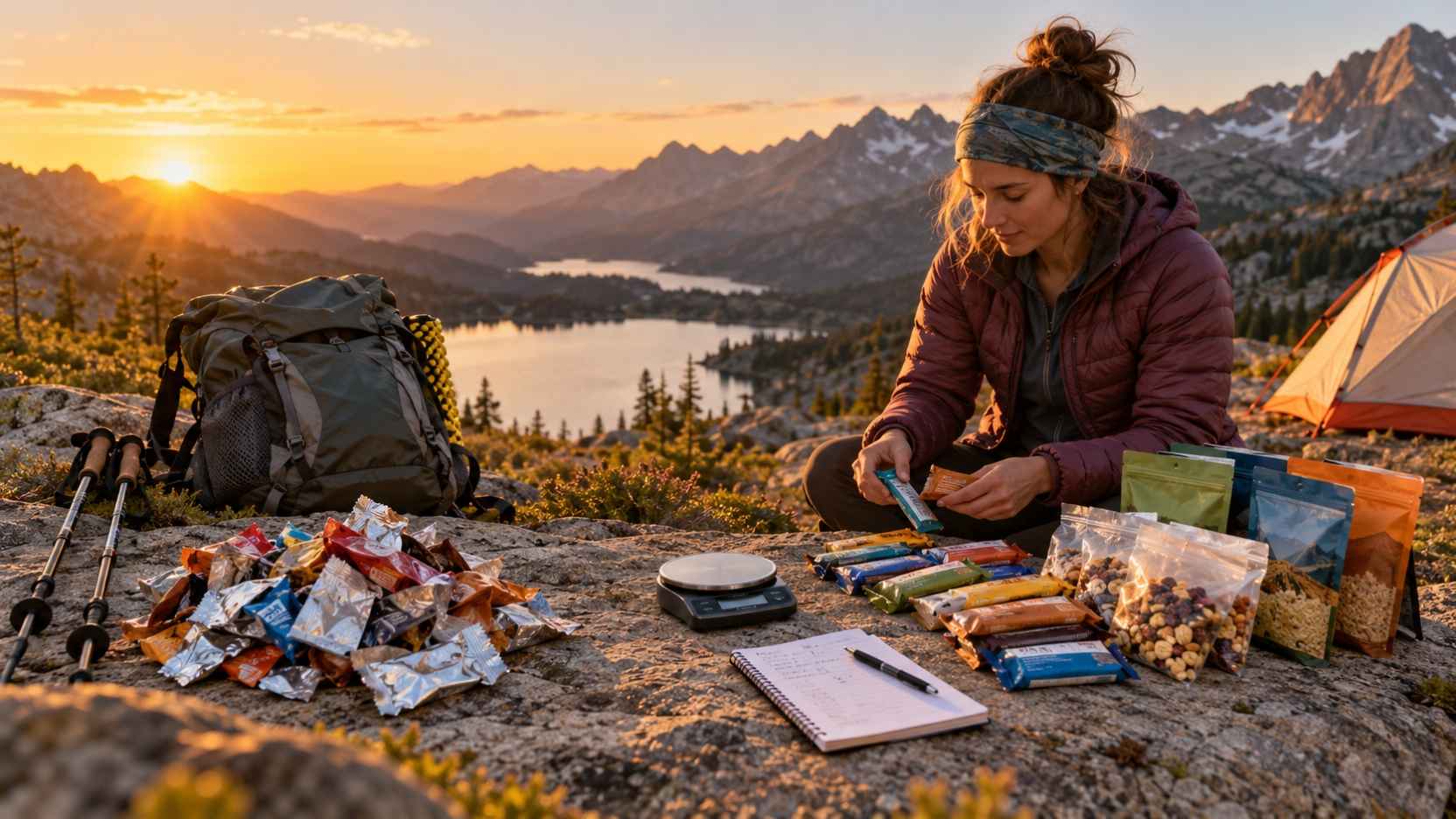
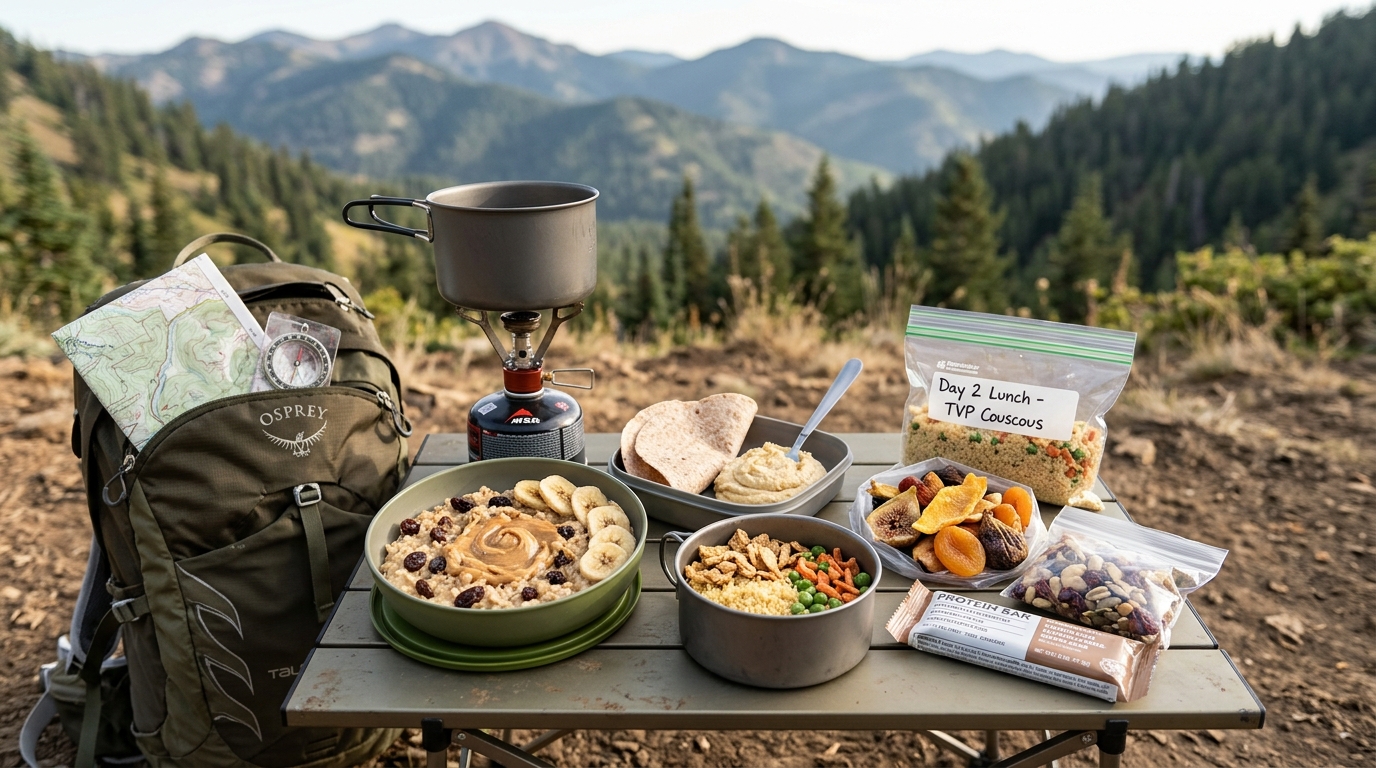
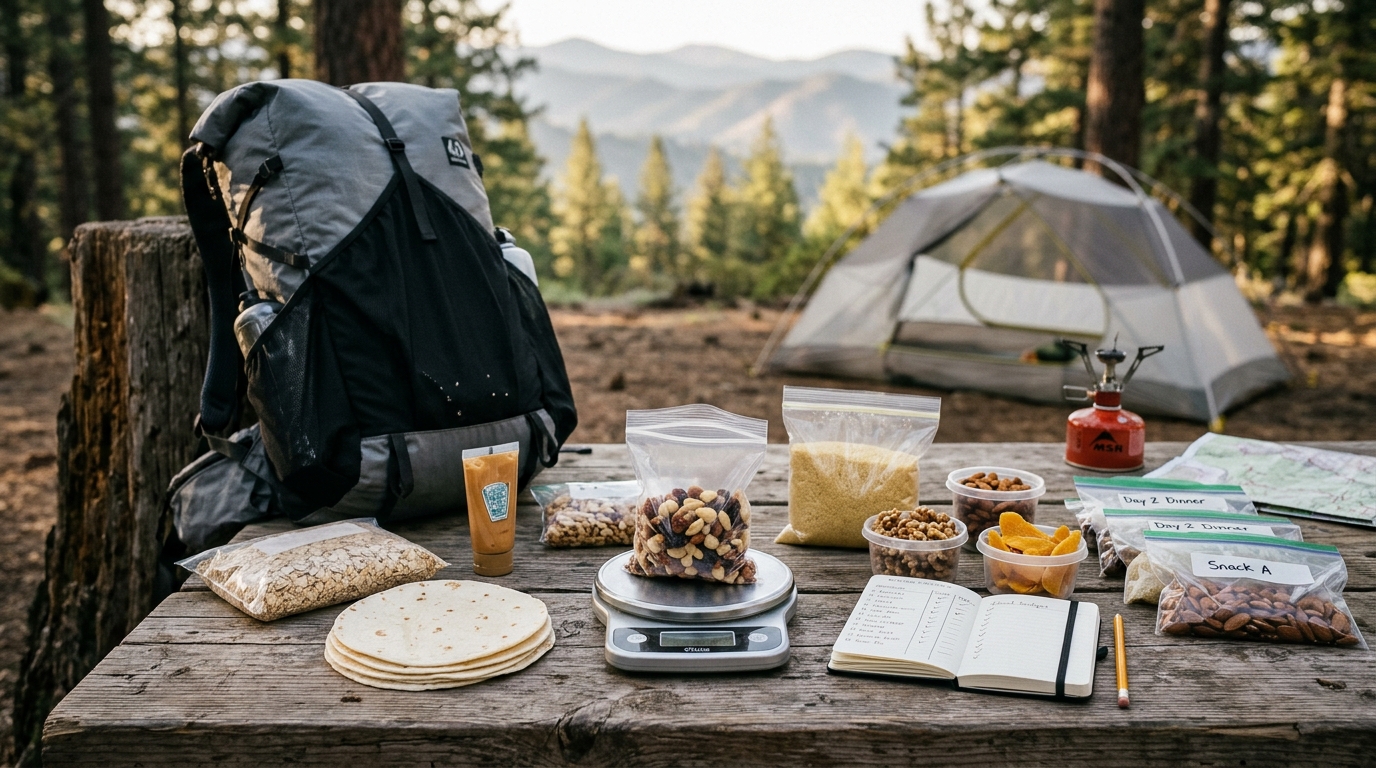
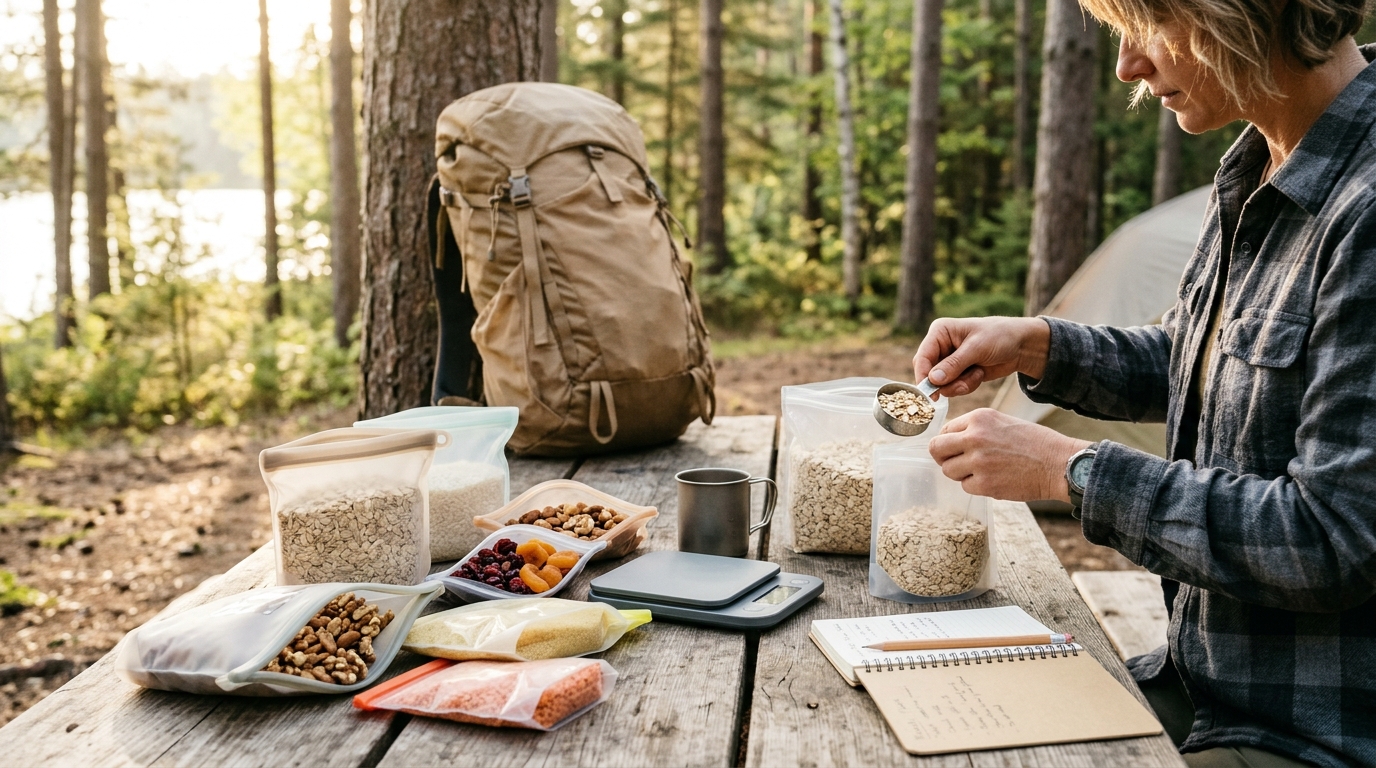
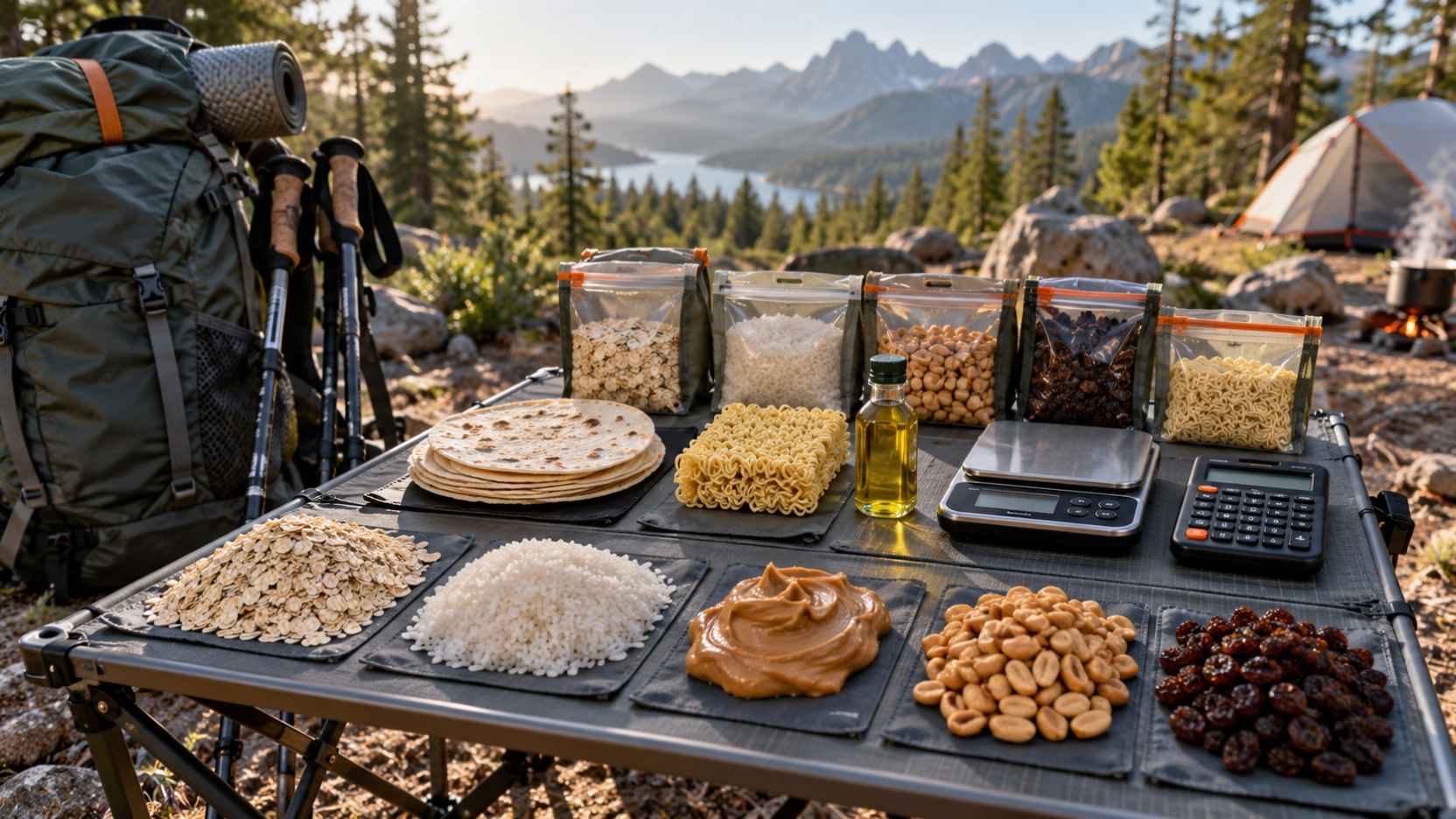
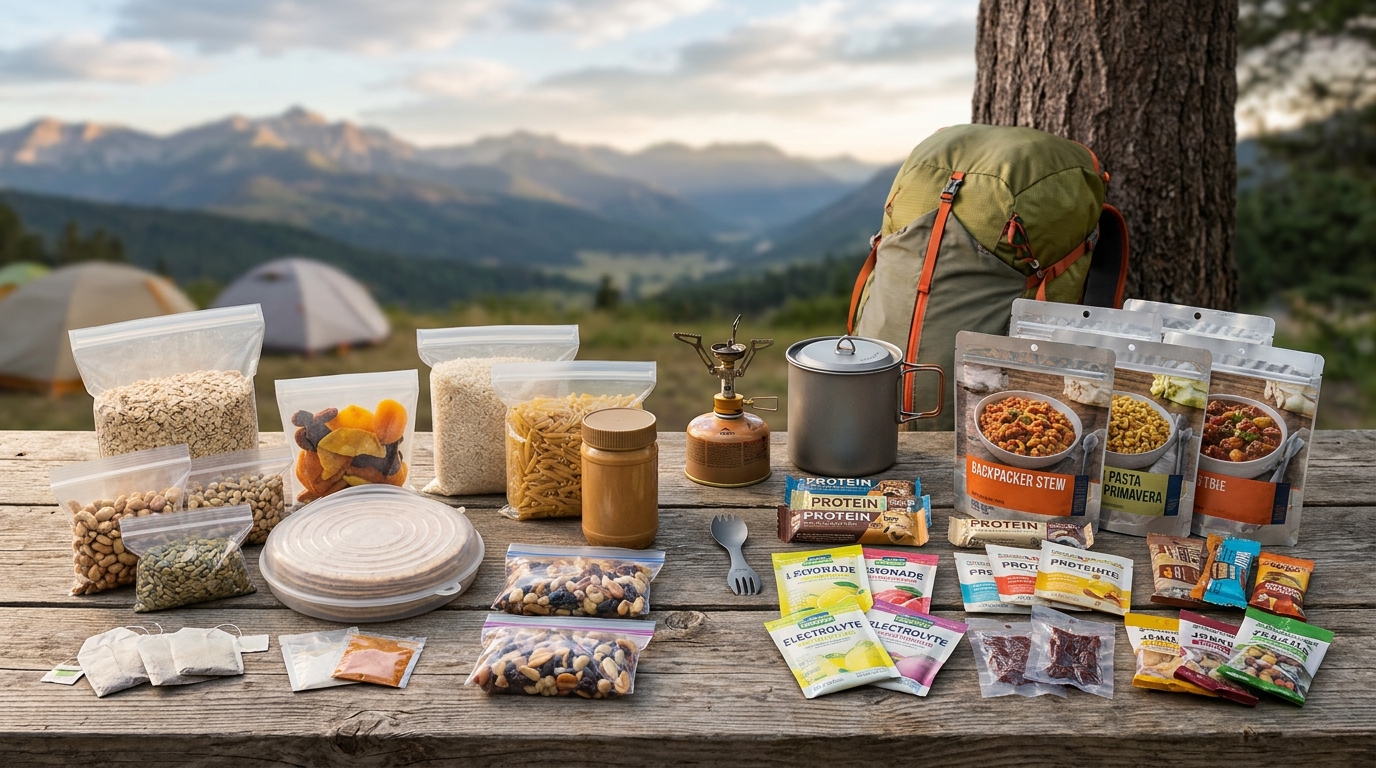
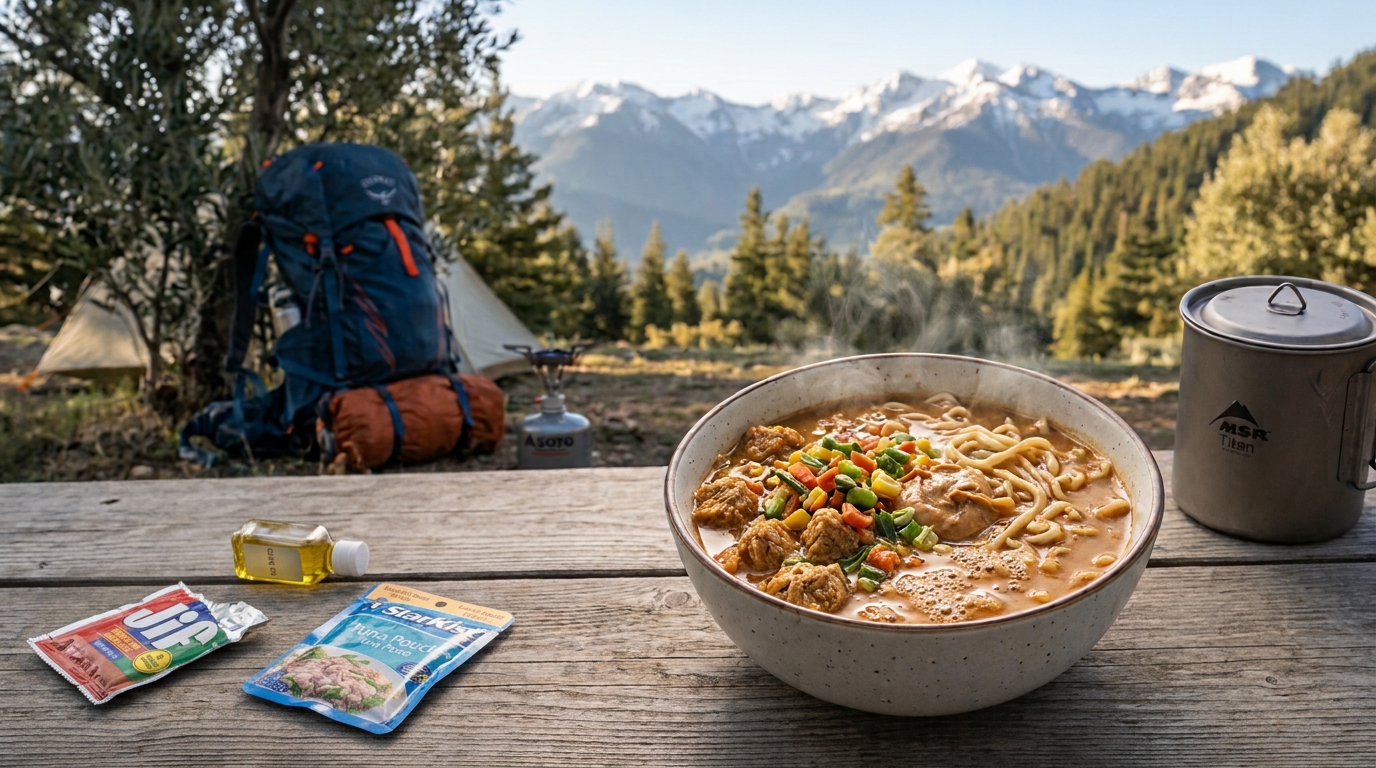
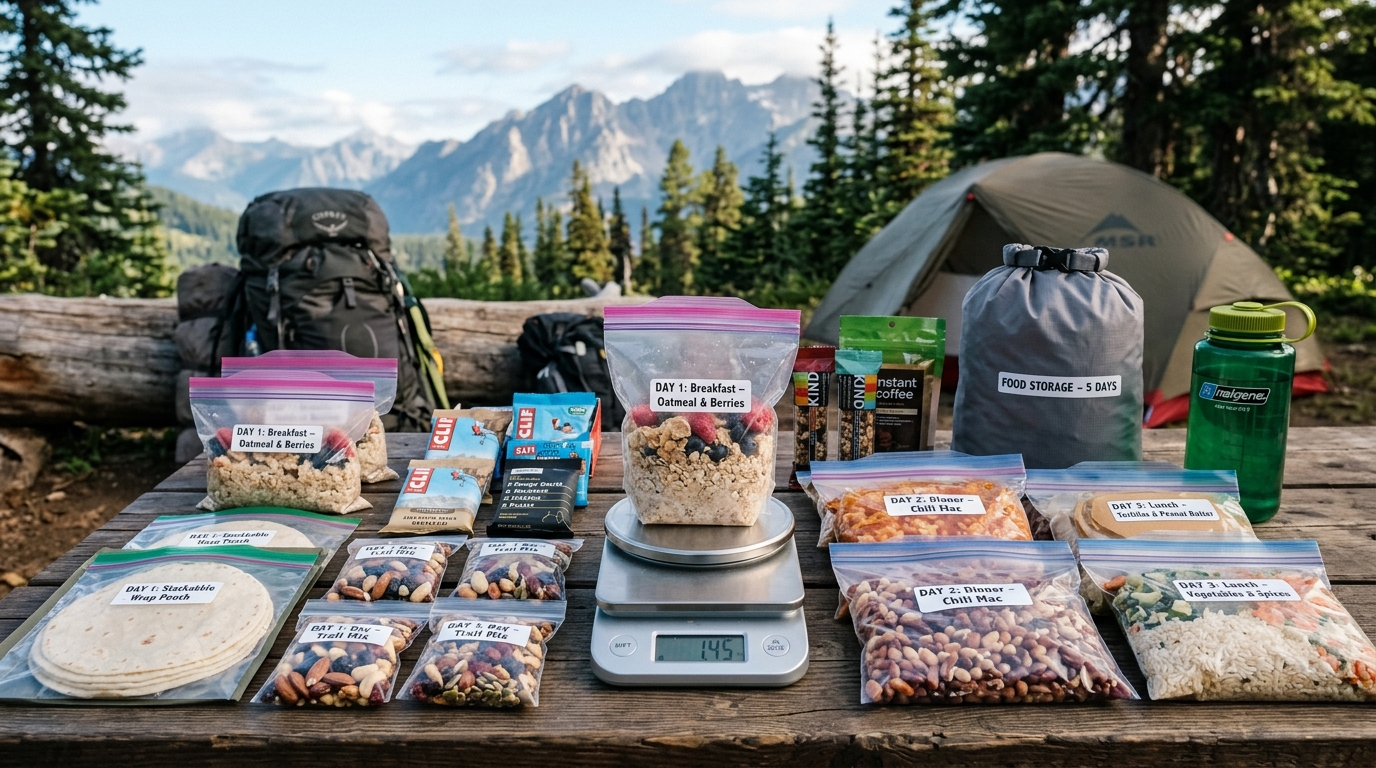
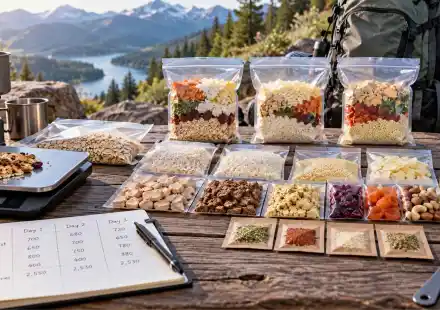
A backpacking food plan does not need a different breakfast, lunch, and dinner for every day. Repeating a small group of meals can simplify calorie math, grocery shopping, portioning, and resupply, especially when you want a predictable daily food target…
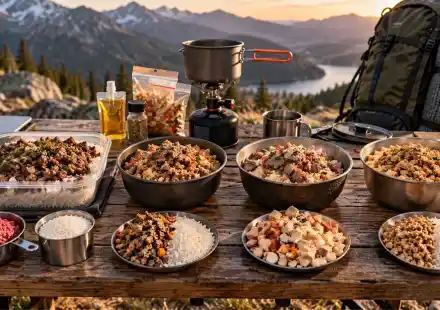
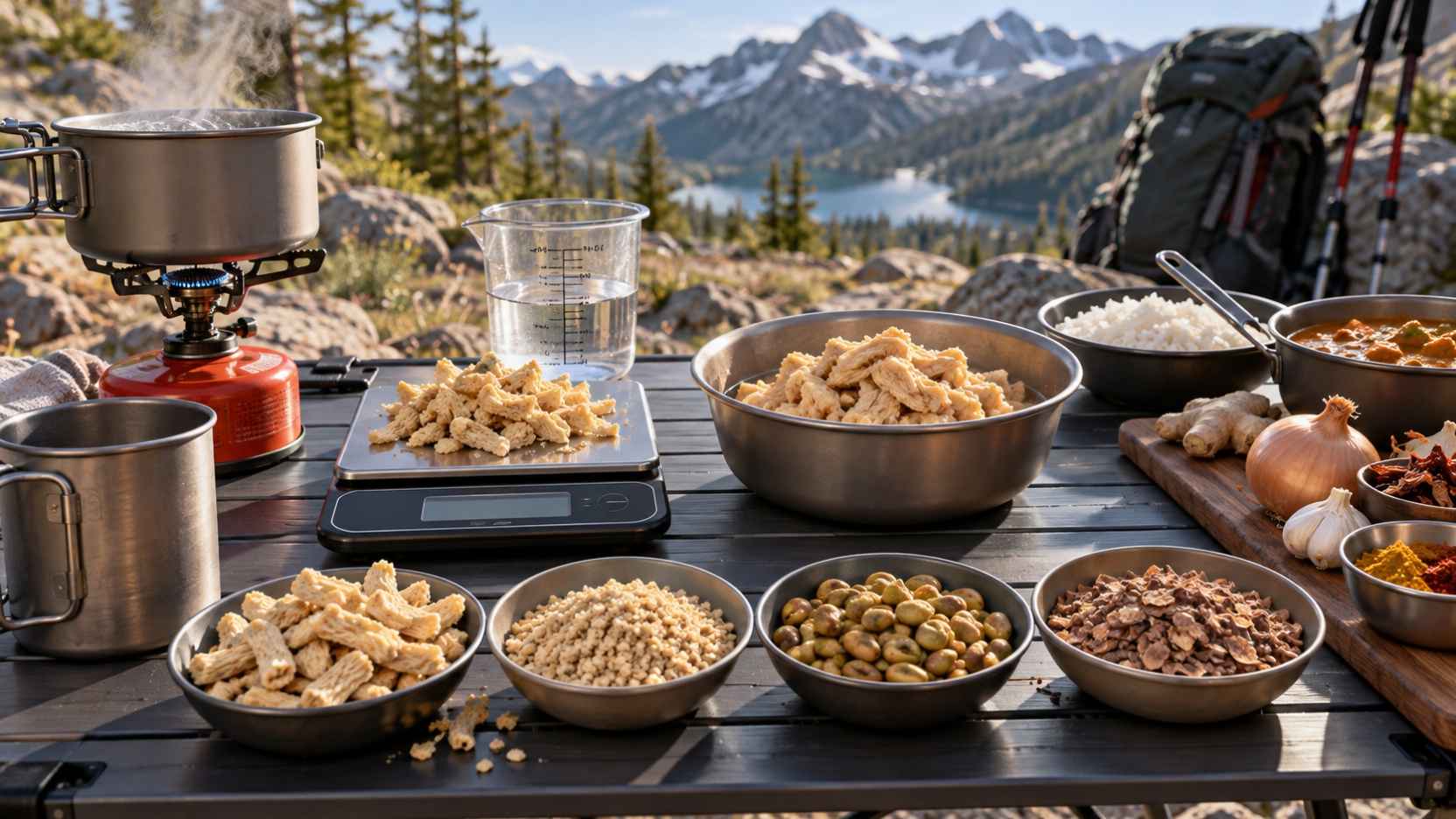
Beef and Rice for Backpacking: Calories, Weight, and the Better Trail Version
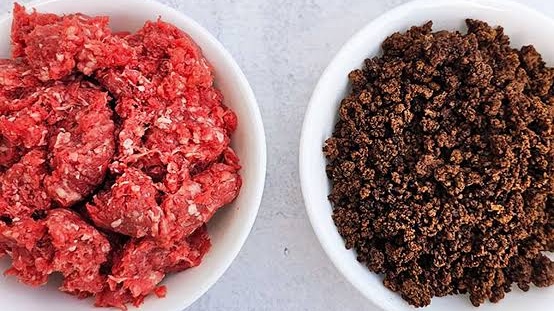
Why Beef And Rice Works Differently At Home And On Trail Beef and rice is ordinary home food, which is exactly why it makes such a useful backpacking nutrition experiment. 🍚 At home, the water absorbed by cooked rice and retained in cooked beef barely…
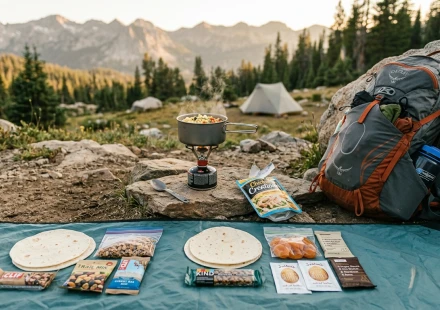
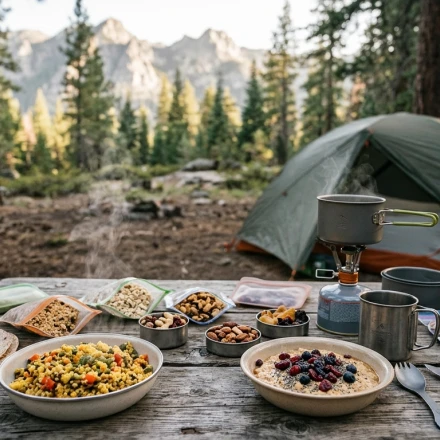
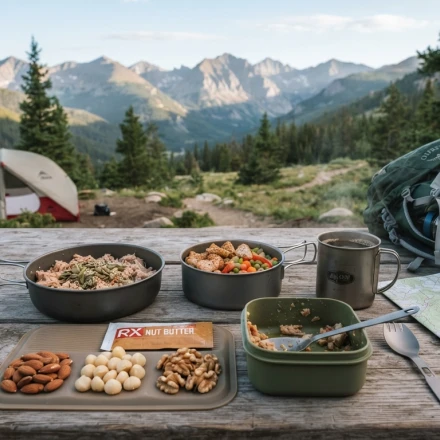
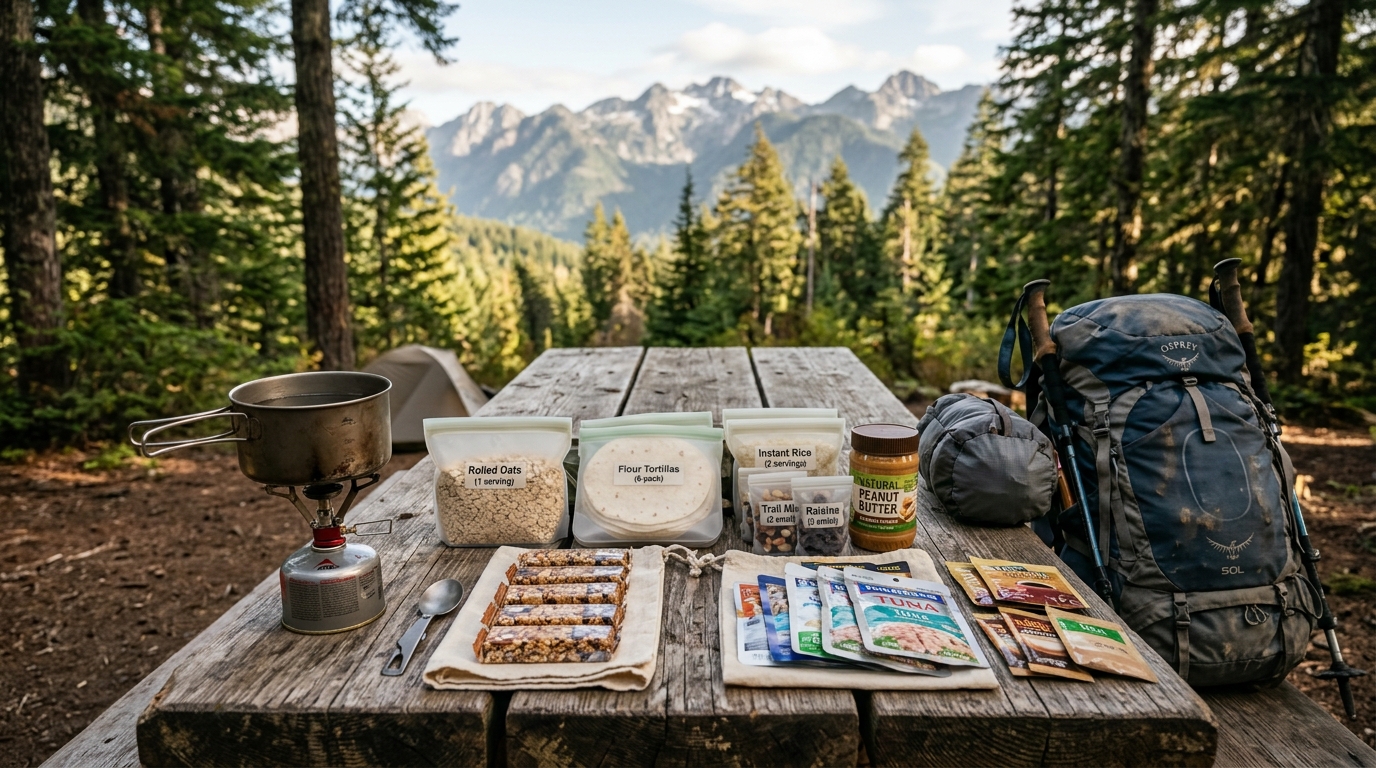
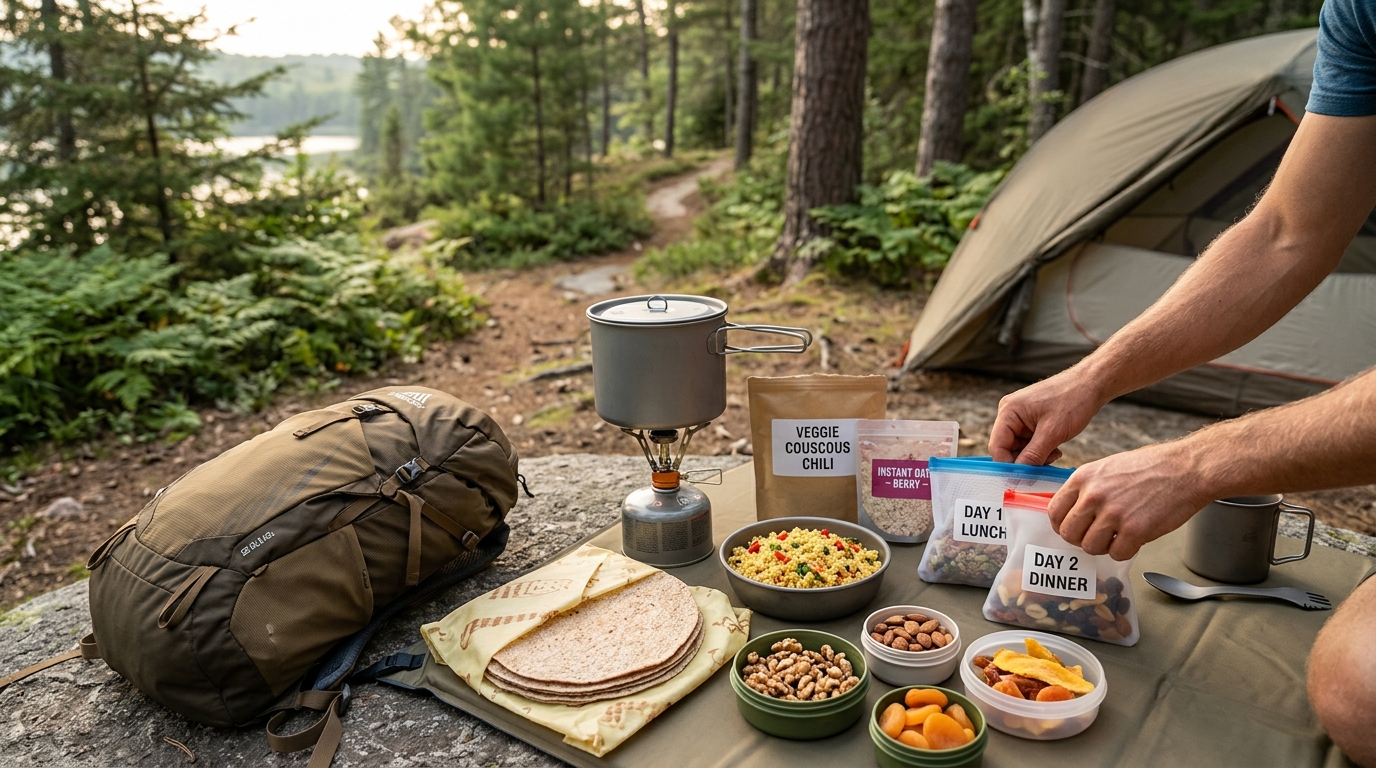
A 3-Night Backpacking Menu With Just One Hot Meal Per Day 🏕️🍲
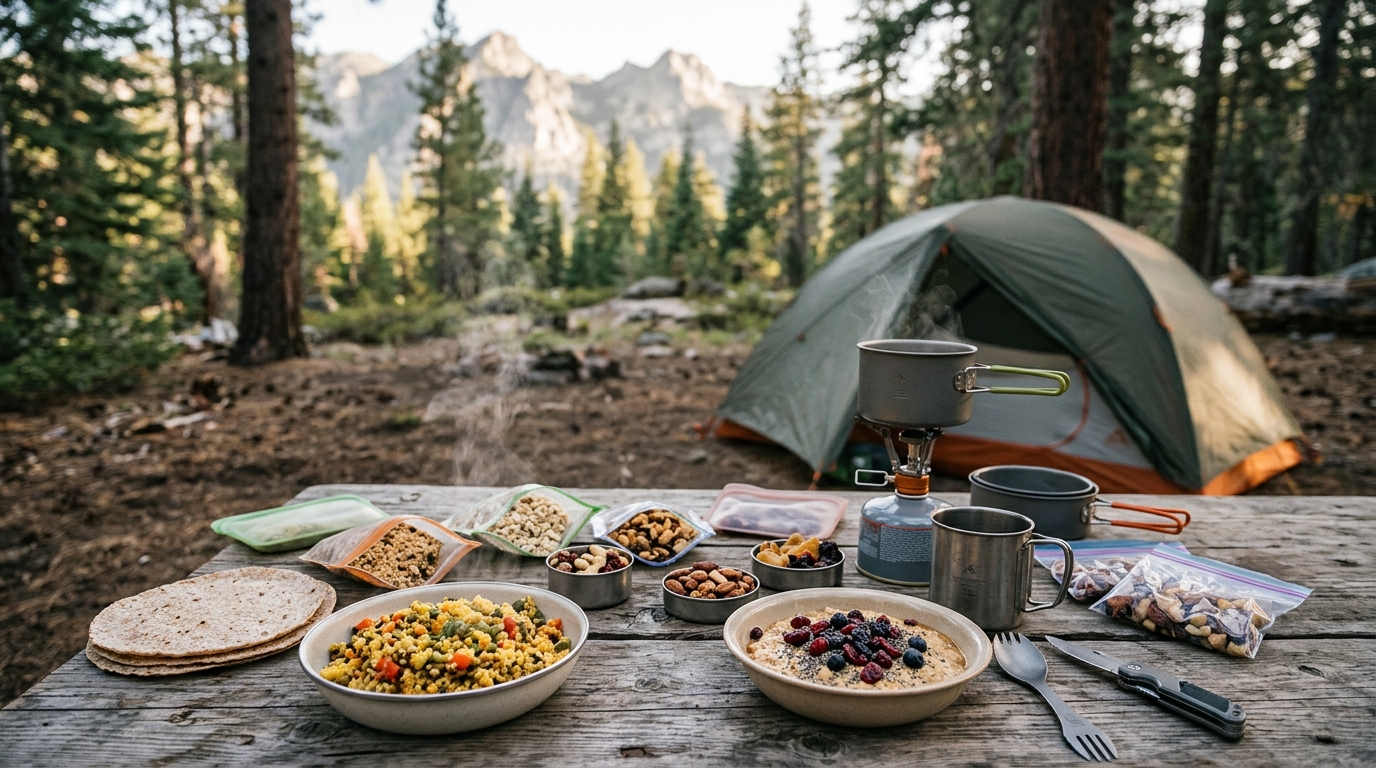
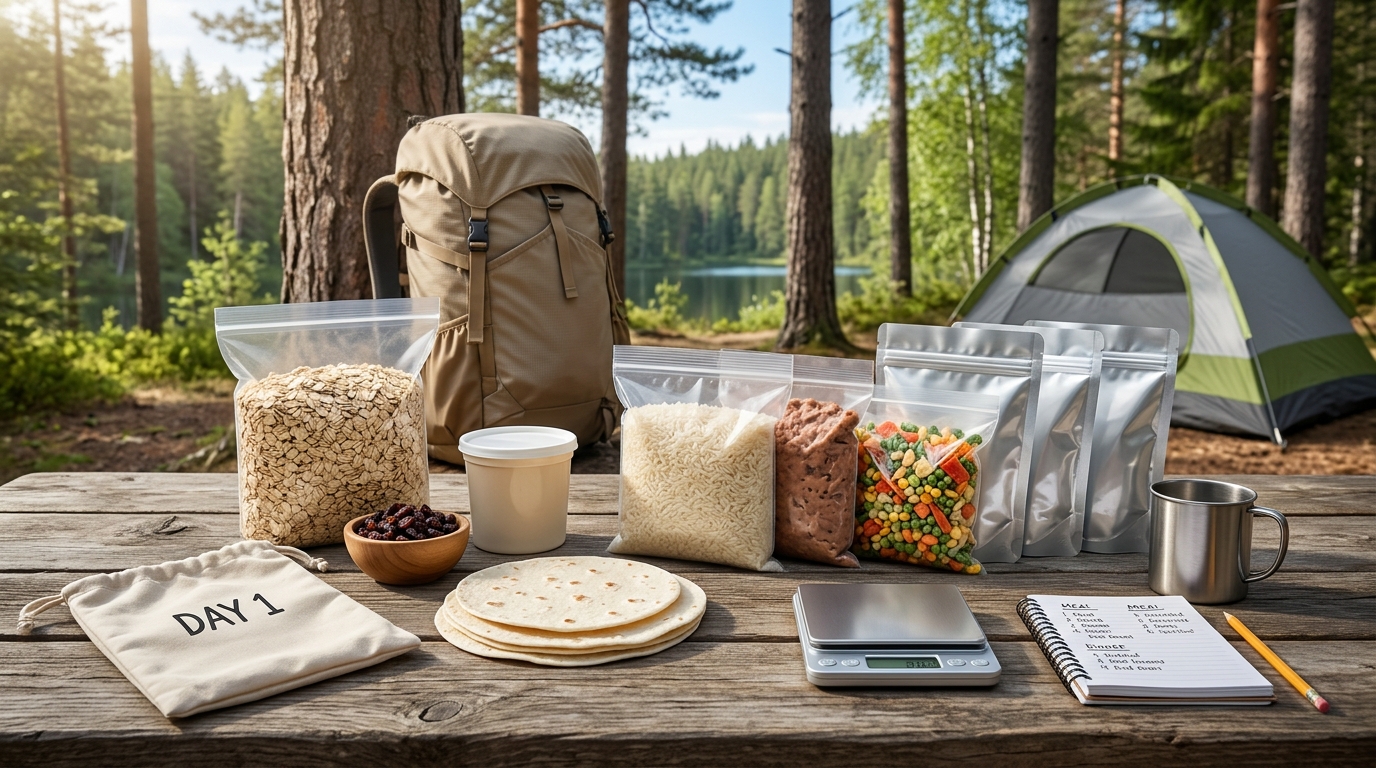
Introduction Backpacking food doesn’t have to mean cooking three meals a day or carrying a complicated kitchen. If you enjoy a warm dinner at camp but want quicker mornings and easier trail lunches, a one-hot-meal-per-day plan can offer a practical…
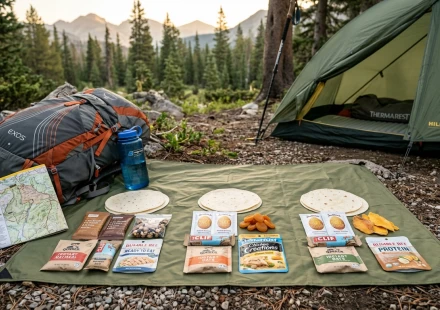
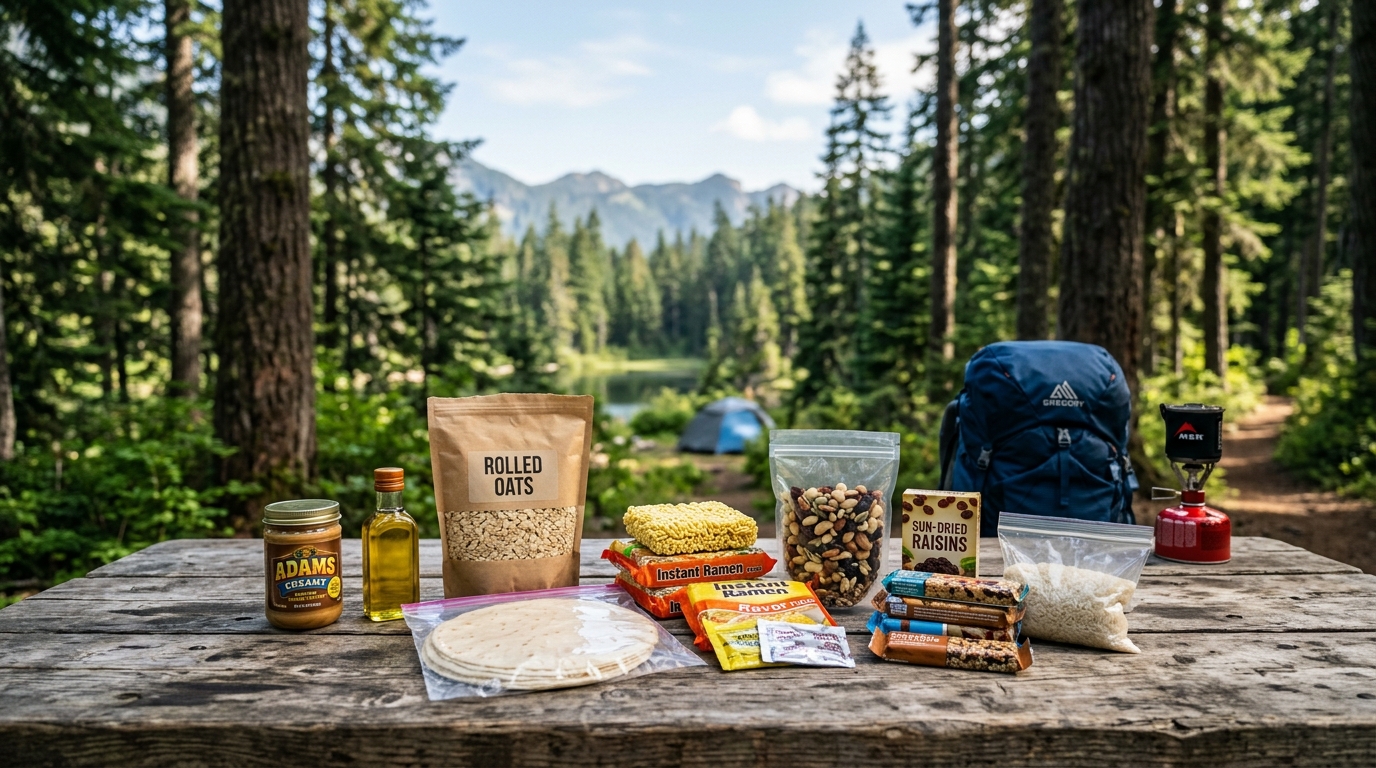
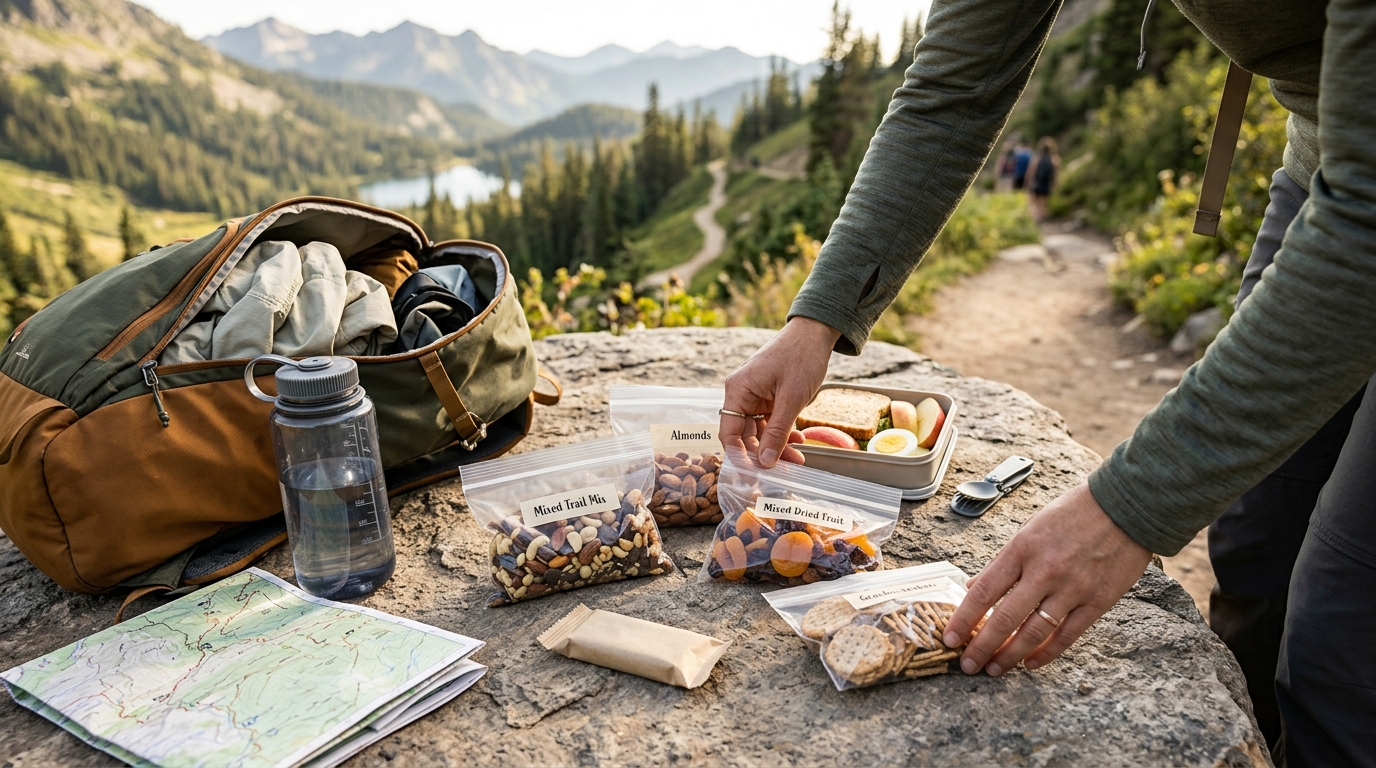
The No-Cook 3-Day Backpacking Menu for Hikers Who Want a Simpler Pack-Out 🎒🥜
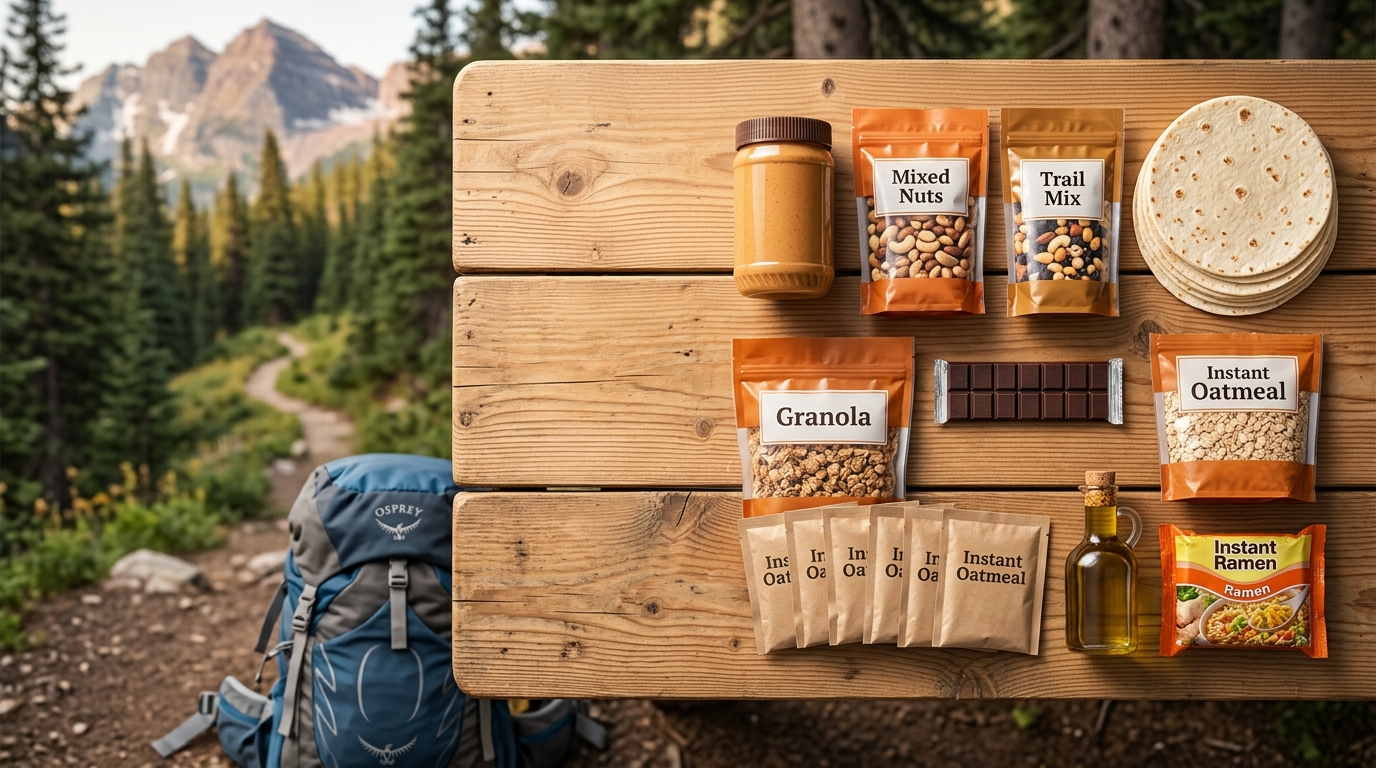
Introduction A backpacking trip doesn’t have to mean carrying a stove, fuel canister, cooking pot, and a pile of ingredients. For a short trip, a well-planned no-cook menu can simplify your pack-out, reduce cleanup, and help you spend more time…
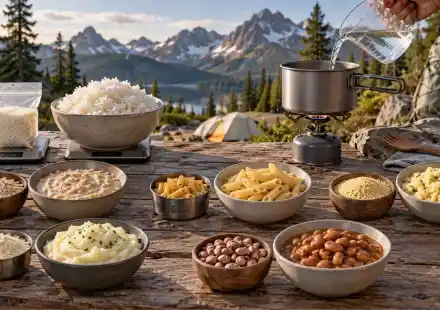
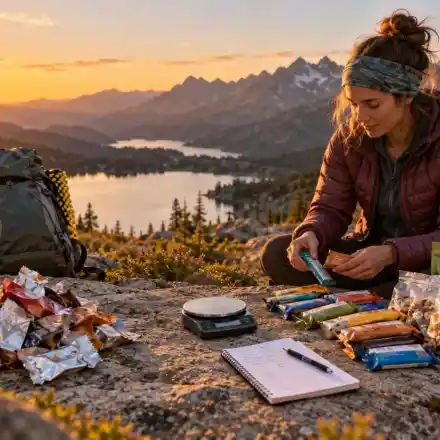
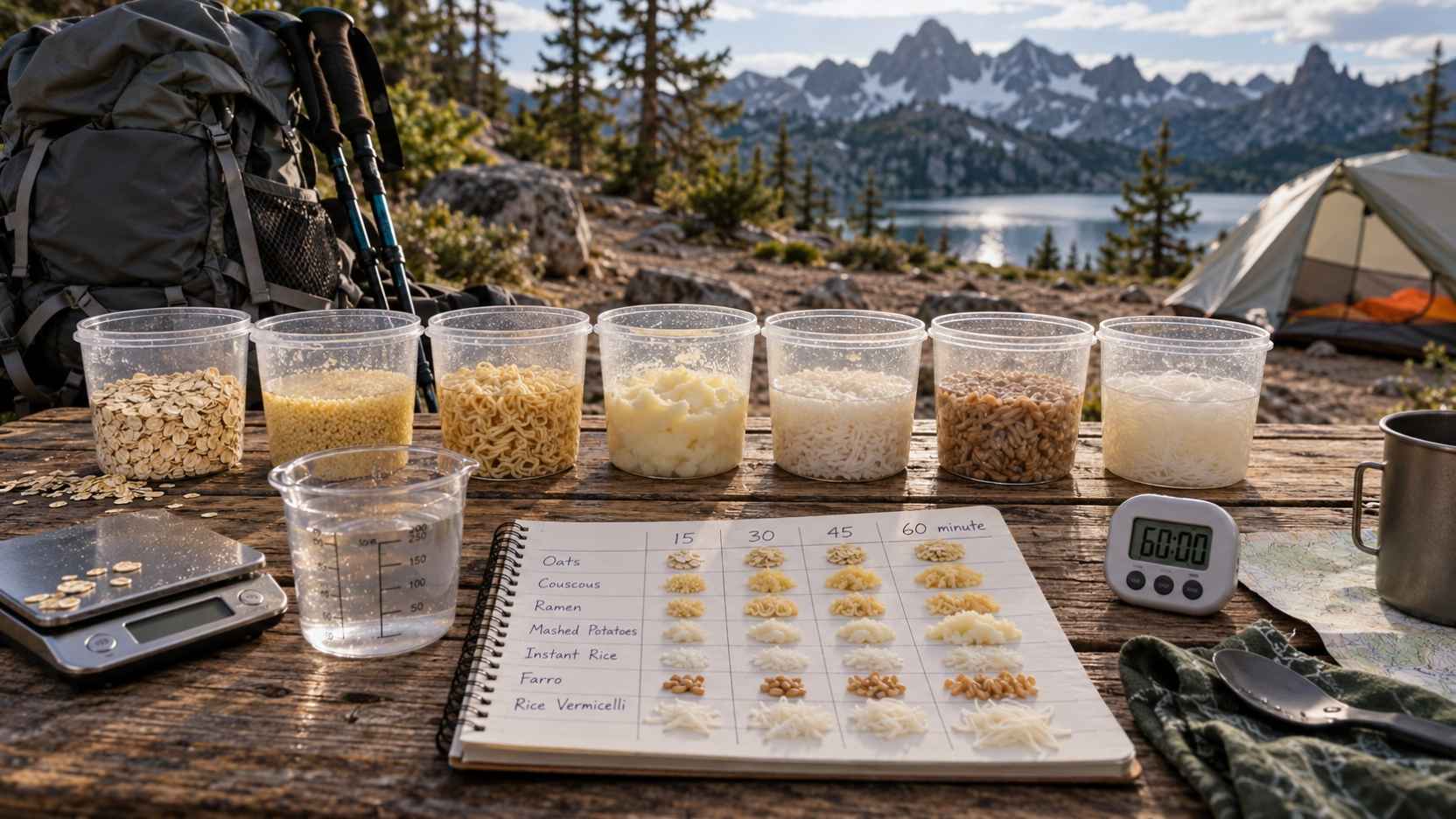
Cooked vs Dry Weight: The Backpacking Food Measurement Mistake That Changes Everything
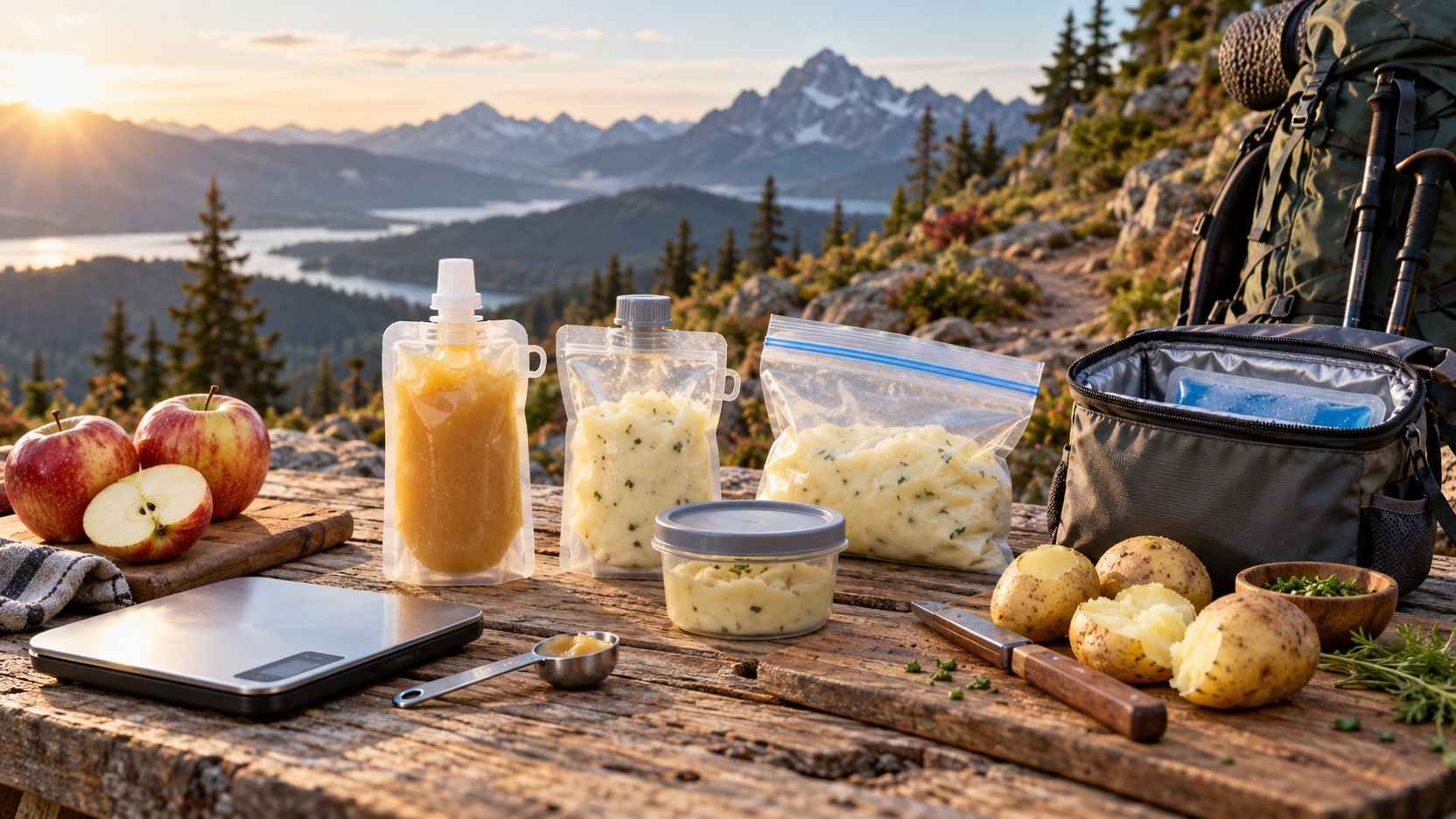
A cup of cooked rice and a cup of dry rice are not remotely the same amount of food, yet nutrition discussions often compare them as though they were interchangeable. 🍚 For backpackers, that confusion can completely distort calorie-per-ounce calculations…
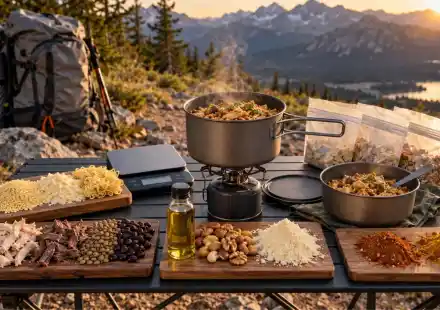
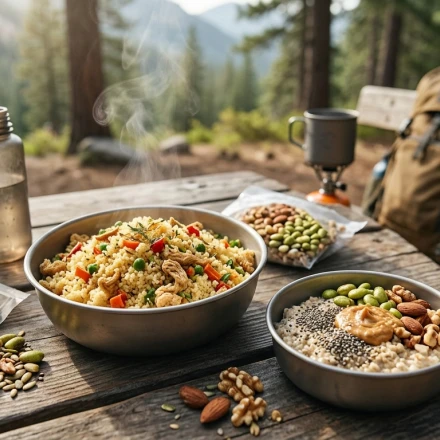
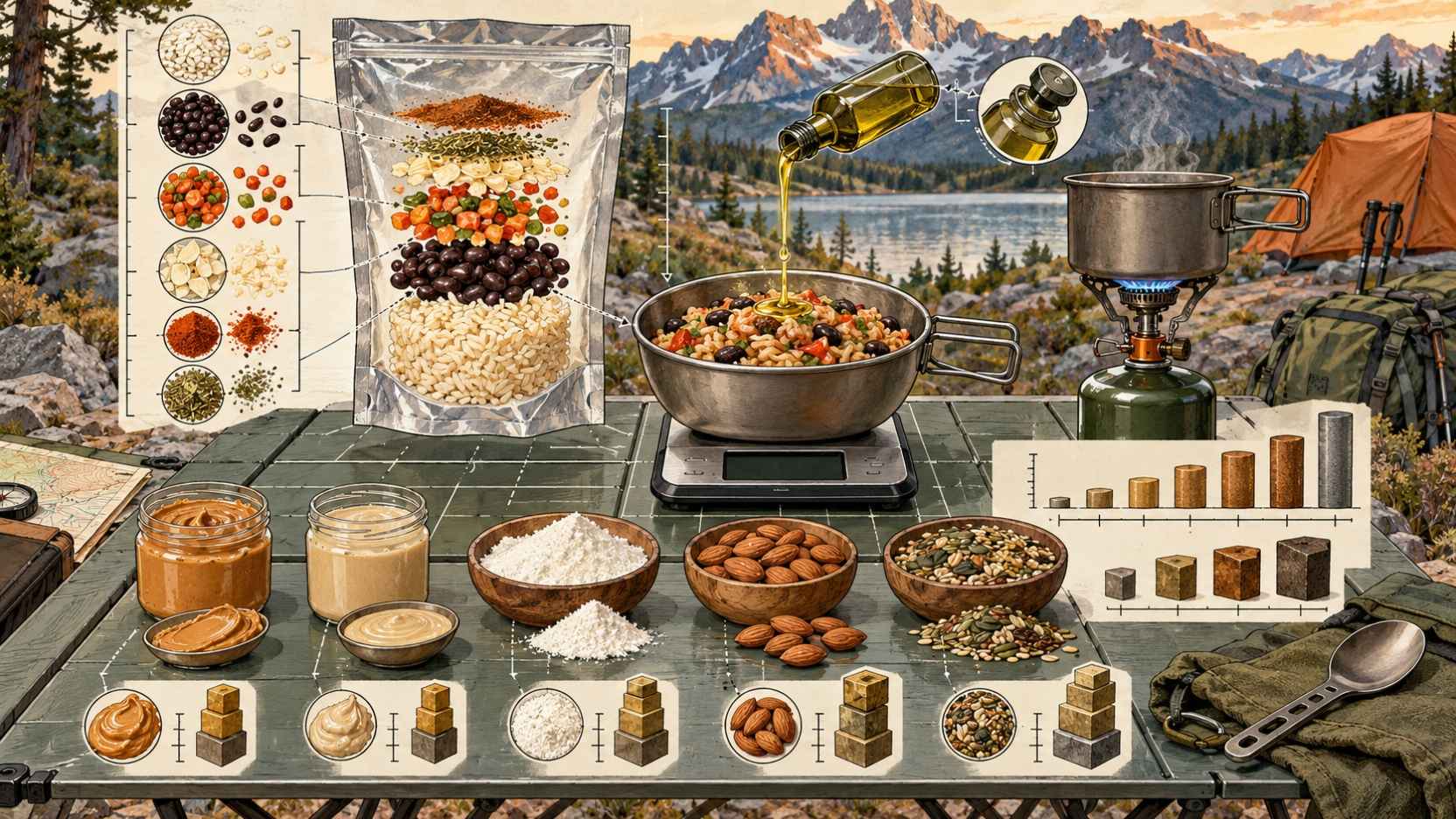
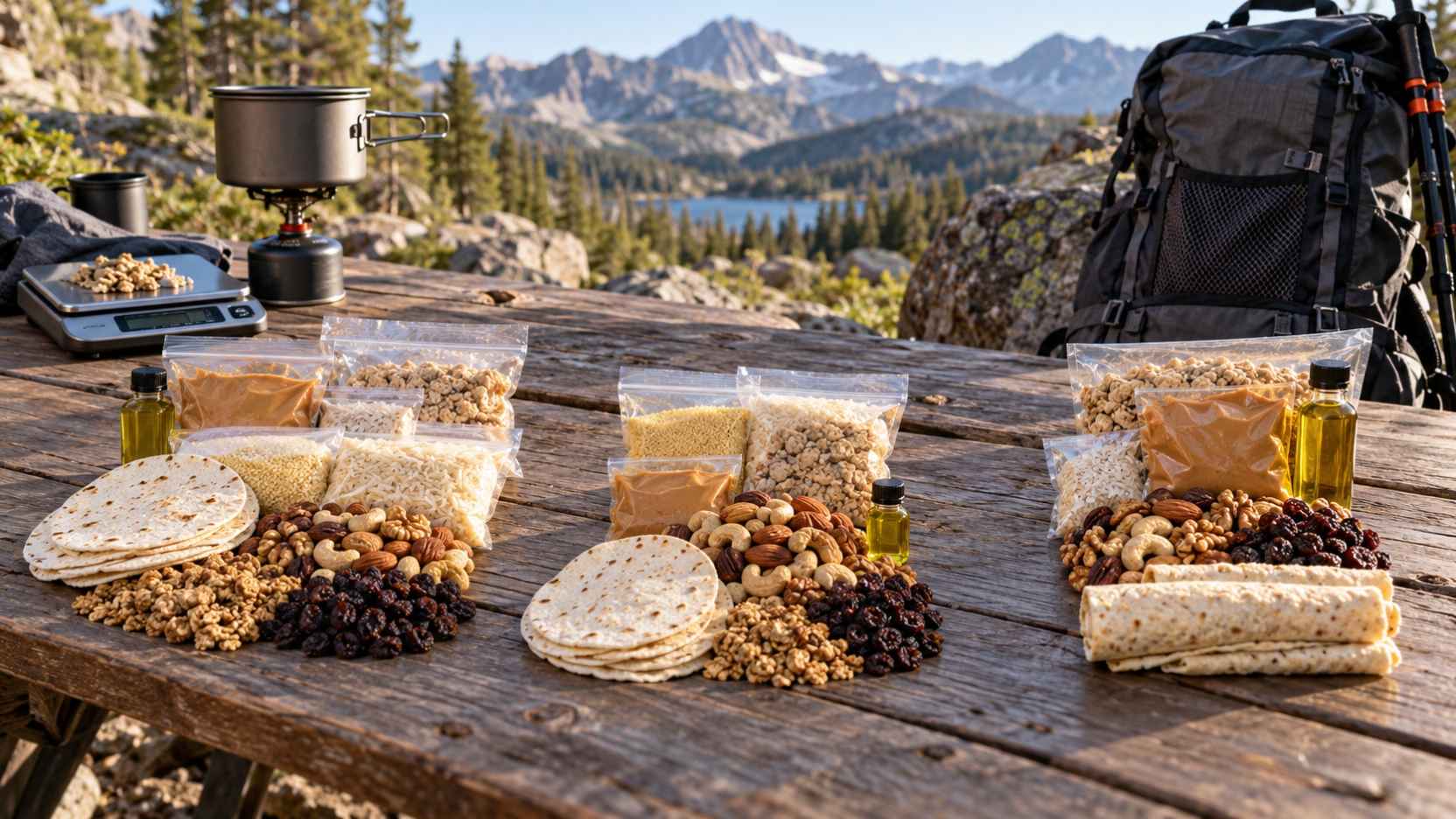
The One-Pot Trail Meal Formula: How to Build a Complete Backpacking Dinner Without a Recipe
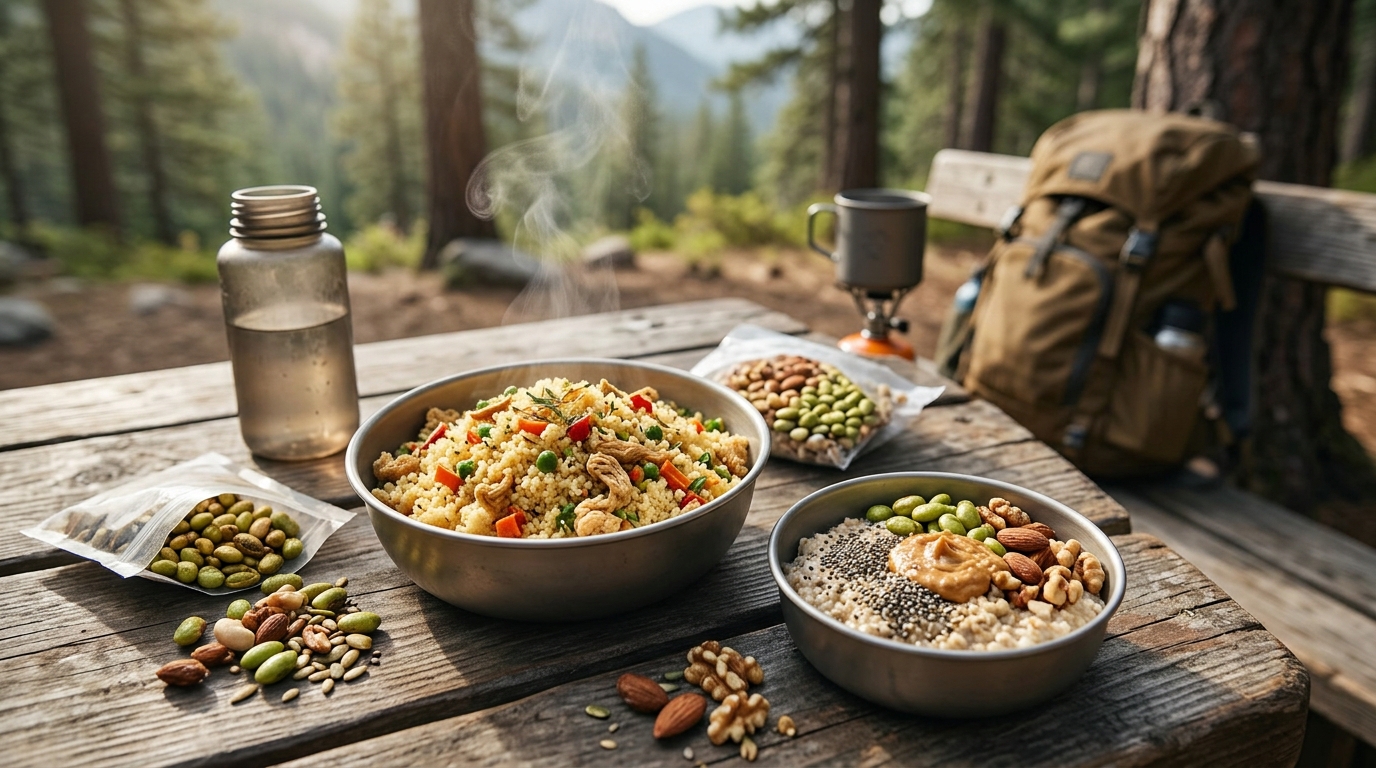
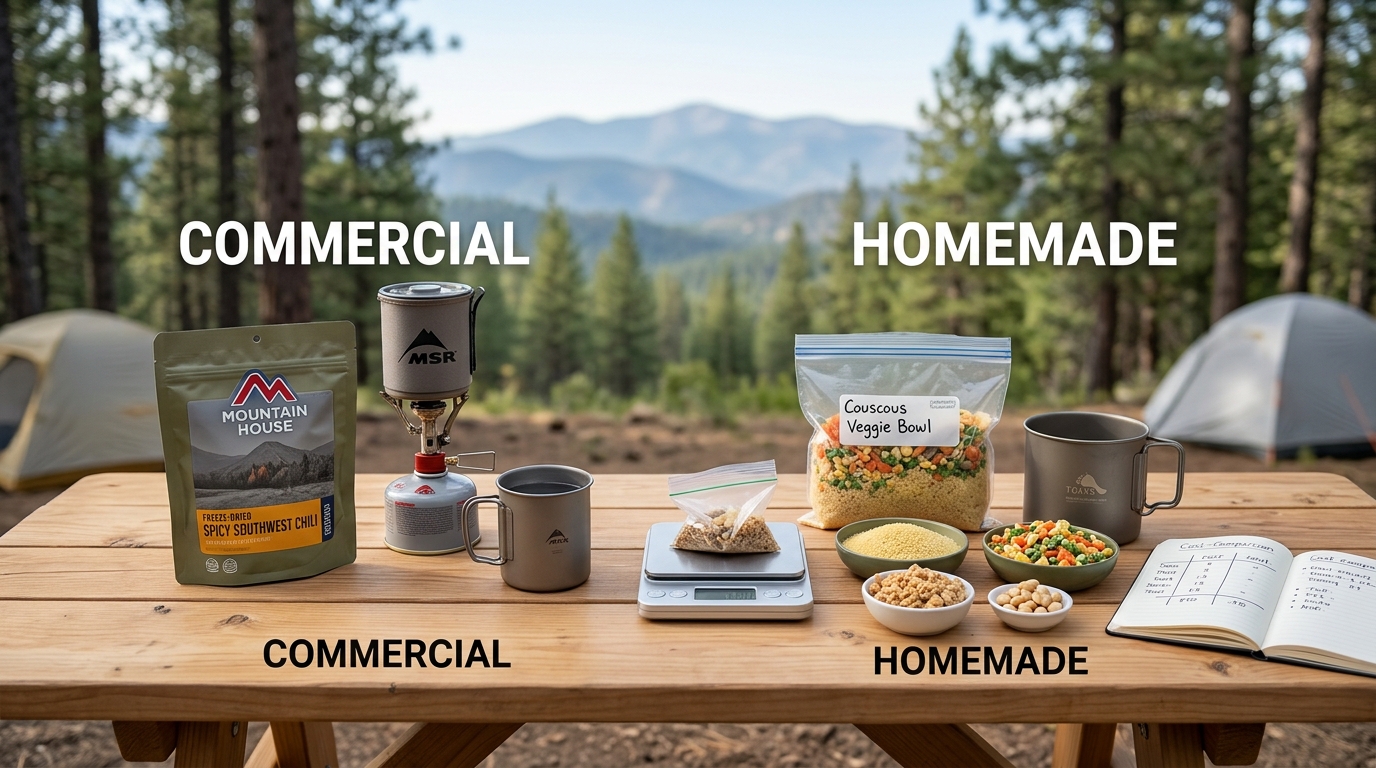
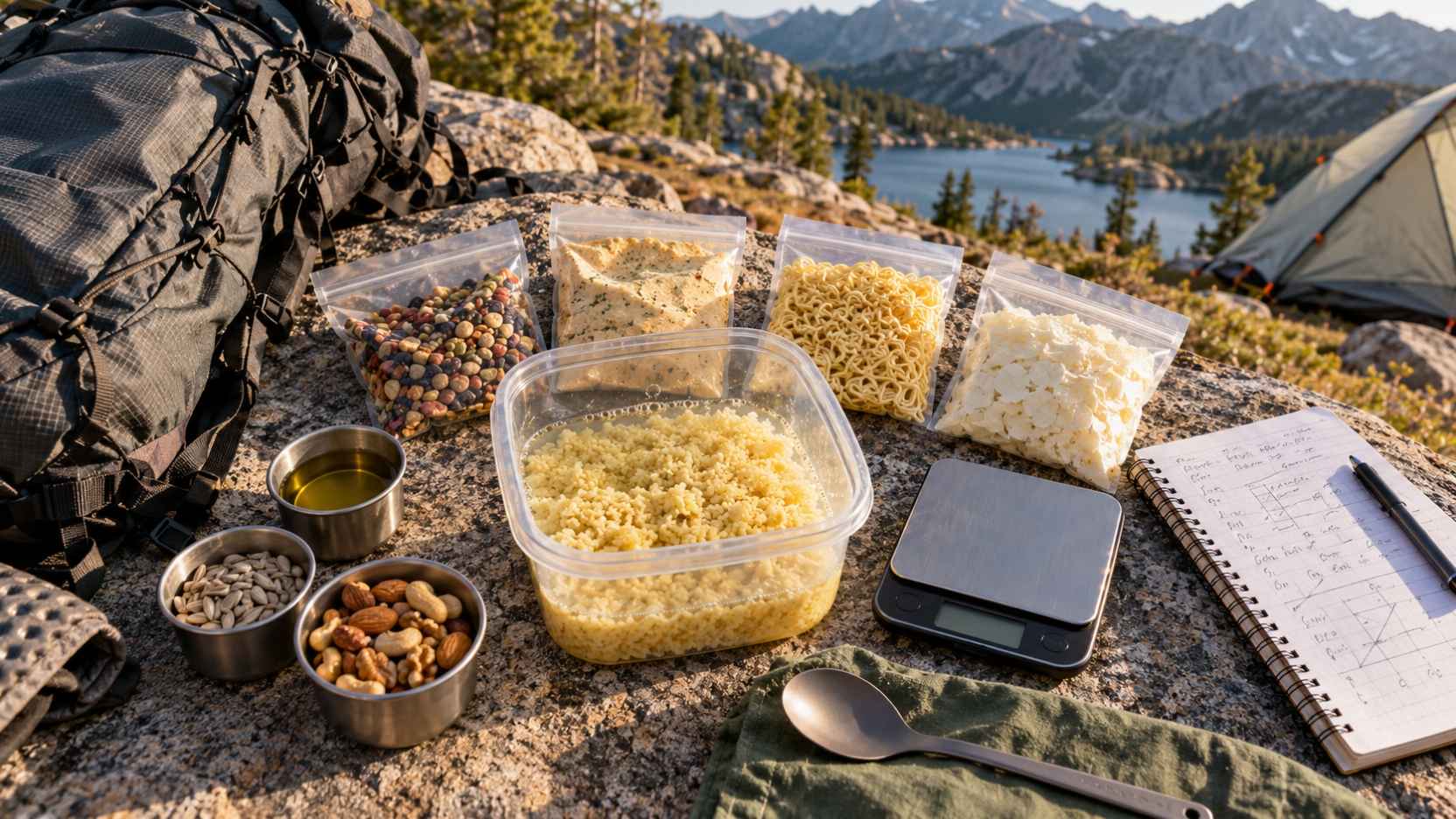
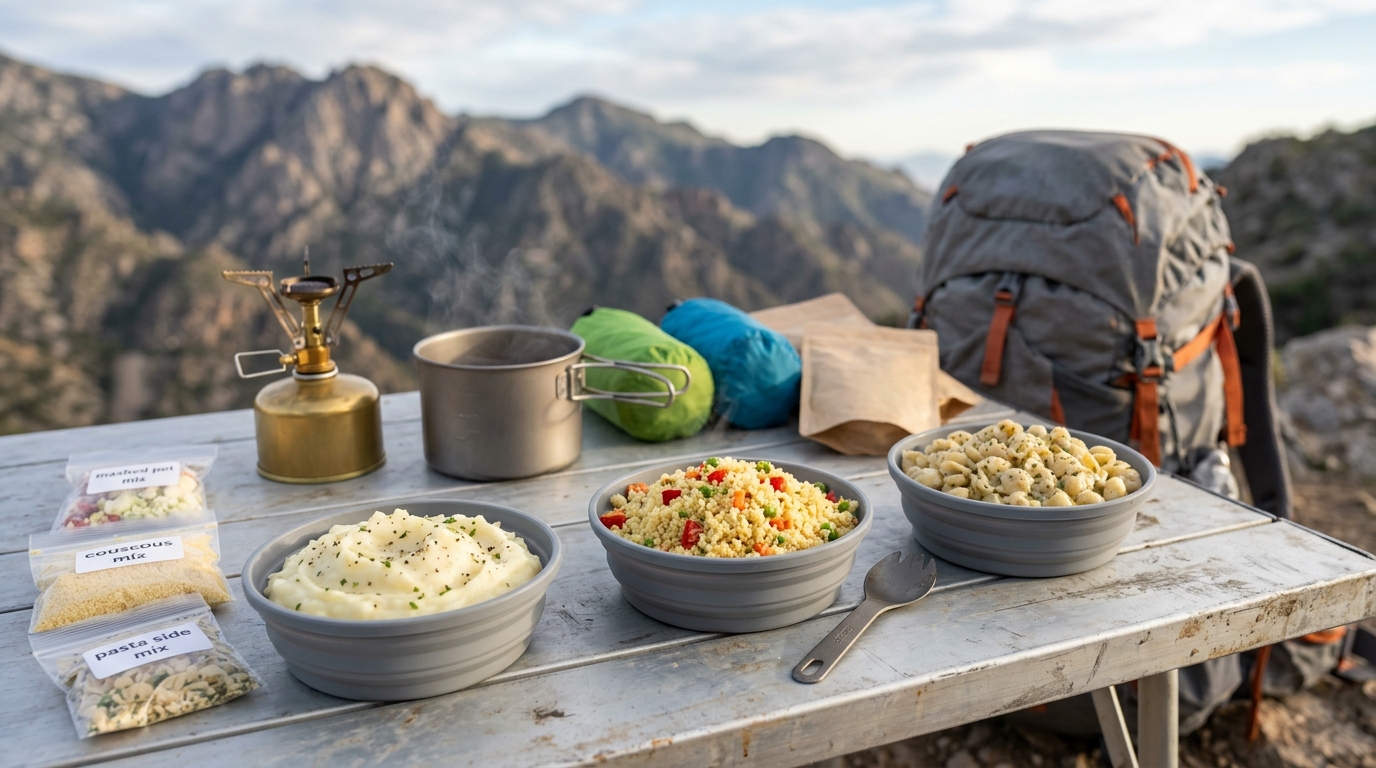
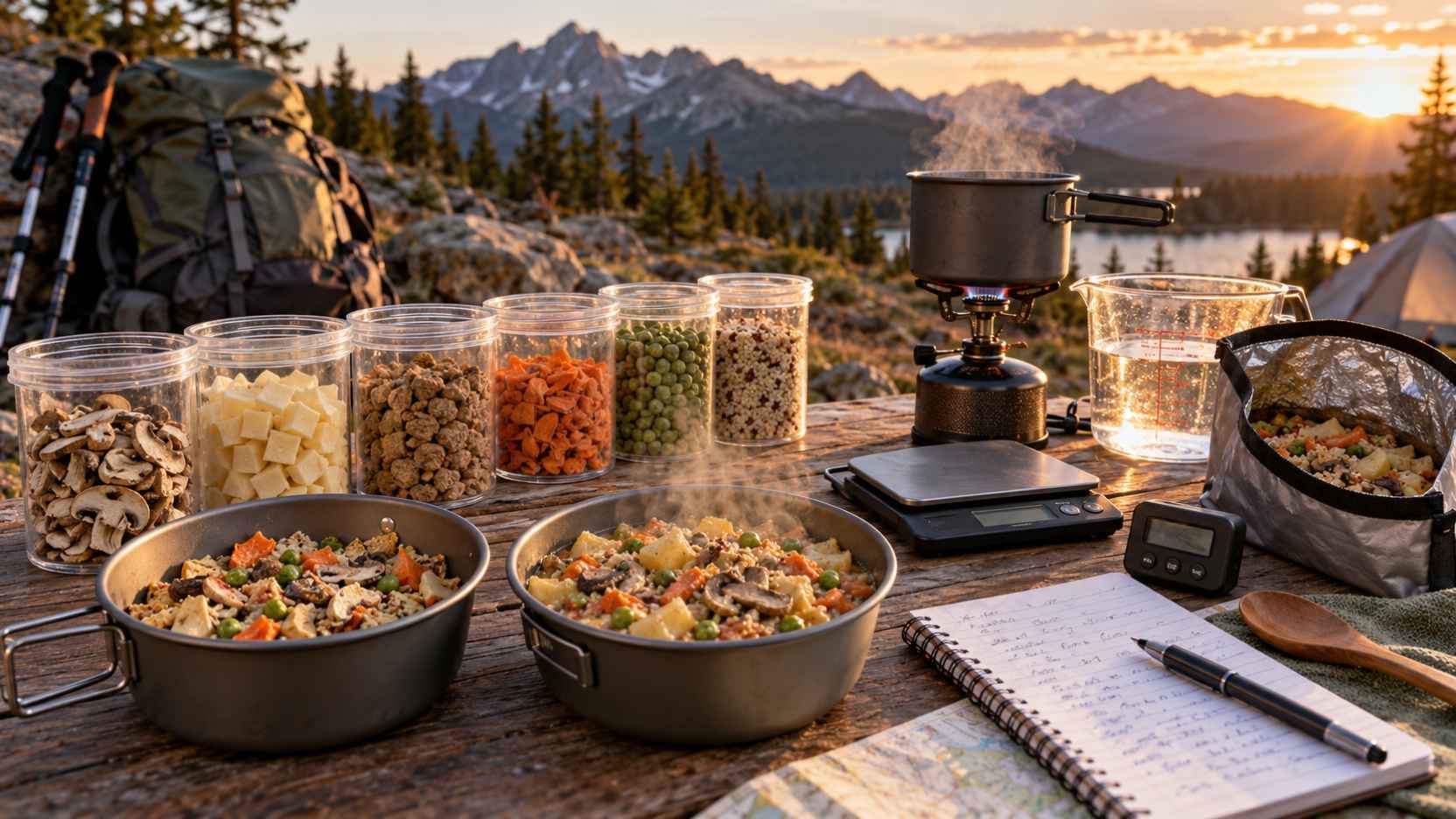
Backpacking dinner does not need to mean carefully following a recipe while measuring five ingredients beside a tiny stove after hiking all day. 🥾 A much simpler approach is to build every dinner from the same four pieces: carbohydrate base + protein…
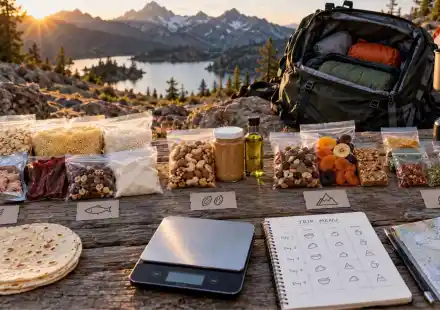
Simple Trail Food vs A Perfect Meal Plan: Why Flexible Food Systems Are Easier To Pack
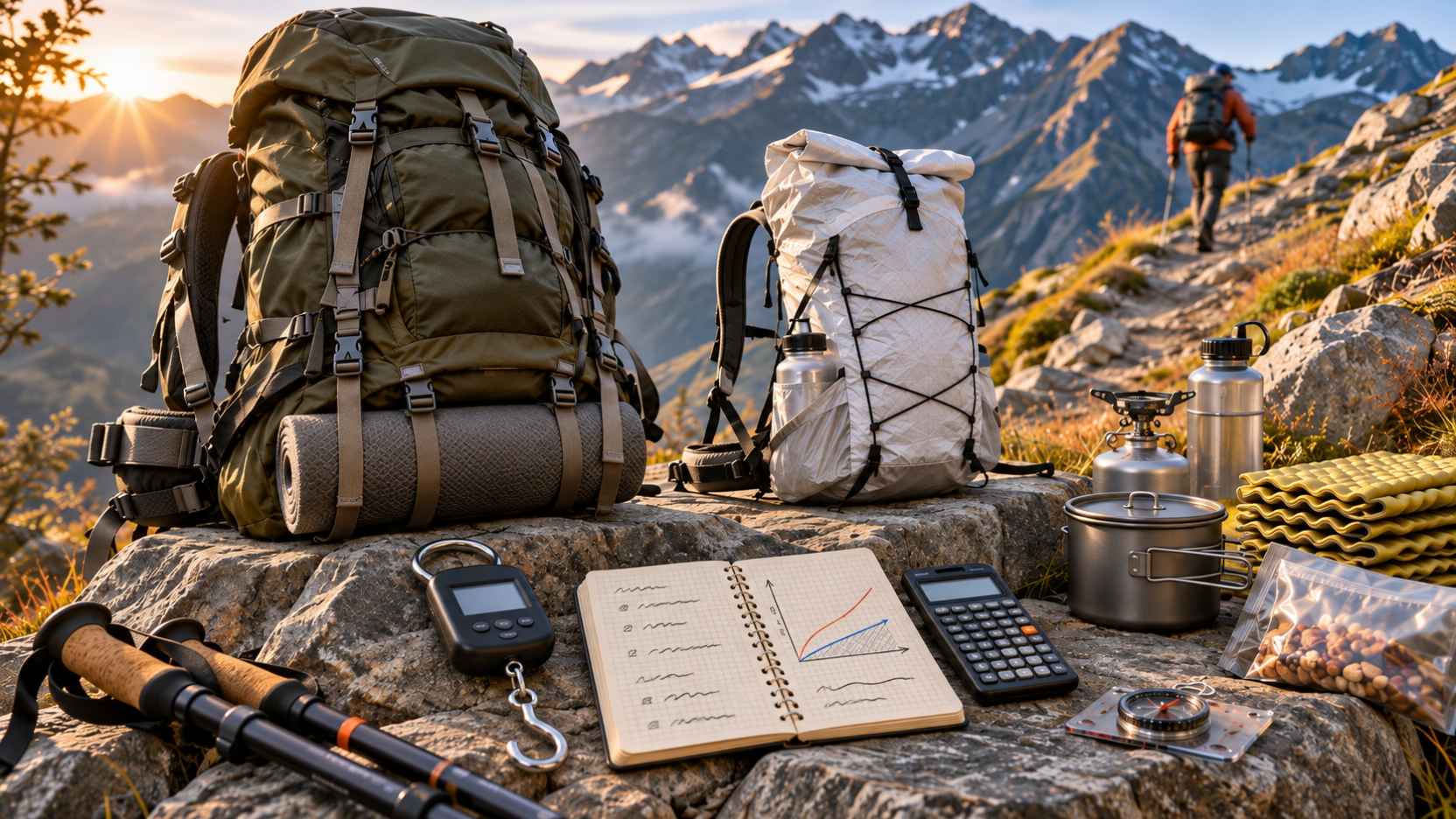
A perfectly calculated backpacking menu can look impressive on a spreadsheet, yet become surprisingly fragile once weather, appetite, resupply options, cooking time, or food preferences change on the trail. 🎒 If every meal depends on one specific…
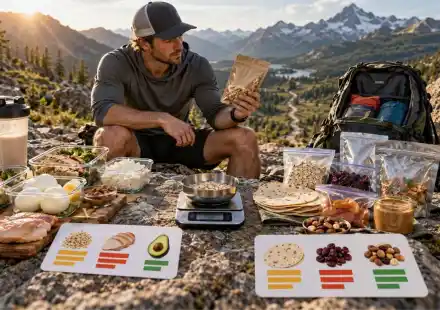
Why Hikers Can’t Copy Bodybuilder Macros: What Changes on an Endurance Day
A macro split that looks perfectly reasonable for someone organizing meals around gym sessions does not automatically translate into a good backpacking food plan. 🥾 A hiker may spend many consecutive hours walking, climbing, descending, and carrying a…
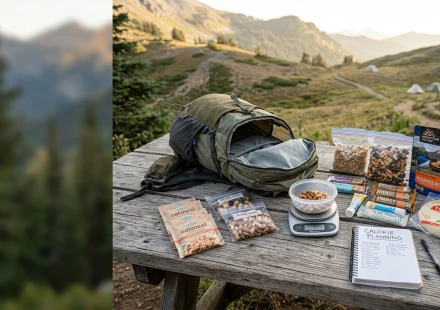
🥾 How Many Calories Should You Pack Per Day for a Backpacking Trip?
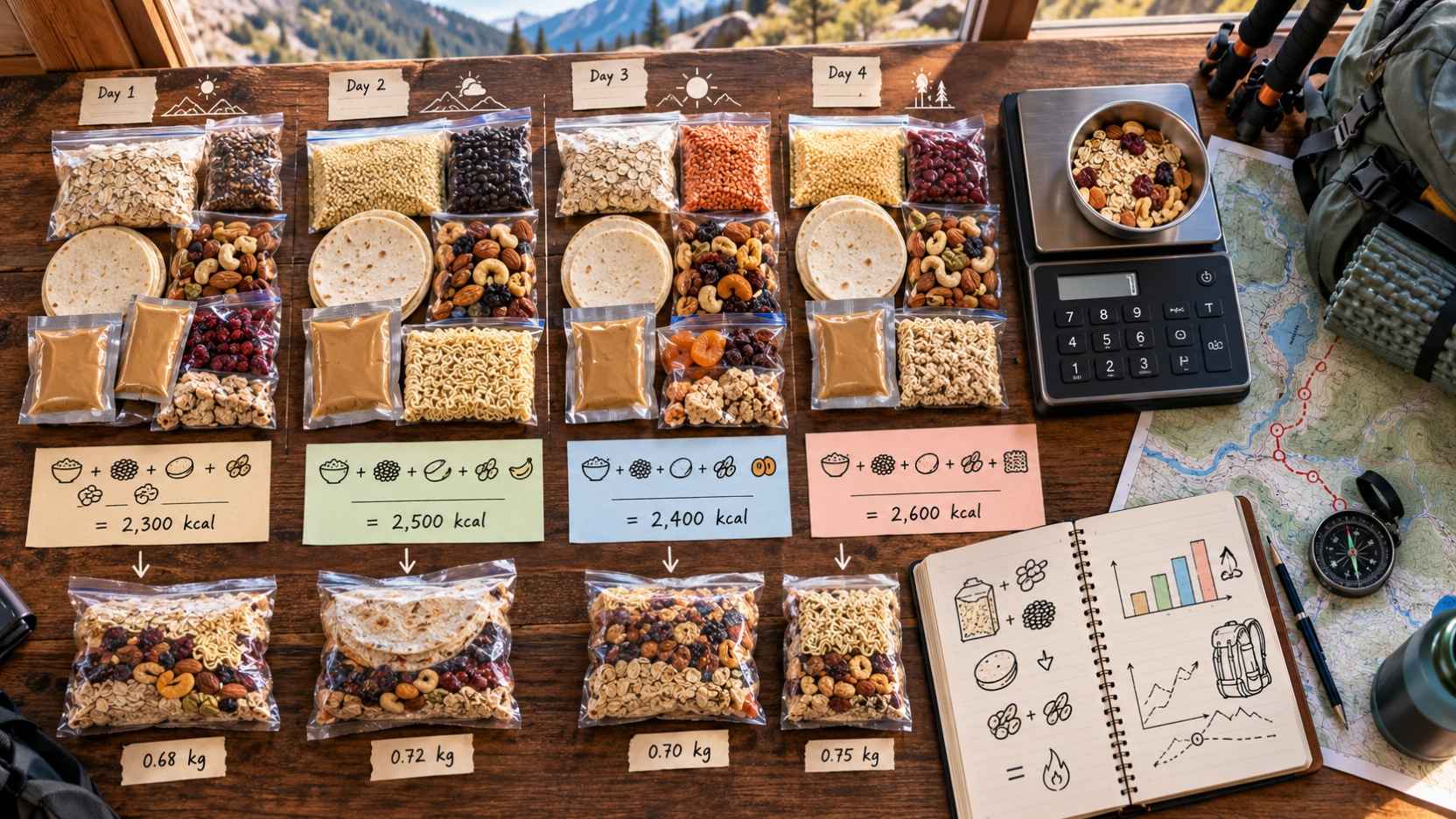
Introduction Planning backpacking food can feel like a balancing act. Pack too little, and you may struggle with hunger, fatigue, and low energy on the trail. Pack too much, and your backpack becomes heavier than necessary. The goal is to bring enough…
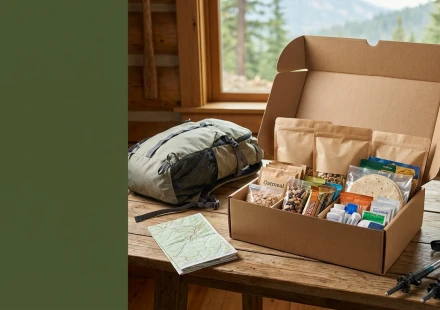
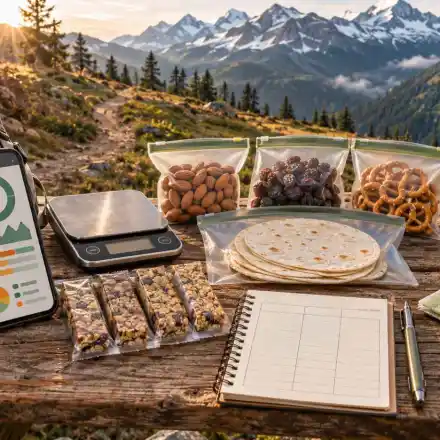
🎒 The 3-Day Resupply Box Template for Long-Distance Backpackers
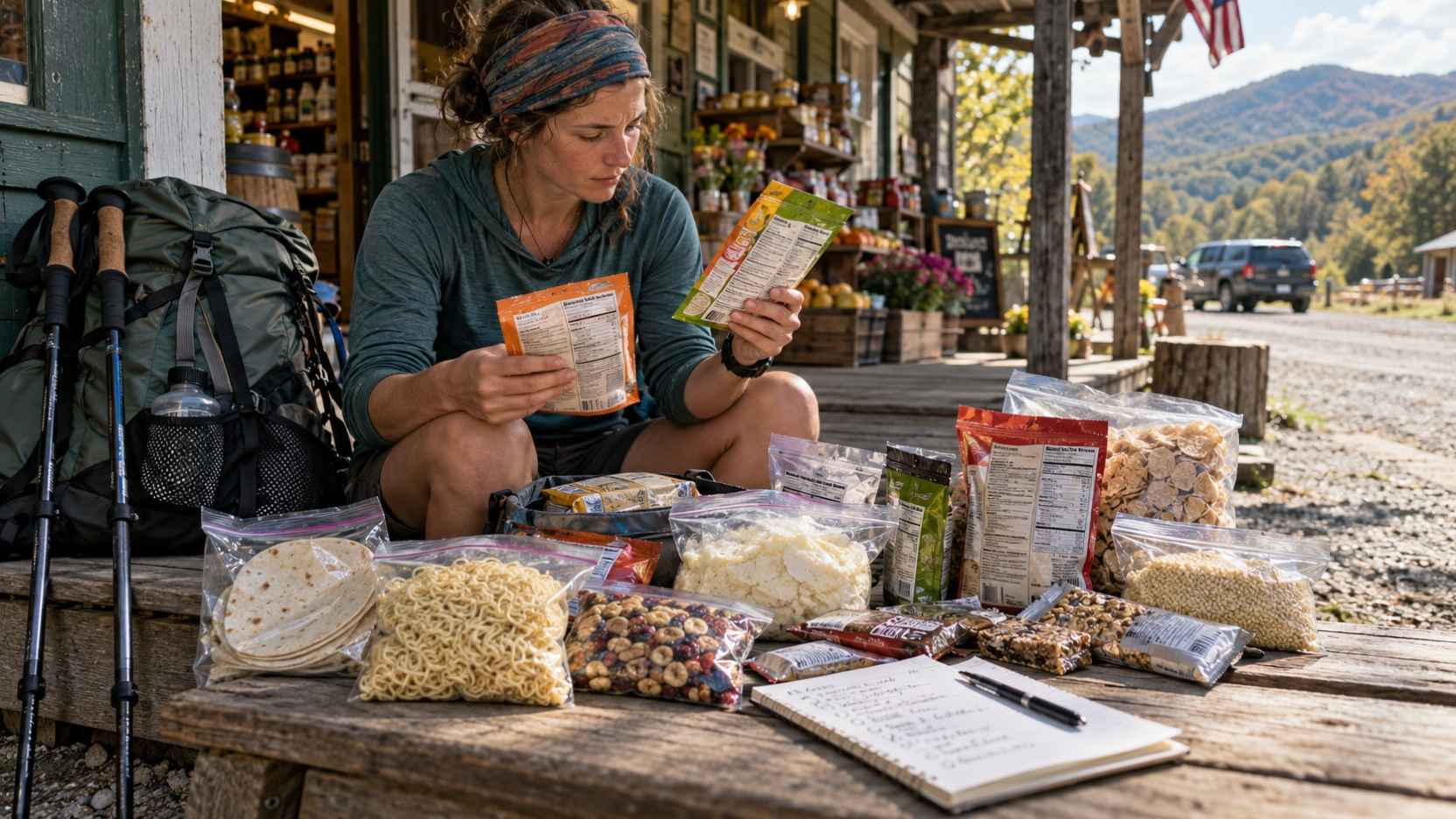
Introduction A well-packed resupply box can make a long-distance backpacking trip easier, more organized, and less stressful. Instead of shopping for food while tired, hungry, or short on time, you can prepare your next three days of meals and essentials…