

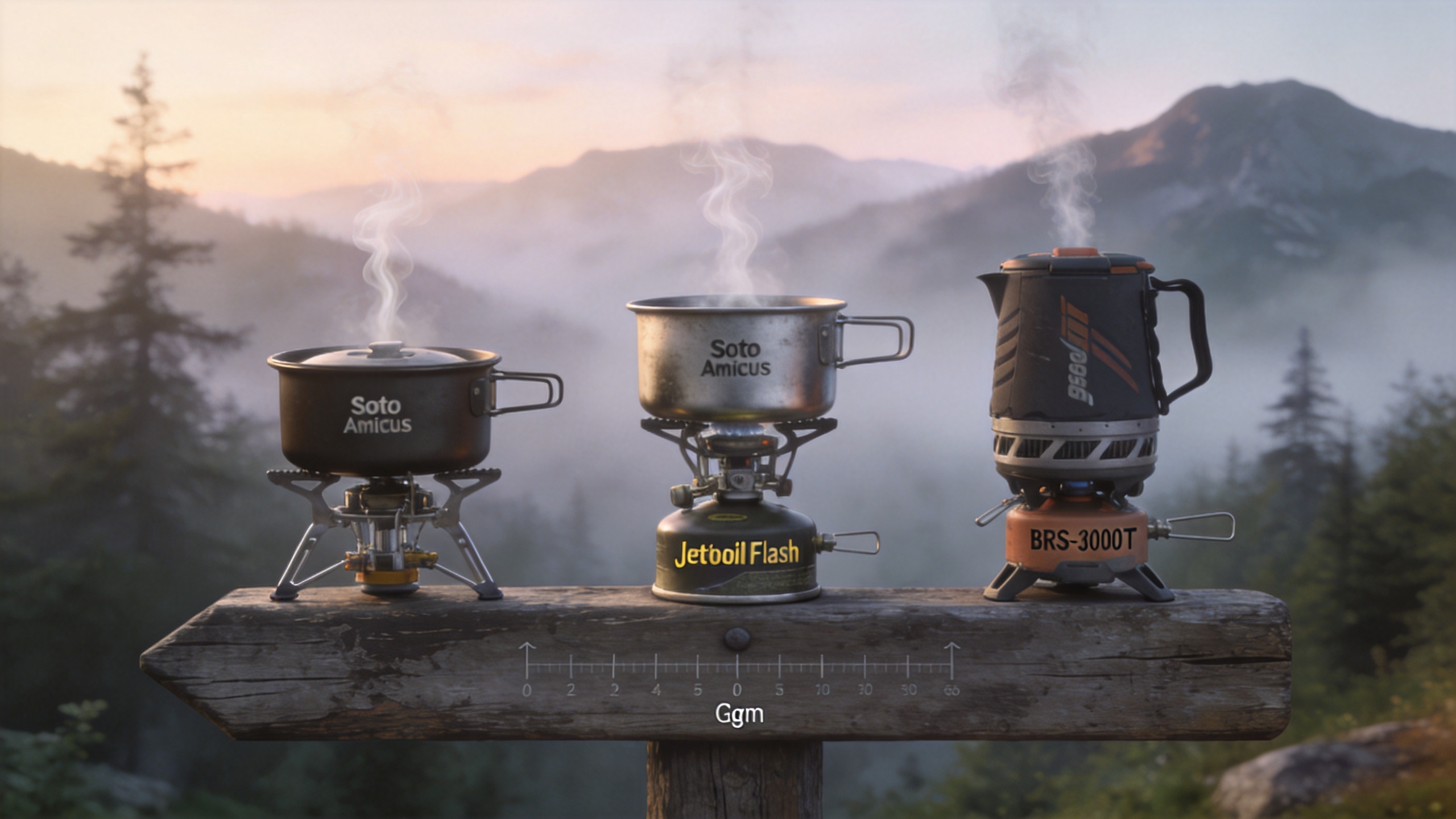
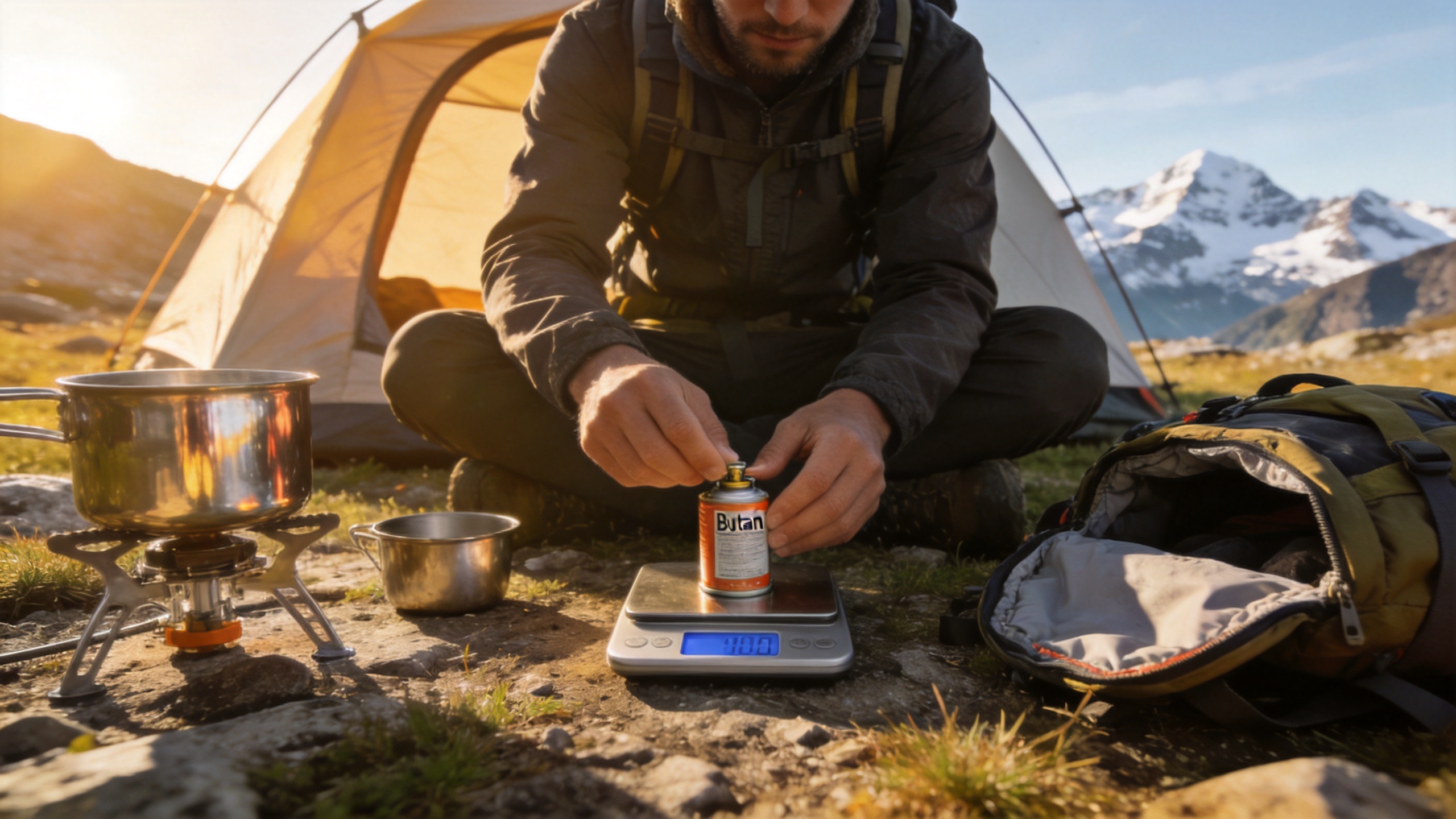
Cold Soaking vs Stove: The Real Weight Math
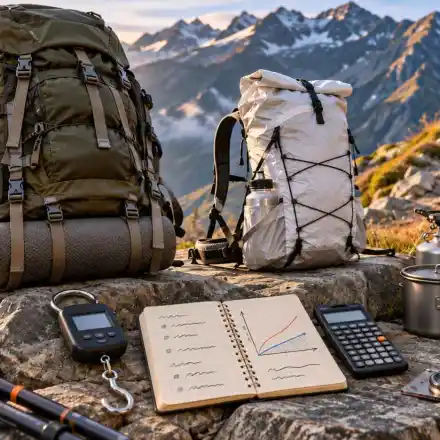
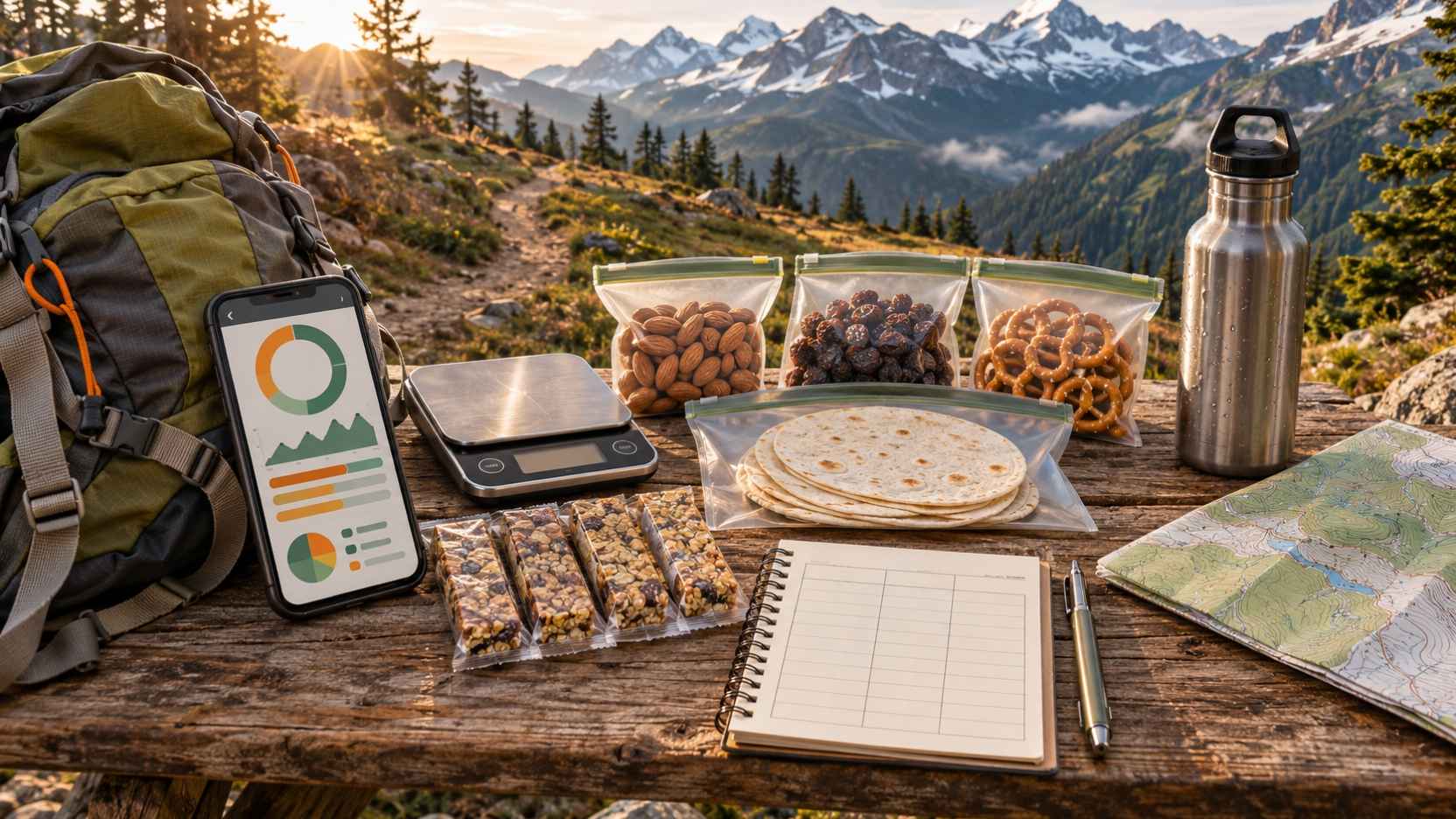
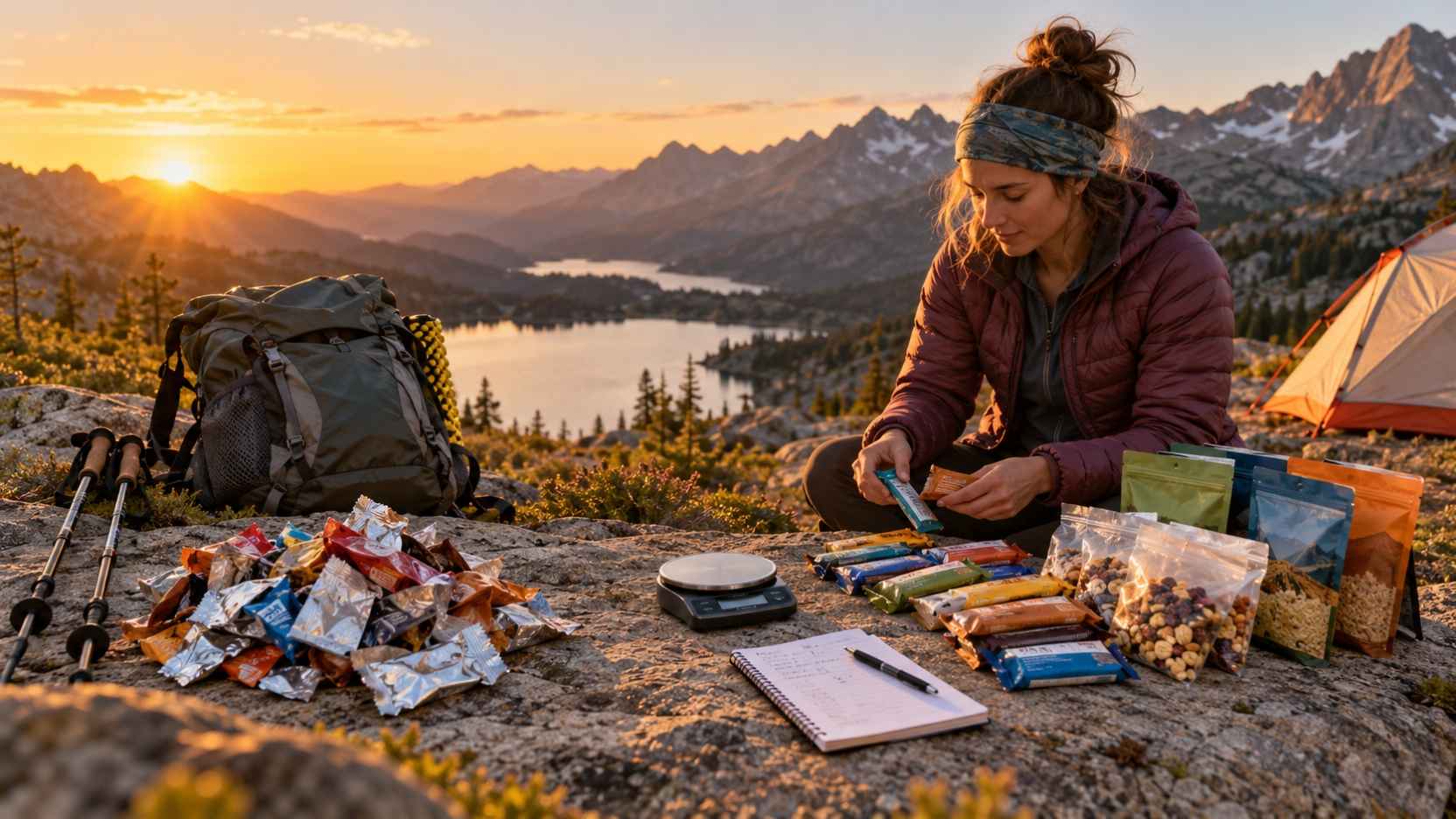
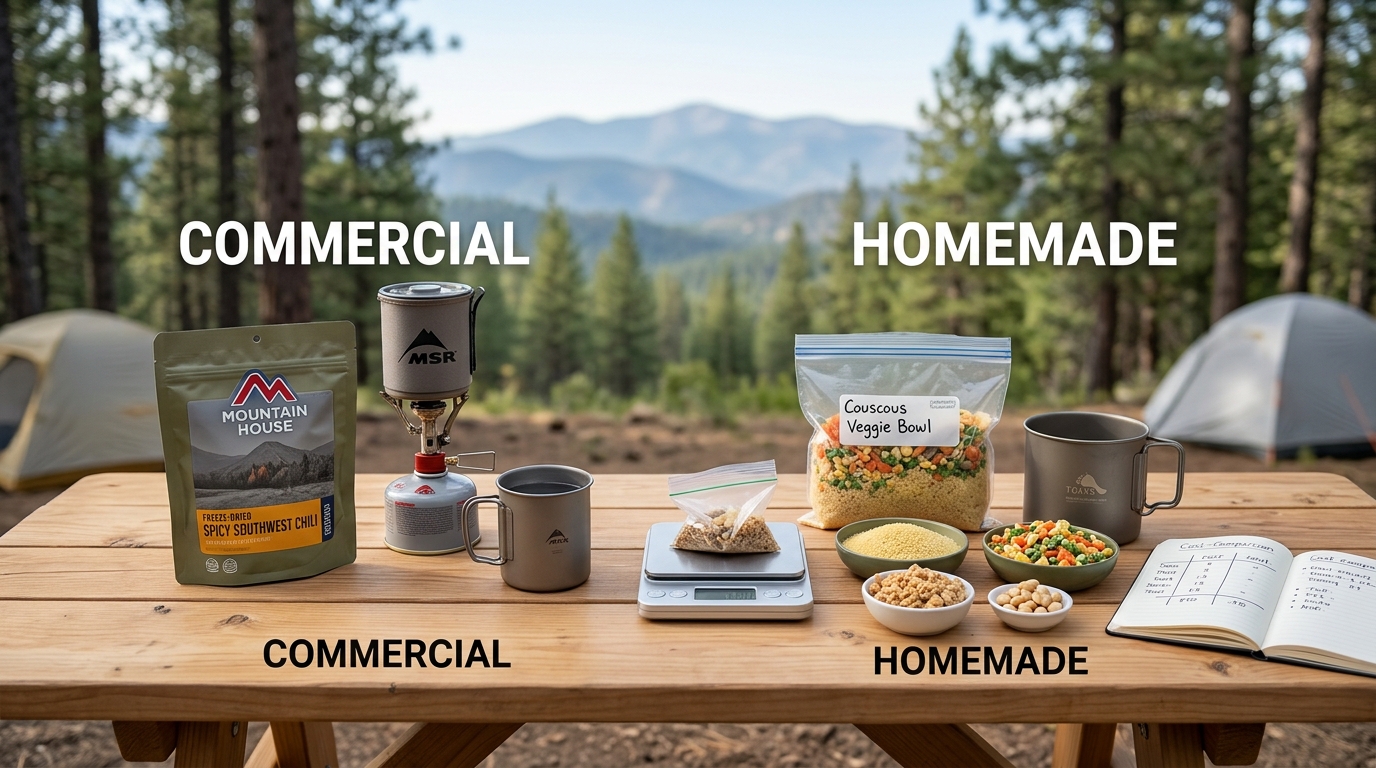
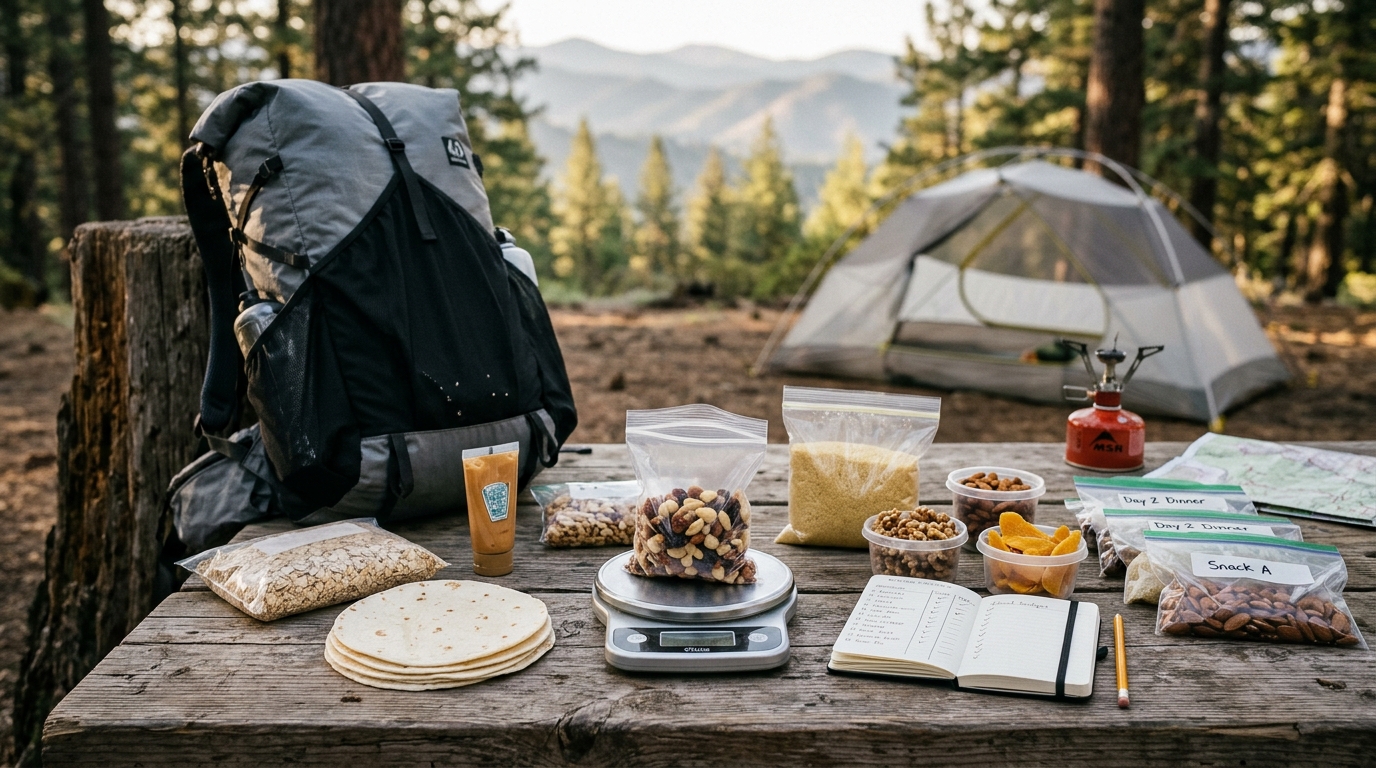
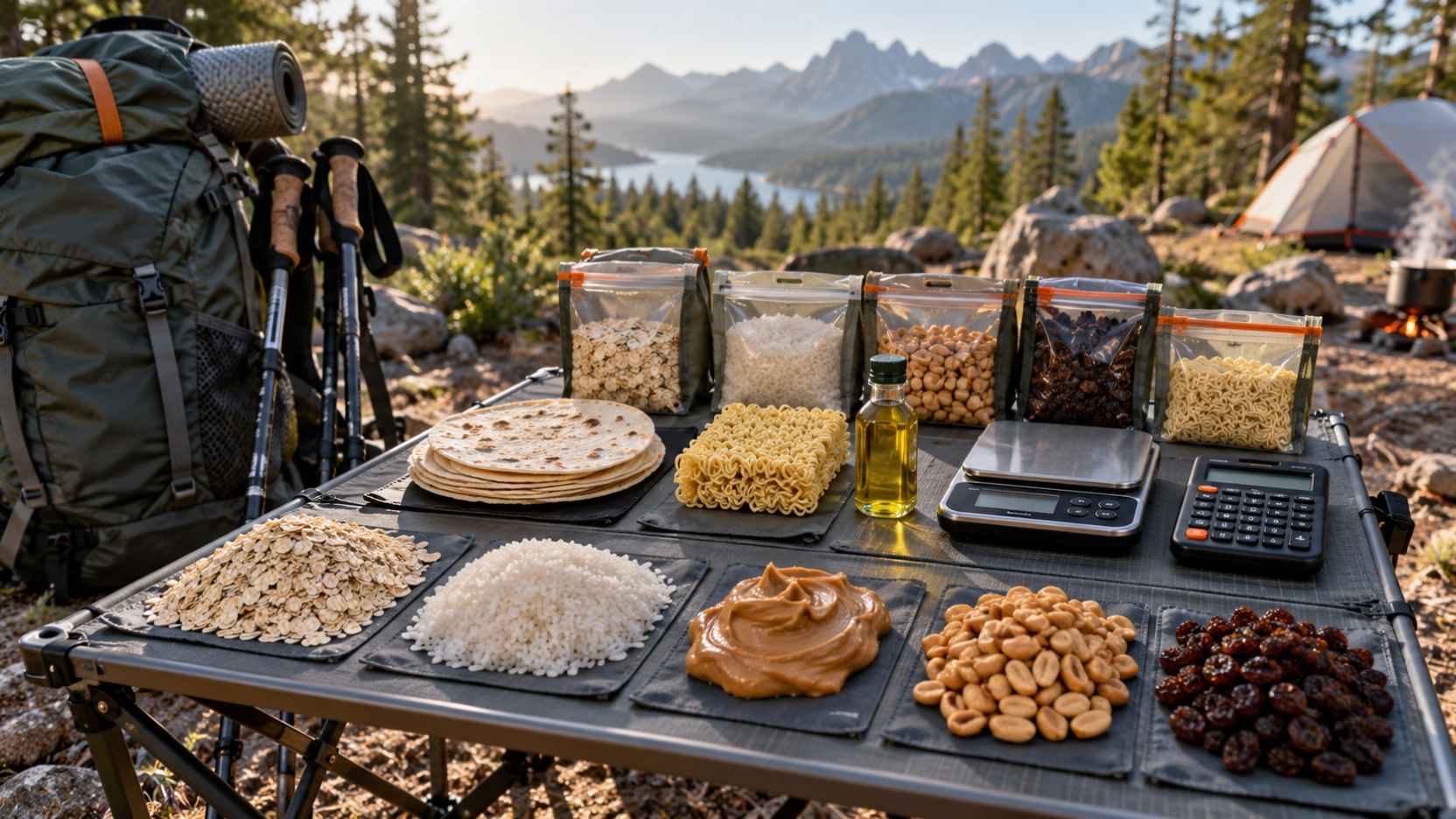
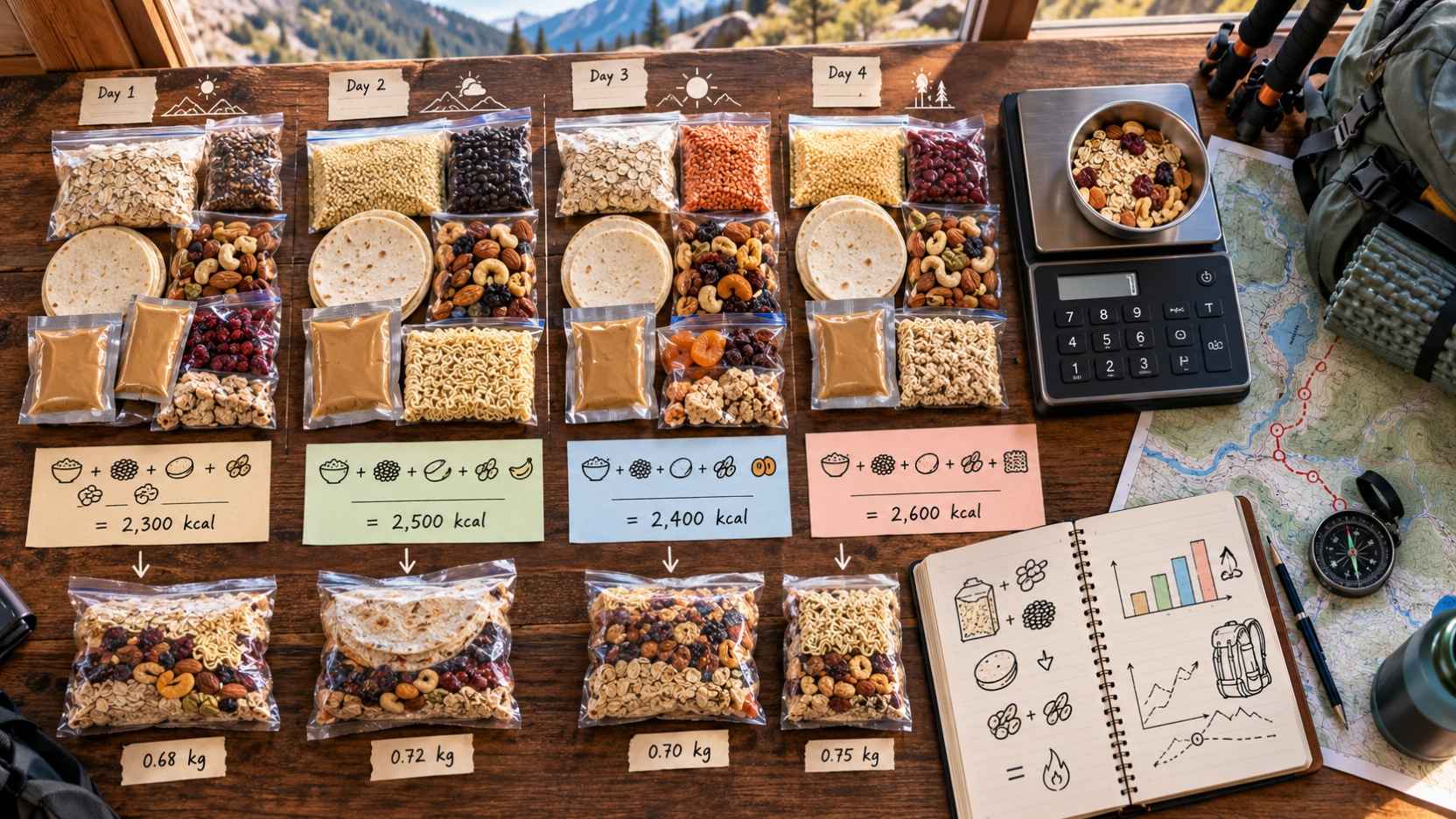
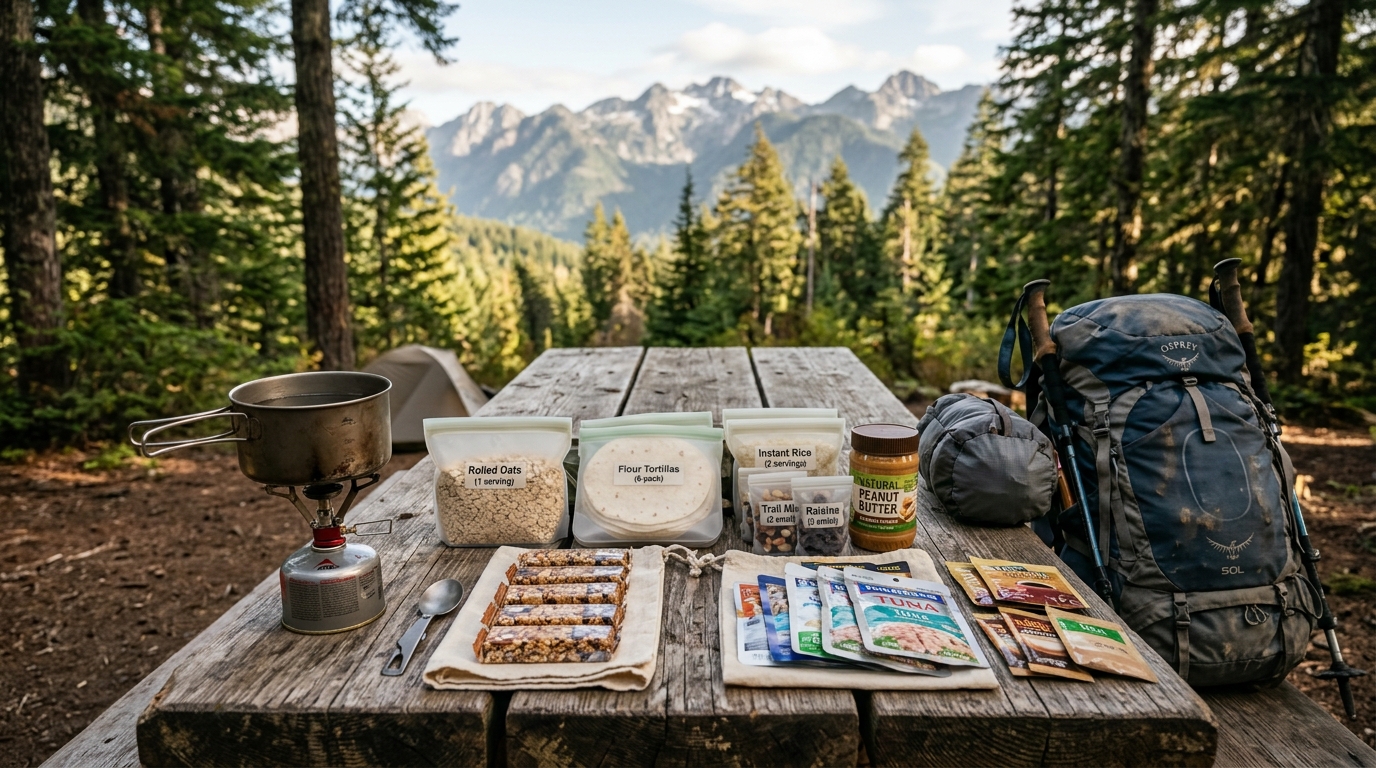
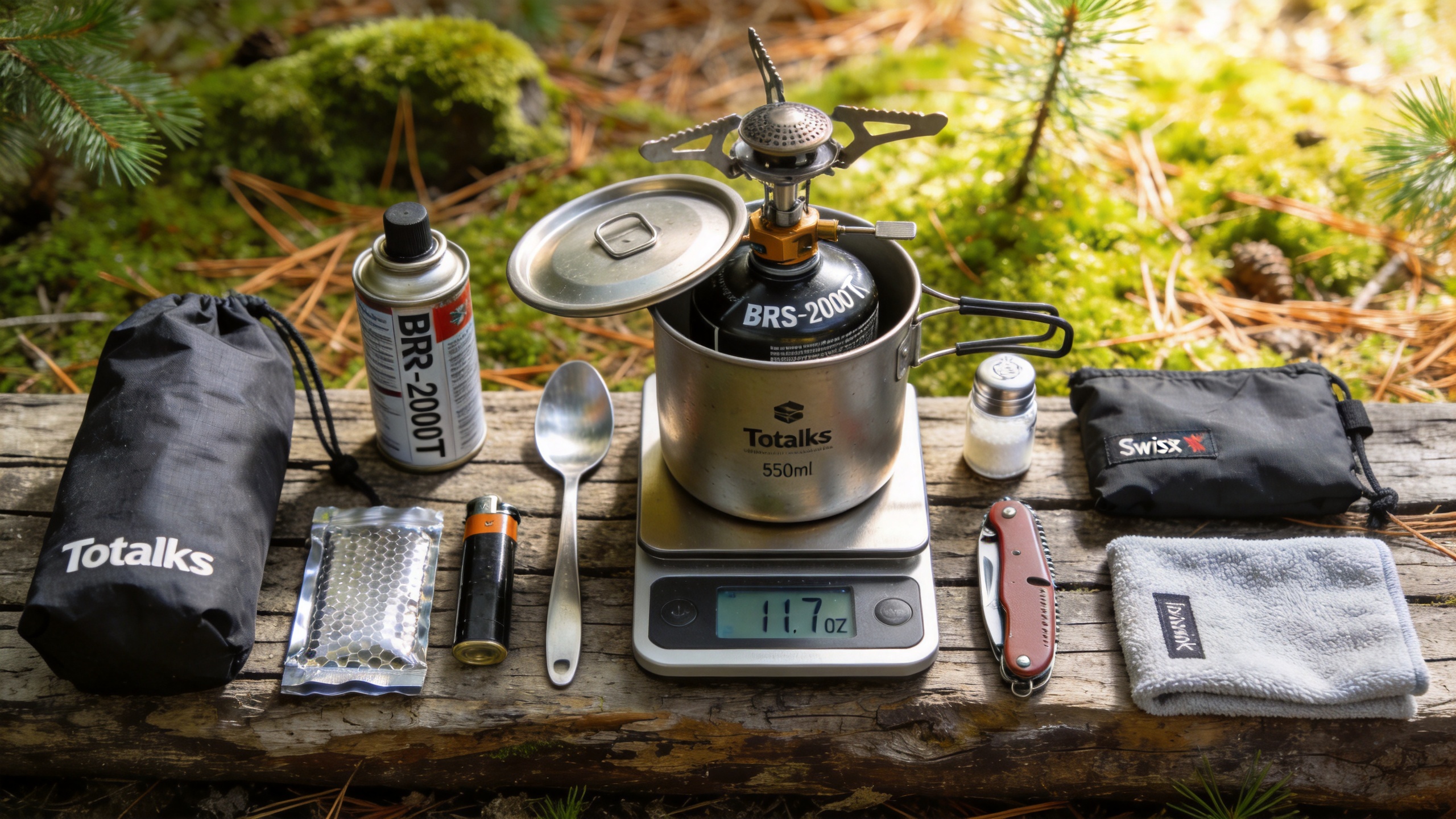
Cold Soaking vs Stove: The Real Weight Math The Dry Weight Illusion When ultralight hikers debate cold soaking versus a stove, the first number thrown around is dry base weight. A typical cold soak jar (a wide-mouth peanut butter jar or a dedicated…
Boiled Potatoes for Hiking? Why a Heavy Trail Food Can Still Make Sense
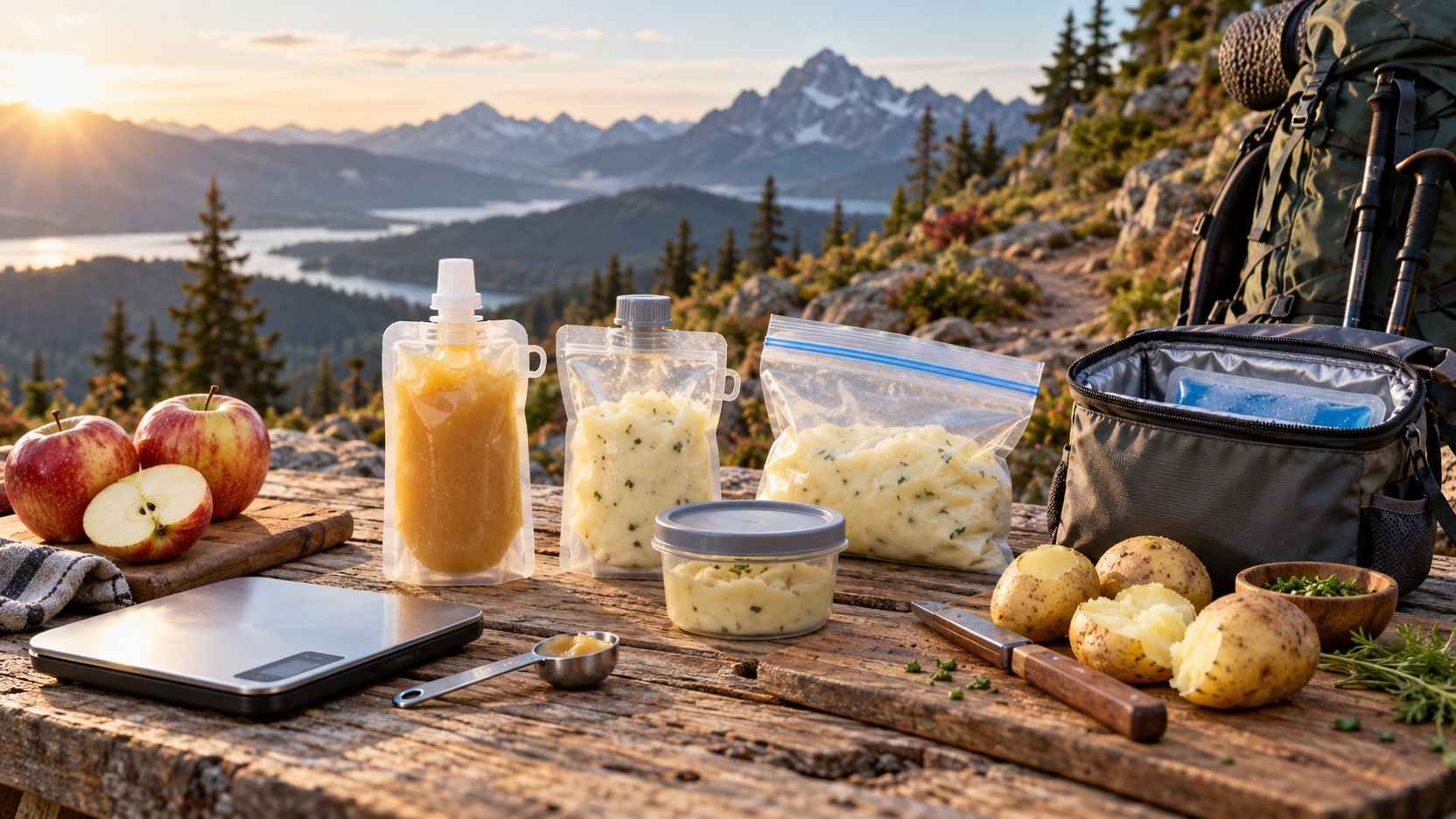
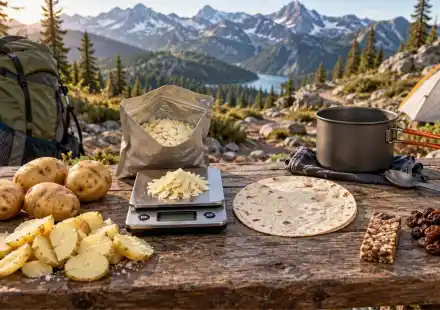
Ultralight backpacking advice usually pushes hikers toward one simple rule: carry more calories for less weight, which makes a boiled potato look like a terrible trail food before it even reaches your pack. 🥔 A cooked potato is bulky, full of water,…
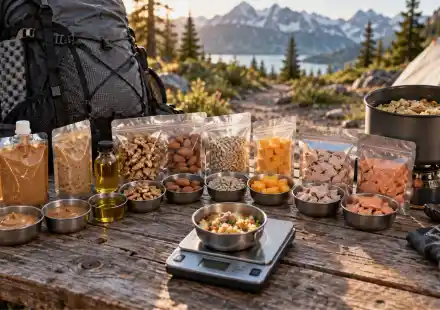
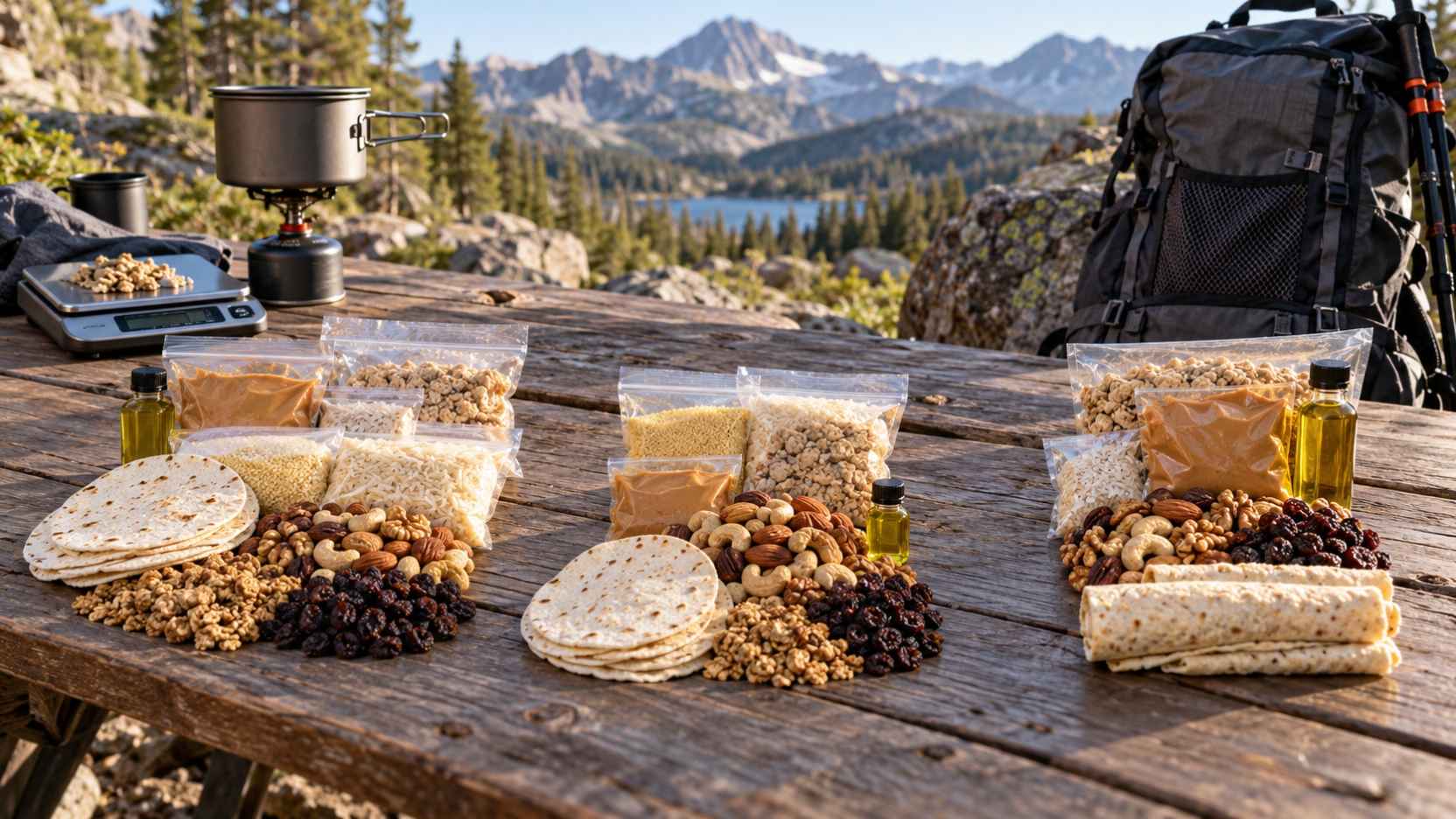
Olive Oil vs Nuts vs Peanut Butter: Which Fat Adds the Most Trail Calories for the Weight?
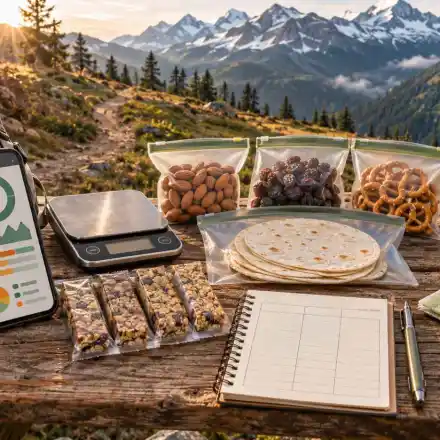
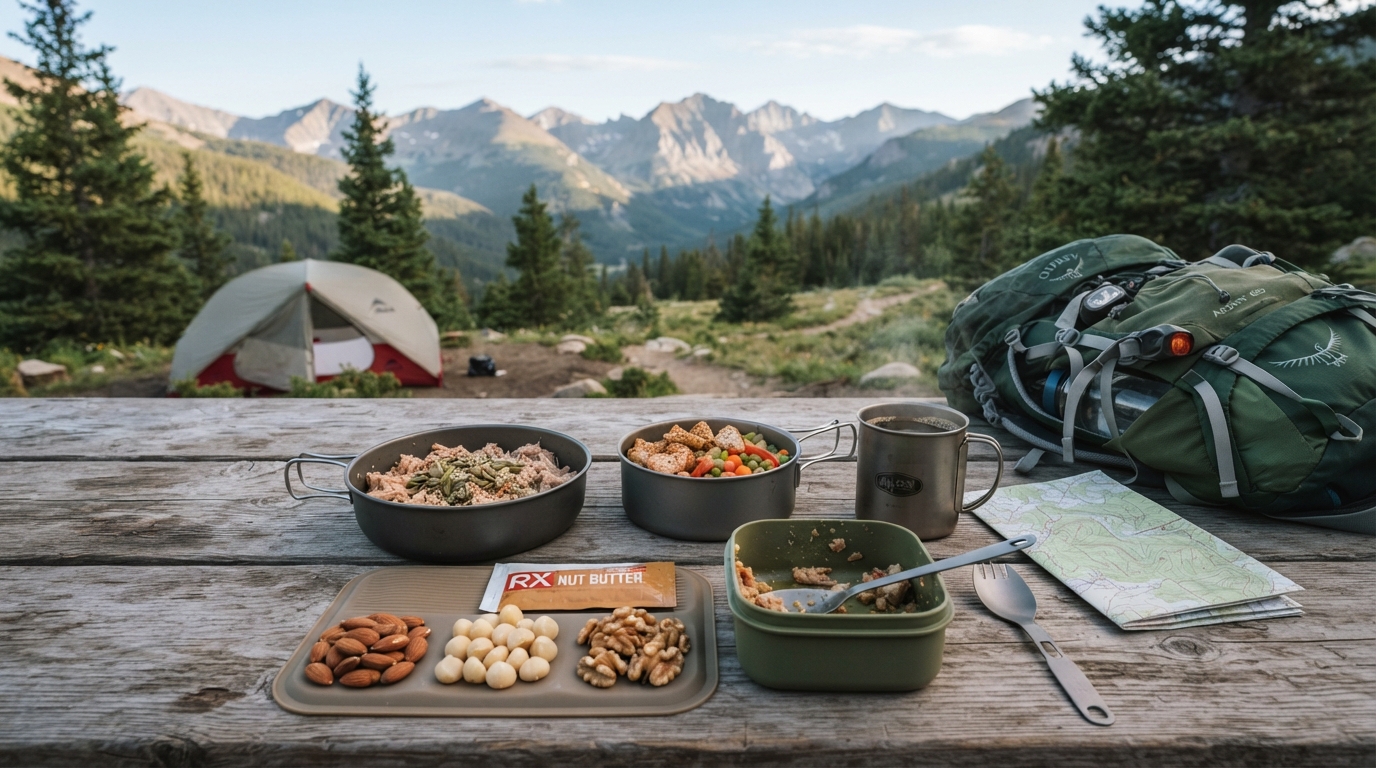
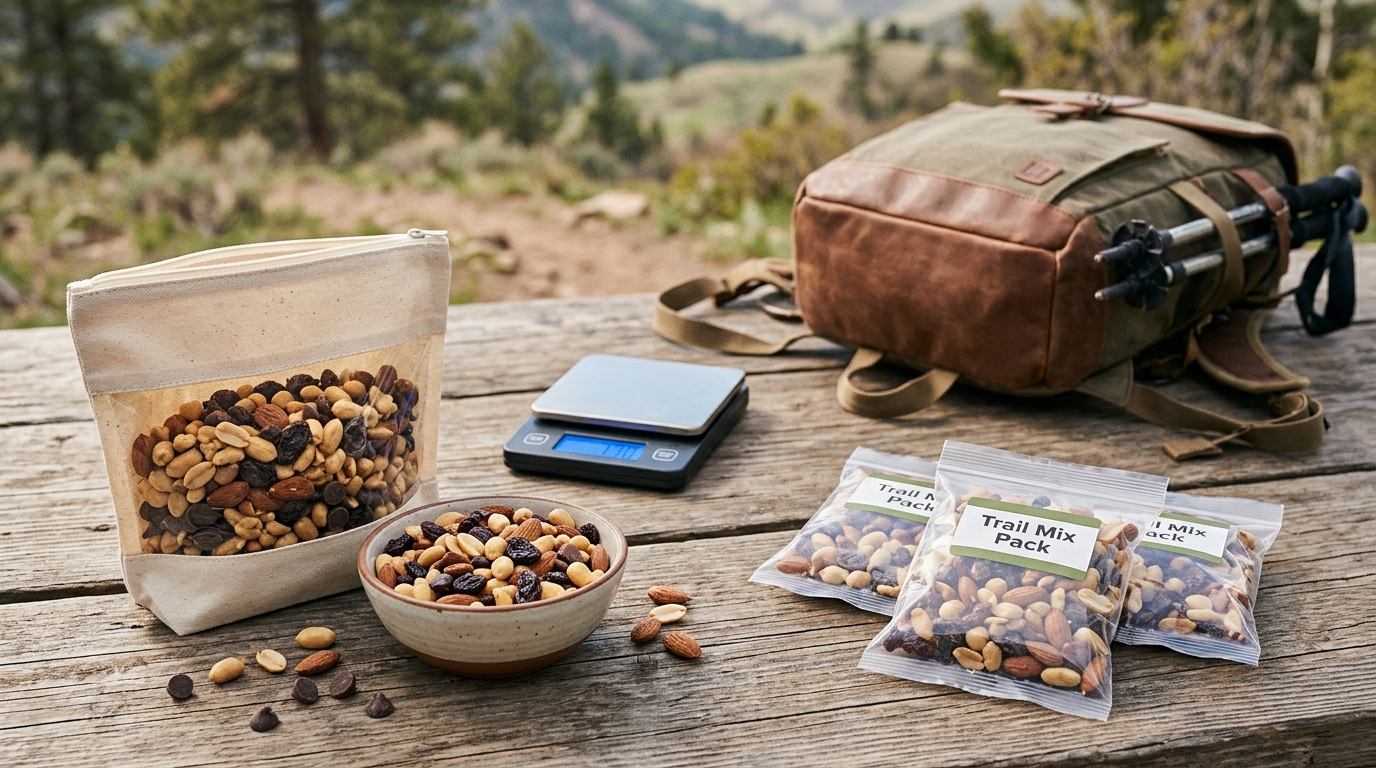
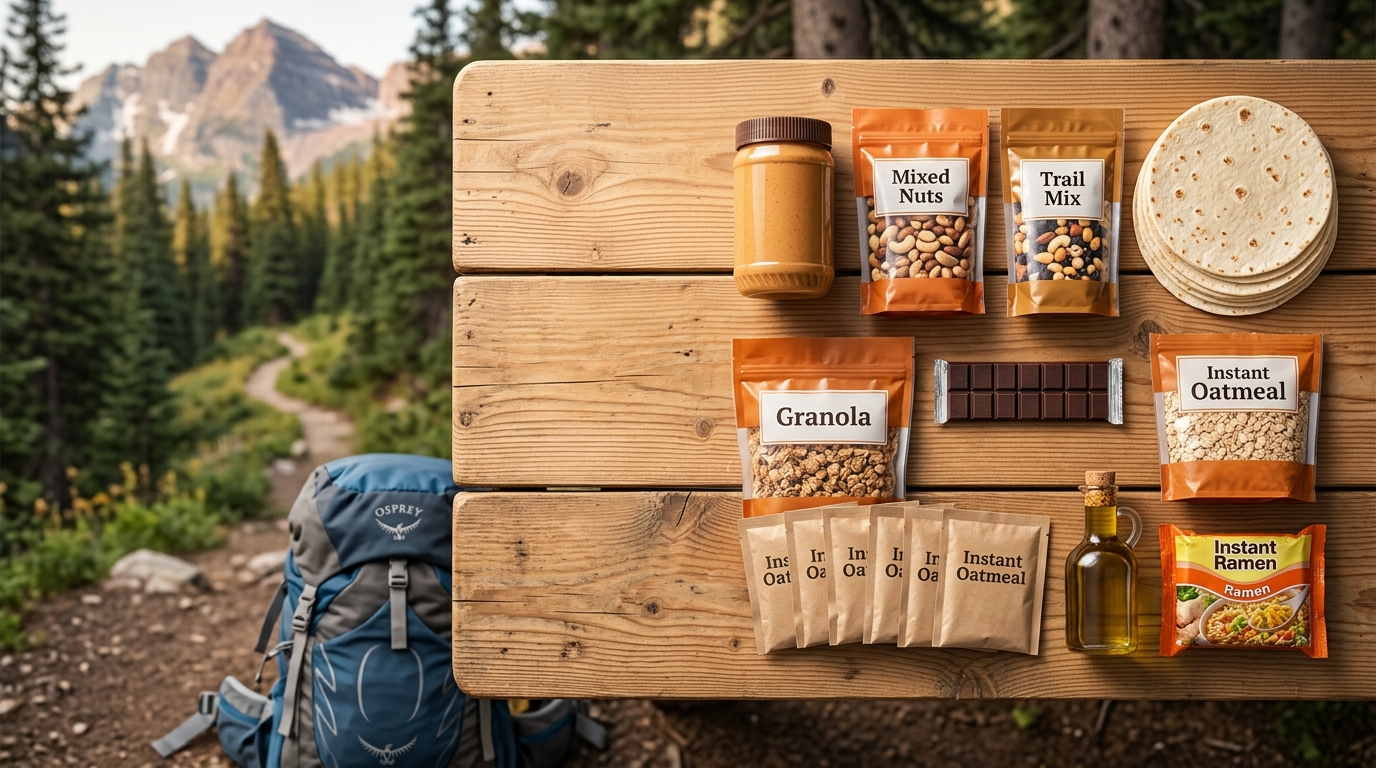
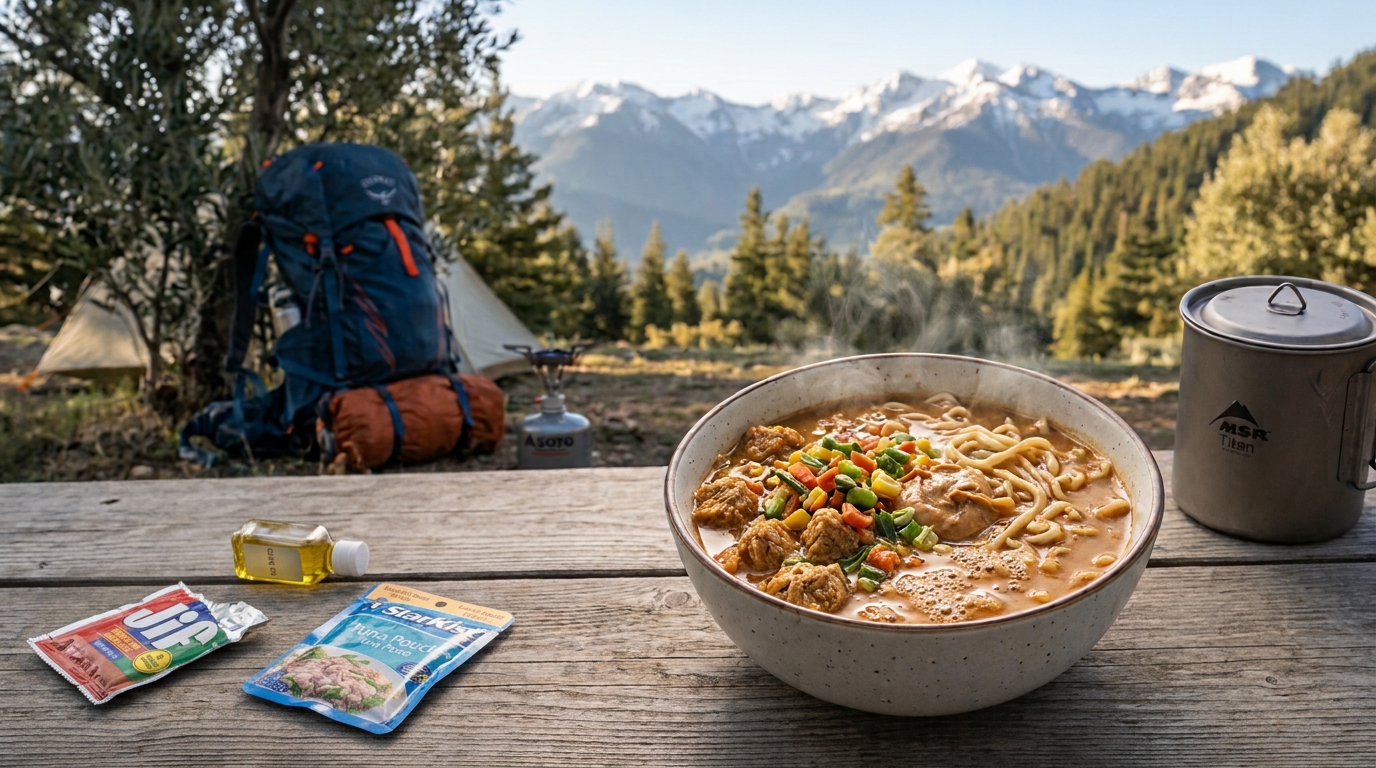
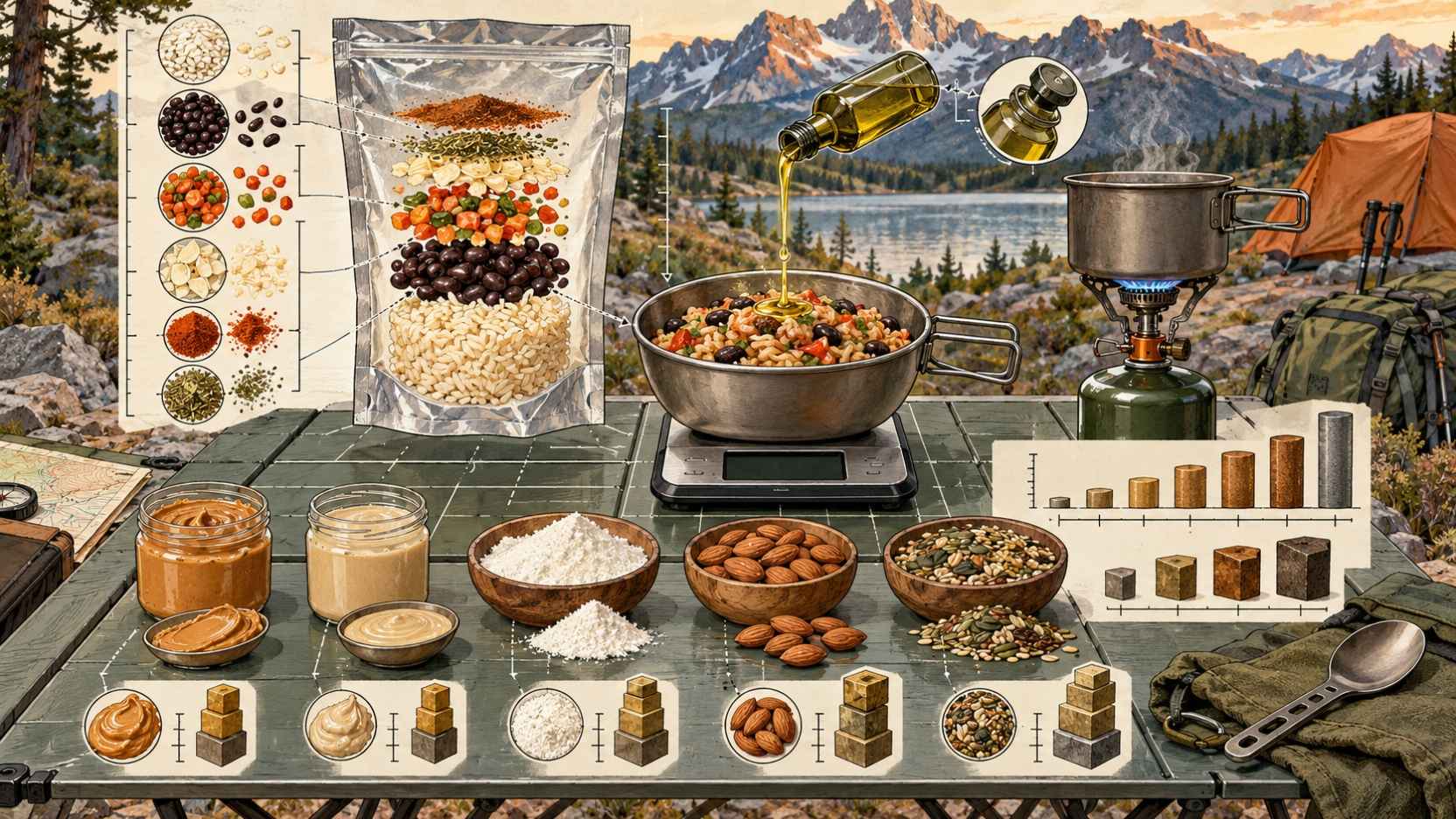
When backpackers start chasing higher calories per ounce, fat quickly becomes attractive because it can add hundreds of calories without adding the same weight as bulky, water-rich foods. 🥾 Olive oil, peanut butter, almond butter, walnuts, almonds,…
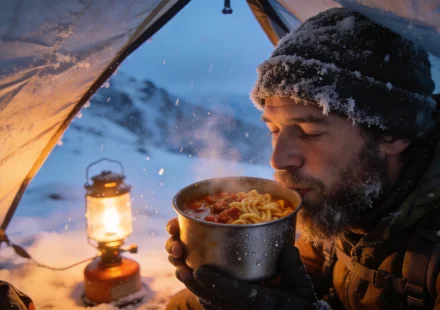
Why Hot Meals Are Worth the Extra Weight
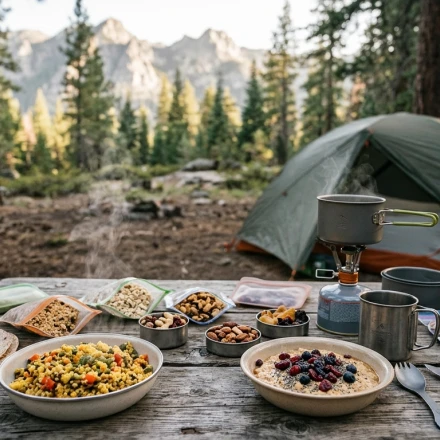
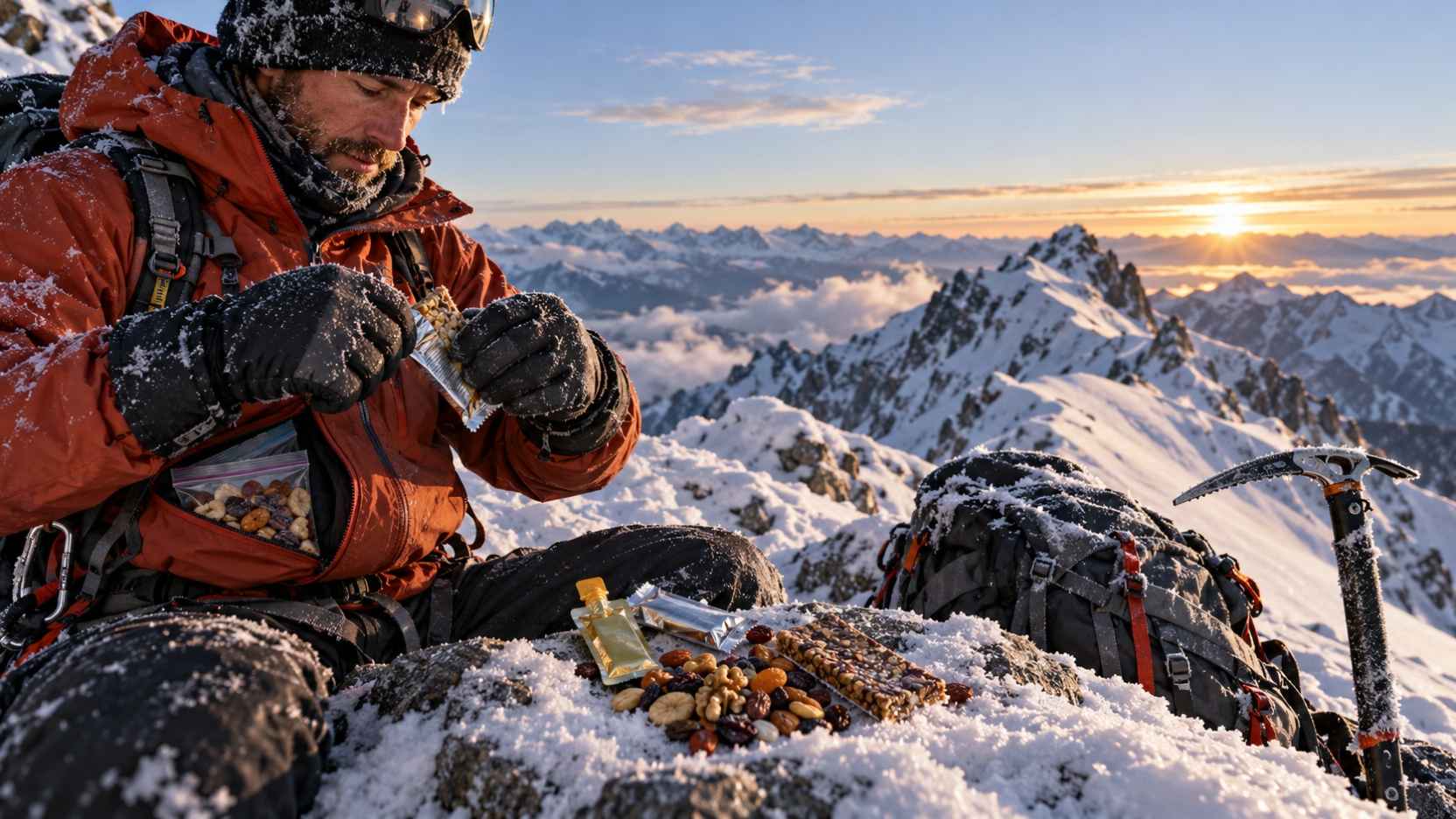
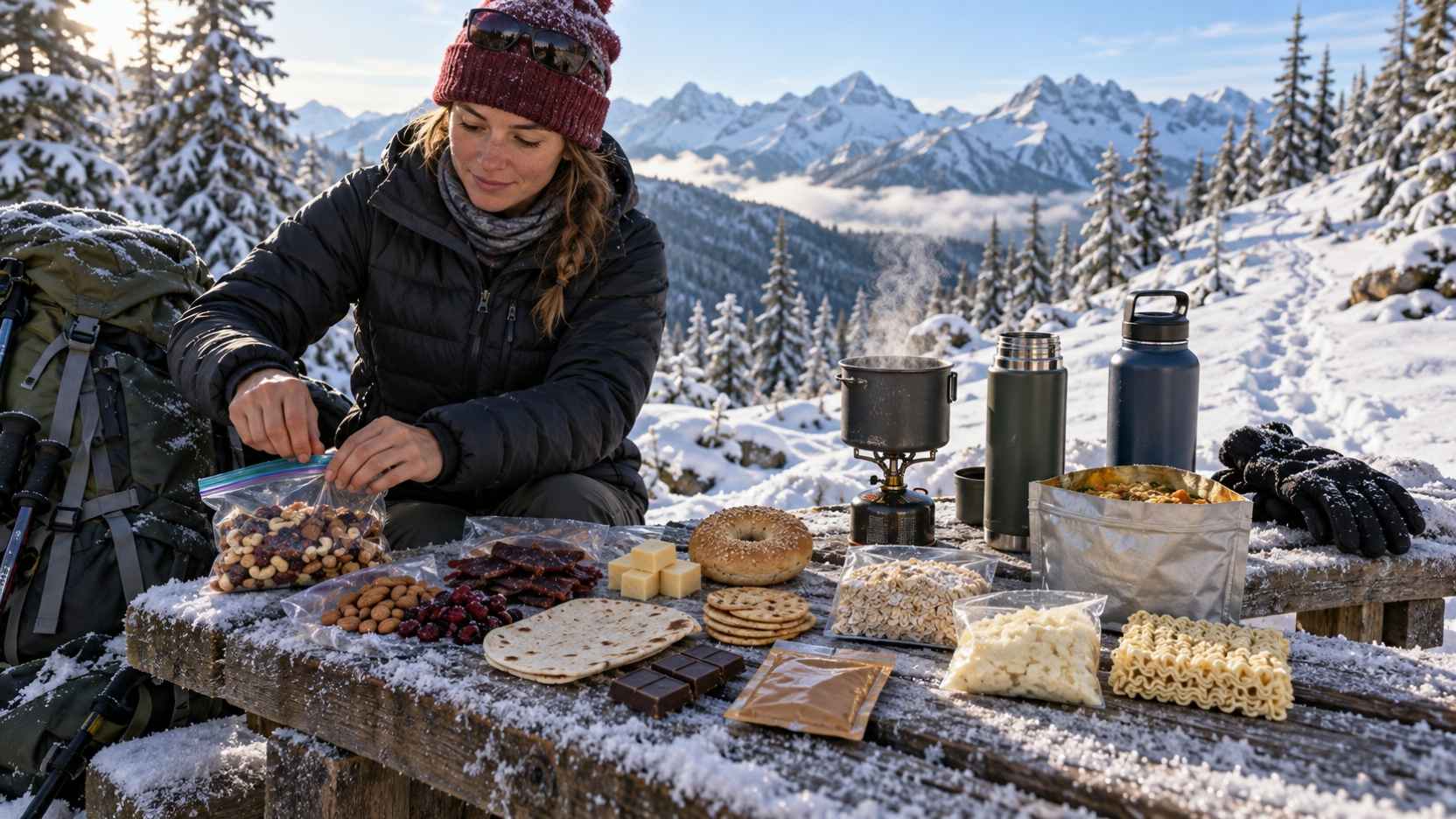
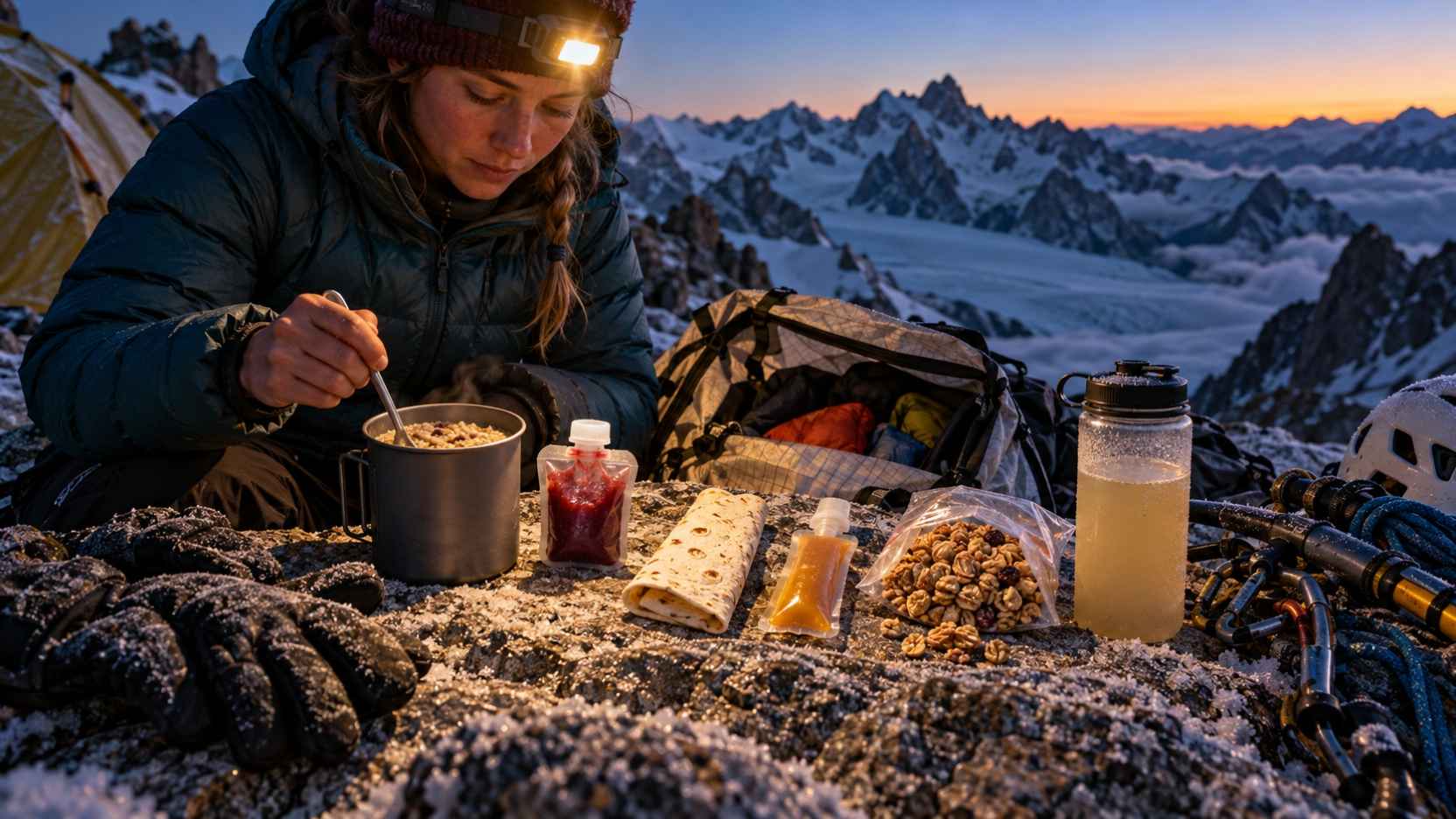
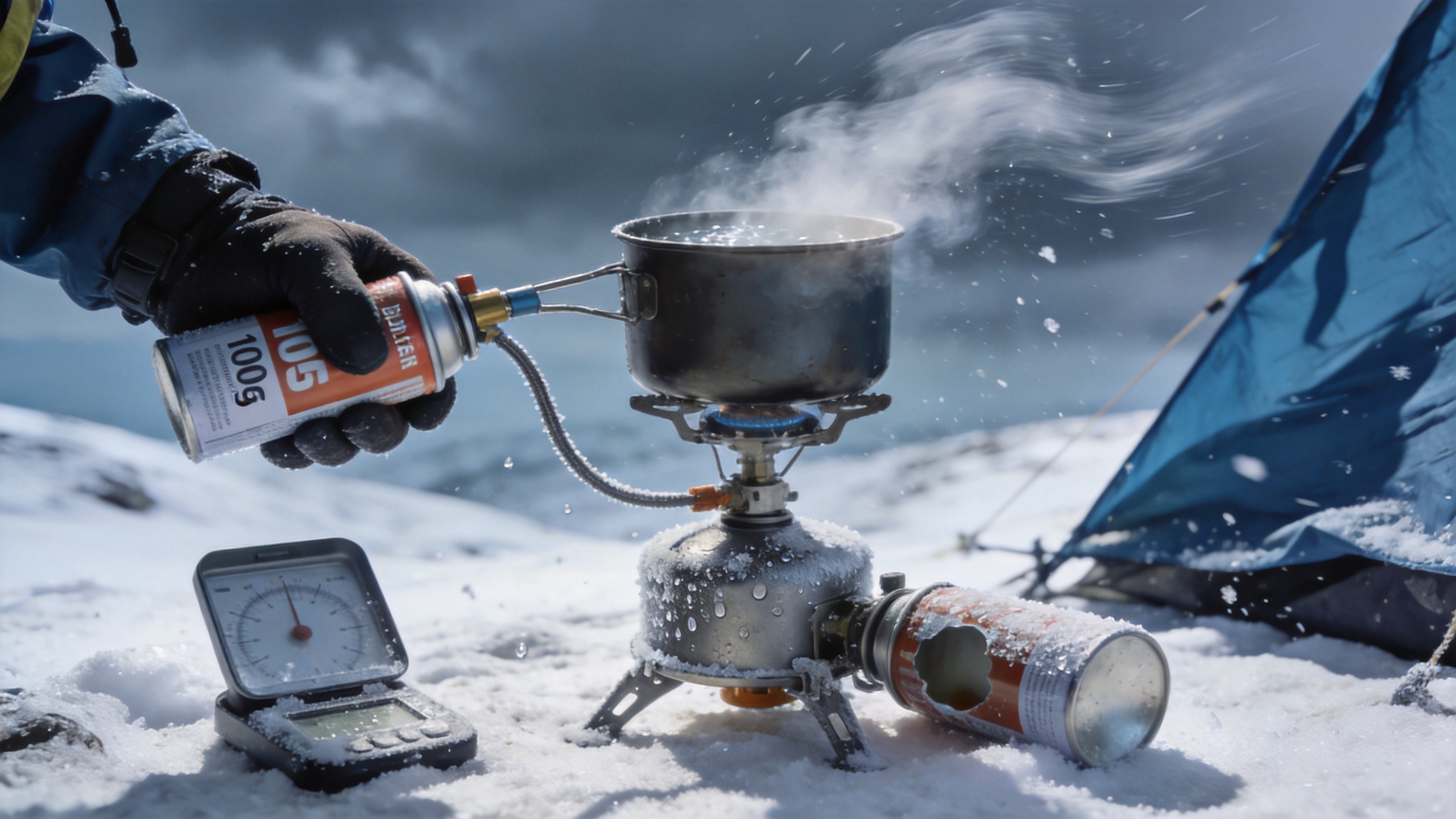
When the temperature drops below freezing, the wind cuts through your layers like a knife, and every step feels heavier than the last, a hot meal isn’t just a luxury — it’s a lifeline. For backpackers who prioritize comfort and safety over…
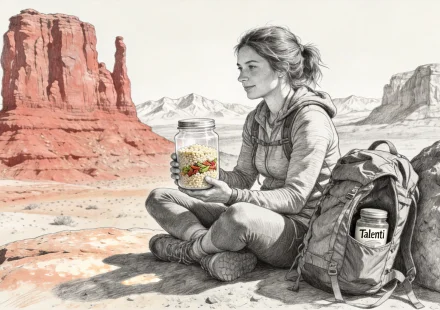
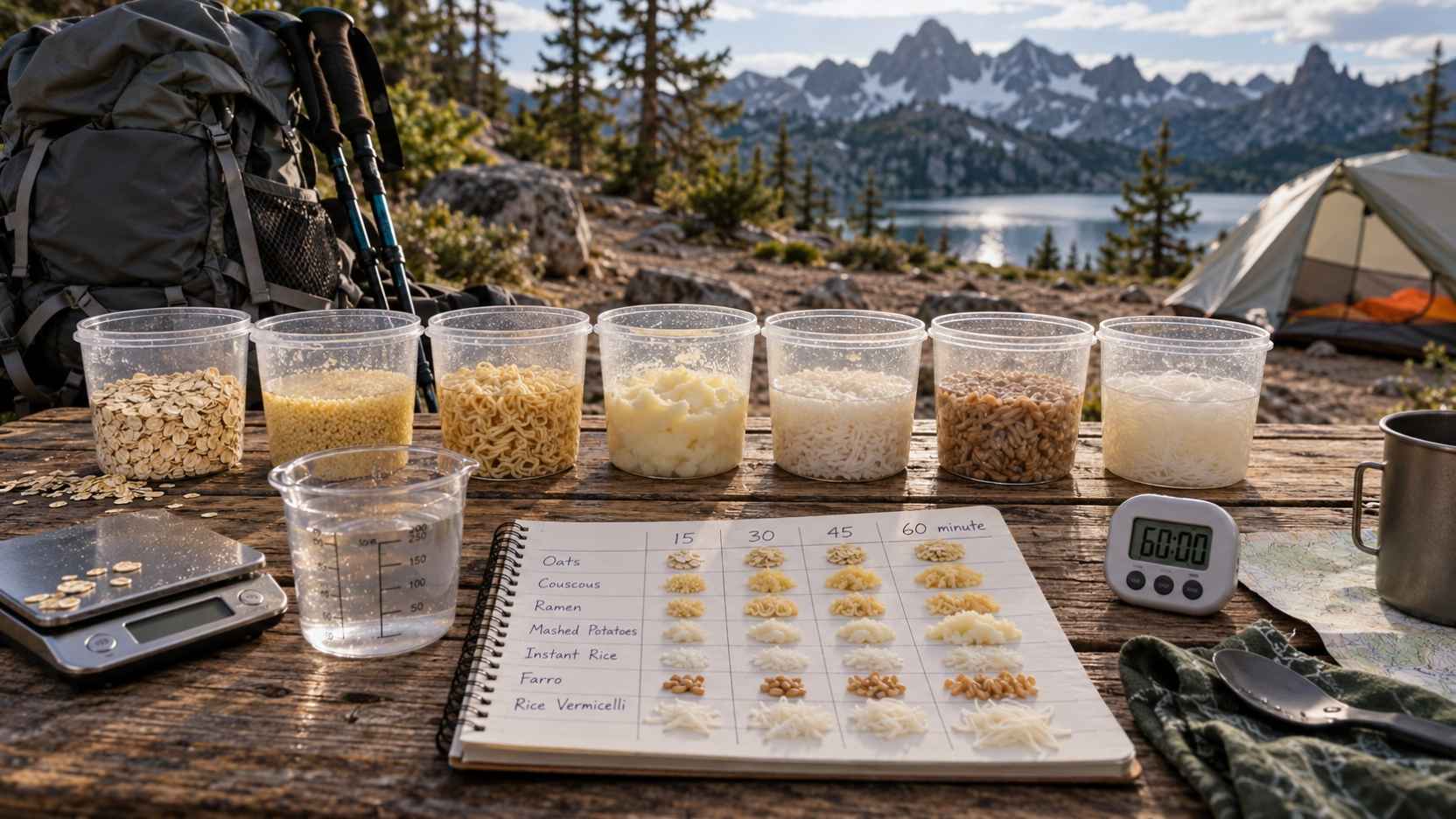
The Ultimate Cold Soaking Guide for UL Hikers
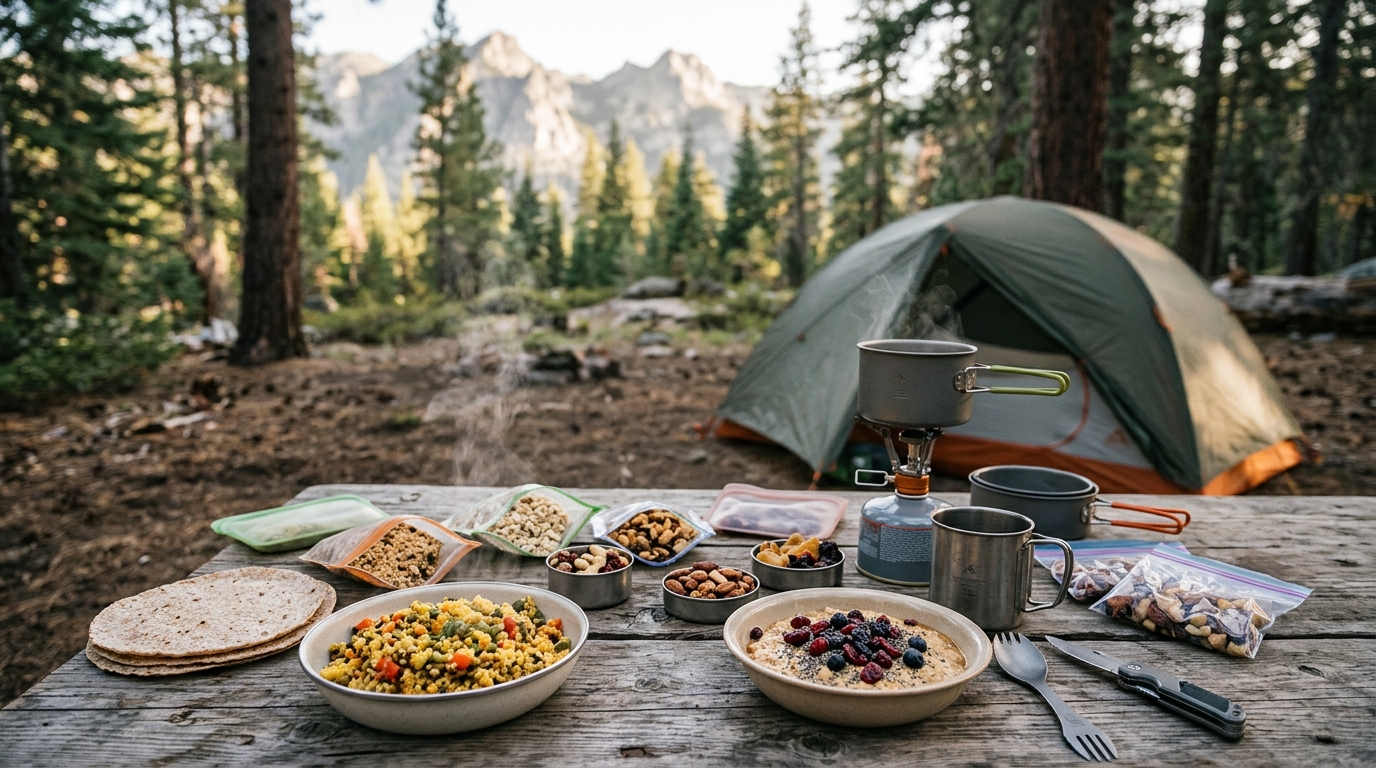
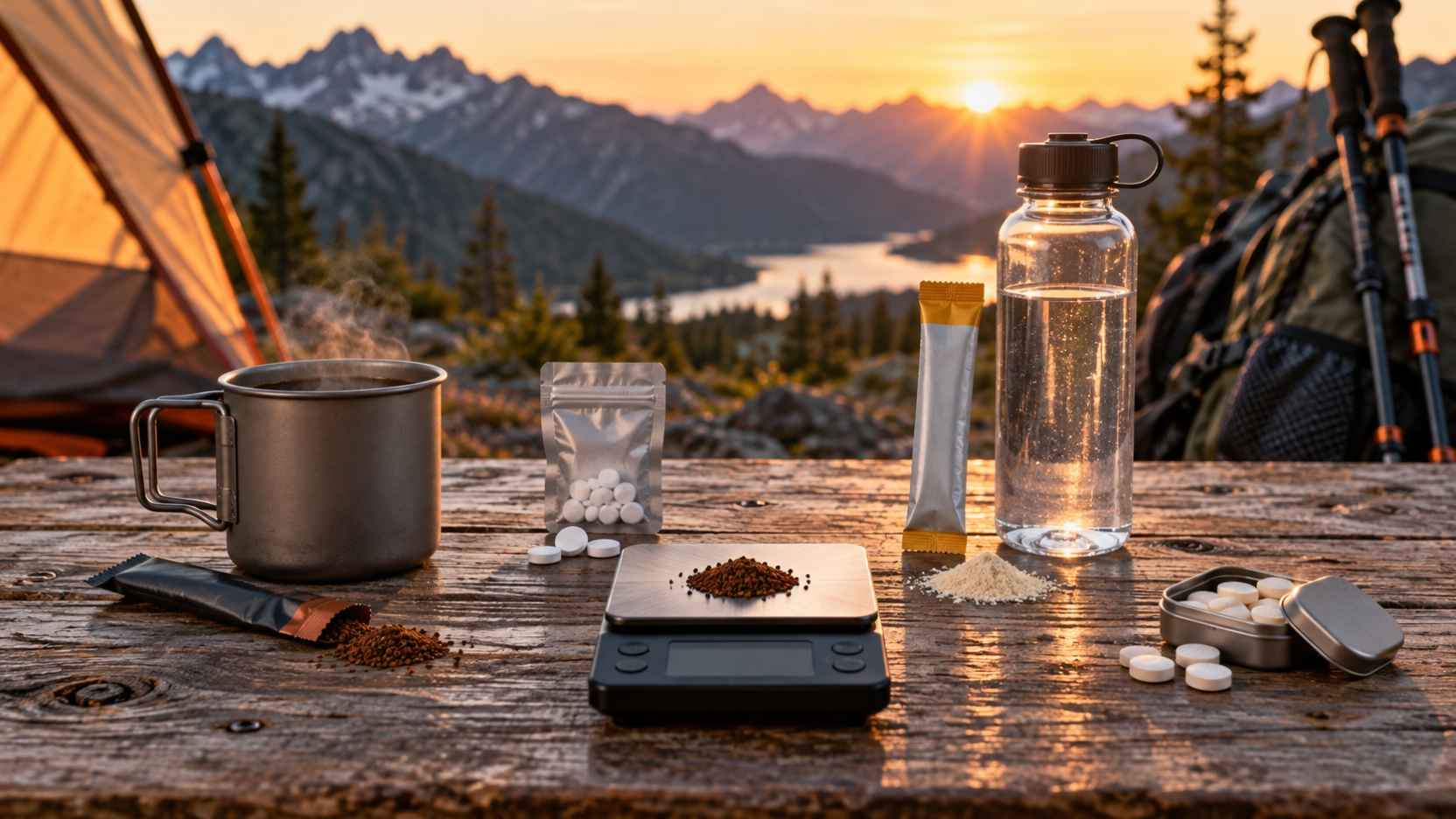
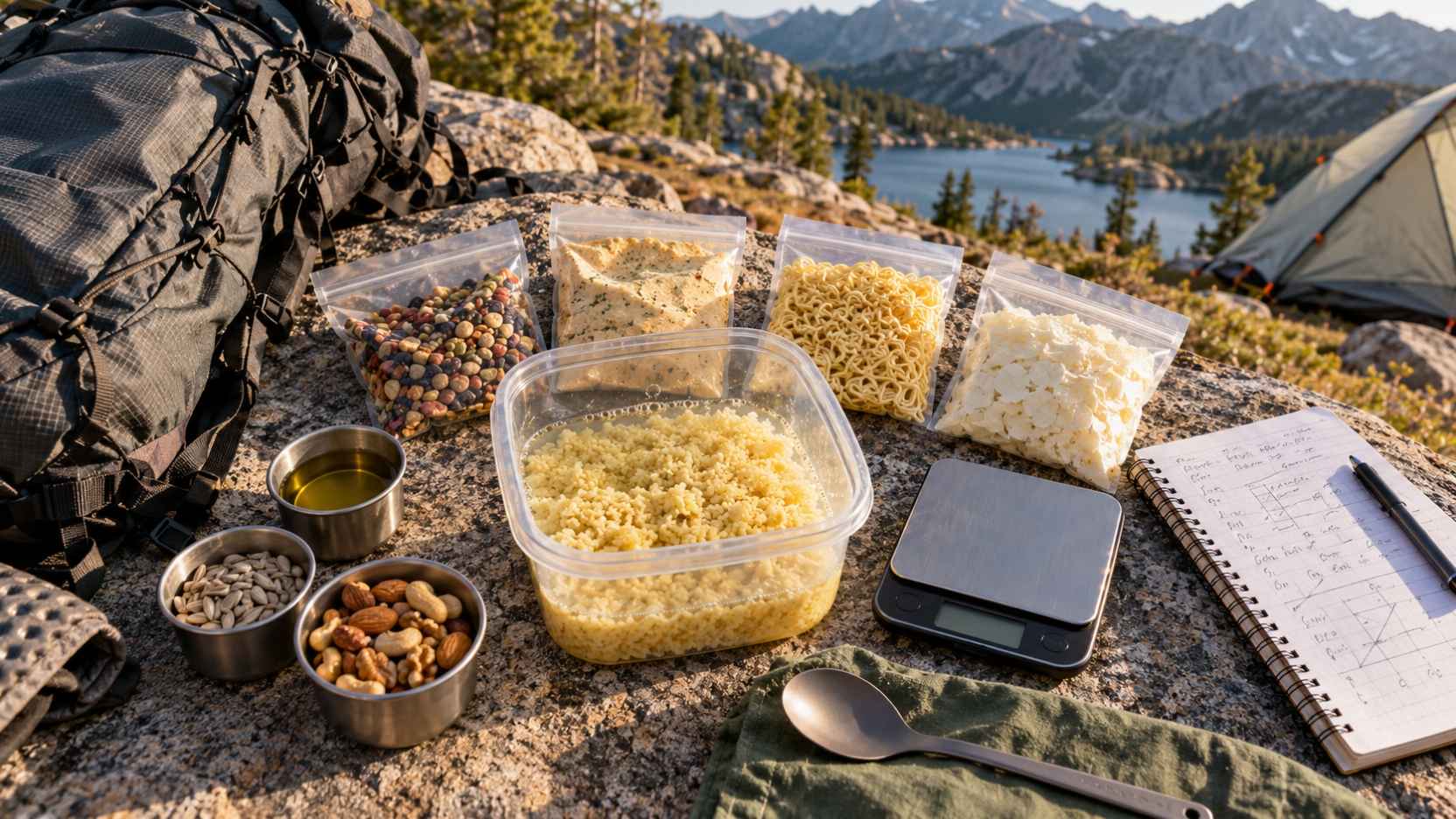
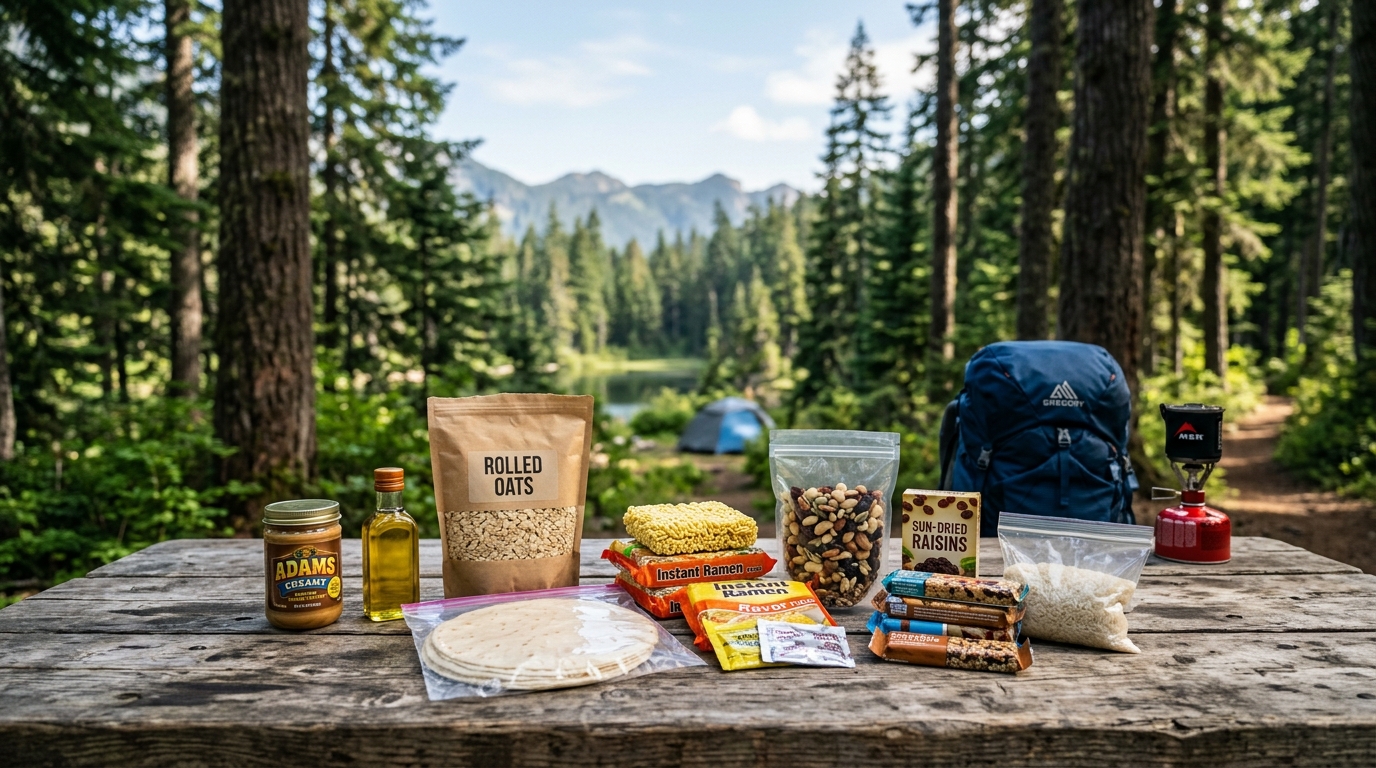
Why Leave the Stove Behind? The Case for Cold Soaking When you’re counting every gram for a 200-mile thru-hike, a stove, fuel canister, and pot add up fast—often over a pound of dead weight. Cold soaking replaces that entire system with a single…
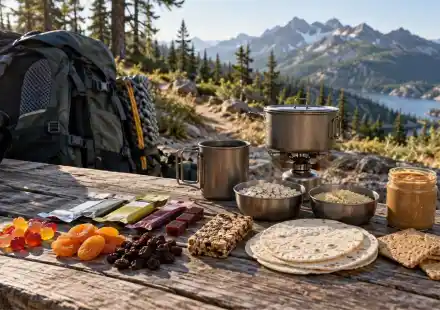
Is Sugar Always Bad on the Trail? Why Hiking Changes the Fast-Carb Question
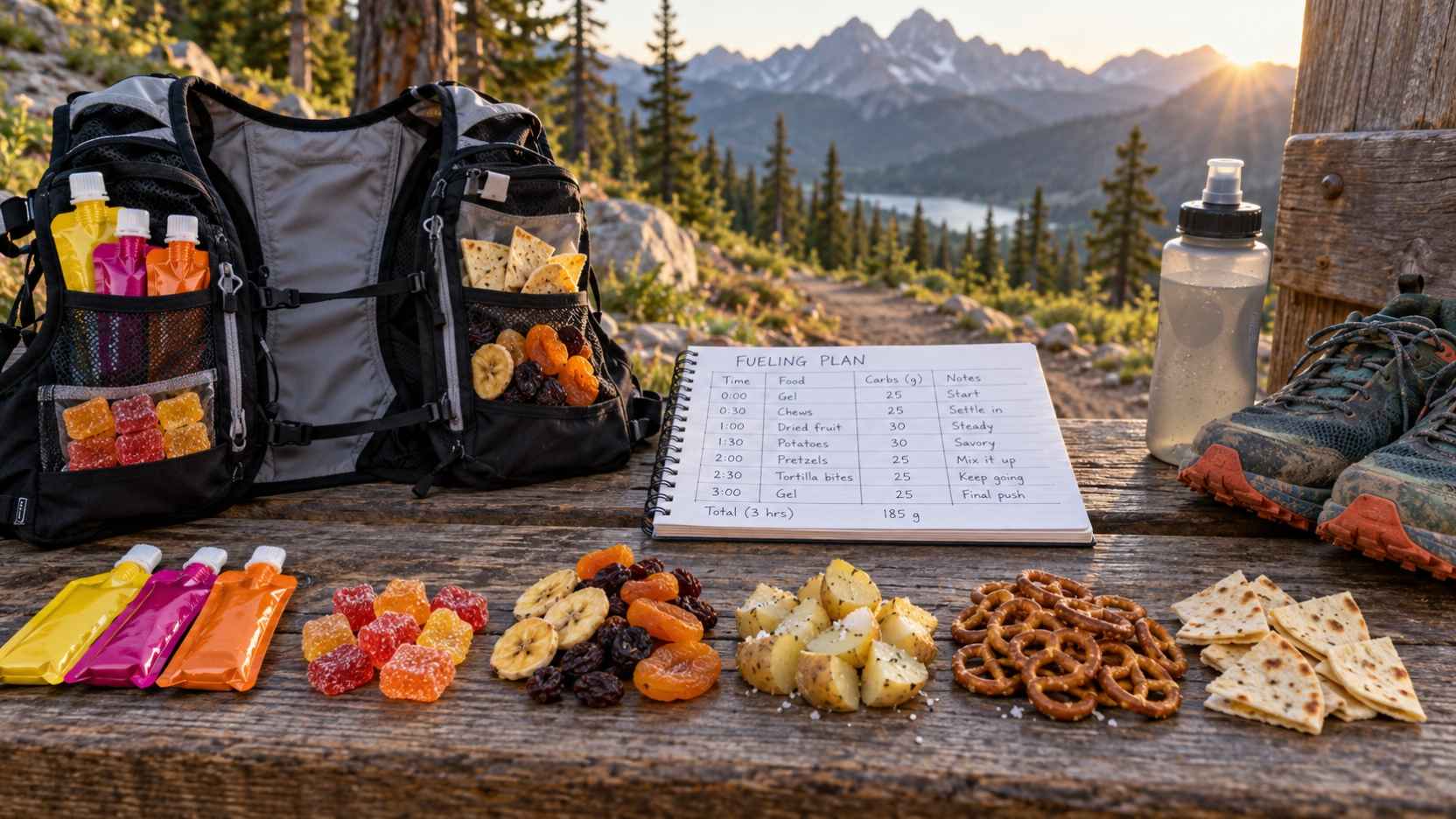
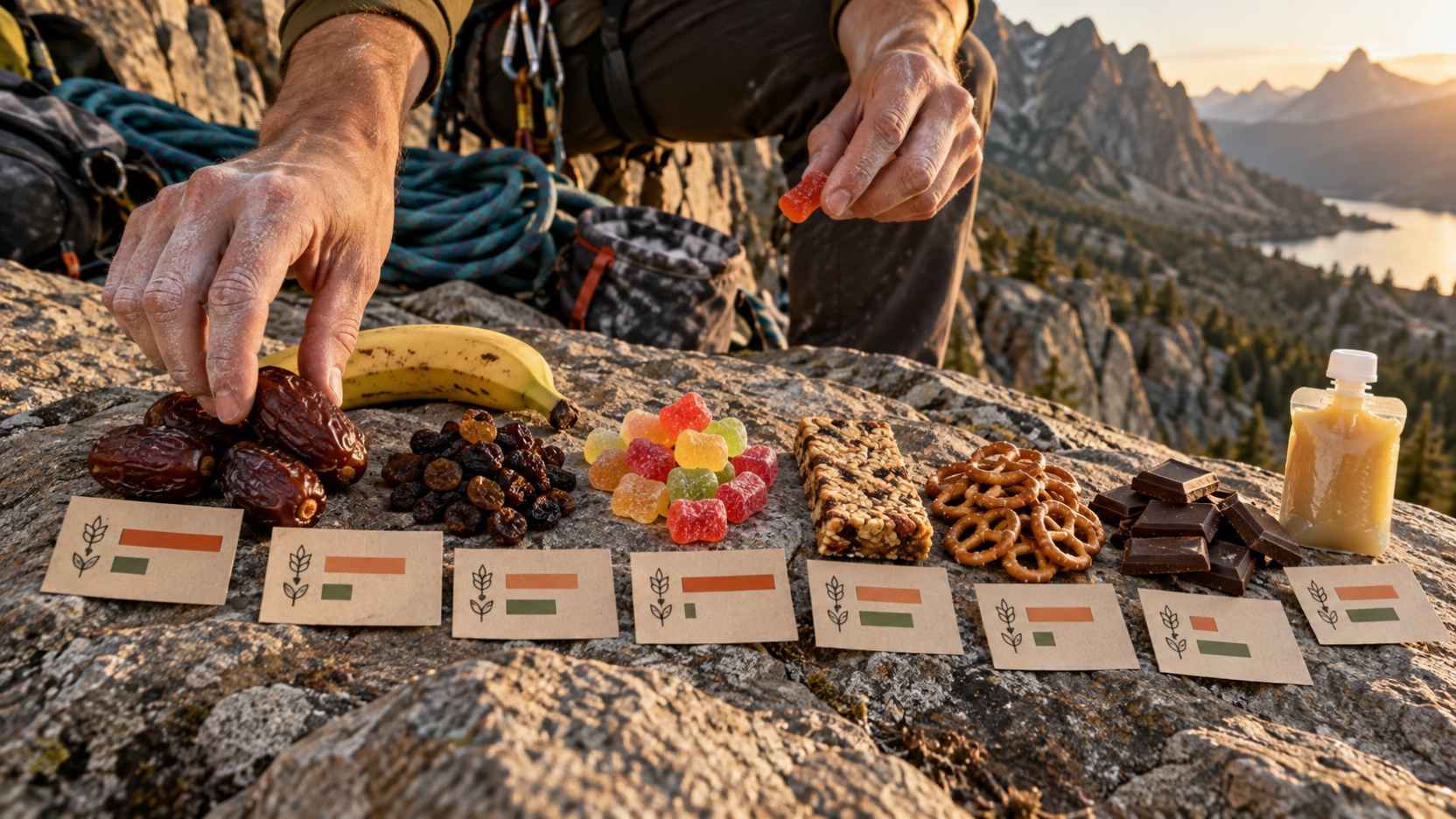
Why “Never Eat Sugar” Does Not Answer a Hiker’s Question “Cut out sugar” sounds like straightforward nutrition advice, but it becomes less useful when you are deciding what food to carry through several hours of continuous hiking. 🥾 A backpacker choosing…
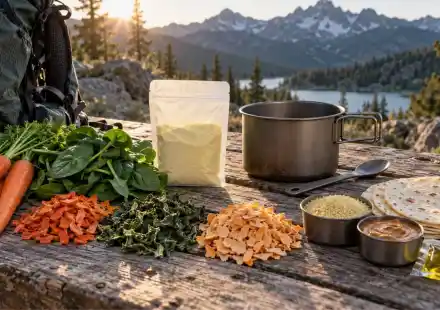
Carrots vs Spinach vs Eggs: Which Vitamin A Foods Actually Make Sense in a Backpacking Food Bag?
Why Carrots Became the Famous “Vitamin A Food” Carrots became synonymous with vitamin A because they are rich in beta-carotene, an orange plant pigment the body can convert into vitamin A, but that does not make carrots uniquely important or…
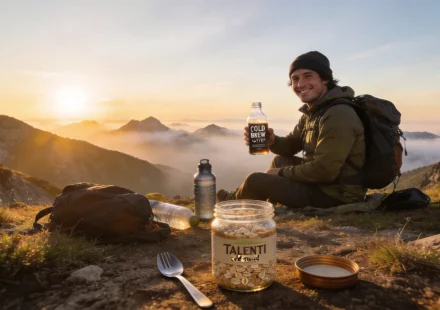
Stoveless Backpacking: Pros, Cons, and Realities
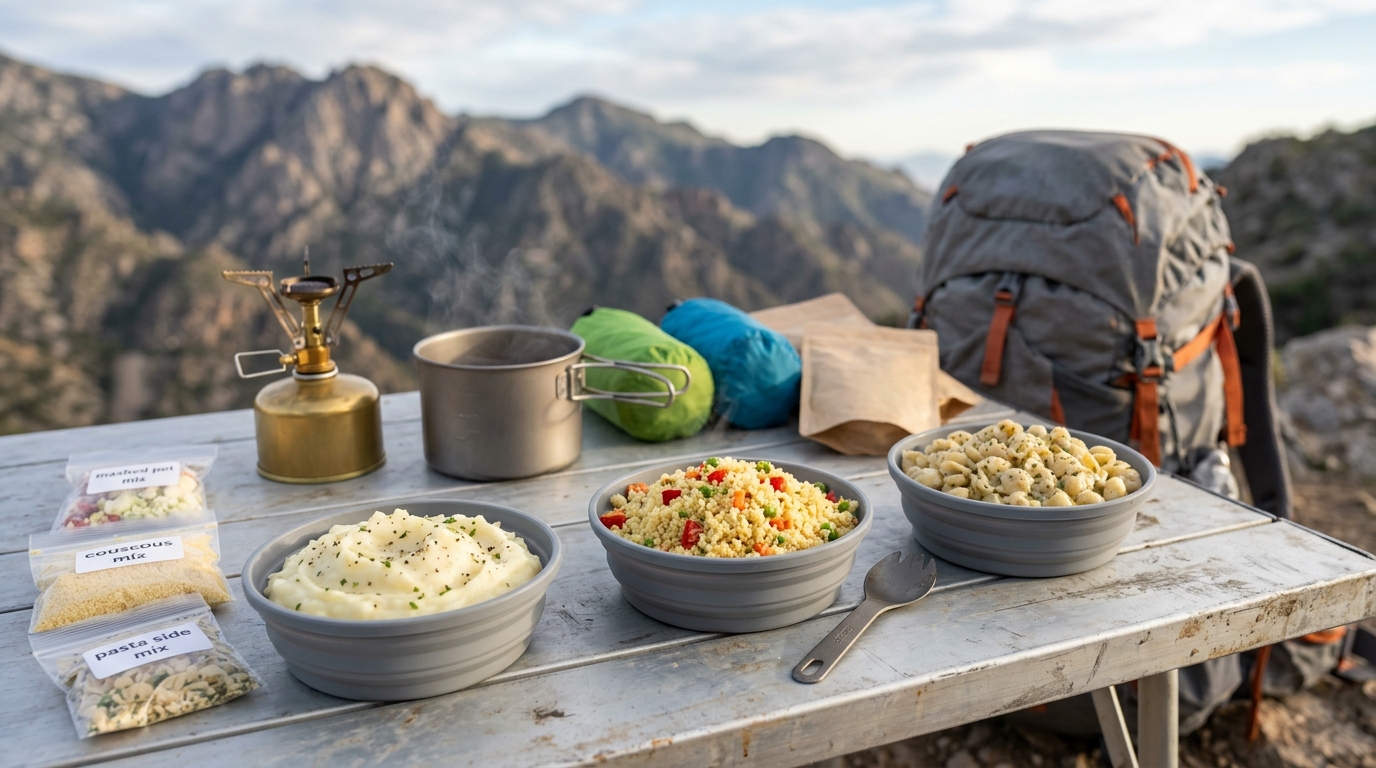
In the ultralight backpacking community, the stoveless movement has gained a cult following—and for good reason. Leaving the stove at home slashes weight, simplifies planning, and saves cash. But is it right for you? Before you ditch your Jetboil, let’s…
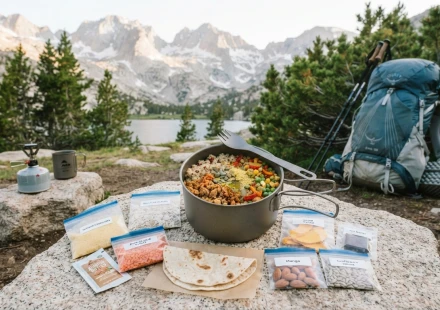
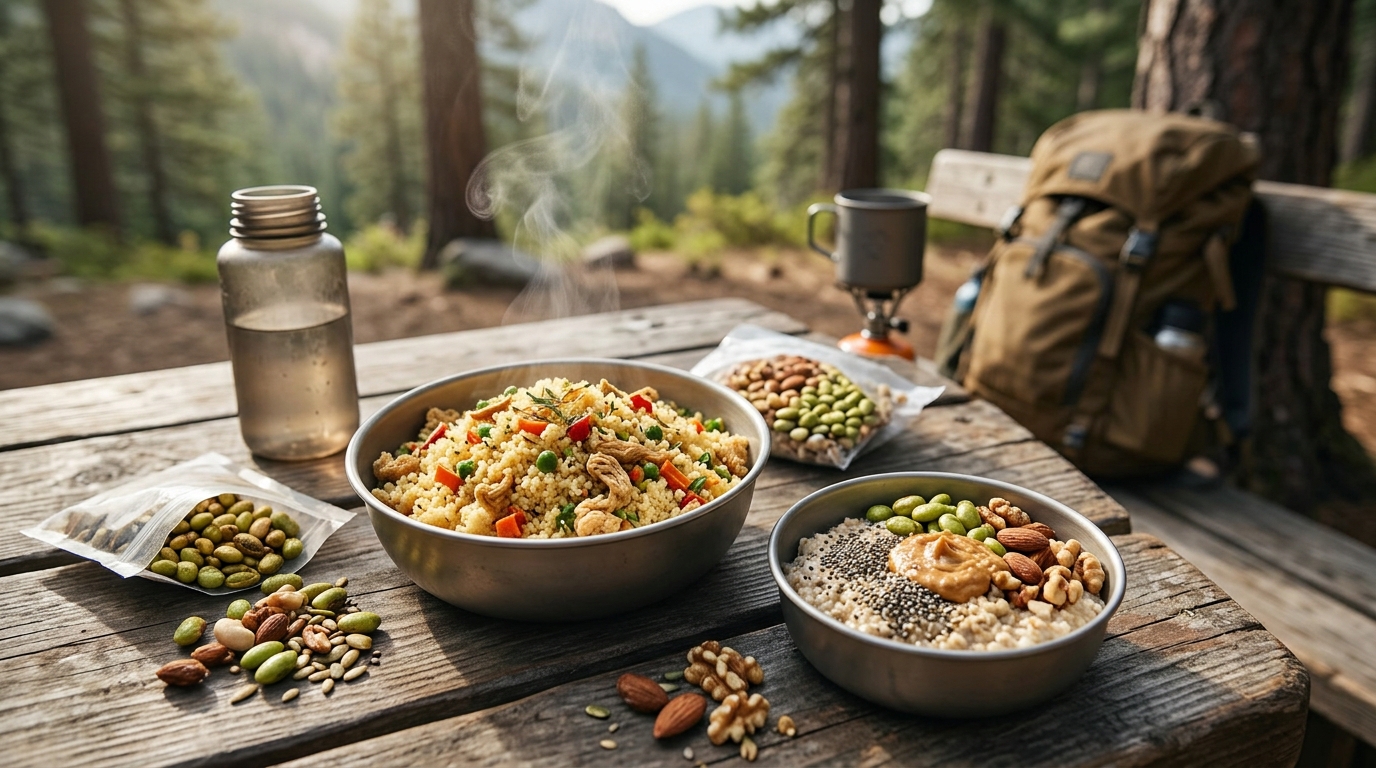
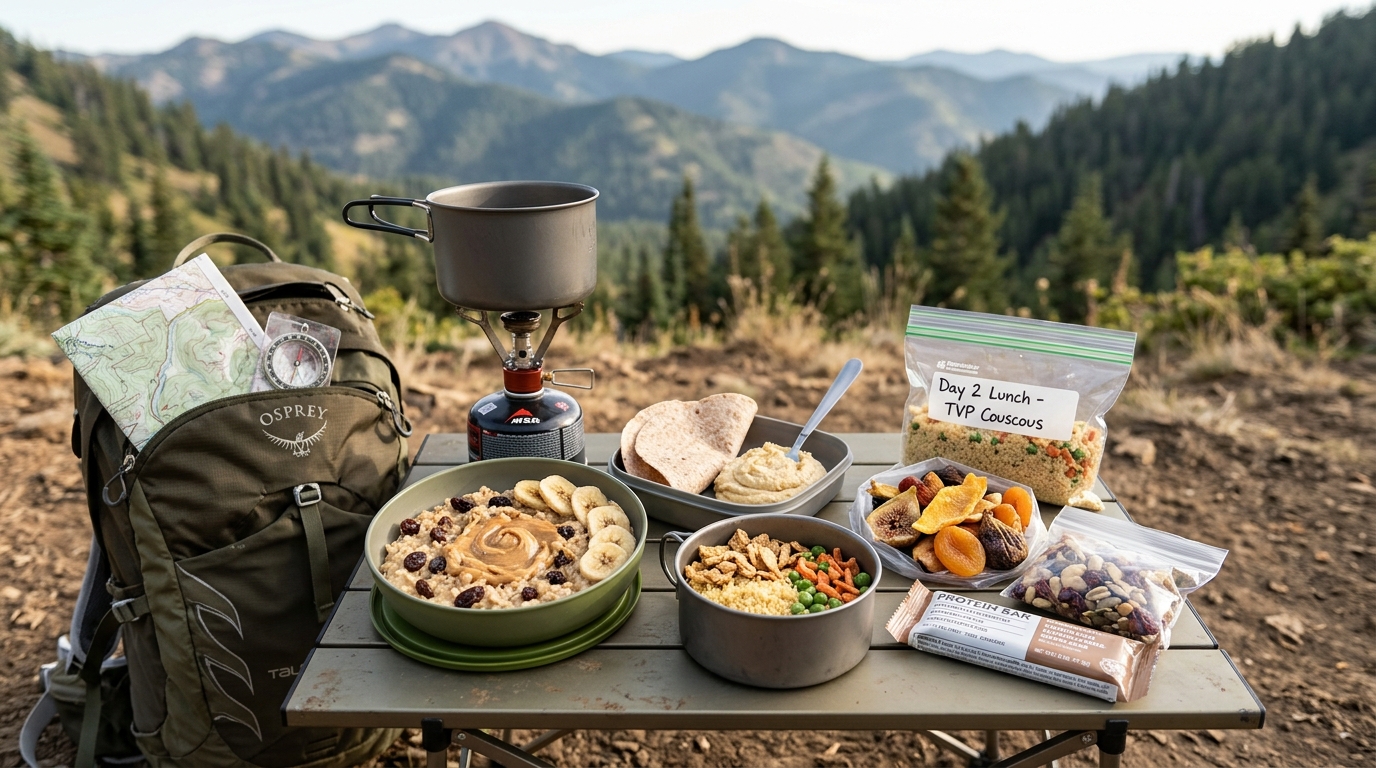
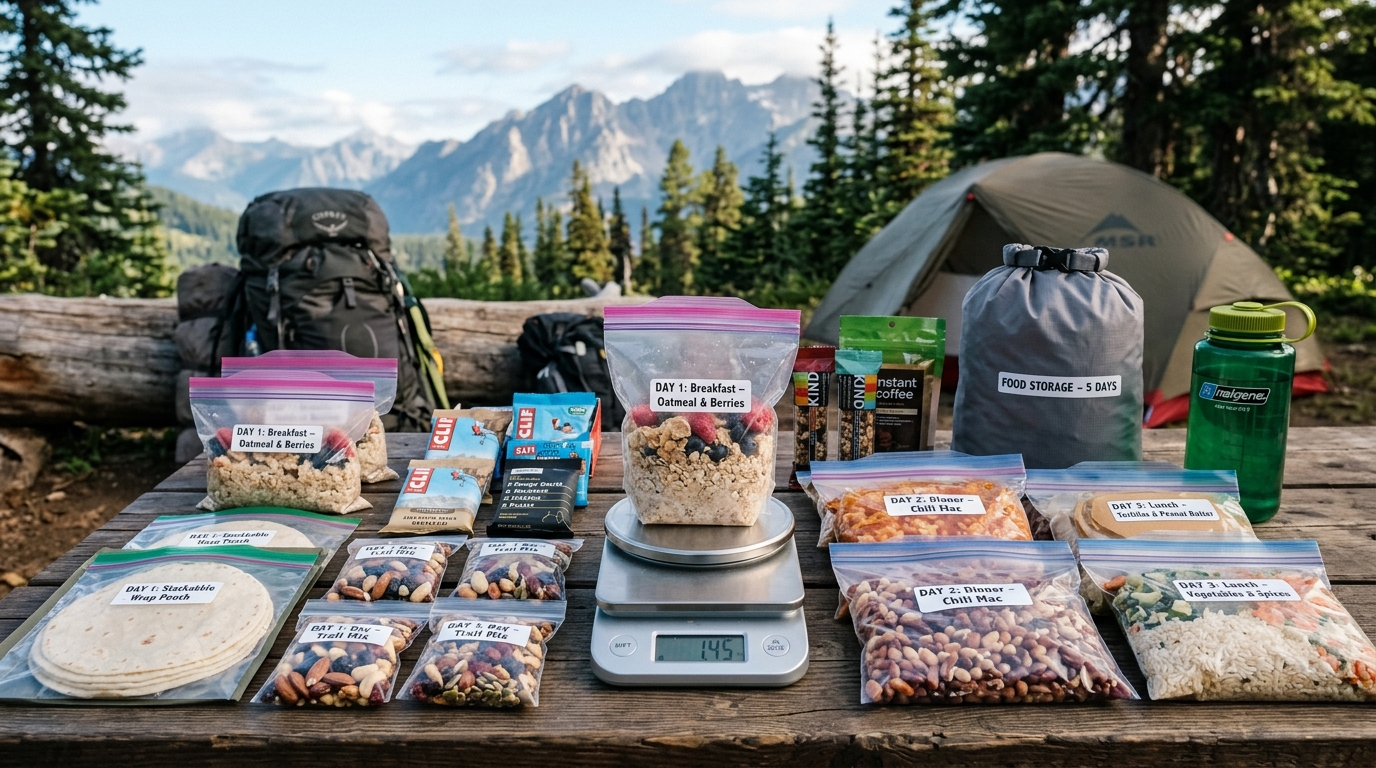
How to Build a Vegetarian Backpacking Menu From Shelf-Stable Foods 🥾🌱
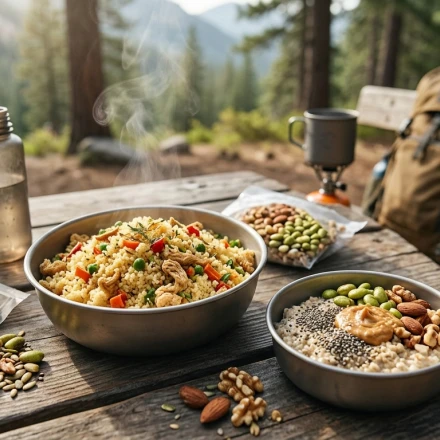
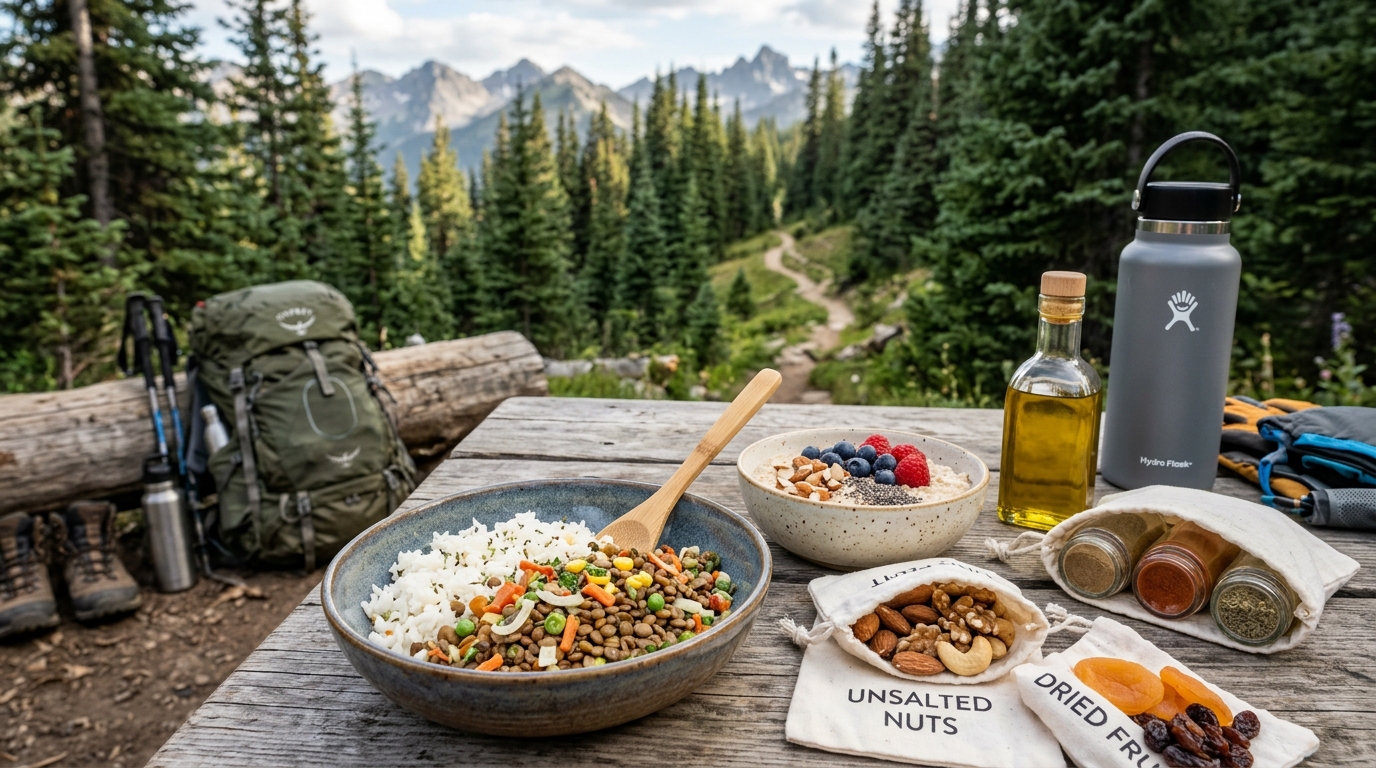
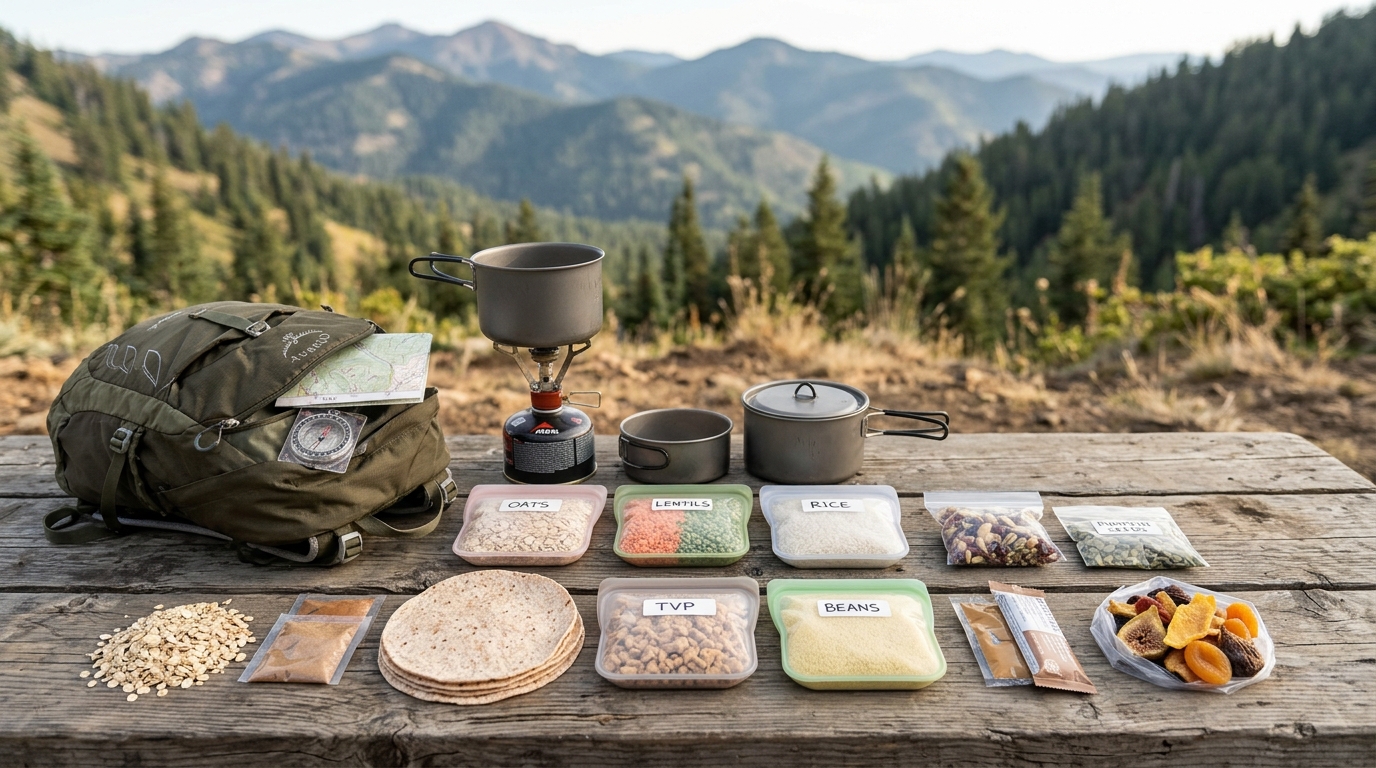
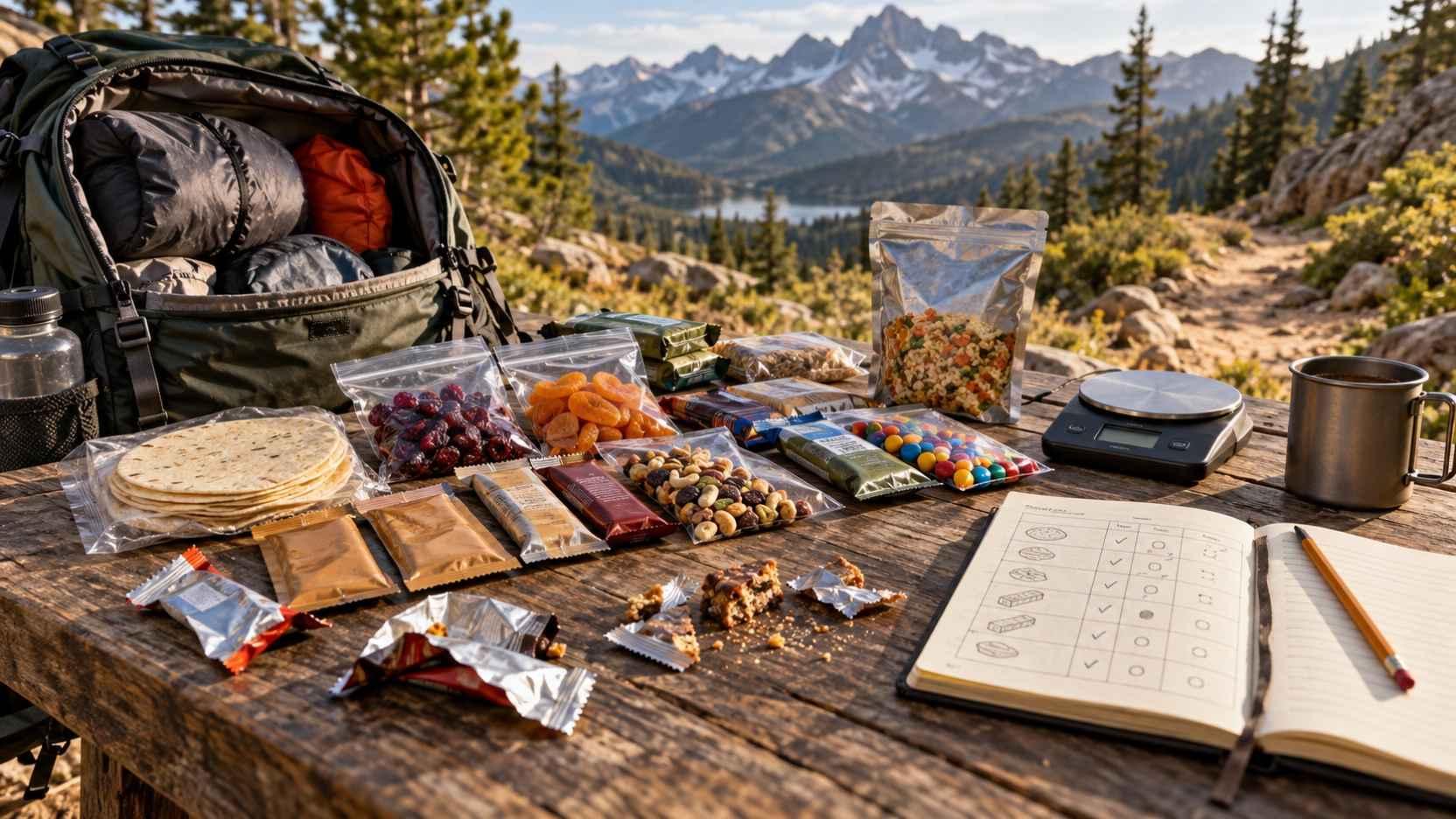
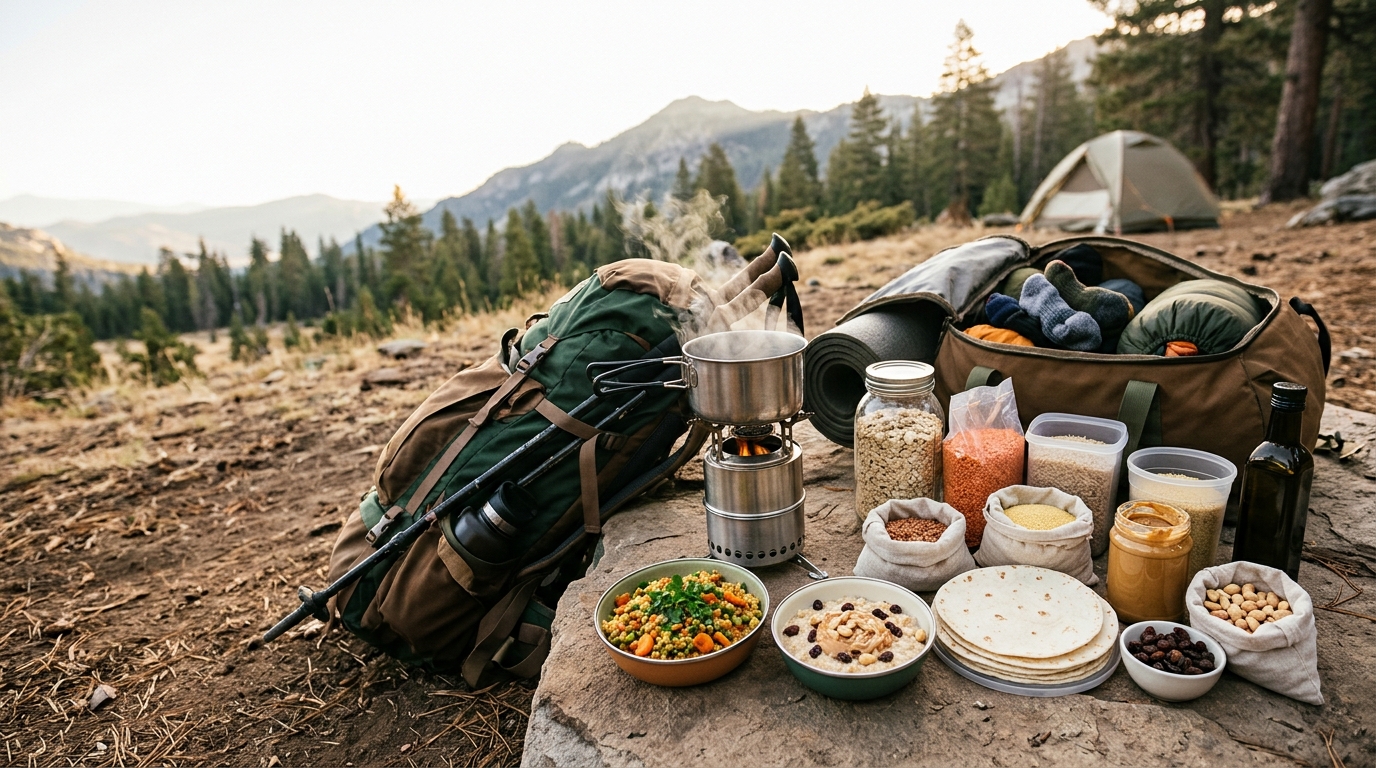
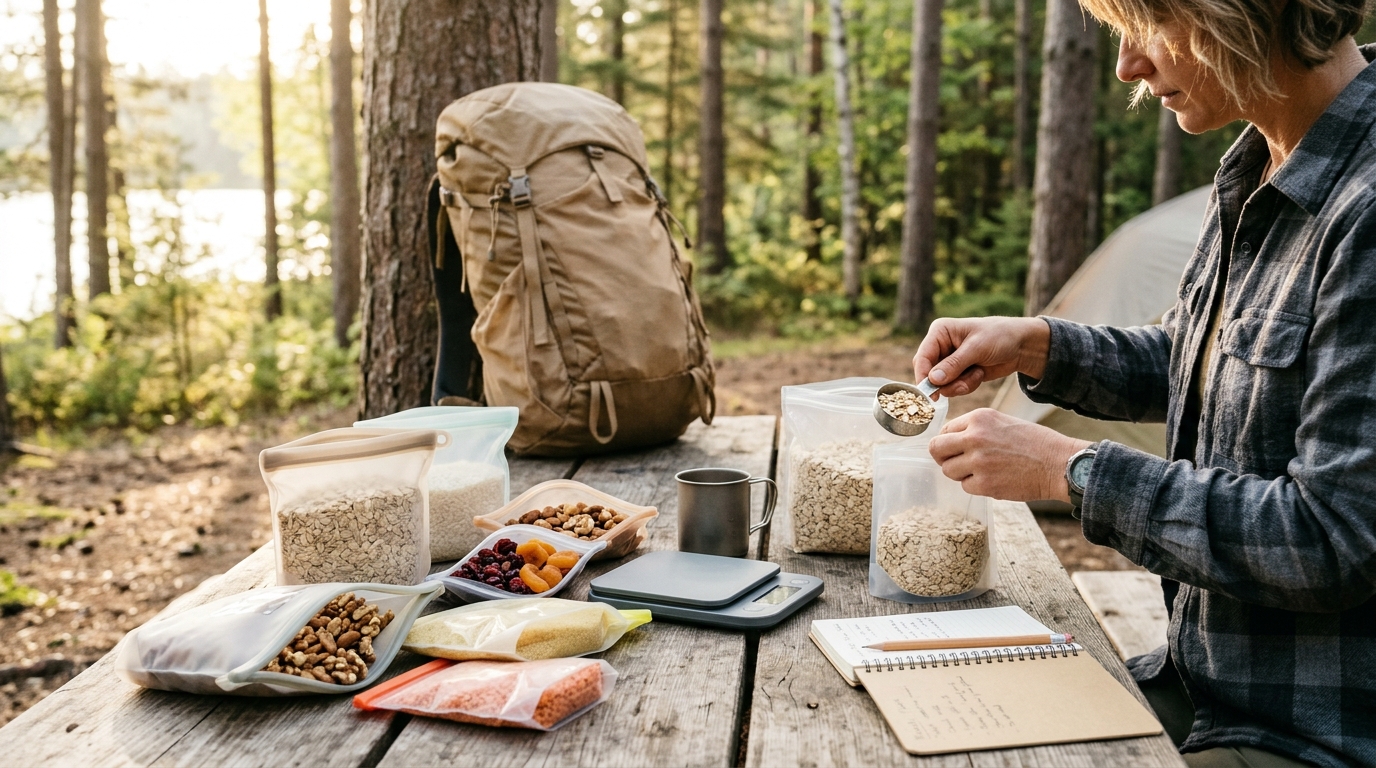
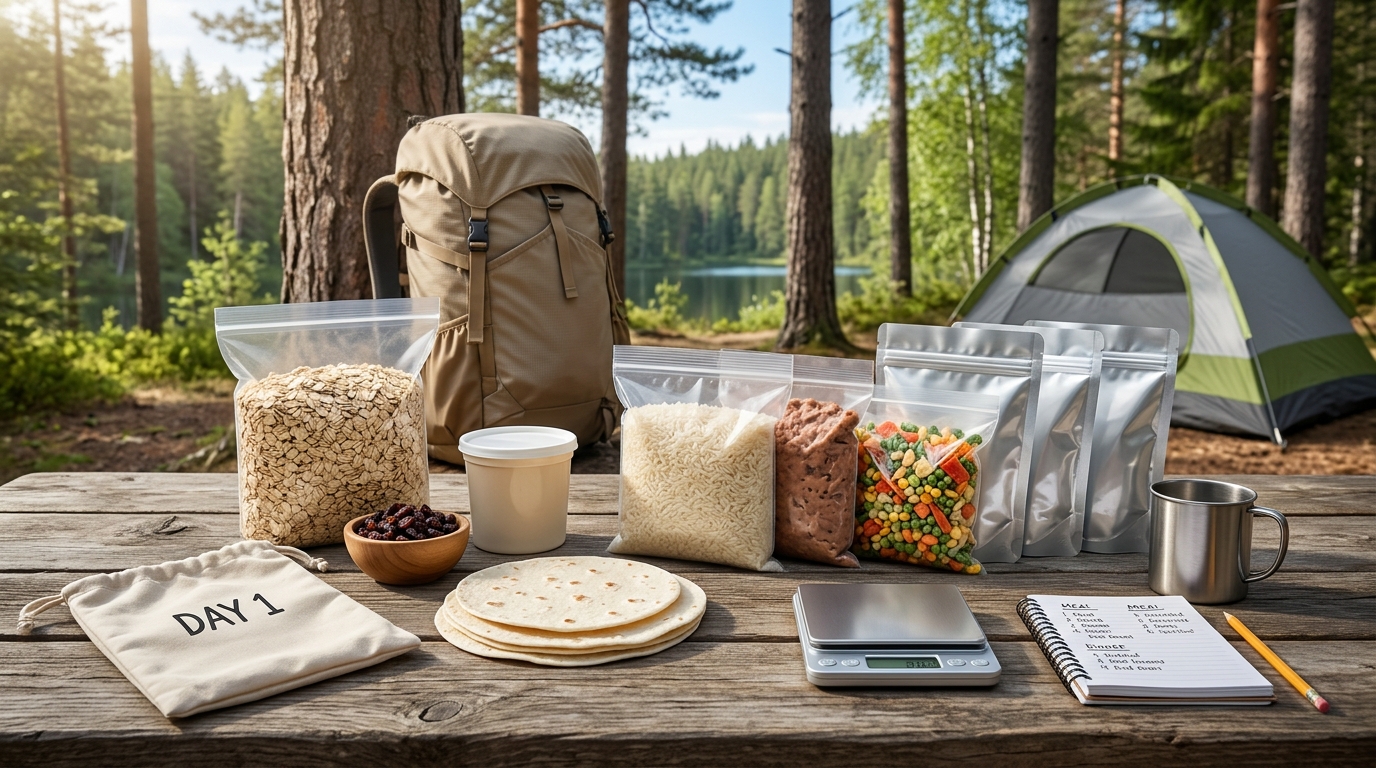
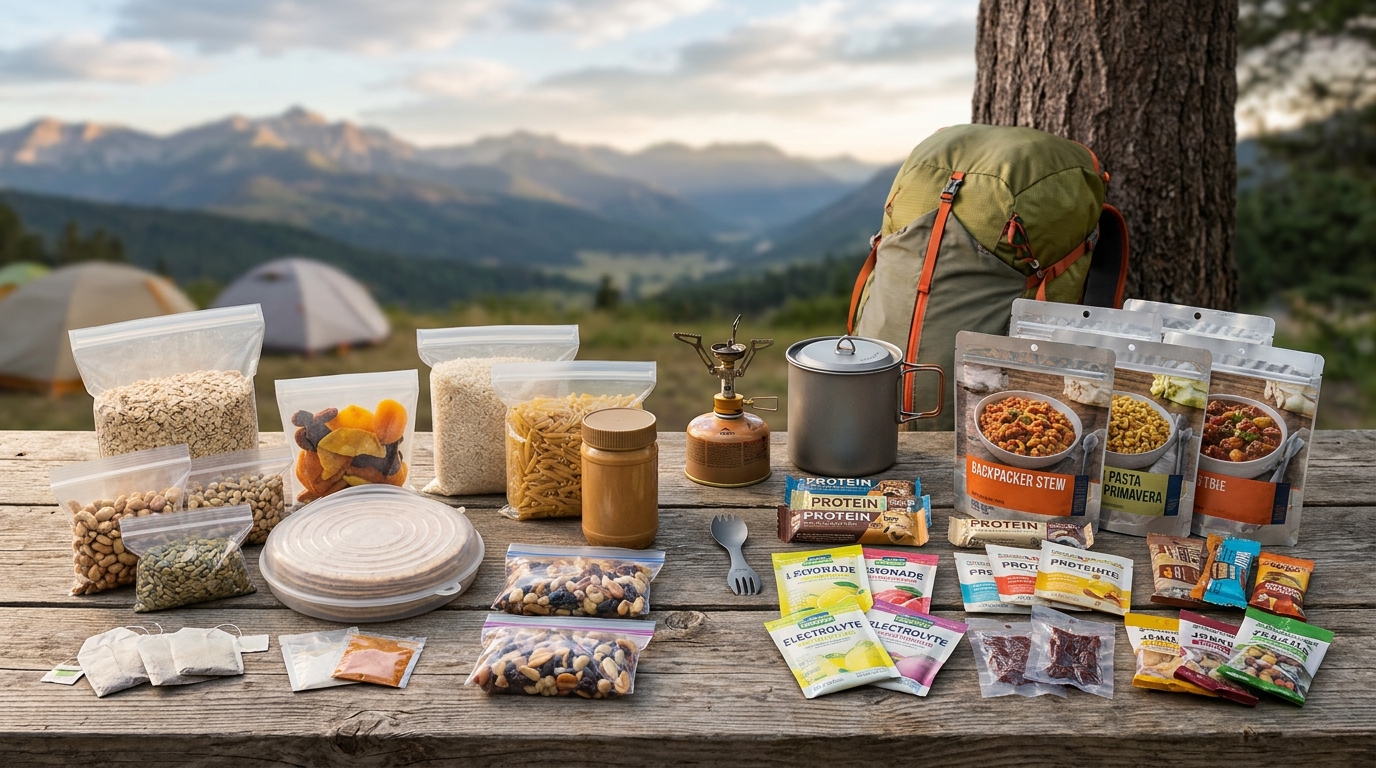
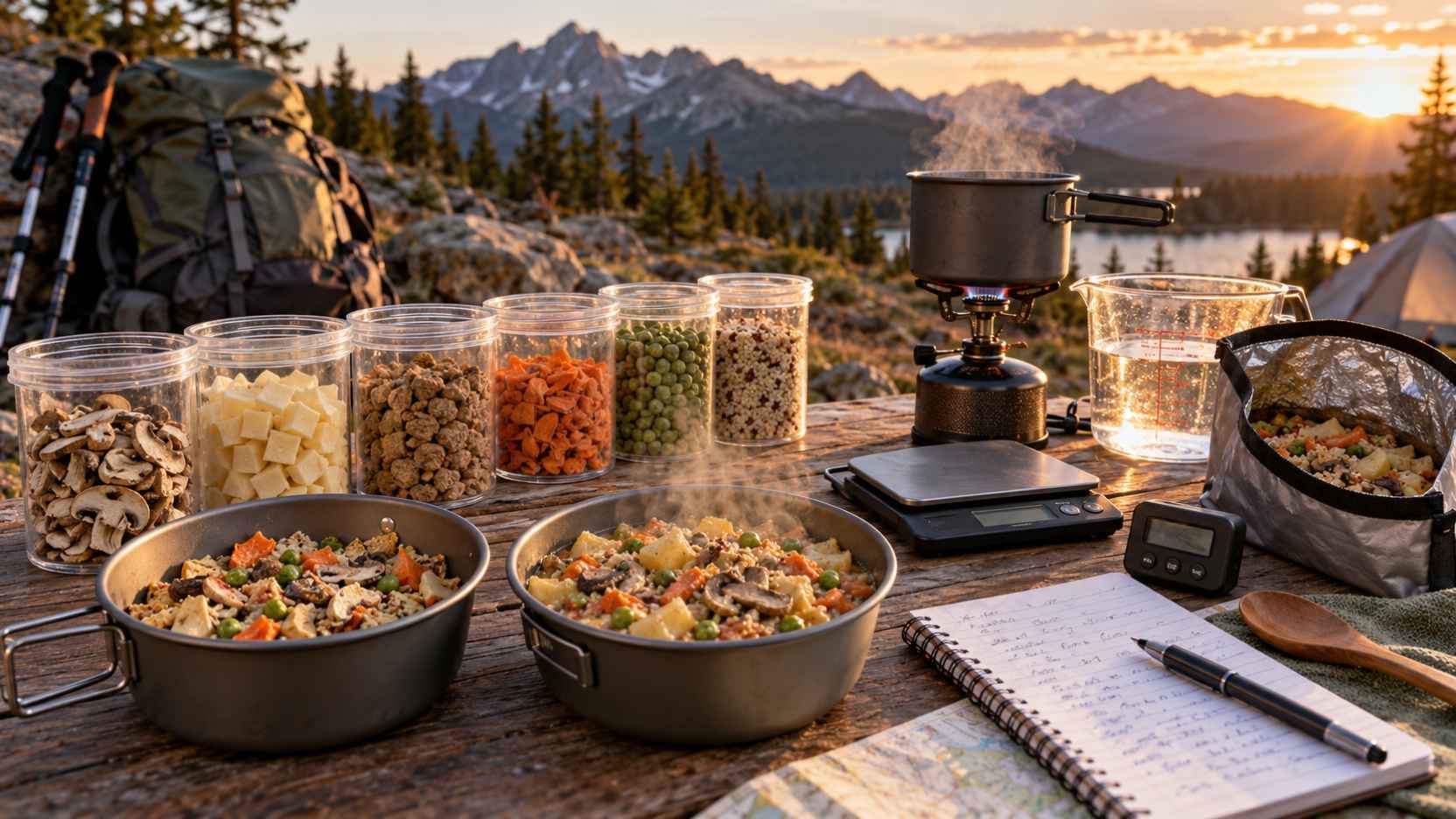
Introduction A vegetarian backpacking menu doesn’t have to mean carrying fresh vegetables, heavy cans, or bulky refrigerated foods. With the right combination of dry grains, legumes, dehydrated vegetables, nuts, seeds, dairy products, and…
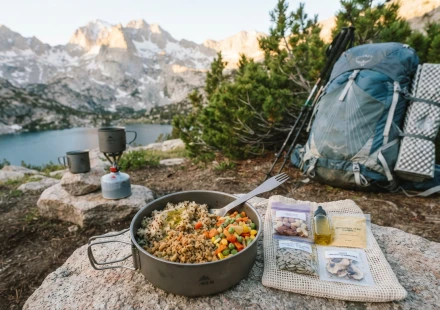
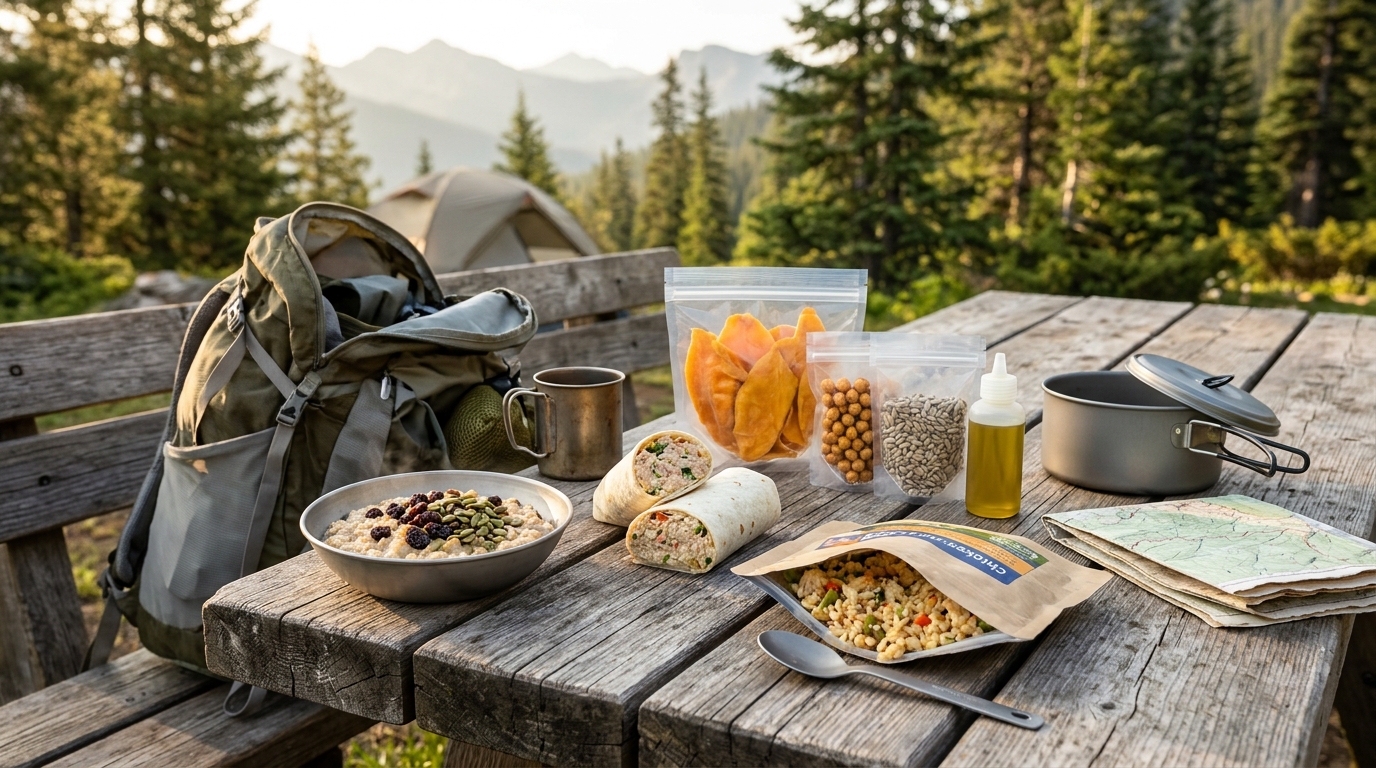
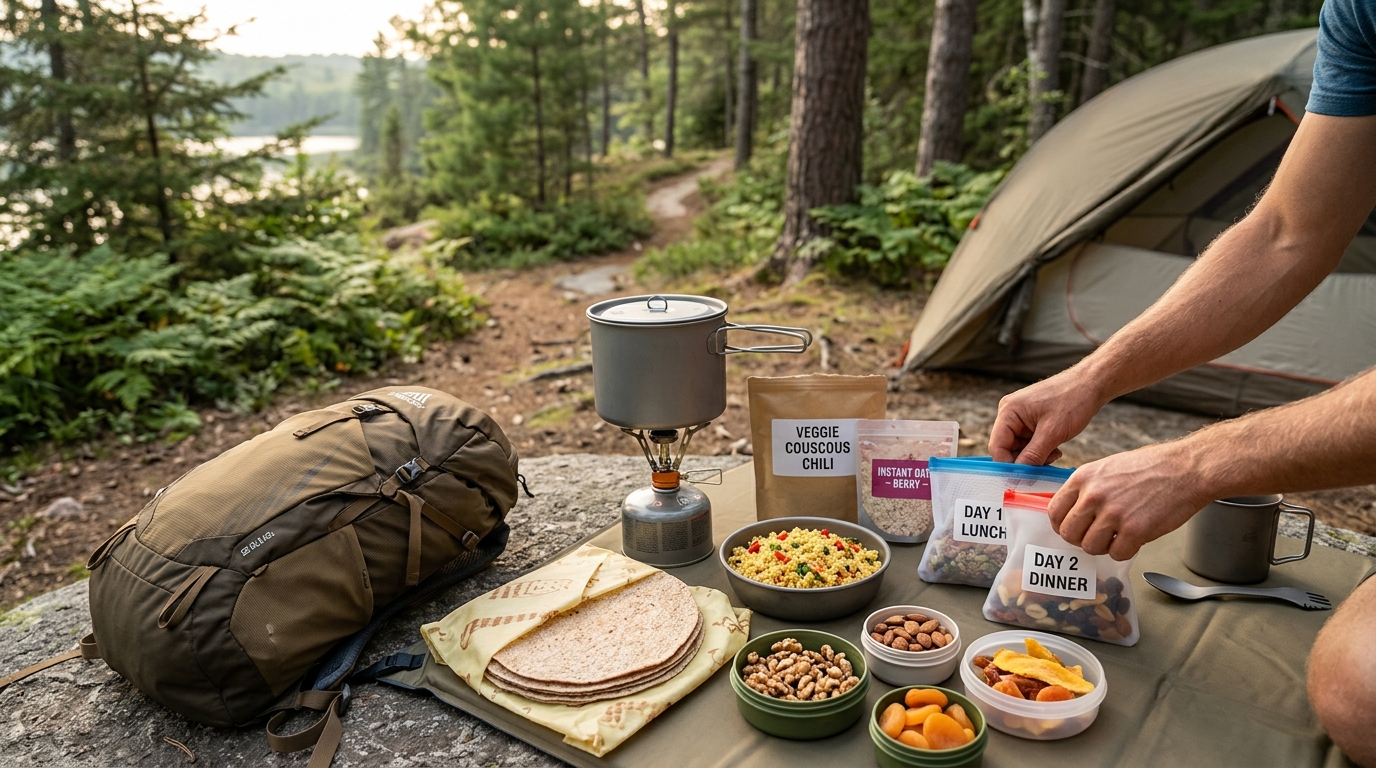
How to Replace Meat in Backpacking Meals Without Losing Protein or Calories 🥾🌱
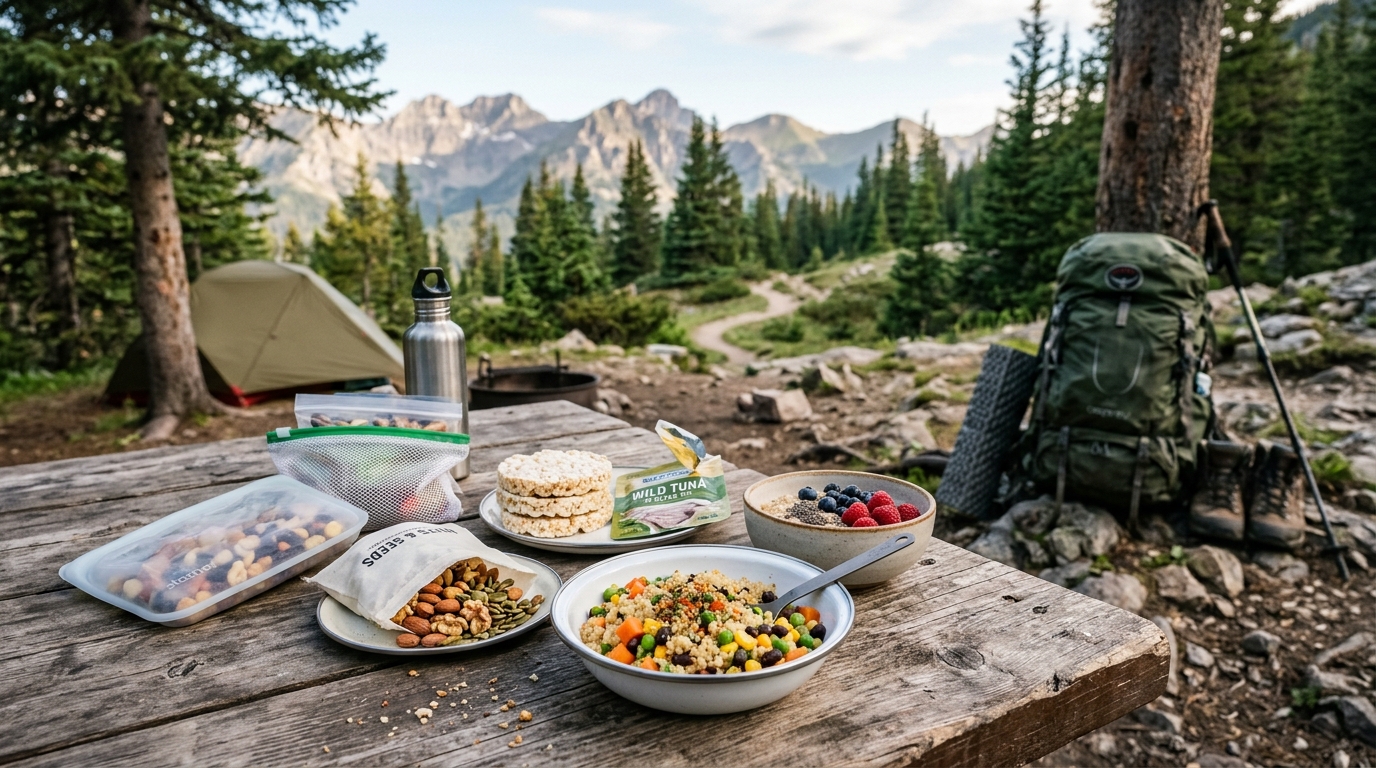
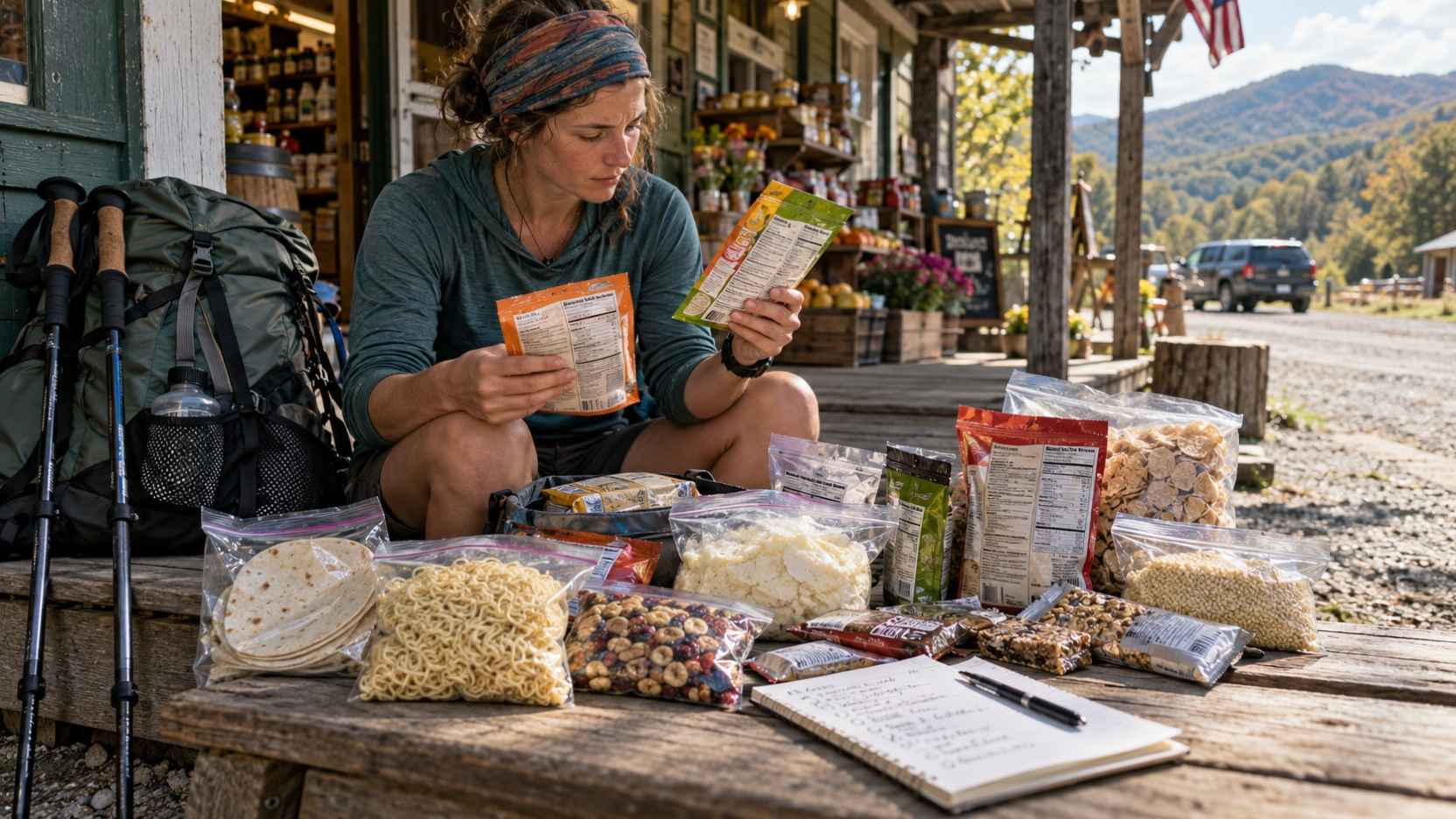
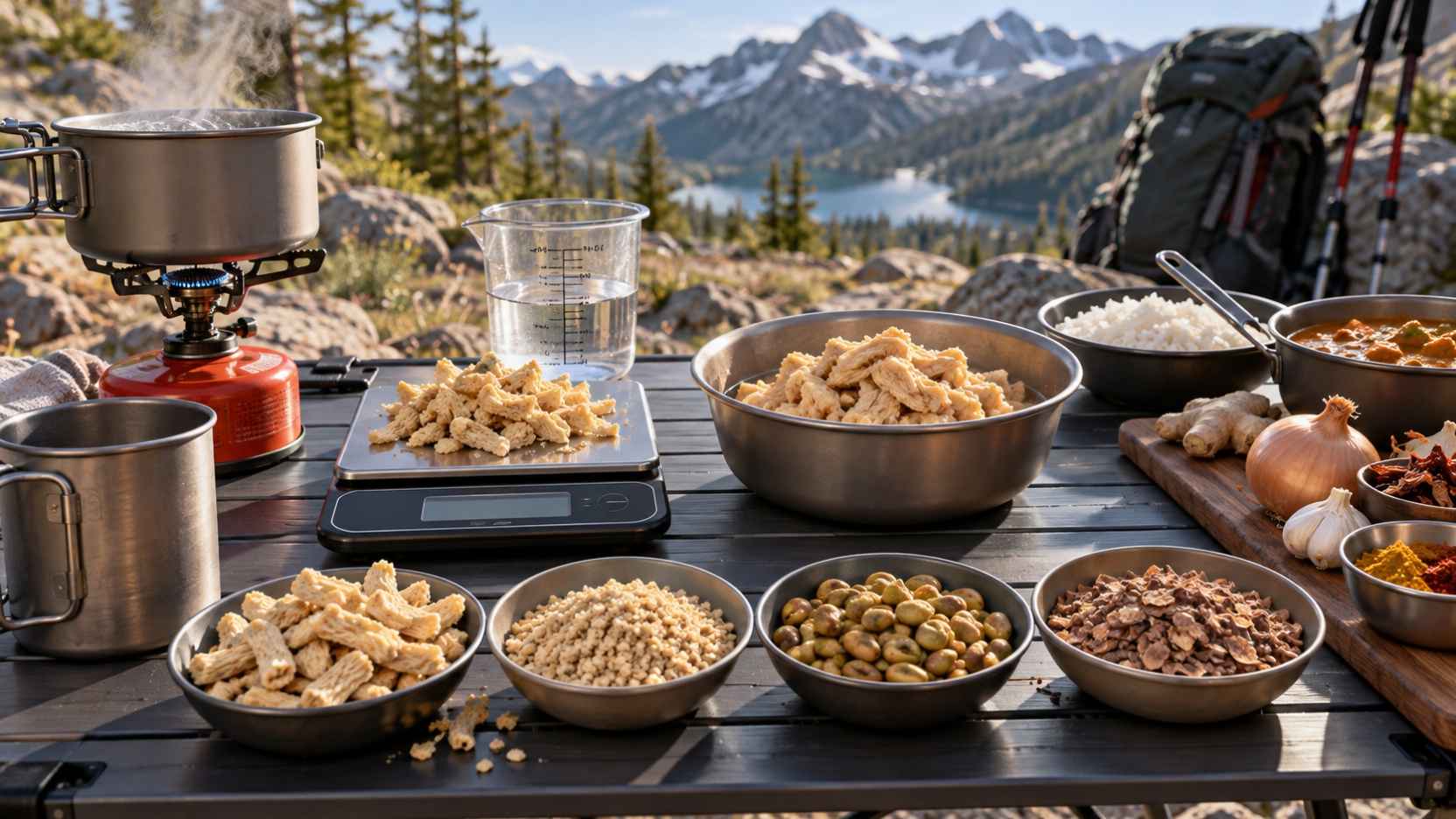
Introduction Going meat-free on a backpacking trip doesn’t mean settling for tiny meals or living on plain oatmeal. The real challenge is replacing what meat contributes to a trail menu: concentrated protein, calories, convenience, and relatively…